

Discover all the secrets of London Dry Gin: history, artisanal production, tasting and the best brands of 2026. Complete guide for true connoisseurs.
The Complete Guide to London Dry Gin: Discover All the Secrets 2026
Jan 5, 2026

What makes London Dry Gin so iconic and timeless among spirits? If you've ever wondered, you're in the right place.
In this guide, you'll discover all the secrets of London Dry Gin: from its fascinating origins to the botanicals that characterize it, to the most innovative trends of 2026.
Whether you're an enthusiast, a connoisseur, or simply curious, you'll find a comprehensive and up-to-date overview. Get ready to explore history, production techniques, legendary brands, pairings, and unmissable cocktails.
Let your curiosity guide you, immerse yourself in the world of gin, and discover what makes every sip unique. Are you ready to begin the journey?
Origins and History of London Dry Gin
Have you ever wondered how London Dry Gin became one of the most beloved and recognizable spirits in the world? Every sip carries centuries of history, innovation, and culture. Today, I'll take you on a fascinating journey through the origins, revolutions, and traditions that have shaped the gin we know today.
The historical roots of gin
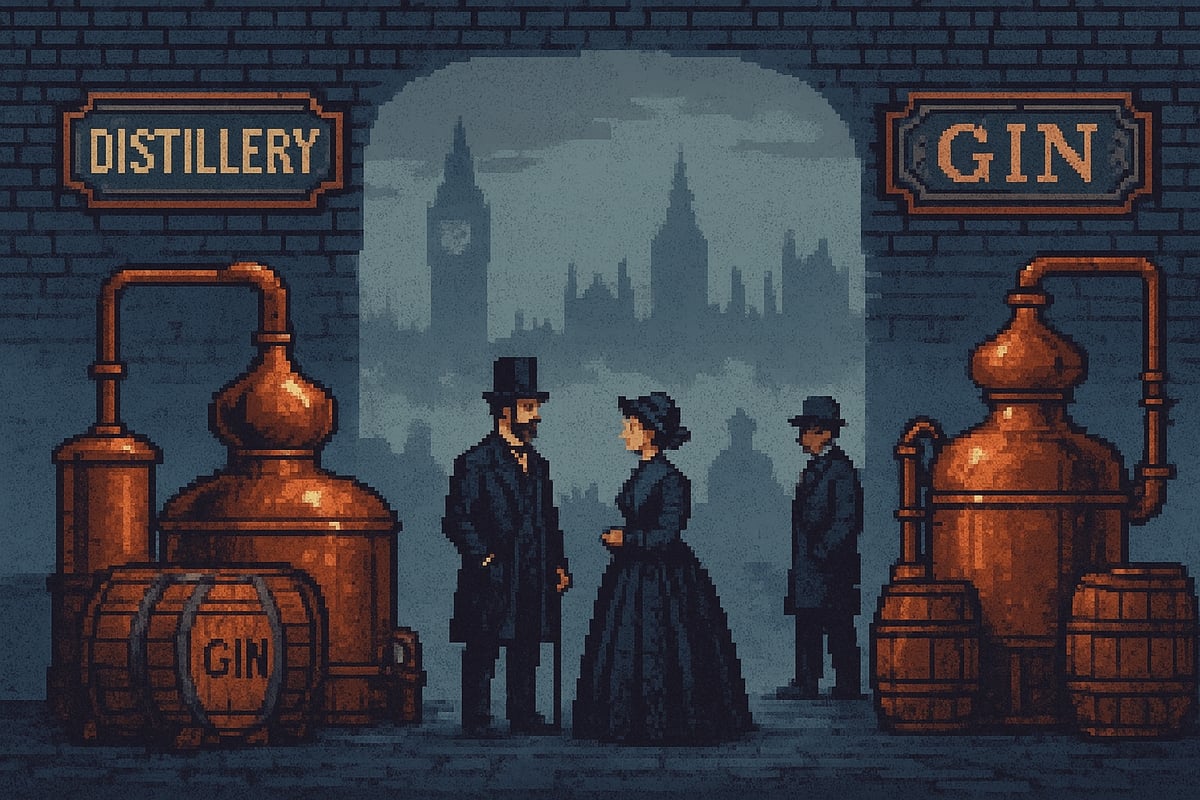
The history of London Dry Gin begins long before it became a global icon. It all began with Genever, a Dutch juniper-based spirit imported to England in the 17th century. The English, fascinated by its aroma, soon began distilling their own version, giving birth to gin.
In 1751, the Gin Act radically changed the landscape. Until then, gin had been so popular that it was referred to as a true "gin craze," with home distillations often uncontrolled. The Gin Act imposed strict regulations, leading to safer, higher-quality production. From there, gin began to take the form we know today.
During the 19th century, the London dry gin style was born. London became the hub of distillation, thanks to innovative technologies and a growing market. In the Victorian era, gin transformed from a popular drink to an ingredient in refined cocktails, entering the salons of the bourgeoisie and aristocracy.
The Prohibition era in the United States in the 1920s gave new life to London Dry Gin: American speakeasies used it for its purity and versatility. In the 2000s, gin experienced a true renaissance, with micro-distilleries and new consumers rediscovering tradition and experimentation.
Have you ever wondered how much the market has grown? In the UK alone, over 80 million bottles of gin were sold in 2023, according to the WSTA. Some historic gins, like Gordon's and Beefeater, remain symbols of this centuries-old journey.
Want to find out why Beefeater Gin is called that? Watch our Instagram reel.
Distinctive characteristics of London Dry Gin
What makes London Dry Gin truly unique compared to other gins? The answer lies in its legal and production characteristics. According to European regulations, a London Dry Gin must be distilled with high-quality neutral alcohol and natural botanicals, without adding flavorings or colorings after distillation.
Do you sometimes get the terms confused? It's helpful to know that London Dry Gin is different from both Distilled Gin and Compound Gin. If you'd like a detailed look at the differences, I recommend reading this resource: Differences Between Distilled and London Dry Gin .
The key elements are the predominance of juniper, absolute clarity, and the absence of added sugars. All this guarantees an aromatic purity that has made London Dry Gin the undisputed star of classic cocktails, from Martinis to Gin and Tonics.
The culture of mixology has found a perfect ally in this style of gin, capable of enhancing the botanicals without ever overpowering the other ingredients. This is why, even today, London Dry Gin remains a benchmark for bartenders and enthusiasts around the world.
How London Dry Gin is Made: Secrets and Techniques
Have you ever wondered what makes a London Dry Gin truly unique? The answer lies in the care, the choice of raw materials, and the art of distillation. Every detail, from the juniper to the innovative technologies, contributes to defining the identity of this iconic spirit.
Raw materials and essential botanicals
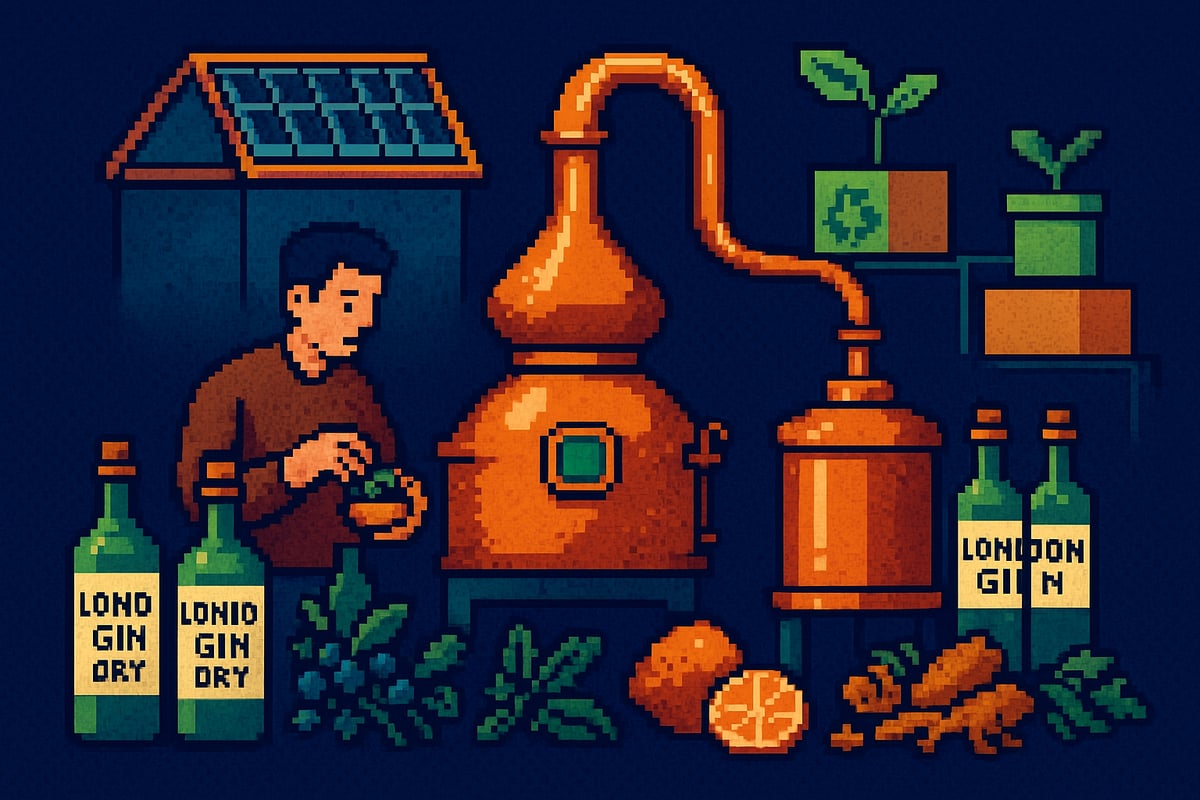
The basis of London dry gin is a high-quality neutral alcohol, often derived from grains such as wheat or corn. This ensures essential purity so as not to overwhelm the aromas of the botanicals.
Juniper is the real star: the select berries, often sourced from Italy or the Balkans, give London Dry Gin its unmistakable character. Alongside juniper, we find classic botanicals like coriander, angelica, lemon and orange peel, roots, and spices. Each distillery's recipe is a little secret, and balancing these ingredients is a true art.
In recent years, innovative botanicals such as yuzu, pink peppercorn, and rare flowers have emerged, anticipating the trends of 2026. If you're curious to discover which botanicals are essential in gin , you can learn more here: you'll find details on ingredients and aromatic curiosities.
In the most award-winning gins, we often find bold combinations, but always with juniper at the forefront. The choice and quality of botanicals are the foundation of a top-quality London dry gin.
The distillation process step by step
Once the botanicals have been selected, the maceration process begins. Here, the ingredients are left to infuse in alcohol for a period of time that can vary from a few hours to several days. It is during this phase that the London Dry gin begins to develop its aromatic profile.
Distillation takes place in traditional copper stills or in systems that combine history and modernity, like our Müller Brennereianlagen still. During distillation, the master distiller carefully separates the "heads," "hearts," and "tails," retaining only the best parts for London Dry Gin.
After distillation, the gin is filtered to ensure clarity and purity. Some distilleries let the distillate rest to allow the aromas to blend. Each batch undergoes rigorous quality control, following very strict international standards.
In recent years, artisanal microdistilleries in Europe have grown by 30% since 2020, marking a true revolution in the world of London dry gin. The variety of techniques and attention to detail make each production a unique experience.
Innovation and sustainability in production
The future of London Dry Gin also depends on innovation and sustainability. The most advanced distilleries are adopting technologies that reduce energy consumption and minimize waste, such as heat recovery systems and low-impact distillation.
Recyclable packaging has become standard for many companies, which often choose sustainable materials for bottles and labels. Some distilleries also use renewable energy to power their facilities, further reducing their environmental impact.
Looking ahead to 2026, the trend for zero-waste and low-impact gins is set to grow. London dry gin producers are focusing on short supply chains and local ingredients, making the sector increasingly green.
This attention to the environment also translates into greater transparency for consumers, who today seek quality, but also ethical and responsible products. The London Dry Gin of the future will be increasingly sustainable, without sacrificing any of its quality and flavor.
London Dry Gin Aromatic Profile and Tasting
Have you ever tried savoring a pure London Dry Gin, letting your senses guide you? Discovering this spirit's aromatic profile is a journey through crystalline transparency, intense aromas, and an unmistakable flavor. In this section, I'll guide you step by step through sensory analysis and tasting techniques, so you can truly experience London Dry Gin.

Sensory Analysis: How to Recognize a True London Dry
When it comes to London Dry Gin, the first thing that strikes you is its appearance: clear, crystalline, devoid of any coloration. This is the sign of careful production and impeccable distillation.
As soon as you raise the glass to your nose, a wave of fresh juniper hits you, followed by lively citrus notes and subtle spicy nuances. The aroma of an authentic London Dry Gin is always clean, free from artificial flavors. The taste is dry, bold, yet balanced: the juniper dominates, but leaves room for the other botanicals that lend complexity and harmony.
The aftertaste is persistent and refined. After swallowing, a fresh, almost balsamic sensation lingers, inviting a second taste. But how do you distinguish an industrial gin from a craft one? Here's a quick comparison table:
Characteristic |
Industrial Gin |
Artisan Gin |
|---|---|---|
Botanicals |
Standardized |
Selected, local |
Perfume |
Flatter |
Rich and complex |
Taste |
Simple, direct |
Layered, persistent |
Transparency |
Always perfect |
It may be slightly cloudy |
Experience |
Repetitive |
Unique, tied to the territory |
If you want to try something truly special, you can discover an example of Italian excellence with the Mezzanotte London Dry Artisan Gin , which combines selected botanicals and innovative techniques to offer a superior tasting experience.
To appreciate every nuance of London Dry Gin, I recommend trying it both neat and mixed, perhaps with a classic Gin and Tonic or in a vertical tasting of different brands.
Professional tasting techniques
Enjoying a London Dry Gin like a true connoisseur isn't complicated; just follow a few simple steps. The ideal serving temperature is between 10 and 13°C, enhancing the aromas without altering the flavor.
Choose the right glass: the copa balloon (typically associated with Spain) is perfect for enhancing the aromas, but a tall tumbler or Collins glass is also fine if you prefer a more classic approach (my favorite). When tasting, first observe the color and clarity, then take a deep sniff to capture all the aromatic notes.
The first sip is crucial: let the London Dry gin settle in your mouth, feeling the dryness and the balance of the botanicals. After tasting, try the retro-olfactory analysis, breathing deeply to appreciate even the most subtle nuances.
Many gin schools and masterclasses offer guided sessions to learn these techniques. In Italy, the growth of gin tasting events increased by 40% in 2023: a sign that the culture of London Dry Gin is increasingly vibrant and appreciated. Whether you're a fan or a novice, let yourself be intrigued and experiment, because every taste is a new story.
The Best London Dry Gin Brands and Gins to Try in 2026
If you're wondering which London Dry Gin brands are best to try in 2026, you've come to the right place. The world of gin is vast and constantly evolving, but some names remain true pillars of tradition, while new artisanal excellences are increasingly gaining traction among connoisseurs. In this section, we'll explore the great classics, new Italian releases, and a premium brand redefining the concept of London Dry Gin.
Iconic and historic gins
When talking about London Dry Gin, it's impossible not to start with the brands that have shaped the history of this spirit. Among the most well-known is Tanqueray, a true symbol of elegance and tradition since 1830. Its dry and balanced profile, dominated by juniper, makes it ideal both for enjoying neat and in classic cocktails.
Beefeater is another giant in the world of London dry gin. Created in London in 1863, it is renowned for its faithful recipe and the use of select botanicals that lend freshness and complexity. Bombay Sapphire, with its iconic blue bottle, stands out for its exotic notes of Grains of Paradise pepper and almonds, as well as steam distillation that enhances the aromas.
Gordon's is the world's best-selling London dry gin, renowned for its versatility and crisp flavor. Broker's and Boodles are also well-known, two historic brands that still maintain an artisanal approach to production. These gins are true benchmarks for those who want to explore the tradition of London dry gin without compromise.
Here is a summary table of the main historical brands:
Brand |
Year of foundation |
Aromatic profile |
Distinctive feature |
|---|---|---|---|
Tanqueray |
1830 |
Dry, citrus, juniper |
Classic elegance |
Beefeater |
1863 |
Spicy, fresh |
Faithful and balanced recipe |
Bombay Sapphire |
1987 |
Floral, exotic |
Steam distillation |
Gordon's |
1769 |
Sharp, versatile |
The best-selling in the world |
Broker's |
1998 |
Classic, spicy |
Traditional production |
Boodles |
1845 |
Soft, herbaceous |
Absence of citrus fruits in the recipe |
With these brands, immersing yourself in the world of London Dry Gin truly means savouring history.
New artisan excellences and Italian trends
In recent years, the London dry gin scene has flourished thanks to the growth of craft distilleries, especially in Italy and Europe. Italian gins are experiencing a boom, with sales expected to increase 35% in 2023. Products like Gin Primo, Peter in Florence, and Sabatini have become synonymous with quality, creativity, and a connection to the local area.
What makes a craft gin so special? Typically, it's small production, obsessive attention to local botanicals, and storytelling that tells stories of family or the region. Limited editions, collaborations with chefs and bartenders, and the use of innovative botanicals are among the strongest trends expected for 2026. More and more enthusiasts are seeking gins that convey something unique, often choosing products with a strong regional identity.
Not only that, sustainability plays a key role, with many producers focusing on recyclable packaging and low-impact processes. If you'd like to delve deeper into the data and growth trends, you can read this interesting analysis on the growth of the global gin market .
In the Italian scene, gin schools are becoming true reference points for those who want to learn how to taste and recognize a true London dry gin. Festivals and themed evenings are also on the rise, a sign that gin culture is booming.
Mezzanotte – Distillery and Spirits: Italian Artisan Excellence
Located in the heart of Pesaro, Mezzanotte – Distilleria e Spirits represents a perfect example of innovation and tradition in the world of London dry gin. Founded in 2022, this micro-distillery has established itself thanks to its artisanal approach and the use of advanced technologies such as the Müller still and the Buchi Rotavapor.

Their "Midnight London Dry Gin" is a true sensory experience: the botanicals include sweet orange, cocoa nib, kaffir lime, and select juniper. The result is an elegant, nuanced gin perfect for both sipping and mixing.
Mezzanotte also stands out for its commitment to sustainability: renewable energy, recyclable packaging, and a focus on environmental impact are integral to the company philosophy. Another source of pride? It's the first Italian distillery to join the prestigious Gin Guild.
Not only production, but also custom distillation services for third-party clients, allowing them to create bespoke gins with exclusive botanicals. The strong connection to the Marche region and family tradition make Mezzanotte a reference point for those seeking excellence, innovation, and authenticity in London dry gin.
London Dry Gin in Mixology: Classic and Innovative Cocktails
Have you ever considered how London Dry Gin is the undisputed star of great mixology cocktails? If you love experimenting with shakers and glasses, this spirit is the key to creating iconic and innovative drinks. Its clean aromatic profile and versatility make it perfect for both those new to the world of cocktails and true connoisseurs.
The great classics of mixology
When it comes to classic cocktails, London Dry Gin always takes center stage. Gin and Tonic, for example, is among the most ordered drinks in the world, thanks to its freshness and simplicity. If you want to learn all the secrets, history, and original recipe of Gin and Tonic , you can learn more here. This cocktail highlights the juniper and citrus notes of London Dry Gin, offering a perfect balance between dryness and freshness.
The Martini Dry is another staple, where London Dry Gin combines with dry vermouth to create an elegant and bold sip. The Negroni, with its combination of gin, red vermouth, and bitters, also enhances the aromatic complexity of gin. We can't forget the Tom Collins, the Gimlet, and the French 75, each with its own history and unique way of showcasing the botanicals of London Dry Gin.
Here is a table summarizing the great classics:
Cocktail |
Main ingredients |
Distinctive feature |
|---|---|---|
Gin and Tonic |
Gin, tonic water, lime |
Fresh and thirst-quenching |
Martini Dry |
Gin, dry vermouth, olive |
Elegant and dry |
Negroni |
Gin, red vermouth, bitters |
Intense and balanced |
Tom Collins |
Gin, lemon, soda, sugar |
Sparkling and citrusy |
Gimlet |
Gin, lime, sugar |
Acidulous and aromatic |
French 75 |
Gin, lemon, sugar, champagne |
Refined and lively |
According to Diageo, gin and tonic remained among the most popular cocktails globally in 2023. It's no surprise that London Dry Gin is the preferred choice in these drinks, capable of enhancing every ingredient and making every sip unique.
Signature Cocktails and Trends for 2026
The world of mixology never stops, and London Dry Gin continues to be a key ingredient in even the most innovative creations. Italian and international bartenders are experimenting with infusions of rare botanicals, fruity shrubs, and novel ingredients like yuzu, pink peppercorn, or edible flowers. This trend is giving rise to signature cocktails that surprise the palate and tell a whole new story.
More and more venues are offering low-ABV drinks, without sacrificing the character of London Dry Gin. A focus on sustainability is driving them to choose local ingredients, reduce waste, and offer surprising food pairings, such as gin and vegetarian cuisine.
Here are some trends we will see in 2026:
Sustainable and zero-waste cocktails
Gastronomic pairings with fusion and Italian dishes
Collaborations between chefs and bartenders for exclusive menus
Themed gin bars and guided tastings
In Italy, gin-oriented cocktail bars grew by 25% in 2023, a sign that London Dry Gin never goes out of style but is constantly evolving. Whether you prefer a timeless classic or a signature creation, this gin is always the right choice for those who appreciate quality and creativity in the glass.
How to Choose and Pair London Dry Gin
Choosing the perfect London Dry Gin can seem like a journey through a thousand labels, aromas, and stories. Have you ever wondered what factors really matter when you're standing in front of the shelf or browsing online? In this section, I'll guide you step by step, from the most informed choice to the most surprising pairings, so you can experience gin as a complete experience.
A practical guide to choosing the perfect gin
When it comes to London Dry Gin, the variety can confuse even the most experienced. Here are the essential criteria to consider for a well-informed choice:
Botanicals : Check the ingredient list. A true London dry gin emphasizes juniper, followed by coriander, citrus, and spices. Some brands experiment with yuzu, flowers, or pink pepper.
Alcohol content : Often between 40% and 47%, but the value can affect the intensity of the flavor.
Origin : English tradition is a firm point, but today Italy also offers spirits of the highest quality.
Price : Cost isn't everything, but it can reflect the craftsmanship and choice of botanicals.
Label : Look for the words “London Dry Gin” and check that no flavourings have been added after distillation.
Want a quick comparison? Here's a helpful table:
Characteristic |
Premium |
Artisanal |
Mass consumption |
|---|---|---|---|
Botanicals |
Search |
Local/unique |
Standard |
Taste |
Balanced |
Intense |
Essential |
| Price |
Medium/high |
High |
Bass |
Production |
Large scale |
Small scale |
Industrial |
Don't forget that the gin market is booming. In Italy, gin consumption has increased by 25% in the last five years, a sign that London Dry Gin is winning over even the most discerning palates ( Gin Consumption in Italy ). Making an informed choice also means knowing how to recognize the subtle differences between an entry-level product and a niche gin. Whenever possible, rely on specialized wine shops or participate in guided tastings: only then will you discover the London Dry Gin that's truly right for you.
Food pairings and creative pairings
Have you found your favorite London Dry Gin? Now comes the fun part: pairing it with the right foods. The secret is to enhance the botanicals without overpowering them. Here are some ideas to get you started:
Oysters and shellfish : the marine flavor brings out the citrus freshness of the gin.
Smoked or marinated salmon : perfect with gin with a dry, spicy finish.
Fresh cheeses : such as goat cheese or robiola, ideal for counteracting the alcoholic note.
Spicy finger foods : mini tartare, bruschetta with pink pepper, crostini with herbs and citrus fruits.
Not just for gourmet cuisine: London Dry Gin also pairs well with traditional Italian dishes like seafood salads, carpaccio, and even Asian fusion cuisine, thanks to its versatility. If you want to impress, try an unusual pairing with dark chocolate or citrus-based desserts.
Gin-themed evenings are increasingly popular. In 2023, gin & food events in Italy grew by 30 percent: a trend that promises even more surprises in the future. Experiment, follow your palate, and turn every London Dry Gin tasting into a journey of discovery.
News, Trends and the Future of London Dry Gin (2026 and Beyond)
The future of London Dry Gin is brighter than ever, and the innovations awaiting us in the coming years are already revolutionizing the way we enjoy and choose this celebrated spirit. Have you ever wondered what trends will dominate the gin landscape between now and 2026? Get ready to explore product innovations, new markets, sustainability, and everything else that will make London Dry Gin an even stronger presence in the spirits world.
Product and packaging innovations
Innovations are redefining the concept of London Dry Gin, both in terms of product and packaging. More and more distilleries are choosing unusual botanicals, such as yuzu, rare flowers, and pink pepper, to create limited edition and flavored gins that surprise even the most experienced palates. Packaging is becoming a true calling card: many companies are opting for artistically designed bottles, customized labels, and recyclable materials.
Another growing trend is the collaboration between distilleries and designers to create unique packaging, designed for both collectors and those seeking an exclusive gift experience. According to Innovations in Gin Production , the industry is also investing heavily in customization technologies, offering tailored services for private customers and businesses.
The London Dry Gin of the future will therefore not only be good to drink, but also beautiful to look at and sustainable to produce.
Evolution of consumption and new markets
London Dry Gin consumption is evolving rapidly, attracting new audiences and conquering distant markets. Young adults between 18 and 35 are increasingly passionate about gin, attracted by innovative cocktails and the opportunity to experiment with new pairings.
International expansion is another key aspect: European gin, and London Dry Gin in particular, is experiencing significant growth in Asia and the United States. Exports are expected to grow 18% in 2024, and according to Italian Spirits Exports , gin is one of the leading Italian spirits.
This trend is also reflected in the opening of new gin-oriented cocktail bars and the spread of dedicated masterclasses, which are bringing more and more people closer to the world of London Dry Gin.
Sustainability and social responsibility
Sustainability has become a core value in the production of London Dry Gin. The most innovative distilleries adopt short supply chains, choose local and traceable ingredients, and invest in renewable energy to reduce environmental impact. Recyclable packaging and zero-waste production are now a reality for many brands, which are increasingly pursuing social responsibility.
Many companies support green projects, such as reforestation or supporting local farming communities. This environmental focus not only improves the quality of the product, but also makes London Dry Gin an ethical choice for those who want to drink consciously.
The role of Italian gin in the global panorama
Italian gin, with its unique style and local botanicals, is becoming a benchmark in the international London dry gin market. Artisanal gins made in Italy have received numerous awards, and collaborations between distilleries, chefs, and bartenders are leading to original and innovative creations.
Italian gin exports continue to grow, driven by quality and the ability to tell authentic stories through every bottle. Italian distilleries are experimenting with local ingredients and traditional techniques, positioning themselves among the industry's leading exponents and helping to revitalize London Dry Gin worldwide.
Events, festivals and communities
The growth of London Dry Gin is also reflected in the liveliness of its events and dedicated communities. Each year, thematic festivals in Italy and Europe increase, where enthusiasts and professionals can discover the latest innovations, participate in guided tastings, and interact with top experts.
Gin communities, both online and offline, are authentic meeting points for those who want to deepen their knowledge of London Dry Gin, exchange opinions, and share experiences. Educational and networking opportunities are constantly growing, offering everyone the chance to experience gin in an engaging and up-to-date way.
After discovering together all the secrets of London Dry Gin, from its history to tasting techniques and upcoming innovations, it's almost natural to ask: what's the next step to truly live this experience? If curiosity has sparked your desire to taste a craft gin that embodies passion, innovation, and Italian terroir, you're in the right place. Immerse yourself in the world of Mezzanotte and be amazed by our creations, born from that love of distillation we mentioned. Why not take a look and maybe find your new favorite gin?
Discover our Gins