

Want to discover all the secrets of amaro bitter? Check out its history, ingredients, tasting notes, and 2026 trends to choose the best one!
The Ultimate Guide to Amaro Bitter: Discover All the Secrets 2026
Jan 6, 2026

What makes an amaro truly unique? If you've ever wondered this when faced with a mysterious bottle, you're in the right place. In this guide, you'll discover all the secrets of amaro: from its fascinating history to the most innovative trends of 2026. I want to help you, whether you're a passionate enthusiast or a beginner, choose, understand, and enjoy the perfect amaro for you. You'll find practical advice, interesting facts, pairings, and news on the best brands. Ready to be surprised? Read on and immerse yourself in the world of amaro bitters!
What are bitter liqueurs? Definition and Origins
Have you ever heard of amaro or bitter and wondered what makes it so special compared to other liqueurs? Let's start from the beginning: amaro or bitter is an alcoholic beverage made from the infusion of herbs, roots, and spices, characterized by a strong, bitter flavor. The main difference between amaro liqueur and amaro bitter is the intensity of the bitter component and the use of different botanicals. Fortified amaro is characterized by spicy, citrus notes and a sweeter profile, often used both as a digestif and as an aperitif. Famous examples include Montenegro, Vecchia Romagna, and Jefferson, true protagonists on Italian tables. In recent years, amaro consumption in Italy has grown steadily, reflecting a renewed passion for authentic and traditional flavors.
Definition of Amaro Bitter
Bitter is not just a simple bitter liqueur, but a true sensory experience. Compared to fortified bitters, it has a drier flavor and greater aromatic complexity, thanks to the combination of herbs such as gentian, rhubarb, and bitter orange. Its main organoleptic characteristics are:
Intense and persistent bitterness
Herbaceous and aromatic scent
It is enjoyed both as a digestif after meals and as a base for refined aperitifs. Historic brands such as Unicum, Campari, and Fernet Branca have made amaro bitter famous even beyond Italy's borders. According to recent market data, consumption of amaro bitter in Italy has seen a steady growth trend, a sign of a rediscovery of traditions.
History and Evolution of Amaro
The origins of amaro date back to the Middle Ages, when monasteries and ancient pharmacies experimented with herbal infusions for therapeutic purposes. During the 19th century, amaro production evolved thanks to the emergence of the first historic brands, many of which are still marketed today. Amaro has crossed national borders, becoming a fundamental ingredient in international mixology.
During the Belle Époque, amaro spread throughout Italian cafés and the first bars in Europe, conquering even the most refined palates. Today, Italian production represents a benchmark for quality and tradition. If you'd like to learn more, you can also read the history and value of Italian amaro in this in-depth analysis . Among the most iconic names, in addition to those already mentioned, are Fernet-Branca and Unicum, each with its own fascinating history.
The Role of Amaro in Italian Culture
In Italy, amaro isn't just a drink, but a true social ritual. For generations, the gesture of offering an amaro after a hearty dinner has been a symbol of hospitality and conviviality. How many times have you seen, at family gatherings, the glass of amaro being passed around as a gesture of unity?
Amaro also plays a key role in celebrations, toasts with friends, and special occasions. Its role has also evolved in mixology, where it is used in classic cocktails like the Negroni and the Americano. According to the latest statistics, approximately 60% of Italians consume amaro regularly, a sign of a tradition that endures and is renewed. The presence of amaro in daily rituals makes this liqueur a true ambassador of the Italian way of life, capable of uniting past and present in every sip.
Ingredients and Secrets of the Traditional Recipe
Have you ever wondered what makes an amaro truly special? Behind every sip lies a world of secret ingredients, ancient family recipes, and new experiments. In this section, we'll discover together the magic hidden within every bottle of amaro, from the heart of tradition to the most surprising innovations.
Main Ingredients: Herbs, Spices, Roots
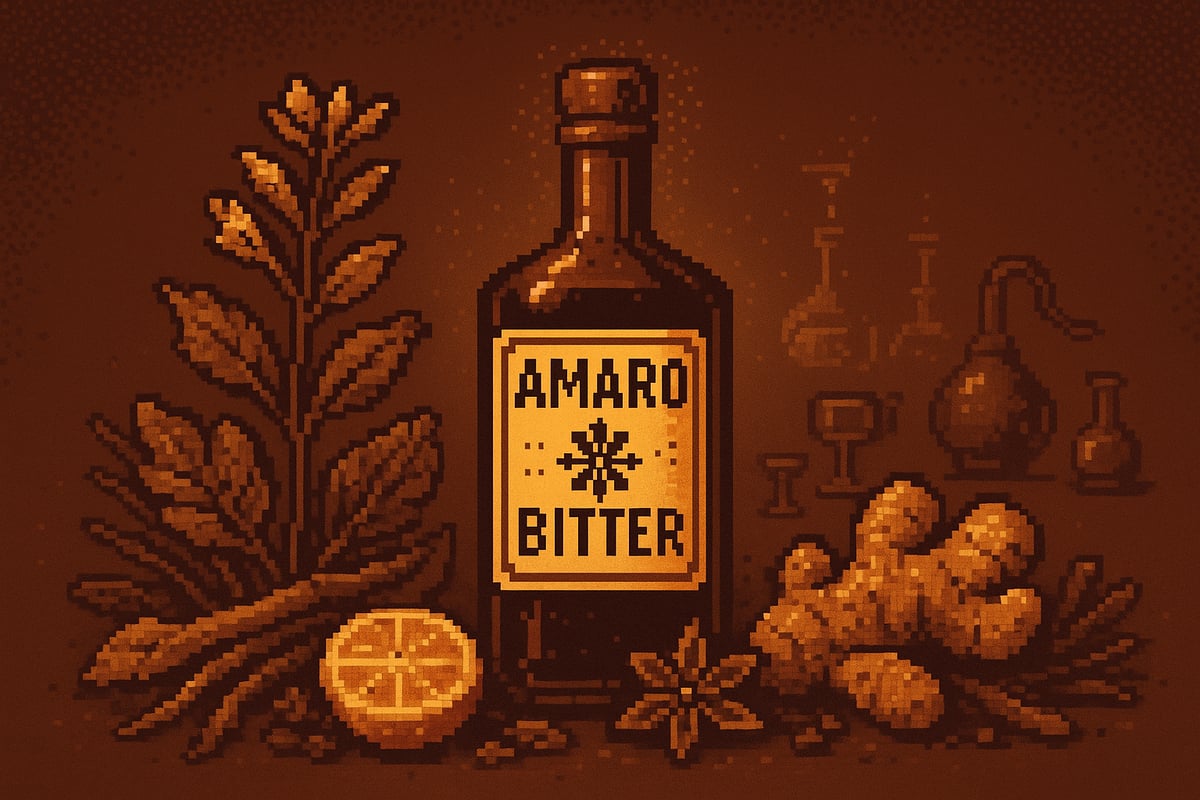
When we talk about bitters, the first thing that comes to mind is herbs. Gentian, rhubarb, bitter orange, and cinchona are just a few of the plants featured in the most popular recipes. Each bitter combines these herbs with aromatic roots and spices like cinnamon, cloves, and verbena.
The provenance of ingredients is crucial. Many producers choose short supply chains and local ingredients, taking advantage of Italy's biodiversity. For example, in Trentino, Alpine gentian is often used, while in Sicily, citrus fruits and Mediterranean spices are preferred.
Here is a table summarizing the most common herbs and their functions:
Ingredient |
Typical region |
Role in bitter bitter |
|---|---|---|
Gentian |
Trentino |
Bitterness and freshness |
Rhubarb |
Central Italy |
Herbaceous and bitter notes |
Bitter orange |
Sicily, Calabria |
Citrusy scent and sweetness |
Absinthe |
Piedmont |
Intense aroma |
On average, the percentage of herbs and spices in an amaro bitter recipe varies from 20% to 35%, with the remainder being alcohol, water, and sugar. Thus, each amaro finds a unique balance, reflecting the terroir and the history of its maker.
The Extraction and Maceration Process
The creation of a bitter liqueur begins with the selection and processing of botanical ingredients. Extraction techniques are crucial to achieving intense aromas and flavors. Infusion or cold maceration is the most common method.
Infusion or maceration involves steeping herbs in alcohol for weeks, extracting delicate aromas.
The alcohol used is always of agricultural origin, often from cereals.
The maceration time can vary: some distilleries let the mix rest for two weeks, others for several months, depending on the recipe and the desired result. This is where the difference between an artisanal and an industrial bitter is played out: the artisanal approach allows for more experimentation and the use of fresh or seasonal ingredients.
In recent years, some companies have experimented with innovative techniques such as vacuum infusion or fractional distillation to better preserve the aromas. In any case, the production process profoundly influences the character of the bitter, giving it complexity and uniqueness.
Recipe Secrets: Tradition vs. Innovation
Amaro recipes are often family secrets, guarded and passed down from generation to generation. However, in recent years, the desire to experiment has brought about a true revolution. More and more producers are incorporating exotic botanicals or rare local ingredients, offering modern and surprising interpretations.
Mixology has played a key role in this transformation. Bartenders and distilleries are collaborating to create bitters tailored for contemporary cocktails, with innovative flavor profiles and less sugar than in the past. The boom in craft distilleries is evidenced by a 35% increase between 2020 and 2026.
A prime example of modern reinterpretation is Spietato, the herbaceous bitter that combines sage and black tea in an unexpected blend, perfect both neat and in innovative cocktails.
Today, tradition and innovation coexist: on the one hand, respect for historic recipes, on the other, the curiosity to explore new horizons of flavor. And you, do you prefer the authenticity of the past or the creativity of the present? Amaro always knows how to amaze.
How to Choose and Taste an Amaro Bitter
Choosing and tasting an amaro may seem like an art reserved for connoisseurs, but it's actually a pleasure accessible to everyone. Have you ever wondered how to find the perfect amaro for your tastes? Or how to taste it to appreciate every nuance? In this section, you'll discover everything you need to fully appreciate this Italian icon of flavor.
Buying Guide: Labels, Alcohol Content, Aromatic Profile
When choosing a bitter, the first thing to look at is the label. Here you'll find valuable information about ingredients, alcohol content, and origin. A bitter can be dry, sweet, or aromatic, and each type has its own distinctive character.
Always read the ingredient list: the presence of herbs like gentian or rhubarb indicates a more bitter profile, while citrus and spices add fresher or spicier notes. The alcohol content, which usually ranges between 16% and 35%, influences the intensity and persistence. Choose based on your preferences: if you love intense flavors, opt for a dry bitter; if you prefer smoothness, a sweetened, fortified one is ideal.
Here's a sample table to help you choose:
Aromatic Profile |
Graduation |
Recommended Pairing |
|---|---|---|
Dry and balsamic |
35% |
Aged cheeses |
Citrusy and spicy |
25% |
Dry sweets, pastries |
Sweet and velvety |
20% |
Dark chocolate |
According to the latest statistics, Italians' preferences are divided between dry (40%), aromatic (35%), and sweet (25%) bitters. So, let your taste buds guide you and try more than one type to find your ideal bitter.
Tasting Techniques: Steps and Tips
Enjoying an amaro is a multisensory experience. The ideal serving temperature is between 8°C and 14°C: too cold limits the aromas, too hot makes them overpowering. Use a low tumbler or a small glass, which enhances the aromatic notes.
Here are the fundamental steps for a conscious tasting:
Visual analysis: observe the color, which ranges from dark amber to mahogany.
Olfactory analysis: bring the glass closer and detect herbaceous, citrus, or spicy notes.
Taste analysis: savor in small sips, perceiving the balance between bitter, sweet and spicy.
During amaro festivals, guided tastings are often organized where you can compare different amaros and hone your palate. Remember that each bottle has a unique history and character: discovering them is part of the fun.
Food Pairings and Mixology
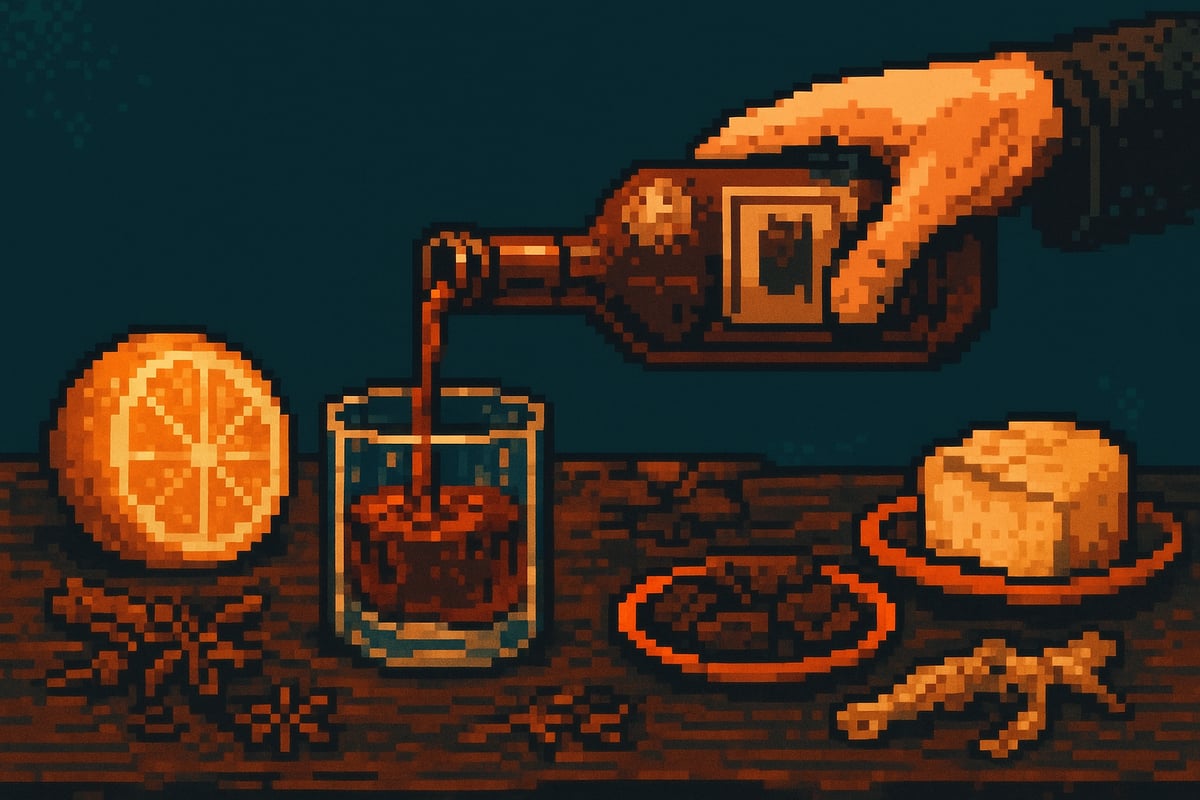
Amaro bitter is versatile: you can enjoy it on its own, but it can also be paired with surprising dishes and cocktails. Among the classics, dark chocolate enhances the bitter notes, while aged cheeses create a harmonious contrast. Dry sweets like biscotti and rustic biscuits are excellent companions for an aromatic amaro bitter.
In the world of mixology, amaro bitter is the star of cocktails like the Negroni, Americano, and Boulevardier. Italian bartenders also recommend experimenting with modern twists, perhaps adding unusual ingredients or pairing amaro with fresh fruit and spices. In 2025, amaro-based cocktails are expected to boom in top Italian bars, with a 15% increase over the previous year.
If you're looking for more ideas and recipes for using amaro in drinks, check out this collection of bitters and cocktails: ideas and recipes for inspiration and practical advice.
2026 trends also include innovative pairings: try amaro bitter with fusion dishes or fruit desserts for a truly unique experience. Experiment, have fun, and be amazed by the versatility of this iconic product.
The Best Italian and International Bitter Liqueurs of 2026
Are you ready to discover the true protagonists of amaro bitters in 2026? In this journey through historic labels, bold new releases, and international flavors, you'll find everything you need to choose your next favorite amaro bitter.

Top Italian Brands: History and Characteristics
When it comes to amaro bitters, Italy is home to some truly iconic brands. Brands like Montenegro, Ramazzotti, Averna, and Fernet-Branca have been staples in Italian homes and bars for decades. Each of these amaro bitters has a unique story:
Montenegro : Created in 1885, known for its complex aroma and secret recipe with over 40 botanicals.
Ramazzotti : Founded in 1815 in Milan, famous for its balance between sweetness and herbaceous notes.
Averna : Symbol of Sicily, with citrus aromas and a soft aftertaste.
Fernet-Branca : Intense bitter liqueur, rich in spices and roots, created in Milan in 1845.
In recent years, the rediscovery of artisanal amari has revitalized the market. Local distilleries are reinterpreting tradition, using regional ingredients and innovative techniques. Want to explore a selection of the best new releases and most interesting artisanal labels? Browse the Italian Artisanal Amari Collection to find inspiration and discover the trends that will dominate 2026.
Comparison table between some Italian bitter liqueurs:
Brand |
Region |
Distinctive Feature |
|---|---|---|
Montenegro |
Emilia-Romagna |
Aromatic balance |
Ramazzotti |
Lombardy |
Sweetness and versatility |
Averna |
Sicily |
Citrus fruits and warm spices |
Fernet Branca |
Lombardy |
Bitter and menthol notes |
Sales data confirm the trend: Italian bitters are increasingly popular abroad, with international awards and prizes attesting to their quality.
International Bitter Liqueurs: A Journey Through Flavors
Bitter liqueur isn't just Italian. Even abroad, we find labels that have conquered the palates of millions. Among the most famous are:
Jägermeister (Germany): Unmistakable for its notes of herbs and spices, used both neat and in cocktails.
Unicum (Hungary): With a strong and spicy flavour, perfect after a meal.
Underberg (Germany): Small format, ideal as a digestive.
Compared to Italian bitters, international ones often focus on different flavor profiles, using native ingredients and original recipes. However, Italian bitters remain a key player in foreign markets, with exports expected to grow between 2023 and 2025.
Have you ever tried a cocktail combining Italian and international amaros? The cross-fertilization of amaro schools is giving rise to new tasting experiences, making the world of amaro increasingly global and diverse.
News and Trends 2026: What to Expect
2026 promises to be a year of great innovation for bitters. Many distilleries are launching artisanal versions, focusing on local ingredients and sustainable processes. Among the strongest trends are:
Low-sugar or alcohol-free bitters for those seeking a lighter experience.
Innovative packaging, with attractive designs and eco-friendly materials.
Increasingly creative digital communication, with online events and virtual tastings.
Spirits startups are growing rapidly, bringing freshness and new ideas. Some bitters launched in 2025 have already received prestigious awards, and 2026 is expected to bring further surprises, both in Italy and internationally.
If you want to stay up-to-date on the latest releases, keep an eye on new labels and don't be afraid to experiment: maybe your next favorite bitter has yet to hit the market!
Where to Buy: Reliable Tips and Channels
Where can you find the best amaro bitters? You have several options, each with its own advantages:
Wine shops : Perfect for getting expert advice and discovering rare bottles.
Online : Wide selection, exclusive offers, and the convenience of having everything delivered to your home.
Distilleries : First-hand experience and the opportunity to taste before buying.
To recognize a reliable retailer, always check reviews and transparent product information. Specialized online shops are ideal for those seeking artisanal or collectible bitters.
Did you know that from 2020 to 2026, e-commerce for bitters grew by double digits? Today, you can truly journey through flavors without leaving home, exploring an endless selection of labels and new releases.
Amaro Bitter in the World of Cocktails: Recipes and Tips 2026
Have you ever thought about how crucial bitters are in creating the most iconic cocktails? Its role has grown over the years, winning over both professional bartenders and those who enjoy experimenting at home. In this section, you'll discover how bitters have become a cornerstone of mixology, which recipes you can't miss, and how to make your perfect cocktail.
History of Bitter in Mixology
Amaro bitter has ancient origins in the history of cocktails. As early as the 19th century, Italian bartenders used it to add character and complexity to drinks like the Negroni and the Americano. This tradition has evolved rapidly, leading amaro bitter to become a key ingredient in international mixology.
The first documented uses date back to the 1920s, when amaro bitter-based cocktails began to spread in European and American bars. Today, its use is synonymous with elegance and authenticity, so much so that Italian amaro bitter-based cocktails are considered a must-have around the world. Check out the menu of any cocktail bar: you'll find at least one creation featuring amaro bitter that tells the story of mixology.
Classic and Contemporary Recipes with Amaro Bitter
When it comes to cocktails, some recipes using amaro bitter have become true classics. The Negroni, for example, is born from the combination of gin, red vermouth, and amaro bitter, with a slice of orange as a garnish. The Americano, on the other hand, combines amaro bitter, red vermouth, and soda water, perfect as a light aperitif.
Here is a table summarizing some of the differences between classic and modern bitter-based cocktails:
Cocktail |
Style |
Key ingredients |
Garnish |
|---|---|---|---|
Negroni |
Classic |
Gin, vermouth, bitter amaro |
Orange |
Boulevardier |
Classic |
Whisky, vermouth, amaro bitters |
Orange zest |
Black Manhattan |
Modern |
Rye whiskey, bitter bitter |
Maraschino cherry |
Bitter Mule |
Modern |
Vodka, ginger beer, amaro bitters |
Lime |
In recent years, bartenders have experimented with creative variations, adding ingredients like exotic liqueurs, spice infusions, or artisanal Italian bitters. According to research on the Italian spirits industry , the demand for cocktails with amaro bitters grew by 20% between 2024 and 2026, a sign of an ever-growing desire for innovation and experimentation.
What tips do bartenders have for creating an unforgettable cocktail? Always choose a quality bitter, carefully balance sweetness and acidity, and don't neglect presentation: an original garnish can make all the difference!
Tips for Creating Your Perfect Cocktail
Want to try it at home? Start with your favorite bitters and build your drink around them. Remember: the secret is finding the right balance between bitterness, sweetness, and acidity. Use a measuring cup to precisely measure the ingredients, so you avoid common mistakes like a cocktail that's too strong or too sweet.
Here are some practical tips:
Choose the right glass to enhance the aromas and colors of the bitter amaro.
Try unusual garnishes like citrus peel, fresh herbs, or dark chocolate.
If you want to dare, pair the bitter amaro with less conventional spirits, such as mezcal or sake.
For home bartenders, experimentation is everything: write down your recipes, taste, and tweak until you find the perfect combination. And if you mess up, don't worry: even the best bartenders have had a few failed attempts! Amaro bitters are versatile; you can have fun changing every detail and creating your own signature.
Amaro Bitter: Health, Responsible Consumption, and Curiosities
Have you ever thought that behind a glass of amaro bitter lies a wealth of stories, benefits, and even some myths to debunk? In this section, I'll guide you through the most curious truths and best practices related to this iconic Italian liqueur.
Benefits and Myths about Amaro Bitter
Many associate bitter amaro with digestive properties, thanks to herbs like gentian, rhubarb, and bitter orange. But is it really beneficial after a meal? Indeed, some bitter substances stimulate digestion, but there are no miracles. Scientific research confirms that moderate consumption of bitter amaro can benefit gastric health, but it's important not to overdo it.
Beware of myths: amaro bitter is not a "universal cure" and is not a substitute for a balanced diet. In some regions of Italy, the use of amaro bitter is still practiced as a traditional remedy, but these are often more ritualistic than medically prescribed. Always remember to listen to your body and, if in doubt, seek expert advice.
In short, bitter amaro is a pleasure that can have small benefits, but it should be enjoyed with awareness.
Responsible Consumption and Regulations
Talking about amaro bitter also means talking about responsibility. In Italy, there are legal limits on the sale and consumption of alcohol: it is prohibited for minors under 18 and while driving. In recent years, numerous awareness campaigns have been launched to promote responsible consumption, both nationally and European-wide.
According to the latest statistics, the incidence of excessive alcohol consumption is decreasing, thanks in part to a greater focus on well-being. Want to learn more about the economic value and trends in the sector? You can consult this analysis of the Italian bitters market for up-to-date data and figures.
Remember: choosing a good bitter is also choosing to enjoy an experience, not excess. Drink slowly, savor every aroma, and enjoy the moment in company.
Curiosities and Anecdotes about Amaro Bitter
Did you know that the name Montenegro was chosen in honor of a princess? Or that Fernet, originally a digestive remedy, is now one of the most famous bitters in the world? Over time, the amaro has racked up records, such as the largest bottle ever produced, and has even inspired iconic scenes in film and literature.
There are passionate collectors who pursue rare labels and museums dedicated exclusively to bitters. A veritable universe of stories, bridging tradition and innovation, makes the world of bitters even more fascinating.
You've discovered how amaro bitter is a true treasure of Italian tradition, capable of surprising with its history, innovation, and unmistakable flavor. If this guide has made you want to savor the difference between authentic recipes and modern creations, why not experience the pleasure of a handcrafted amaro made with passion and care? At Mezzanotte, we select only quality ingredients, with respect for the environment and deep roots in our land. Take a look at our collection: you might find the perfect amaro for you!
Discover our bitters