

Do you want to discover everything about distilled gin? Its origins, the best brands and the trends of 2026 await you in this complete guide with practical advice for you
The Complete Guide to Distilled Gin: Discover Everything in 2026
Dec 27, 2025

In 2026, the world of gin is constantly evolving, but one thing remains certain: distilled gin remains a favorite among connoisseurs and the curious. Have you ever wondered what makes it so special compared to other gins? In this guide, you'll discover everything: from its fascinating origins to the differences between different types, from production secrets to the botanicals that make all the difference. You'll discover the best brands, the latest trends, and plenty of practical tips for choosing and enjoying your favorite. Get ready to explore the spirit that captivates bartenders and enthusiasts around the world!
What is Distilled Gin: Definition, Characteristics, and Differences
Have you ever heard of distilled gin and wondered what makes it so special compared to other gins? The term is often seen on cocktail menus or the labels of the most sought-after bottles, but its true nature remains shrouded in mystery for many enthusiasts.
Official and regulatory definition
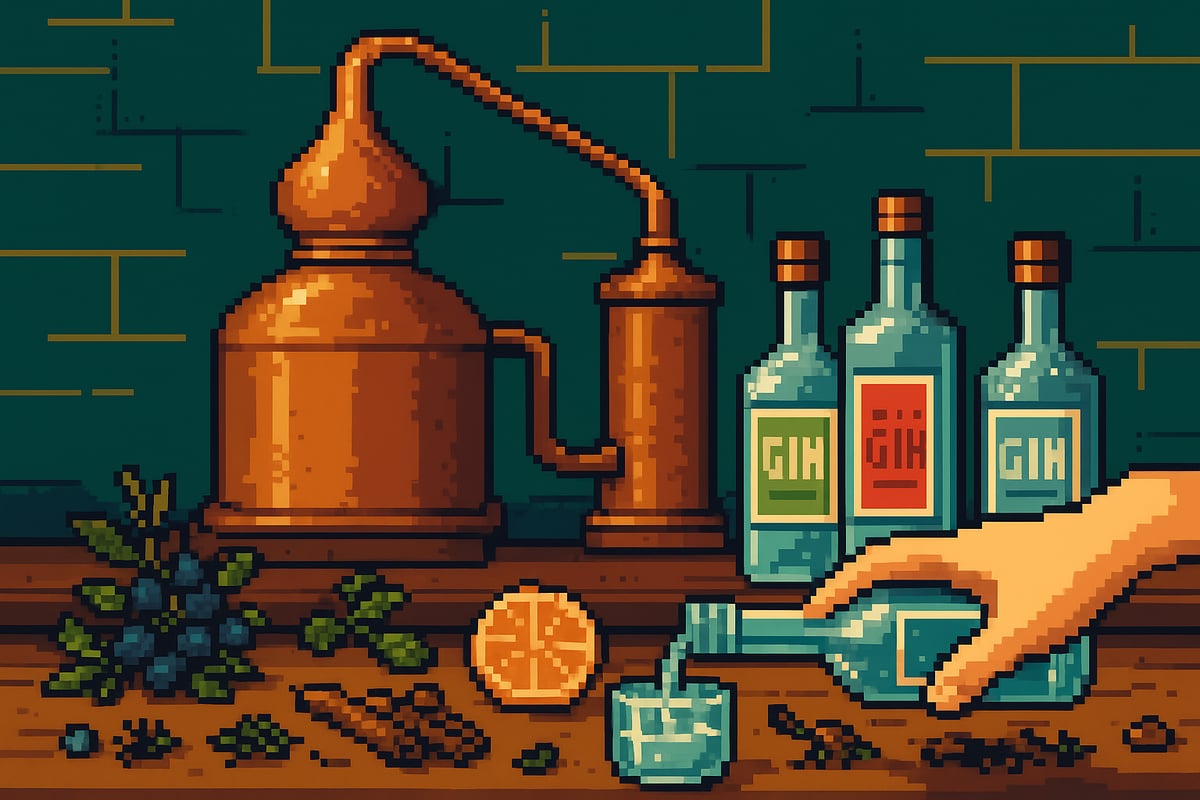
Let's start with the basics: distilled gin, according to EU regulations, is a spirit drink obtained by distilling agricultural ethyl alcohol with juniper berries and other botanicals. This process ensures that the aromas are integrated into the very structure of the distillate, resulting in a rich and complex flavor profile.
In 2025, the European Court of Justice reaffirmed that only products that comply with this procedure can be called gin, thus excluding non-alcoholic versions from the official designation. If you'd like to delve deeper into the legislation and understand why this distinction is so important, you can read the EU Court's legal definition of gin .
This regulation clearly distinguishes distilled spirits from other types and strengthens their international identity.
Differences between Distilled, London Dry, and Compound Gin
Not all gins are created equal. Have you ever wondered what the real difference is between a distilled gin and a London Dry gin? And where does compound gin fit in?
Here is a table to clarify the main differences:
Type of Gin |
Production method |
Adding flavors after distillation |
Aromatic purity |
|---|---|---|---|
Distilled Gin |
Distillation with botanicals |
Yes, possible |
Rich, variable |
London Dry Gin |
Distillation with botanicals |
No |
Very clean |
Compound Gin |
Mixing without distillation |
Yes |
Simpler |
Distilled gin allows for greater creativity, even with post-distillation additions. London Dry Gin, on the other hand, follows stricter rules, with no flavorings added after distillation. Finally, compound gin obtains its flavors simply by mixing essences and alcohol, often resulting in a less refined taste.
Organoleptic characteristics and role of botanicals
What really distinguishes a good distillate when you bring it to your nose or taste it? Here are its typical characteristics:
Aromatic profile: Complex, thanks to the distillation of the botanicals together with the base alcohol.
Clarity: Always crystalline, transparent and brilliant.
Alcohol content: Usually between 37.5% and 47% vol, but can vary depending on the producer.
Botanicals play a key role in the distillate's character. Beyond juniper, imagine citrus peels, spicy roots, flowers, and rare spices blending in a unique balance. This richness of ingredients makes each distilled gin unique, almost as if each bottle tells its own story.
Examples of famous distilled gins and market data
On the global scene, some distillates have left an indelible mark for their style and innovation. Consider Tanqueray, which often adds botanicals after distillation for a more intense profile, or Bombay Sapphire, known for its clarity and balanced aromas.
The distilled gin market is expected to grow significantly in 2025 and 2026. Data shows a growing preference for gins with distinctive character, with consumers increasingly attentive to the quality of botanicals and the product's history. The segment has seen double-digit growth, driven by a passion for mixology and the pursuit of new experiences.
Versatility, appreciation and historical origins
Why is distilled spirits so beloved by bartenders around the world? The answer lies in their versatility. Thanks to their aromatic richness and clean structure, they lend themselves to both classic cocktails and innovative creations.
Its origins lie in Holland and England, where juniper distillation was used as a medicinal remedy before becoming a cultural and social phenomenon. Today, gin represents a perfect blend of tradition and modernity, ready to win over new enthusiasts in 2026.
The History and Evolution of Distilled Gin: From Its Origins to 2026
Discovering the history of distilled gin is like taking a journey through stills, ancient workshops, and taste revolutions. Have you ever wondered how this drink went from medicinal remedy to icon of the coolest cocktail bars? Get ready, because the past and future of distilled gin are full of surprises.
The historical roots of distilled gin
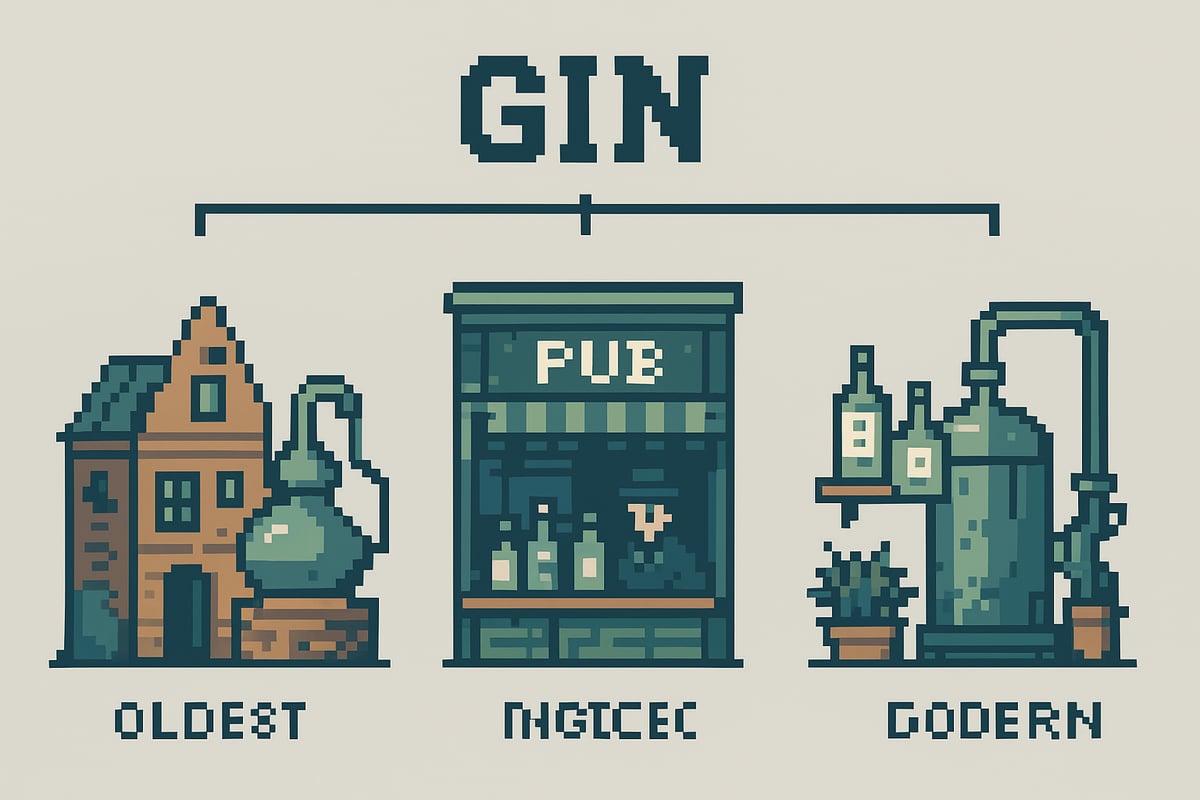
Gin's journey began between Holland and England in the 17th century. There, Dutch genever, a juniper-based spirit, was adopted by the English, who made it their specialty. Distillation rapidly improved between the 18th and 19th centuries, when stills became more efficient and processes more controlled.
In London's first distilleries, distilled gin transformed from a medical remedy to a popular drink, conquering pubs and the nobility. Figures like Charles Tanqueray and Alexander Gordon left their mark on history, founding brands that are still renowned today. Some historic gins, such as Plymouth and Beefeater, have been produced for centuries with virtually unchanged recipes.
Distilled gin isn't just tradition, but a symbol of ongoing evolution. Want to delve deeper into these origins? Check out this overview of gin's history and curiosities to discover fascinating details.
The modern evolution of Distilled Gin
Gin has undergone a true revolution in recent decades. Since the mid-2000s, distilleries have begun experimenting with new techniques: vacuum distillation, infusions of rare botanicals, and small artisanal batches. The craft gin boom, which began in the United Kingdom, has spread to Italy and the rest of Europe.
Mixology has played a key role: bartenders have requested increasingly complex distilled gins, leading producers to create original flavor profiles. Between 2020 and 2026, global consumption data speaks clearly: demand for distilled spirits has grown, with particular attention paid to quality, transparency, and the origin of botanicals.
In Italy, artisanal distilled gin has become the centerpiece of fairs and events. Italian gins, often made with local botanicals such as Sicilian citrus fruits or Alpine herbs, are popular both at home and abroad. Today, distilled gin embodies the perfect combination of tradition and innovation, adapting to new trends and the needs of discerning consumers.
Trends and prospects for 2026
Looking to the future, distilled gin displays surprising vitality. Distilleries are experimenting with new botanicals: rare flowers, algae, and exotic spices enrich the aromatic profiles. Sustainability is a priority, with attention to recycled packaging, short supply chains, and the use of renewable energy.
A rapidly growing trend is that of low-alcohol and non-alcoholic distilled gins, designed for those who want a lighter experience without sacrificing flavor. Social media and online communities play a central role in spreading innovation and shaping new trends.
The forecast for 2026 is positive: the distilled gin segment is set to grow, driven by consumer curiosity and producer creativity. Are you ready to discover the next revolutions in the world of gin?
How to Make Distilled Gin: Processes, Botanicals, and Innovation
Have you ever thought about how much care and creativity goes into every bottle of distilled gin? This journey into the heart of production will reveal every detail, from the raw materials to the latest frontiers of innovation. Get ready to see gin with new eyes!
The production phases step by step
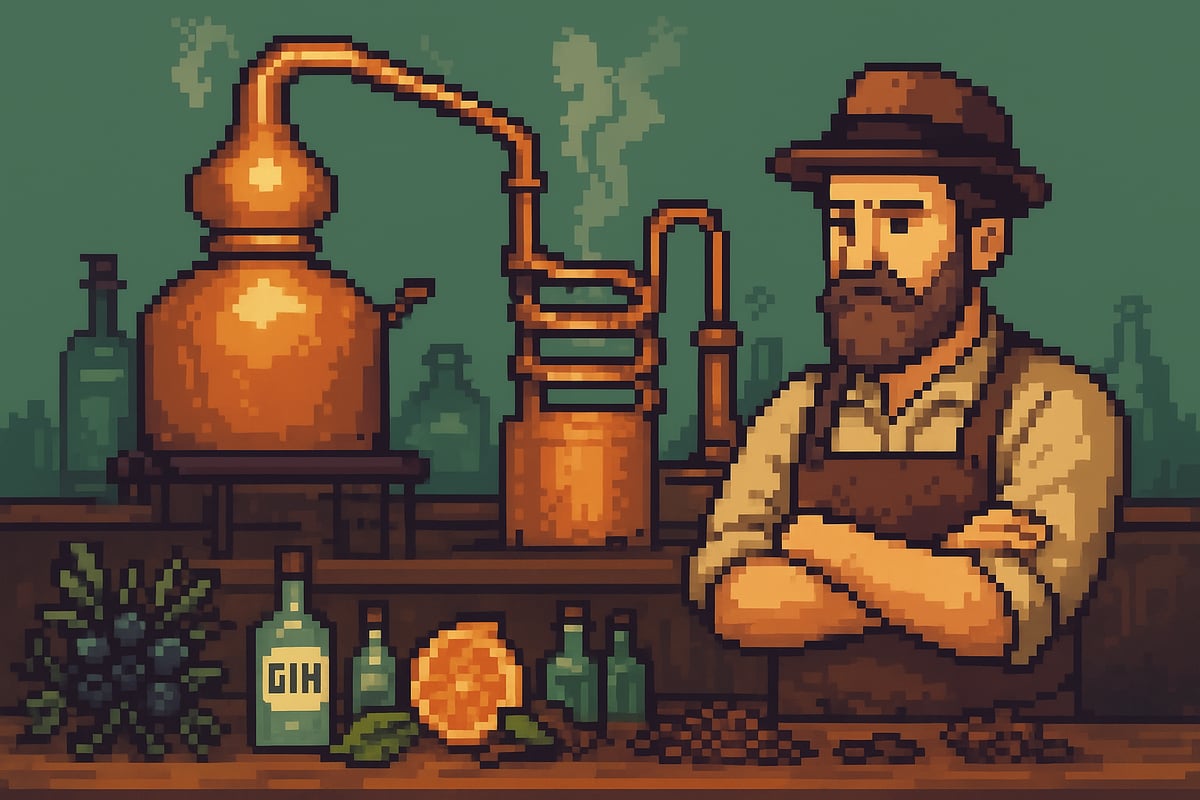
Gin production is a true art, involving precise steps and a great deal of passion. It all starts with choosing the base alcohol, usually neutral and high-quality, often derived from grains or beets. This choice significantly influences the gin's final profile.
Next comes the botanical selection. Juniper is the undisputed star, but citrus, spices, roots, and aromatic herbs are also included. The botanicals are carefully weighed, based on the recipe each distillery jealously guards.
The process continues with maceration: the botanicals are steeped in alcohol for several hours or days, releasing aromas and essential oils. Sometimes cold or hot infusion techniques are used to extract different scents.
The heart of distilled gin production is distillation in a still. Here, the mixture is slowly heated. Distillers collect only the central part, known as the "heart," discarding the heads and tails. This ensures a pure and aromatic distilled gin.
After distillation, a gentle filtering process may be performed, and only in some cases, natural flavors are added for a finishing touch. Bottling takes place after careful quality control to ensure each distilled gin lives up to expectations.
Have you ever wondered why some distillates are smoother or more intense? Often, it's the care taken during these stages, combined with the choice of botanicals, that makes the difference.
Classic botanicals and new trends
Juniper is the heart of every distilled gin, but the real secret lies in the variety of botanicals you can add. Citrus fruits like lemon, orange, and grapefruit add freshness, while roots like angelica and iris add depth. Spices like cardamom and coriander bring warmth and complexity.
In recent years, the search for new flavors has led distilleries to experiment with novel ingredients: rare flowers, seaweed, native Italian plants, and even previously unused exotic botanicals. This rush for innovation has revolutionized the world of distilled spirits, making every bottle a unique experience.
Here is a comparison table between classic botanicals and new trends:
Classical Botany |
New Trends 2026 |
|---|---|
Juniper |
Algae, tropical flowers |
Angelica |
Rare berries |
Coriander |
Local native plants |
Lemon, orange |
Exotic fruits |
Cardamom |
Italian wild herbs |
The use of local botanicals is one of the strongest trends for 2026, with many Italian distilled gins showcasing the aromas of the region. If you'd like to learn more about the differences between craft gins and understand how botanicals influence a gin's value, discover this in-depth article on the differences between craft gins .
You might be surprised to learn that statistics show a growing preference for gins with unusual ingredients, especially among young enthusiasts.
Innovation and sustainability in distillation
In the world of distilled gin, innovation and sustainability now go hand in hand. Distilleries are adopting advanced techniques like vacuum distillation, which allows for the extraction of delicate aromas at low temperatures, preserving the freshness of the botanicals. Others are focusing on fractional distillation, to separate and enhance each individual aroma.
Environmental awareness is also key. More and more producers are choosing energy from renewable sources and reducing their environmental impact by using recycled or eco-friendly packaging. Some distilleries are becoming true examples of the circular economy, reusing botanical waste in the agricultural or cosmetics supply chain.
Want a concrete example? Several Italian companies have obtained "green" certifications, attracting increasingly sustainability-conscious consumers. Data from 2025 and 2026 confirm that choosing an "ethically" distilled gin is among the fastest-growing purchasing criteria.
This evolution concerns not only the environment, but also taste: innovative techniques allow us to create distillates with an extraordinary aromatic profile, in line with the demands of an increasingly curious and demanding public.
The Best Distilled Gins of 2026: Selection and Reviews
Are you ready to discover the best distilled gins of 2026? I'll guide you through Italian and international excellences, helping you choose the perfect gin for every occasion. You'll be amazed by the diversity of this world, with its unique flavor profiles, fascinating stories, and new trends that are redefining the way we experience gin.
Distilled Italian Gins of Excellence
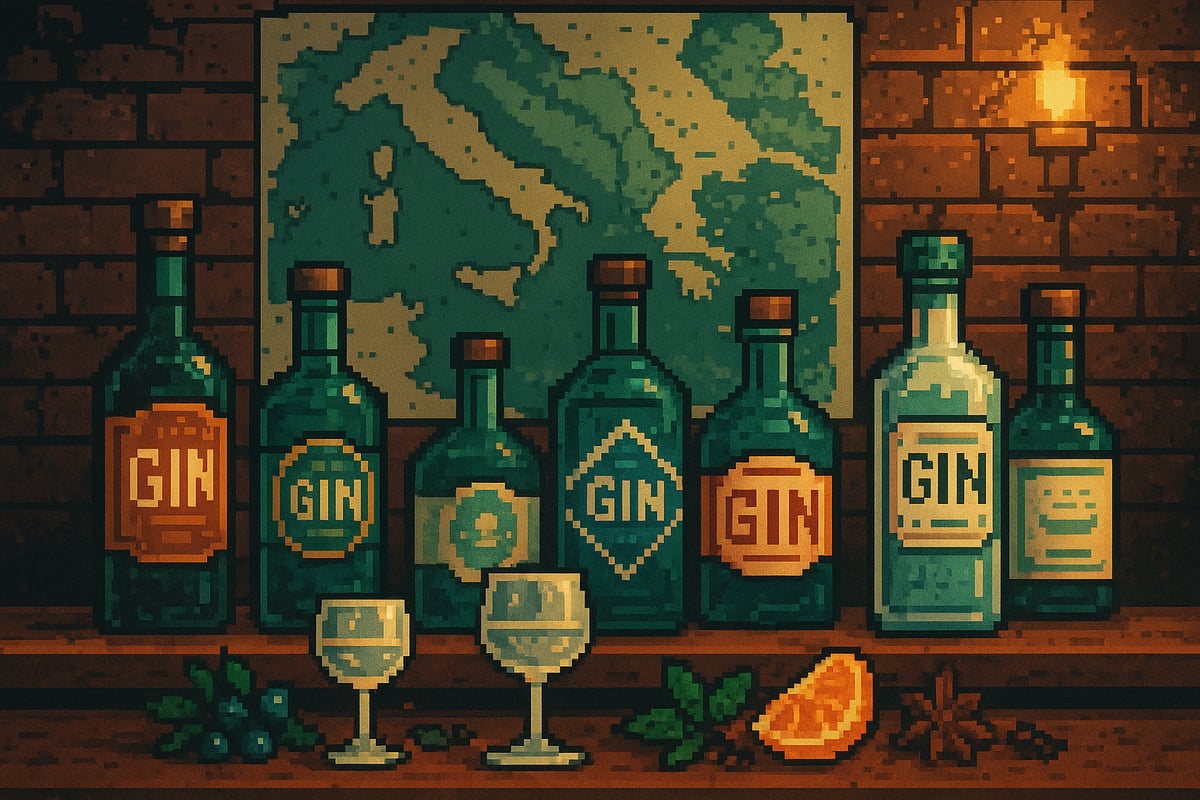
When it comes to Italian distilled gins, 2026 is a golden year. Artisan distilleries have garnered recognition both in Italy and abroad, bringing to market labels that reflect their regions and traditions. From the Alpine freshness of Piedmont to the Mediterranean aromas of Sicily, each region offers spirits with a unique character.
Here are some of the most prolific areas:
Piedmont: aromatic gins with mountain botanicals.
Tuscany: elegant spirits with hints of herbs and flowers.
Brands: Spicy and citrusy gins, often awarded for their innovation.
Sicily: intense aromas of native citrus fruits and rare spices.
Among the most awarded distilled gins are labels like "Gin del Professore," "Malfy Gin," and "VII Hills," each with a distinctive flavor profile. Many of these brands emphasize local botanicals such as blood orange, olive, myrtle, and wildflowers, offering unique sensory experiences.
The market confirms growth: according to updated data, distilled gin consumption in Italy has increased by 25% in five years, with particularly strong demand for artisanal gins. If you'd like to explore an updated selection of the best Italian products, you can browse this selection of Italian artisanal gins for inspiration and to learn more about the most interesting new releases.
This attention to origins and quality makes Italian gin a prime choice both in cocktail bars and for tastings.
International Distilled Gins Not to Be Missed
The international distilled spirits scene in 2026 is equally vibrant. Great British classics like Tanqueray , Bombay Sapphire , and Beefeater remain benchmarks, each with a strong identity: Tanqueray for its dryness and cleanliness, Bombay Sapphire for its complex aromatic bouquet, and Beefeater for its perfect balance of citrus and juniper.
But don't stop there: Spain stands out with fresh, Mediterranean gins, France with floral and refined spirits, Germany with innovative, balsamic gins. Japan captivates with exotic botanicals like yuzu and sakura, while Australia and the United States offer increasingly sophisticated limited editions, often inspired by local biodiversity.
Here is a table summarizing some of the differences between the main international distilled gins:
Village |
Top Brand Example |
Aromatic Profile |
Trend 2026 |
|---|---|---|---|
UK |
Tanqueray, Beefeater |
Classic, dry |
Heritage Limited Editions |
Spain |
Gin Mare |
Mediterranean, olive, thyme |
Local botanicals |
France |
Citadels |
Floral, elegant |
Gourmet collaborations |
Germany |
Monkey 47 |
Balsamic, spicy |
Botanical experiments |
Japan |
Roku Gin |
Yuzu, sakura, green tea |
Oriental fusion gin |
Distilled gin exports are constantly growing, with an ever-increasing presence in the world's finest bars. If you love experimenting, look for special editions born from collaborations between distilleries and chefs, or barrel-aged gins that captivate with their complexity and depth.
How to Choose the Perfect Distilled Gin for You
Finding the right distilled gin for you can seem daunting, but with a few tricks, it becomes an exciting journey. Start by carefully reading the label: look for the words "distilled gin," check the alcohol content (the best ones are between 40% and 47%), and check the list of botanicals.
If you're new to gins, focus on gins with clear flavor profiles, such as those dominated by citrus or juniper. If you're a seasoned enthusiast, explore complex gins with unusual botanicals like rare flowers, seaweed, or exotic spices.
Here are some practical tips:
Taste different pure distillates, using a balloon glass to capture every nuance.
Take part in guided tastings or masterclasses to train your palate.
Check out reviews from online communities and compare your impressions.
Try food pairings: a citrusy gin pairs well with raw fish, while a spicy one enhances aged cheeses.
Remember, there's no one way to enjoy distilled gin: let your curiosity and personal taste guide you. Each bottle can open the doors to a new world waiting to be explored.
Tasting, Pairings, and Mixology: How to Enjoy Distilled Gin
Discovering the world of gin is like embarking on a sensory journey, where every sip tells a unique story. Whether you're a curious novice or a seasoned enthusiast, tasting, pairing, and mixing distilled gin can be an unforgettable experience. In this section, I'll walk you step by step through professional techniques, surprising food pairings, and all the latest mixology innovations for 2026.
Professional tasting techniques
Tasting distilled gin isn't just a ritual, but a true exploration of the senses. Start by choosing the right glass: a balloon glass or a low tumbler are perfect for enhancing the aromas. Pour the gin at room temperature to appreciate every nuance of the aroma.
Bring your nose close to the glass without swirling it too much: look for notes of juniper, citrus, and spice. In the mouth, let the gin slowly unfold, evaluating its body, freshness, and persistence. Don't rush; take your time to recognize each botanical.
Avoid common mistakes, such as adding too much ice or tasting after a heavy meal. Attend masterclasses or guided tastings: these are golden opportunities to hone your technique, discover new brands, and connect with other enthusiasts. By training your palate, each gin will reveal a unique profile.
Food pairings and innovative pairings
Pairing with gin is one of the hottest trends of 2026. Want to wow your guests? Start with raw or smoked fish dishes, which enhance the fresh, citrusy notes of distilled gin. Soft cheeses, such as goat or blue cheeses, create an elegant contrast with the spicy nuances.
Don't limit yourself to the classics: experiment with dark chocolate, red fruits, or fusion dishes, perhaps sushi or ceviche. Spices, such as pink peppercorn or cardamom, can also enhance the aromatic complexity of gin.
In Italy's finest restaurants and gin bars, pairing menus have become a must. Following the latest trends, there's a growing interest in unusual pairings that showcase the most unique botanicals. The key is to let your curiosity and desire to experiment guide you.
Distilled Gin in Mixology: Iconic Cocktails and New Trends
Mixology is the gateway to a creative universe, where distilled spirits take center stage in classic and innovative cocktails. You can't go wrong with a Gin and Tonic: choose a neutral tonic to enhance the character of your distilled gin, add a citrus zest or a few juniper berries as a garnish.
If you're looking for something bolder, try the Negroni or Martini: here, the gin must be bold and aromatic. In 2026, bartenders are experimenting with exotic ingredients, infusions of local herbs, and alternative garnishes like edible flowers or seaweed.
For those who want to try their hand at home, tasting kits and mixology boxes are available, perfect for discovering new blends. Don't forget to check out Gin Cocktail Recipes for inspiration and follow the latest mixology trends with your favorite gin.
Statistics confirm: gin consumption in Italian and international cocktail bars continues to grow, driven by the desire for innovation and customization. Every drink is an opportunity to tell your own story, guided by taste and imagination.
FAQs and Common Questions About Distilled Gin
Have any questions about distilled gin? Here's a collection of the most frequently asked questions we receive from enthusiasts, bartenders, and the curious, updated to 2026 trends. You'll discover simple and practical answers to better understand this category, best preserve your bottle, and recognize a quality product.
What is the difference between distilled gin and London Dry Gin?
The main difference lies in the production process. Distilled gin is created by distilling juniper in neutral alcohol, but may include the addition of natural flavors (even after distillation). London Dry Gin, on the other hand, does not allow additions after distillation and follows stricter rules. In short, every London Dry Gin is a distilled gin, but not all distilled gins are London Dry.
Is distilled gin always clear?
No, although most distilled gins are clear and crystalline, there are versions with infusions or added flavorings that can slightly alter the color, making it cloudy or with unusual hues. However, in most cases, distilled gin remains clear to enhance its aromatic notes.
How do you store distilled gin to preserve its aroma and flavor?
Store distilled gin in a cool place, away from light and heat. After opening, close the bottle tightly to prevent oxidation. Refrigeration is not necessary, but avoid sudden changes in temperature. A little tip: use bottles with screw caps or pourers to limit contact with air.
Are there non-alcoholic or low-alcohol distilled gins?
Yes, in recent years, low-alcohol and even non-alcoholic versions of distilled gin have emerged. These alternatives are growing in popularity, especially among those seeking a taste experience without excess. If you'd like to learn more about this phenomenon, I recommend reading this in-depth article on mixology innovations and low-alcohol trends .
How long does an opened bottle of distilled gin last?
A bottle of distilled gin, if properly closed and stored, retains its characteristics for many months, even over a year. However, after about 12-18 months from opening, some aromatic notes may fade. To fully enjoy every nuance, I recommend consuming it within this period.
Does distilled gin expire?
Gin, like most spirits, doesn't have a specific shelf life. However, once opened, prolonged contact with air can cause its aromas and flavors to lose their intensity. If the bottle is closed and stored properly, the product remains stable for years.
What are the signs of a quality gin?
Here are some signs to recognize a quality distilled gin:
Fresh and complex aroma, without hints of aggressive alcohol
Balanced taste between juniper and botanicals
Visual clarity
Aromatic persistence even after tasting
Always consult labels and reviews, especially if you want to experiment with new or artisanal products.
What are the most frequently asked questions from communities and social media in 2025-2026?
The most popular questions concern choosing the right gin for your taste, food and cocktail pairings, the differences between Italian and international gins, and curiosities about the most innovative botanicals. Many also ask for advice on guided tastings and masterclasses to discover all the secrets of distilled gin.
Glossary and Useful Resources for Further Study
If you want to become a true distilled gin enthusiast, having a glossary and reliable resources at your fingertips is essential. Here you'll find a selection of key terms, books, websites, and communities to delve deeper into every aspect of this world.
Essential glossary of distilled gin:
Distillation : the process of separating alcohol through heating and condensation.
-
Botanicals : Plant ingredients used to flavor distilled gin, such as juniper, citrus, spices.
Alembic : apparatus used for distillation.
Heads & Tails : The initial and final fractions of distillation, often discarded to preserve quality.
Maceration : immersion of botanicals in alcohol to extract aromas.
Recommended books on distilled gin:
“Gin: The Manual” by Dave Broom, perfect for discovering styles and pairings.
“The Drunken Botanist” by Amy Stewart, ideal for learning more about botany.
“Gin Tonica” by Miguel Ángel Palomo, for those who love mixology with gin.
Industry websites and portals:
-
The Federvini 2024 Spirits Market Report offers updated data and analysis on distilled gin trends in Italy.
Portals like GinFoundry and TheGinGuild for guides, reviews, and international news.
Community and forums to follow:
Facebook groups like “Gin Italiani” and “Gin Lovers Italia” for exchanging tips and tastings.
International forums on Reddit (r/gin) to interact with enthusiasts from all over the world.
Events, fairs, and masterclasses 2026:
Gin Day Milano: an annual event to discover new distilled gins.
Florence Cocktail Week: workshops and tastings dedicated to gin.
Online masterclasses on platforms like Eventbrite and craft distillery websites.
With these resources, you'll always have new ideas for exploring the world of distilled gin and staying up-to-date on the latest news.
You've just discovered how fascinating the world of distilled gin is, and perhaps you're wondering what flavors you could actually savor after reading all these curiosities and tips. I totally understand. If you want to move from theory to practice and try artisanal gins that tell a truly Italian story, why not take a look at our selection of labels born from a passion for creativity and tradition? I bet you'll find something that will spark your desire to explore new aromas and pairings. Discover our collection here now:
Discover our Gins