

Discover everything about gin and tonic with the definitive guide 2026 Preparation history pairings and trends to create the perfect gin and tonic at home or at the bar
The Ultimate Guide to Gin and Tonic: Everything You Need to Know
Dec 17, 2025

The Ultimate Guide to Gin and Tonic: Everything You Need to Know
Discover why gin and tonic is the cocktail that's taking over 2026, with record-breaking consumption growth in Italy's finest bars. This drink blends innovation and tradition, becoming a symbol of conviviality and modern style.
In this definitive guide, you'll find everything you need to prepare, choose, and enjoy the perfect gin and tonic, both at home and in the bar. We'll explore its fascinating history, the types of gin and tonic, the steps for flawless preparation, the best pairings, and the latest trends.
Let expert advice guide you, discover the trends revolutionizing aperitivo, and transform every moment into a unique experience. Are you ready to embrace the future of gin and tonic?
Origins and Evolution of Gin and Tonic
Gin and tonic, today celebrated as a symbol of elegance and conviviality, has its roots in a fascinating history that intertwines science, culture, and innovation. Retracing its steps helps us understand why this cocktail has become an undisputed protagonist of contemporary mixology.
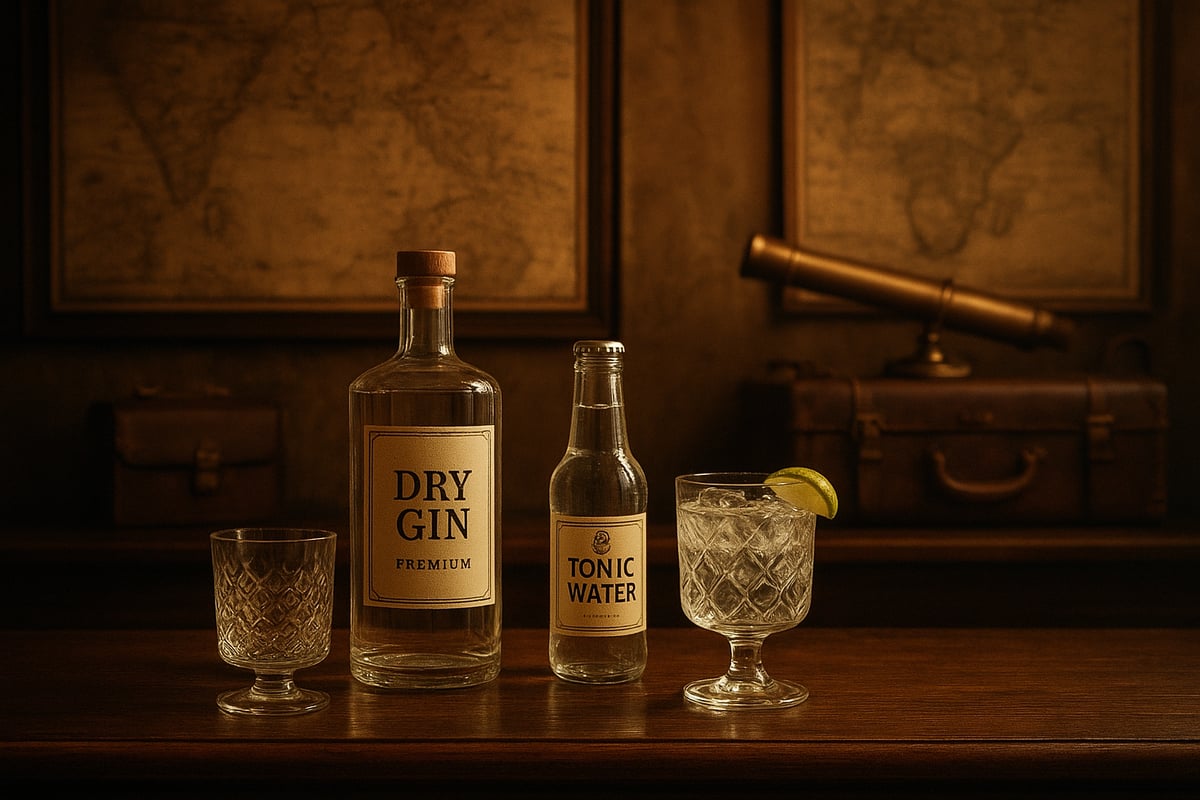
The historical roots of Gin and Tonic
The origins of gin and tonic date back to the British colonial period, when army officers stationed in India used quinine, dissolved in water, to prevent malaria. The bitter taste of the medicinal tonic was "sweetened" by adding gin, creating a drink as useful as it is tasty.
Within a few decades, gin and tonic spread rapidly across Europe, transforming from a medical remedy to a refined aperitif cocktail. The first documented recipes demonstrate the influence of British customs and the encounter with local cultures, enriching the drink with new nuances. For those who wish to delve deeper into these aspects, a detailed overview is available in History and Curiosities of Gin .
Evolution of Gin and Tonic over time
Gin and tonic has evolved significantly over time. Initially, the gins used were often sweet and lackluster, but with the advent of London Dry gins, the aromatic profile became cleaner and richer in botanicals.
The taste of gin and tonic has evolved with trends: from classic and simple versions to modern variations with innovative ingredients. Italian bars, especially in recent years, have helped redefine the international scene, offering creative interpretations and showcasing local products.
Gin and Tonic Today: Facts and Popularity
Gin and tonic is currently among the most popular cocktails in Italy and around the world. According to Assodistil, gin consumption in Italy is expected to increase by 12% in 2025, confirming the continued growth of interest in this spirit.
Gin and tonic's presence in top cocktail bars, festivals, and international competitions has cemented its role as a lifestyle icon. The drink is chosen for its versatility, customizability, and ability to adapt to any social occasion.
Emerging trends for 2026
Looking to the future, gin and tonic is preparing for a new era of innovation. There's growing interest in artisanal gins, made with local botanicals and sustainable methods, which give each cocktail a unique personality.
New mixing and presentation techniques, such as the use of innovative garnishes and a focus on ingredient traceability, are redefining the sensory experience of gin and tonic. Finally, sustainability is becoming an essential value for consumers and producers, guiding choices in 2026.
Key Ingredients: Gin, Tonic and Botanicals
The choice of ingredients is at the heart of every quality gin and tonic. Understanding the different types of gin, the characteristics of tonic waters, and the role of botanicals allows you to create a consistently balanced and distinctive cocktail. Each element contributes to the aromatic profile and complexity of the gin and tonic, making every tasting unique.
Types of Gin: Dry, London Dry and Distilled
Gin and tonic is born from the careful selection of gin types. The main categories are: Dry Gin, known for its dryness and aromatic clarity; London Dry Gin, distinguished by its purity and lack of added sugar; and Distilled Gin, smoother and sometimes enriched with natural flavors after distillation.
Here is a comparison table:
| Gin Type | Main features | Award-winning examples |
|---|---|---|
| Dry Gin | Dry, balanced, clean | Gin Mare, Malfy Gin |
| London Dry Gin | Classic, intense, sugar-free | Tanqueray, Sipsmith |
| Distilled Gin | Aromatic, versatile | Sabatini Gin, Hendrick's |
Italian gins are gaining international prestige thanks to the creativity of their botanicals and their artisanal care. For those who want to explore a selection of excellent labels to use in their dry gin and tonic, you can consult the Artisan Gin Collection .
The Role of Tonic Water: How to Choose the Best One
Tonic water is an essential ingredient for gin and tonic, as it profoundly influences the final flavor. There are classic, aromatic, Mediterranean, and light variations, each with a different profile. The carbonation must be lively to maintain freshness, while the balance between sweetness and bitterness is crucial.
When choosing the ideal tonic for gin and tonic, you need to consider:
- The sugar level (lower for a dry cocktail)
- The presence of aromatic notes (flowers, citrus fruits, spices)
- Leading brands such as Fever-Tree, Schweppes, J.Gasco and Italian artisanal alternatives
A good gin and tonic pairing enhances the botanicals, enhancing the drink's complexity and making the gin and tonic perfect for any occasion.
Botanicals and Flavors: What Makes a Gin and Tonic Unique
The aromatic heart of a gin and tonic is juniper (Juniperus Communis), which should always be prominent. Additional botanicals, such as citrus peel, roots, spices, flowers, and herbs, create endless flavor nuances. Popular combinations include:
- Italian citrus fruits (lemon, orange, pink grapefruit)
- Spices (coriander, pink pepper, cardamom)
- Fresh herbs (rosemary, basil, sage)
The choice of botanicals must respect the profile of the selected gin and the tonic water used, so as to obtain a harmonious and surprising gin and tonic.
Ice, garnish and details that make the difference
Ice also plays a fundamental role in making a gin and tonic. Large blocks or crystalline cubes slow the dilution and maintain the ideal temperature. The choice of garnish, or aromatic decoration, contributes to both the visual appearance and the olfactory experience.
Some garnish ideas for gin and tonic:
- Lime or lemon for a fresh touch
- Pink pepper or juniper berries for spicy notes
- Rosemary, thyme, or lavender for a herbaceous profile
Attention to these details transforms the gin and tonic into a true mixology masterpiece.
Mezzanotte Distillery & Spirits: Italian Excellence in Artisan Gin
Mezzanotte Distilleria & Spirits represents Italian excellence in the world of artisanal gin, offering products that elevate every gin and tonic. Their focus on creative botanicals, such as Sicilian citrus fruits and rare spices, is combined with a philosophy of environmental sustainability.

One of the flagship products is a dry gin with a fresh aromatic profile, featuring notes of juniper, orange zest, and black pepper, ideal for those seeking an intense sensory experience. Choosing a craft gin like Mezzanotte means enhancing your gin and tonic, bringing the passion and innovation of Italian distillation to the glass.
How to Make the Perfect Gin and Tonic: A Step-by-Step Guide
Making the perfect gin and tonic is an art that begins with choosing the right tools, continues with attention to detail, and ends with a thoughtful tasting. In this guide, we break down each step, from the essentials to the pros' techniques, to help you achieve excellent results both at home and in the bar.
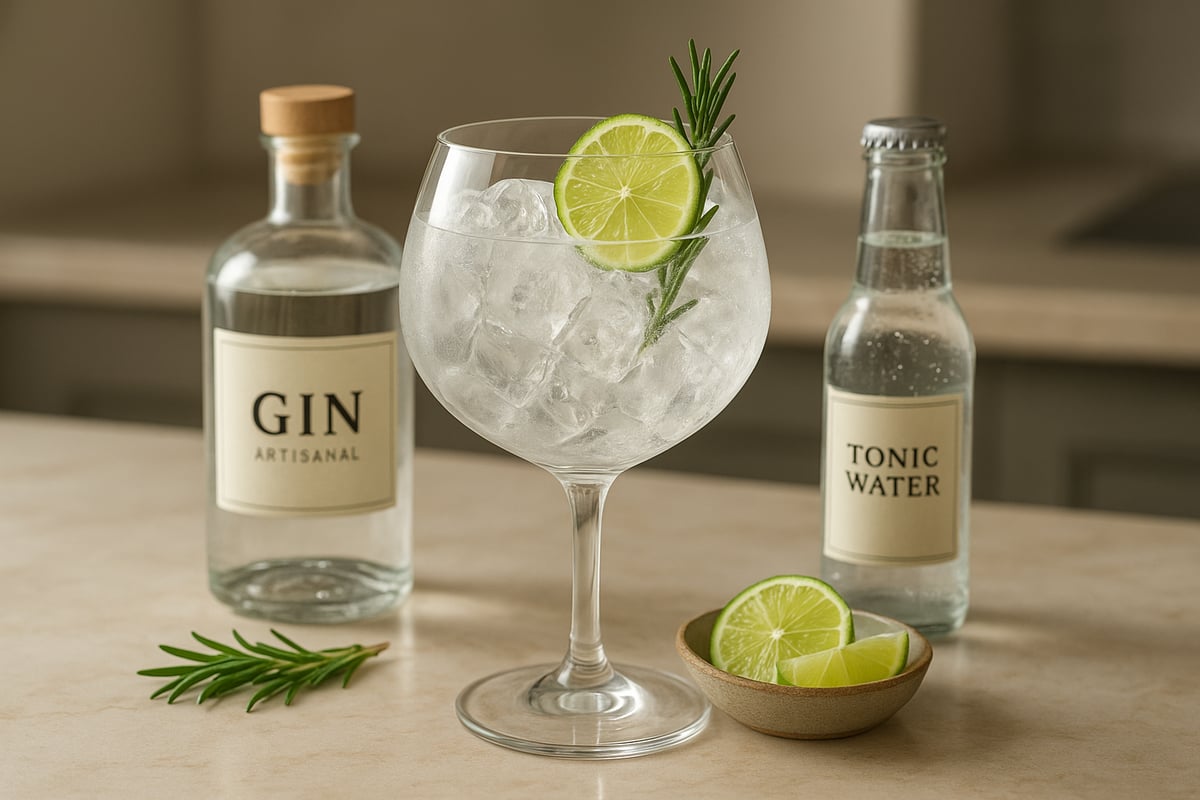
Step 1: Choosing the right glass
The first step to a flawless gin and tonic is choosing the right glass. The most popular are the balloon, highball, and copa de balon. The balloon, thanks to its large surface area, enhances the aromas and maintains the ideal temperature. The highball is perfect for a cooler, lighter experience, while the copa offers a spectacular visual experience.
The choice of glass directly impacts the aromatic perception of the gin and tonic. A wide glass allows the botanicals to unfold, while a sturdy base maintains freshness longer. Remember that the eye also wants its part: presenting the gin and tonic in an elegant glass helps make the moment even more special.
Step 2: Ideal gin and tonic dosage
Dosage is key to enhancing a gin and tonic. The classic ratio is 1 part gin to 3 parts tonic, but many prefer the 1:2 version for a more intense drink. Modern variations also suggest 1:2.5, depending on the gin chosen and the tonic used.
| Proportion | Result in Taste |
|---|---|
| 1:3 | Balanced, fresh |
| 1:2 | Drier, more aromatic |
| 1:2.5 | Balanced, versatile |
If you don't have professional tools, you can measure out the gin with a simple shot glass or espresso cup (about 30 ml per serving). Always choose quality gin: a conscious choice, as illustrated in the Artisan Gin Price Guide , guarantees a superior gin and tonic even with the simplest doses.
Step 3: Ice preparation and cooling
Ice is often overlooked, but it makes all the difference in a gin and tonic. Use large, compact cubes: they melt slowly and keep the drink chilled without watering it down. Filling the glass to the brim is the key to maintaining a consistent temperature.
Before pouring the ingredients, chill the glass with ice and swirl gently. Discard any excess water to avoid diluting the gin and tonic. Avoid crushed ice, which melts too quickly and alters the structure of the drink.
Step 4: Pour in the gin and add the tonic
A few small precautions and a little technique in the preparation will make the difference between a mediocre gin and tonic and an excellent one. Pour the gin first, letting it flow over the ice cubes to chill it immediately. Only then add the tonic, sliding it slowly over the rim of the glass to preserve the effervescence.
The order of the ingredients maintains clarity and freshness. Don't stir vigorously: a gentle swirl is enough to blend the gin and tonic without losing the gin and tonic's liveliness.
Step 5: Garnish and customization
Customizing your gin and tonic with the right garnish is key to enhancing its flavors. Choose a garnish that complements the gin's flavor profile: lime and lemon for citrusy gins, rosemary or thyme for more herbaceous gins, juniper berries or pink peppercorns for a spicy touch.
Creative ideas include cucumber slices, edible flowers, or orange zest. The garnish should be carefully measured so as not to overwhelm the character of the gin and tonic. The presentation, meticulously crafted, transforms every drink into a multisensory experience.
Step 6: Tasting and serving
Serving gin and tonic correctly enhances all the work that went into it. Carry the glass to the table carefully, displaying the garnish in plain sight. Serve the drink very chilled, between 40 and 45°F (4 and 7°C), to preserve its aromatic notes.
For tasting, he invites you to take in the aromas before savoring the gin and tonic in small sips. It pairs perfectly with savory finger foods, raw fish, or light tapas. Attentive service makes every occasion, from aperitifs to after-dinner drinks, even more memorable.
Mistakes to avoid in preparation
Even the most experienced can make common mistakes when making a gin and tonic. Using too much ice or tonic can water down the drink, while a low-quality gin can detract from its aroma. Garnishes that are too heavy can overwhelm the gin and tonic's botanicals.
According to recent surveys, 68% of Italian consumers tend to overdo it with tonic. Experts recommend measuring carefully and choosing only fresh, high-quality ingredients. Remember: simplicity and balance are the secret to a truly perfect gin and tonic.
Gin and Tonic Experience: Pairings, Occasions, and Food Pairing
Gin and tonic has established itself as a staple of many social occasions in Italy. Perfect as an aperitif, ideal as an after-dinner drink, it's also finding its way into special events and new trends like brunch and pairing with dessert. According to a recent analysis of Italian consumer preferences for gin , gin and tonic is no longer just an evening bar drink, but is also conquering restaurants and pizzerias. Consumption is expected to grow further in 2026, thanks to its versatility and ability to adapt to a wide range of tastes.
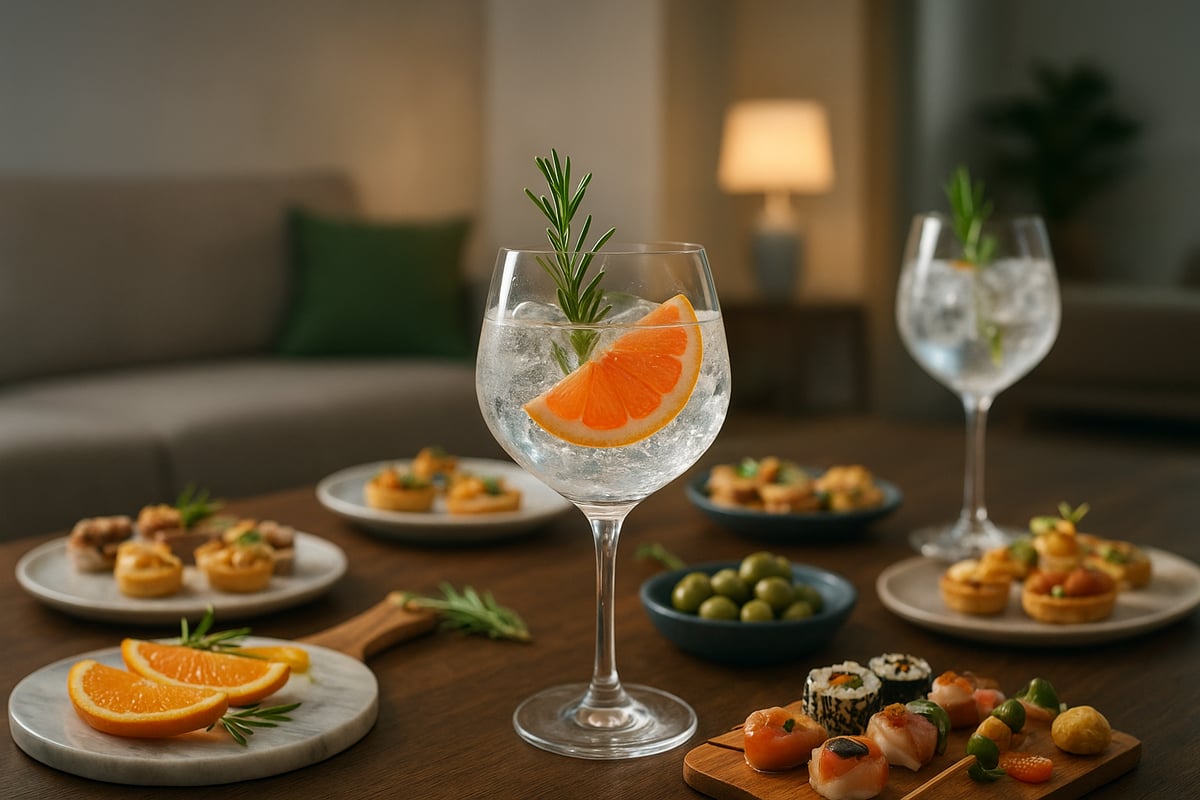
When to enjoy a Gin and Tonic
Gin and tonic is suitable for many occasions: from traditional aperitifs to evenings with friends, to Sunday brunches. In 2026, the trend of pairing it with desserts and light sweets is set to grow strongly. According to recent data, gin and tonic consumption is also expanding in less conventional settings, such as corporate events, gala dinners, and themed tastings. Its freshness and customizability make it a winning choice for any time of day.
Recommended food pairings
To enhance gin and tonic, food pairings play a key role. Among the most popular pairings are savory finger foods, Mediterranean tapas, and fusion cuisine. In Italy, gin and tonic pairs perfectly with raw fish, delicate cured meats, and fresh cheeses.
| Pairing | Aromatic notes | Pairing advice |
|---|---|---|
| Raw fish | Citrusy, fresh | Gin with marine botanicals |
| Cured meats | Spicy, herbaceous | Gin with pink pepper, rosemary |
| Fresh cheeses | Floral, light | Gin with flowers and citrus fruits |
In starred restaurants, dry gin and tonic is often paired with haute cuisine dishes to enhance their aromas and flavors.
Gin and tonic and international cuisine
Gin and tonic also finds its way into international cuisine. It's ideal with sushi, sashimi, and spicy Asian dishes, thanks to its ability to cleanse the palate and enhance aromatic notes. In cities like London and Berlin, gin and tonic is served with gourmet street food, tacos, and fusion dishes, offering increasingly sophisticated food pairing experiences. This trend is also spreading to Italy, where chefs and bartenders collaborate to create surprising pairings.
Gin and tonic-themed events and tastings
Gin and tonic events are growing throughout Italy. Festivals like Gin Day and Gin & Tonic Week attract thousands of enthusiasts, offering masterclasses, guided tastings, and meetings with artisan producers. Organizing a gin and tonic experience at home is simple: simply select different types of gin, tonic, and garnish, and invite friends and family to a tasting to discover new flavors and pairings.
The art of the modern aperitif
The Italian aperitivo is entering a new era, with gin and tonic as the undisputed star. Bartenders and creative mixology have revolutionized the preparation, offering personalized variations and innovative garnishes. The number of gin bars in Italy is constantly growing, a sign of the growing popularity of gin and tonic as a symbol of conviviality and a contemporary lifestyle. This evolution confirms gin and tonic's central role in the art of hospitality and good living.
Trends, Innovations, and the Future of Gin and Tonic
Gin and tonic is at the center of a true revolution, driven by new consumption habits, a focus on sustainability, and increasingly creative mixing techniques. Let's analyze the trends redefining this iconic cocktail and discover what the future holds.
Low-alcohol and non-alcoholic gin and tonics
In recent years, gin and tonic has also won over those seeking low-alcohol or completely non-alcoholic alternatives. The growth of non-alcoholic gins has been astonishing: sales increased 18% in 2025. This trend responds to the needs of young people, who are increasingly concerned about well-being and responsible consumption.
Producers offer light or zero-alcohol versions, without sacrificing aromatic complexity. Trendy bars now offer a dedicated menu of non-alcoholic gin and tonics, expanding the drinking opportunities. Gin and tonic thus confirms its versatility as a cocktail, capable of adapting to new lifestyles.
Sustainability and local ingredients
The gin and tonic of the future focuses on sustainability and local ingredients. Italian distilleries are investing in locally sourced botanicals, recyclable packaging, and low-impact production processes. The traceability of raw materials and respect for the environment have become key criteria for discerning consumers.
Virtuous examples abound: many labels reveal the botanicals' provenance, showcasing local areas. Learn more about how sustainability is changing the spirits landscape on the page dedicated to Sustainability in Spirits Production . This focus makes gin and tonic a contemporary and informed choice.
New mixing and presentation techniques
Innovation in gin and tonic preparation is a key feature in the best Italian and international cocktail bars. Experiments are being made with botanical infusions, homemade spirits, and molecular garnishes, transforming the drink into a multisensory experience. Bartenders utilize visual effects such as transparencies, color schemes, and handcrafted ice.
The dramatic presentations and innovative textures engage all the senses, making gin and tonic a true protagonist of modern mixology. This evolution stimulates creativity and invites the public to discover new interpretations of the classic cocktail.
Personalization and digitalization of the experience
Digitalization has also revolutionized the world of gin and tonic. Apps and platforms have emerged that allow you to create your ideal cocktail, choosing between gin, tonic, and garnish based on your personal tastes. Tasting boxes and subscriptions designed for gin lovers are increasingly popular, allowing them to explore new labels from the comfort of their own home.
Online communities share reviews, tips, and pairings, fueling the passion for gin and tonic. Social media, with dedicated hashtags and creative challenges, contribute to the spread of the latest trends and encourage the exchange of experiences among enthusiasts.
The Future of Gin and Tonic: What to Expect
The future of gin and tonic promises to be full of innovations, both in terms of product and consumption methods. Market forecasts for 2026 indicate steady growth, driven by innovation in mixology, research into new botanicals, and creativity in tasting formats. According to the latest gin trends in 2026 , younger generations will be at the forefront of this revolution, shifting their choices toward increasingly personalized and sustainable cocktails.
Gin and tonic will continue to represent a lifestyle, a symbol of conviviality and innovation, ready to surprise even in the coming years.
After exploring the history, ingredients, and trends of Gin and Tonic together, it's natural to put what you've learned into practice by choosing a craft gin that truly represents Italian quality and creativity. If you'd like to bring unique aromas, select botanicals, and all the passion for sustainability that distinguishes Mezzanotte to your glass, I invite you to discover our selection of gins. Here, you'll find products designed for those who love to experiment and enhance every detail of their drink.
Discover our Gins