

Want to find out how to make gin for third parties in 2026? We reveal key steps, costs, risks and tips for finding the ideal partner and launching your successful gin.
Making Gin for Third Parties: An Essential Guide 2026
Jan 29, 2026

Have you noticed how artisanal gin is gaining more and more traction in Italy? In recent years, demand for private label gin has exploded, attracting the attention of entrepreneurs, restaurateurs, and new brands eager to stand out.
This guide will help you understand everything about contract gin in 2026: you'll discover processes, opportunities, risks, and industry trends. If you want to minimize risks and reap the benefits of this trend, following our tips for contract gin could be the first step toward turning your idea into reality.
What is Third Party Gin and Why Choose It?
Have you ever wondered what it really means to make gin for third parties? In Italy, this practice is revolutionizing the spirits world, opening the doors to new entrepreneurs and brands eager to launch their own gin without the complexities of in-house production.
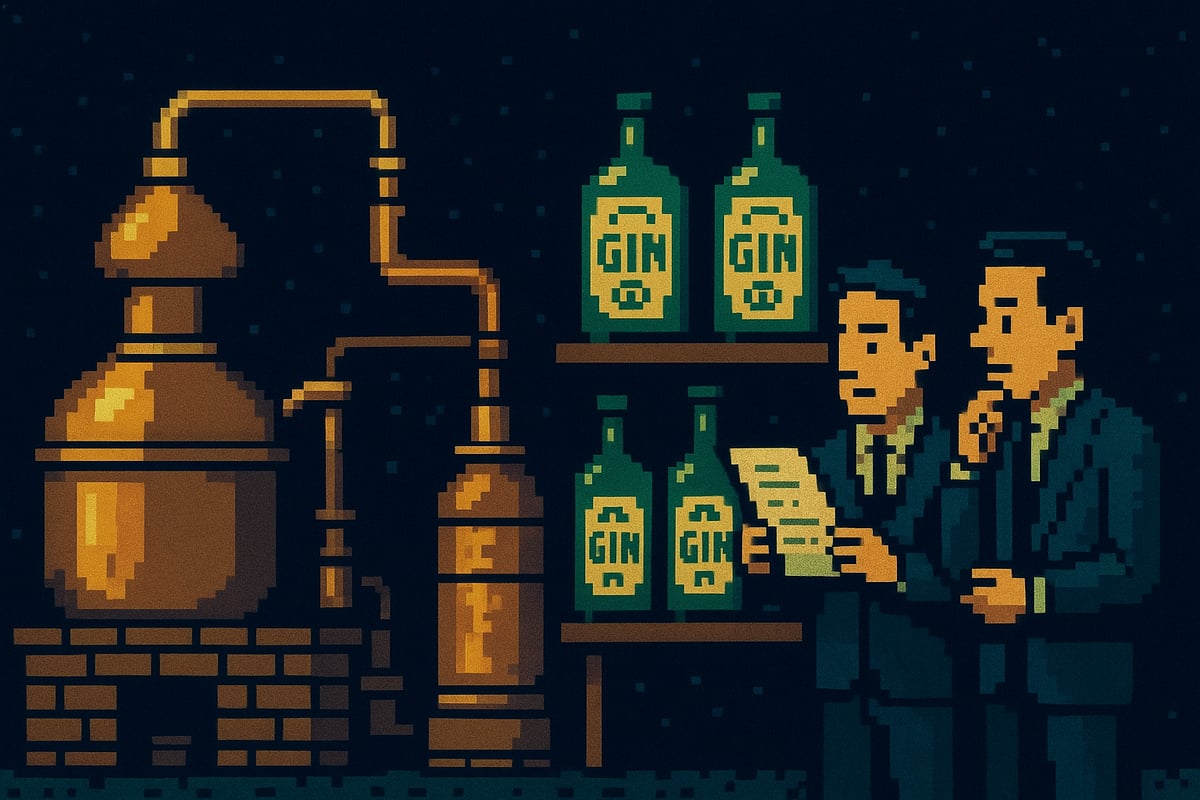
Definition and operation of third-party gin
Making gin for third parties means entrusting the production of your spirit to a specialized distillery, while retaining control over the recipe, branding, and packaging. Unlike direct production, where you invest in equipment and staff, here you delegate the technical side to someone with experience and adequate facilities.
Many well-known brands have chosen this route to launch unique and customized gins, reducing risks and investments. If you want to focus on marketing and distribution, contract gin production is the ideal solution, as it allows you to enter the market more quickly.
Key benefits for entrepreneurs and brands
Why are more and more companies choosing to contract gin? Here are the key advantages:
- Low initial investment: no need to purchase expensive equipment.
- Access to technical know-how: Work with experienced master distillers.
- Total customization: you can create exclusive recipes and customized packaging.
- Scalability: Increase production based on demand.
- Fast turnaround: your gin reaches the market in just a few months.
Furthermore, doing contract gin offers you operational flexibility and allows you to test new ideas before committing to large production runs.
Disadvantages and risks to consider
Of course, there are also some disadvantages to consider before choosing this path:
- Manufacturer dependency: You are tied to their timing and capabilities.
- Customization Limitations: Some distilleries have predefined base recipes.
- Quality management: You need to ensure that standards are always high.
- Intellectual property: It's essential to protect your recipe with clear agreements.
Common issues can include delivery delays or disputes over formula ownership, so a transparent partnership governed by detailed contracts is essential.
Market data and trends
The craft gin market in Italy is booming, with an estimated annual growth of 15% according to ISTAT 2023. Over the past five years, gin consumption has increased by 25%, reaching 7 million liters, as also highlighted by Growth of the Gin Market in Italy . This trend is driving increasing demand for private labels and new distilleries.
Making gin for third parties allows you to ride this trend, adapting your offering to an audience increasingly attentive to quality and originality.
When is it best to choose a third-party account?
But when is it really advantageous to make gin for third parties? This solution is perfect for:
- Startups that want to test an idea without large investments.
- Restaurateurs who want an exclusive gin for their establishment.
- Fashion or lifestyle brands that focus on personalized products.
There's no shortage of successful examples: many small brands started out this way, quickly becoming recognized names in the Italian gin scene.
How to Make Gin for Third Parties: Operational Steps
Want to learn how to make gin for third parties and bring your brand to market? Here's a practical, step-by-step guide to turning an idea into a successful bottle of craft gin. By following these steps, you can avoid common mistakes and maximize your chances of launching.
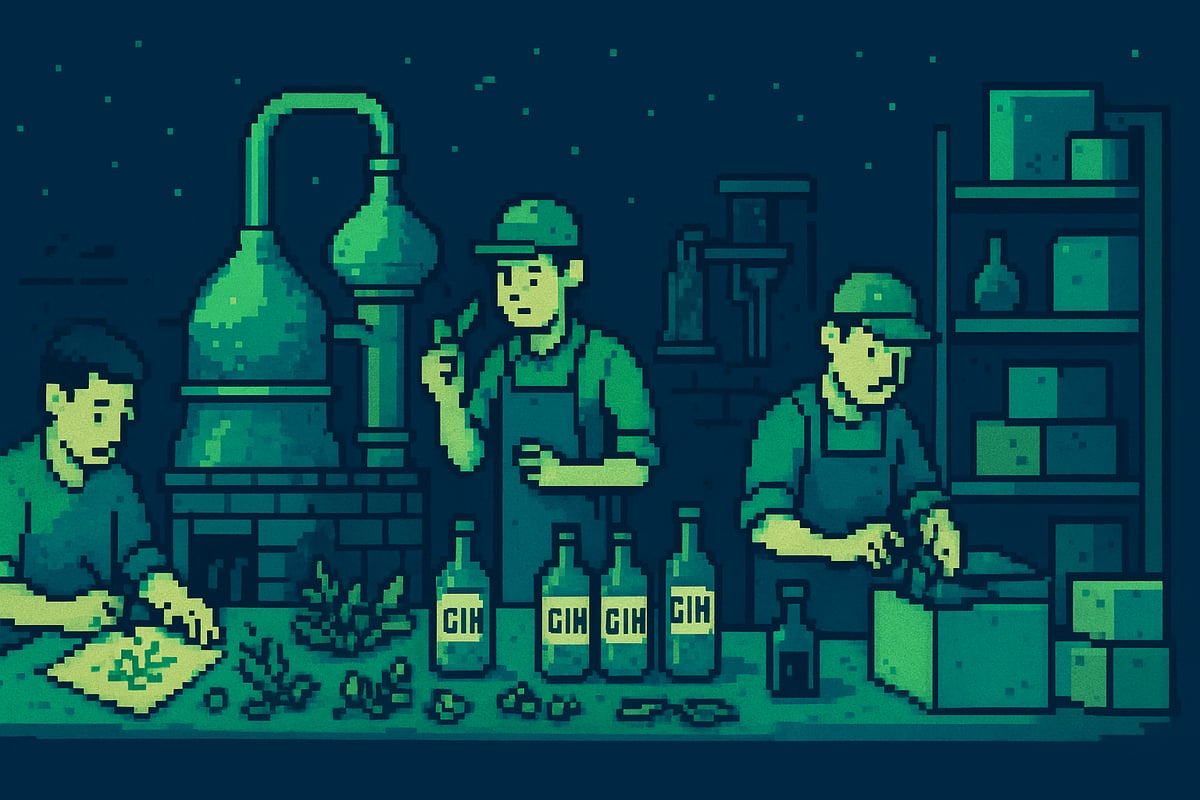
1. Definition of the concept and target
It all starts with one question: who do you want to appeal to with your gin? Analyze the market, observe trends, and ask yourself what's missing from the shelves. Do you want to focus on a premium, mainstream, or HORECA gin?
Study trendy botanicals, such as local ones or "marine" profiles, and think about how you can differentiate yourself. Choosing the right concept is the first step to making custom gin with personality and appeal.
2. Recipe development
This is where the real magic begins. Together with a master distiller and the lab, you'll select the botanicals, the base alcohol, and define the aromatic profile. Tasting sessions and lab tests are held, and you try, tweak, and try again.
The beauty of making gin for others is that you can build a custom recipe, even starting from suggestions such as aromas, colors, or special memories.
- Unique botanical selection
- Definition of alcohol content
- Tasting and laboratory tests
3. Choice of production partner
Choosing a distillery is crucial. Don't just look at the distance, but also evaluate experience, technology, and certifications. A good partner will guide you, keep you updated, and take care of every detail. Check their references and always ask for transparency about their processes.
To learn more about how technologies and production methods can make a difference in making gin for third parties, discover the production methods and technologies used by the most innovative distilleries.
4. Packaging design and branding
The bottle design, label, and packaging tell your story even before the customer tastes the product. Focus on an image consistent with the concept and always ensure that the labeling complies with regulations.
Look at examples of successful packaging: they are often the ones that convey authenticity and attention to detail.
5. Production, bottling and quality control
After testing and trials, the actual production begins. We start with small batches for final verification, then scale up. Every step is tracked and monitored, from distillation to bottling.
How long does it take? On average, 3 to 6 months, but it depends on the complexity of making gin for third parties and the level of customization required.
6. Logistics, distribution and market launch
Now the gin is ready to leave the distillery walls. Warehouse, shipping, and sales channels need to be organized. Think about launch strategies such as events, PR, or digital marketing.
Partnerships with distributors and HoReCa venues can make a difference in the visibility and growth of your contract gin project.
7. Post-launch monitoring and feedback
After launch, the work isn't over. Gather customer feedback, monitor sales, and analyze product performance. Only then can you improve and adapt your offering.
The secret to successful contract gin production? Listening to the market, learning from mistakes, and constantly innovating.
Regulations and Legal Aspects in Third-Party Gin
Navigating the world of regulations is one of the most delicate aspects of making gin for third parties. The rules are numerous and often change, so being well-informed is key to avoiding unpleasant surprises. Let's look at the key points you need to know to produce gin safely and legally.
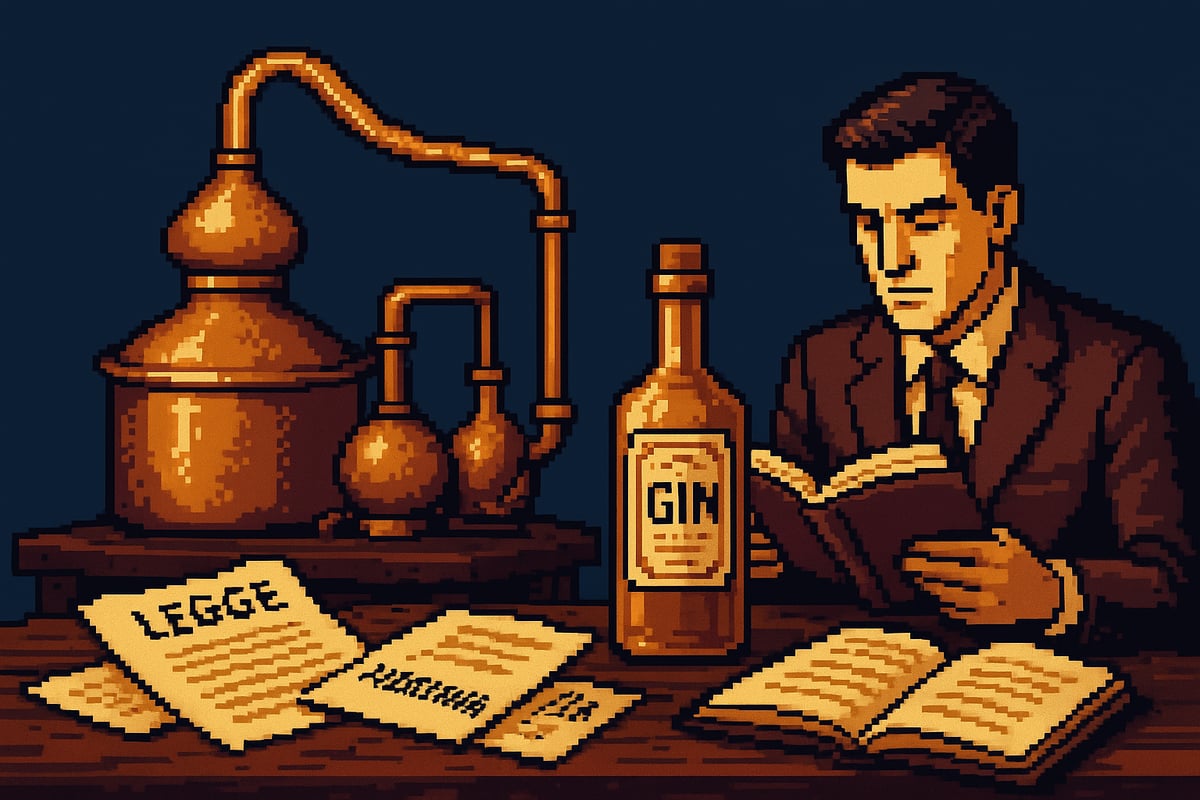
Regulatory requirements for gin production in Italy
To make gin for third parties in Italy, you must comply with both European and national regulations. The main rules concern distillation, bottling, and product composition. Only licensed distillers can produce gin, following precise standards regarding ingredients and processes. Pay attention to the minimum alcohol content and permitted botanicals. To avoid costly mistakes, always consult the latest guidelines before starting.
Required licenses and authorizations
Another important step for those who want to produce gin for third parties is obtaining all the necessary licenses. A specific authorization is required for the production of spirits, as well as permits for bonded warehouses and the movement of excisable products. The responsibilities between the brand and the producer must be clarified in transparent contracts. Without these documents, the risk of bans or fines is high, so it's best not to improvise.
Labelling and traceability
The label is your gin's calling card, but it's also a minefield of regulations. Producing gin for third parties means complying with regulations regarding ingredients, allergens, alcohol content, and batch codes. Each bottle must be traceable from origin to final sale. Digital traceability systems are now standard and help prevent disputes or recalls. A mistake at this stage can be costly, both financially and in terms of reputation.
Intellectual property and recipe protection
When working with a production partner, intellectual property becomes crucial. The gin recipe, bottle design, and brand must be protected through confidentiality agreements and exclusivity contracts. It's good practice to define who owns what from the outset to avoid future disputes. If you're aiming for a truly unique gin, this protection is crucial for your project.
Examples of frequent legal issues
Many brands that choose the third-party model encounter recurring problems. Disputes often arise over recipe ownership, or fines arise for non-compliant labels. Other cases involve lack of exclusivity or breaches of confidentiality agreements. It's important to document every step and rely on expert consultants to prevent these situations.
Statistics and best practices
According to the ICQRF, inspections and fines in the spirits sector increased in 2023, especially for labeling and traceability errors. A best practice is to work with partners with recognized experience in contract manufacturing, such as Distilleria artigianale Mezzanotte , which offers technical expertise and regulatory assistance to those looking to make gin for third parties. This way, you reduce risks and can focus on growing your brand.
Costs, Investments and Margins in Third-Party Gin
When you're thinking about doing contract gin, the first question you ask yourself is: "How much does it really cost to get started?" Understanding the cost structure is essential to avoid surprises and plan for the success of your brand. Let's look at the breakdown of expenses, investments, and profit margins.
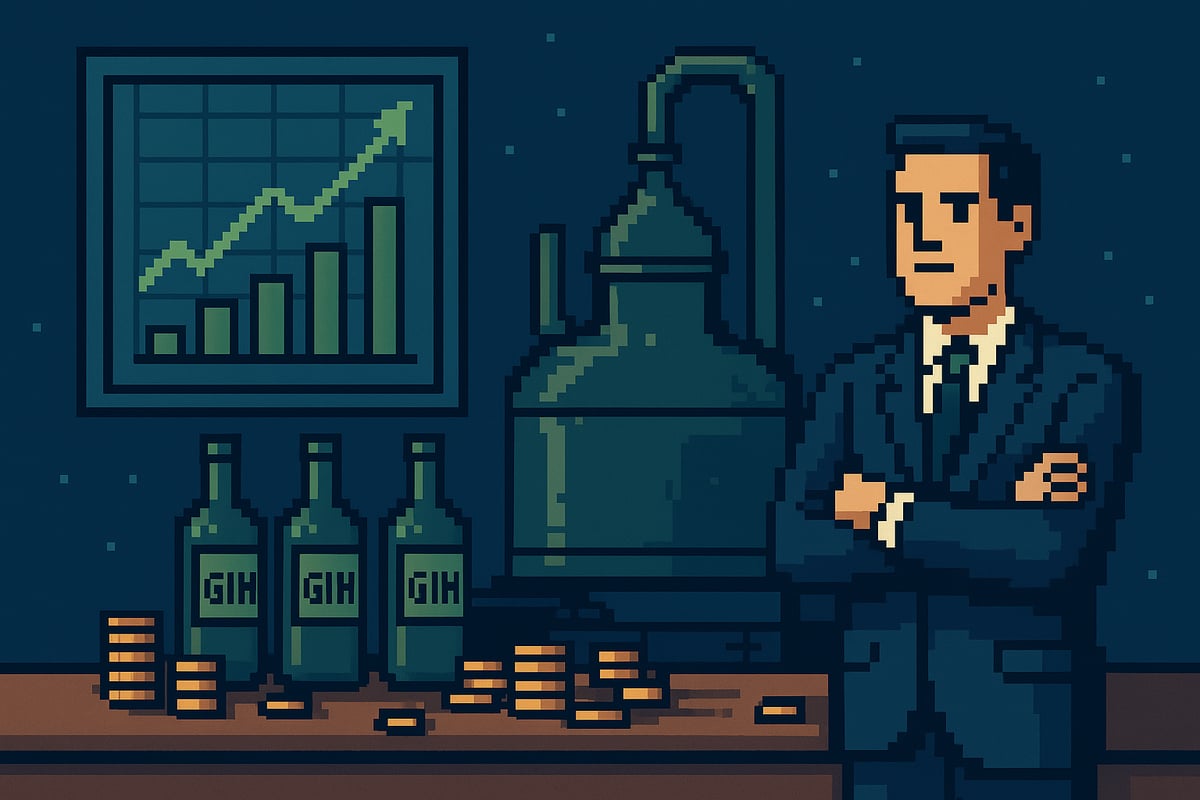
Analysis of fixed and variable costs
When making gin for third parties, costs are divided into fixed and variable. Fixed costs include recipe development, laboratory testing, and certifications. Variable costs depend on the number of bottles produced, the type of packaging, and the ingredients chosen.
To give you a practical idea, here is a table summarizing the main expense items:
| Cost item | Fixed/Variable | Range € (per 1,000 bottles) |
|---|---|---|
| Recipe and test | Fixed | 1,000 – 2,000 |
| Raw materials | Variable | 2,000 – 3,000 |
| Packaging | Variable | 2,000 – 5,000 |
| Certifications | Fixed | 500 – 1,000 |
| Bottling | Variable | 1,500 – 2,500 |
According to ANSA, the gin boom has led to a 20% increase in distilleries in Italy , pushing many entrepreneurs towards the third-party model.
Initial investments: how much do you need to get started?
To make gin for third parties, the minimum investment for a production of 1,000 bottles ranges between €8,000 and €15,000. This figure includes everything: recipe development, production, packaging, and certifications.
The advantage? You don't have to purchase equipment or hire specialized staff. This allows you to focus your resources on marketing and growing your brand.
Margins and pricing strategy
Pricing strategy is crucial when it comes to contract gin. The recommended retail price (RRP) is calculated by adding costs, the desired margin, and taking into account the market position (premium or mainstream).
Generally, margins for private label gin range between 30% and 50%. This means that, selling a bottle for 30 euros, you can earn a net profit of between 9 and 15 euros per bottle, depending on the production scale.
Factors that influence costs / How to optimize costs without losing quality
What most impacts the costs of making gin for third parties? The choice of botanicals, the level of packaging customization, and the quantity produced. The higher the level of customization, the higher the unit cost.
Want to save money without sacrificing quality? Choose recyclable packaging, build a lasting relationship with the manufacturer, and consider local raw materials. Small choices can improve your project's margins and sustainability.
Practical examples of break-even and ROI
Imagine launching your own craft gin: with an investment of €10,000 and average sales of €28 per bottle, you can break even after selling about 360 bottles. The remainder will be net profit, which you can use to reinvest or expand your product range.
Analyzing sales data and listening to customer feedback will help you optimize production and increase margins over time.
Incentives, tenders and concessions available in 2026
In 2026, those who decide to make gin for third parties can access European funds and regional calls for proposals dedicated to food and beverages. These incentives can cover part of the start-up, sustainability, and innovation costs.
Stay up-to-date on active calls for proposals in your region, because even small contributions can make a difference in your brand's growth.
Trends, Innovation, and Sustainability in Third-Party Gin
In recent years, the world of gin has undergone a true revolution. If you're thinking of making gin for others , now is the perfect time to take advantage of the trends that are redefining the industry.
New product trends include gins flavored with rare botanicals, limited editions designed for collectors and enthusiasts, and a growing focus on sustainable and impactful packaging. Creativity doesn't stop there: many distilleries are experimenting with local ingredients, seaweed, or unexpected spices, offering a unique sensory experience.
Innovation in production processes
Innovation also means adopting cutting-edge technologies. Those who decide to make gin for third parties today can rely on state-of-the-art stills and low-impact distillation techniques. This allows for a purer product, with less waste and greater value for the raw materials.
Many companies are focusing on locally sourced ingredients, renewable energy, and certified processes. Innovation isn't limited to production: packaging also plays a key role, with recyclable materials and creative solutions to reduce environmental impact, as described on the page dedicated to sustainability in spirits production .
Sustainability as a competitive driver
Sustainability has become a real competitive driver for those who want to make a difference in the world of gin. If you want to make gin for third parties and conquer an increasingly aware market, focus on local raw materials, clean energy, and a transparent production cycle.
Did you know that 65% of Italian consumers prefer sustainable spirits? This data (source: Nomisma 2024) demonstrates how much the public cares about brands' green choices. Here's a summary:
| I wait | Consumer preference |
|---|---|
| Sustainable Spirits | 65% |
| Recyclable packaging | 58% |
| Short supply chain | 54% |
Innovative brands like Mezzanotte Distilleria have already embraced this philosophy, choosing renewable energy and eco-friendly packaging.
Future opportunities and how to stand out
Looking ahead to 2026, contract gin manufacturing offers extraordinary opportunities: export growth, product premiumization, and sales digitalization. According to global gin market growth forecasts , the sector will continue to expand internationally.
How to stand out in a crowded market? Focus on authentic storytelling, creative collaborations, and special editions. Producing gin for third parties will be the key to building a recognizable and contemporary brand.
How to Choose the Ideal Partner for Third-Party Gin
If you really want to make a difference when you decide to make gin for third parties, choosing a production partner is the first step towards success. Finding just any distillery isn't enough: you need someone who shares your vision, who is transparent, and who has experience. But how do you know who's the right partner?
Selection criteria: experience, transparency, innovation
First, evaluate the manufacturer's portfolio. How many projects have they already managed? Have they received industry awards or recognition? Look for transparency in production processes and a traceable supply chain, perhaps with a focus on sustainability and innovation. Don't underestimate the ability to listen: a good partner will support you every step of the way, from recipe to packaging.
Questions to ask the potential producer
When meeting with a producer, prepare a series of key questions. Ask about production times, costs, minimum orders, and the possibility of visiting the distillery. Ask about the flexibility in customizing both the recipe and the packaging. You want to launch a unique gin, right? It all starts with a conversation.
Distillery visit and product testing
There's nothing better than seeing with your own eyes where your gin will be made. Arrange a technical tasting, observe the facilities, and evaluate the cleanliness and attention to detail. Often, during these visits, new ideas emerge and relationships are strengthened. Making gin for third parties is also a matter of mutual trust.
Mistakes to avoid when choosing
Be careful not to choose based solely on price. A low quote may hide compromises in quality or a lack of flexibility. Don't overlook online reputation, reviews, and transparency in contracts. Remember, a reliable partner helps you avoid legal issues and ensures regulatory compliance.
Checklist for an informed choice
Here's a checklist to check off before signing:
- Proven experience and real references
- Transparent production processes
- Quality certifications
- Flexibility in customization
- Attention to sustainability and recyclable packaging (find out how to dispose of spirits packaging )
- Clarity on costs, times and minimum orders
- Possibility of a visit and tasting at the distillery
Examples of successful partnerships
Many Italian brands have chosen to make gin for third parties, relying on distilleries that offer consulting and cutting-edge technology. One example is Mezzanotte Distilleria & Spirits in Pesaro, which supports customers from recipe creation to launch, ensuring customization and a focus on sustainability. This consultative approach has led to award-winning products and lasting partnerships.
Choosing the right partner for your contract gin production is an investment that can make the difference between a mediocre launch and market success. Take the time to evaluate, inquire, visit, and compare: your project deserves the best.
You've read this far, and perhaps you're already imagining your ideal gin, with a recipe that represents you and packaging that makes all the difference. That's the beauty of contract gin: you can turn your idea into reality, relying on those who combine tradition, innovation, and environmental awareness. Want to be inspired by the end result of this journey or discover what kind of gin you could make? Take a look at our creations, born right here in Pesaro through passion and research: Discover our Gins