

Do you want to discover all the secrets of the gin and tonic drink? Discover history, trends, recipes and tips to prepare it at its best in 2026. Become a true expert.
Gin and Tonic Drink: An Essential Guide for 2026
Jan 30, 2026

Have you noticed how the gin and tonic drink has made a comeback in 2026? Everywhere you look, from cocktail bars to private parties, this classic is being rediscovered with a modern and creative twist.
A growing passion for artisanal mixology, a desire to explore new aromas, and a quest for ever more unique taste experiences. Want to become a true gin and tonic expert? This guide is the perfect resource for you: you'll discover history, recipes, trends, and all the tips for making it like a pro.
Get ready to be inspired and surprise your friends with the perfect gin and tonic drink!
History and Evolution of Gin and Tonic
The history of the gin and tonic is fascinating and full of twists and turns. If you've ever wondered how it became one of the most beloved cocktails, you're in the right place. This journey begins in medicine, evolved with the culture of cocktail bars, and today is experiencing a new era of innovation. Let's discover together how the gin and tonic has evolved over the centuries, amidst curiosities, traditions, and taste revolutions.
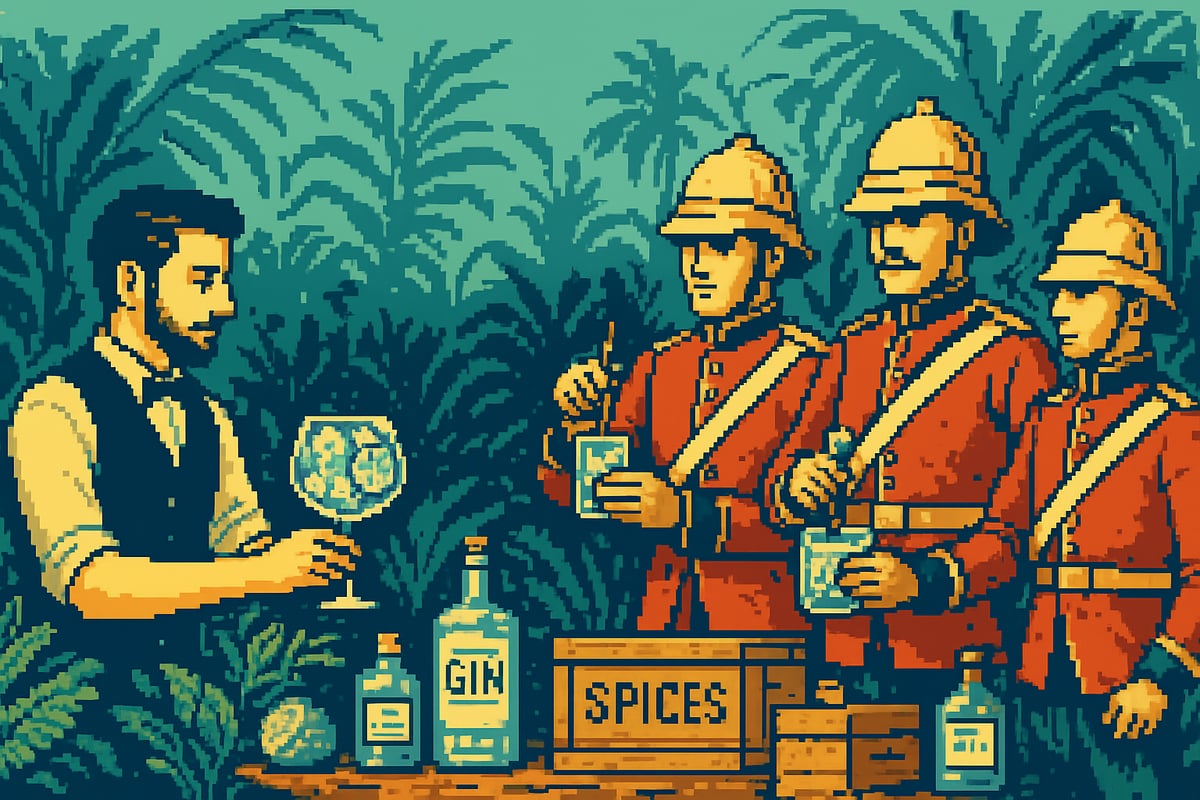
Origins of Gin and Tonic: From Medicine to Mixology
The gin and tonic drink originated as a medical remedy in the 19th century, during the British colonial era in India. British soldiers needed to protect themselves from malaria, and the solution was quinine, the active ingredient in tonic water. However, tonic was bitter and unpleasant, so gin was added to make the drink more palatable.
This combination quickly spread among officers, becoming part of everyday life in the colonies. Upon returning to Europe, the popularity of the gin and tonic drink grew, transforming from a functional beverage to a symbol of conviviality and a refined aperitif. Between 2010 and 2020, gin consumption in Europe increased by 25%, a sign of renewed interest in this tradition. Want to delve deeper into its historical roots? Check out this overview of gin's history and curiosities .
Gin and Tonic in the contemporary panorama
With the arrival of the 2000s, the gin and tonic drink experienced a true renaissance. The craft distillation revolution brought new styles and flavors, pushing cocktail bar culture toward the exploration of innovative botanical gins. It's no longer just London Dry, but spirits enriched with herbs, spices, citrus fruits, and flowers.
Spain has played a key role, where the gin and tonic has become a staple in premium venues, served in balloon glasses and enhanced with creative garnishes. Italian gins, such as those from the Langhe or Tuscany, and major international gins have brought new interpretations, making the gin and tonic a unique and ever-changing sensory experience.
Trends 2026: Innovations and Returns to Origins
Looking ahead to 2026, the gin and tonic drink continues to evolve. Craft gins are increasingly in demand, while premium tonic waters are conquering the market thanks to new botanicals and exotic ingredients. Many bartenders are rediscovering vintage recipes, reinterpreting them with modern techniques.
According to the latest statistics, the global gin market will grow 7% annually through 2026. Enthusiasts are increasingly attentive to the quality of ingredients and authentic experiences, choosing gin and tonic drinks that truly reflect their personality. It's not just a cocktail, but a true taste ritual that blends past and future.
Key Ingredients: Gin, Tonic and Botanicals
To create a truly memorable gin and tonic drink, the right ingredients are crucial. Every detail, from the gin to the tonic to the botanicals, can transform your glass from a simple aperitif to a unique sensory experience. But how do you navigate the styles, aromas, and pairings? Let's find out together.
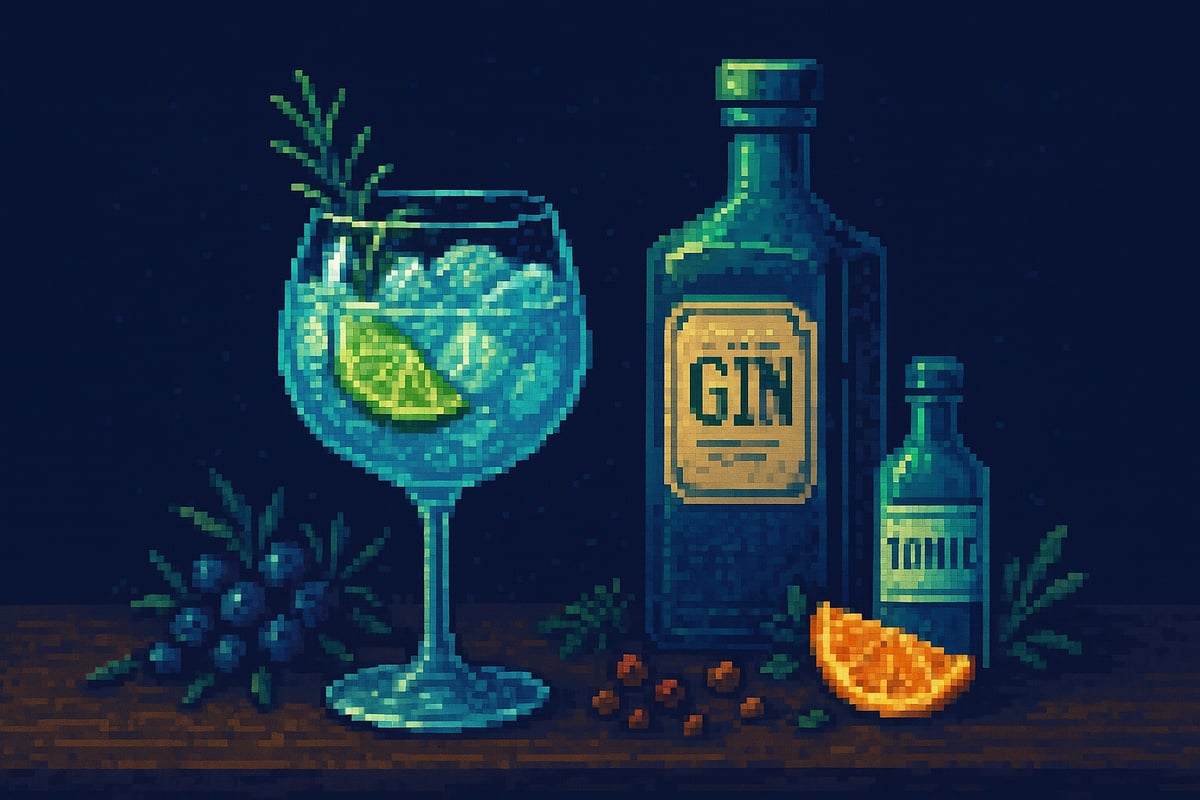
Gin: Styles, Botanicals, and Selection Tips
The heart of every gin and tonic drink is, of course, the gin. There are several styles: London Dry, dry and clean; Distilled Gin, slightly more aromatic; New Western, where innovative botanicals overtake the classic juniper; and Old Tom, smoother and sweeter.
| Gin Style | Aromatic Profile | Recommended for |
|---|---|---|
| London Dry | Dry, strong juniper | Classic gin and tonic |
| Distilled Gin | Softer aromas | Citrus pairings |
| New Western | Exotic botanicals | Creative gin and tonic |
| Old Tom | Sweet, spicy | Vintage recipes |
Botanicals are the soul of the gin and tonic drink: juniper, citrus peel, pepper, lavender, aromatic herbs, and rare spices. Choose Italian gins like those from Piedmont or Tuscany if you're looking for Mediterranean notes, or international ones for bolder profiles. Remember, choose your gin based on the result you're aiming for: do you want a fresh or spicy aroma? Focus on the botanicals you prefer.
Tonic Water: Types and Pairings
Tonic water is the perfect companion to the gin and tonic. There are classic, dry (less sweet), flavored (like grapefruit or rose), and artisanal versions, increasingly popular in trendy bars.
Carbonation is crucial: a very fizzy tonic keeps the drink fresh and lively. Sweetness should also be balanced, as too much sugar could overwhelm the gin's notes.
Recommended pairings:
- London Dry + classic tonic for a traditional balance.
- Citrus gin + dry tonic to enhance freshness and lightness.
- Spiced gin + flavored tonic for a modern twist.
By 2025, the premium tonic market is expected to grow by 12%, a sign that more and more enthusiasts are seeking refined and personalized pairings.
Botanicals and Garnish: The Finishing Touch
Fresh botanicals and garnishes transform a gin and tonic drink into a work of art. Lime, cucumber, pink peppercorn, rosemary, or orange zest aren't just garnishes, but ingredients that enhance the aromas and flavors.
Want to impress your guests? Try combinations like raspberry and black pepper, or basil and lemon. Aesthetics matter: a thoughtful garnish makes the drink more inviting and enhances the aromatic bouquet.
If you want to learn more about choosing and pairing the ideal botanicals for your gin and tonic drink, discover the guide on Botanicals and Flavorings for Gin . You'll learn how to enhance each ingredient and create a truly unique experience in the glass.
How to Make the Perfect Gin and Tonic: A Step-by-Step Guide
Making a gin and tonic that captivates the eyes, nose, and palate isn't just a matter of doses: it's a true ritual. Follow this step-by-step guide to transform every sip into a cocktail bar experience, even at home.

Step 1: Choosing the ideal glass
Choosing the right glass is more important than you think for your gin and tonic. Want to enhance aromas and freshness? A balloon glass is perfect: wide, it maintains the temperature, and enhances the aromas of the botanicals. A highball glass is practical, ideal for those who prefer a lighter, more refreshing drink, while a tumbler is suitable for more intense versions.
Here's a quick overview:
| Glass Type | Pro | Against |
|---|---|---|
| Balloon | Intense aromas, elegant | It takes up space |
| Highball | Fresh, practical | Fewer aromas |
| Tumbler | Compact, versatile | It warms up first |
Choose the glass that best suits the occasion and your desire to experiment with the perfect gin and tonic drink.
Step 2: Measure gin and tonic correctly
Proportions are the soul of a gin and tonic drink. The classic rule is 1 part gin to 3 parts tonic, but you can be more adventurous: for a bolder flavor, try 1:2, for a lighter one, 1:4. Always use a measuring cup or jigger for maximum precision.
Proportion table:
| Gin (ml) | Tonic (ml) | Final result |
|---|---|---|
| 50 | 150 | Balanced, classic |
| 50 | 100 | More intense, aromatic |
| 50 | 200 | Light, refreshing |
Want to learn more about the traditional recipe? Check out the Original Gin and Tonic Recipe to discover all the secrets of an authentic gin and tonic drink.
Step 3: Ice: types and quantities
Don't skimp on the ice! A gin and tonic drink with too little ice becomes watered down and loses its freshness. Filling the glass to the brim with large, compact ice cubes reduces dilution, maintains the temperature, and enhances the bouquet.
Avoid crushed ice, which melts too quickly, and always choose clear ice: it will make your gin and tonic drink look even more inviting.
Step 4: Pour and mix
First the gin, then the tonic, always slowly. Pour the gin directly over the ice, then add the tonic, drizzling the liquid over a teaspoon or the rim of the glass. This way, the gin and tonic will retain its carbonation and be more lively.
Mix gently with a stirrer or a long spoon: the goal is to combine without dispersing the bubbles.
Step 5: Add botanicals and garnish
Here you can truly customize your gin and tonic. Classic with lime or lemon, elegant with cucumber, aromatic with rosemary or pink pepper. Basil, edible flowers, and oriental spices are also popular in 2026.
Trendy garnish ideas:
- Pink grapefruit peel
- Juniper berries
- Lavender flowers
- Fresh ginger
Play with colors and aromas for a gin and tonic drink that surprises every sense.
Step 6: Presentation and service
Appeal is key: a sparkling glass, a thoughtful garnish, and vibrant colors. A well-presented gin and tonic immediately invites you to try it. Remember, according to recent research, 72% of consumers say presentation influences their perception of a drink.
Serve immediately, with a short straw or stirrer, involving your guests in the ritual of preparing a gin and tonic drink. This way, even at home, the experience will be worthy of the finest cocktail bars.
Gin and Tonic Experience: Trends, Pairings, and Occasions
The gin and tonic drink is no longer just a classic aperitif, but a true multisensory experience that evolves year after year. In 2026, the trends are clear: low-alcohol gins and non-alcoholic essences are gaining increasing popularity, ideal for those seeking flavor without excess. Have you ever wondered why rare botanicals are so sought after? Simple, they add a unique touch and tell the story of different regions, often locally sourced, in line with the growing focus on sustainability.
Green mixology is taking center stage: many bartenders are choosing artisanal tonics in glass bottles, reducing waste, and focusing on local ingredients. According to this in-depth look at emerging trends in mixology , the gin and tonic drink is driving innovation with increasingly creative and mindful recipes. It's not uncommon to find cocktail bars offering gin and tonic tastings with seasonal botanicals, changing the menu monthly.
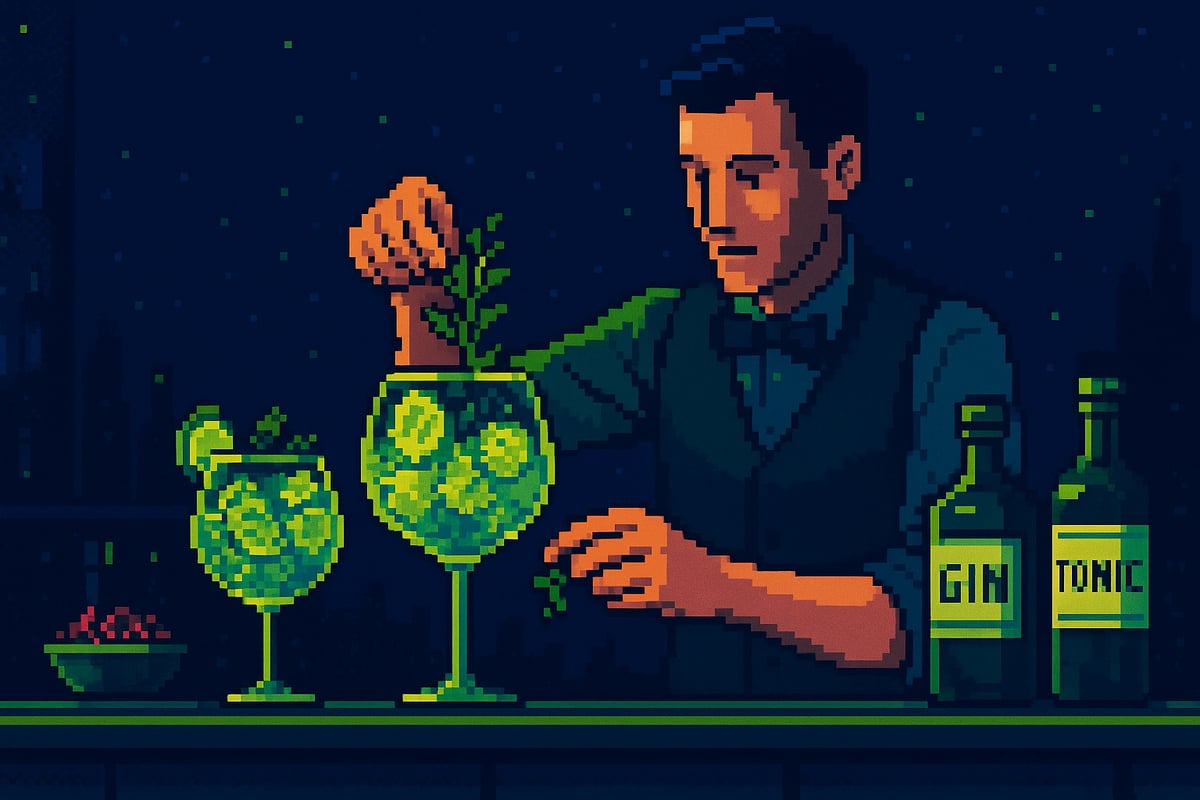
New trends for 2026: low-alcohol gin and tonic, rare botanicals, and sustainable mixology
Have you noticed how the gin and tonic drink has become increasingly lighter and more refined? Low-alcohol versions are perfect for those who enjoy a carefree sip, while non-alcoholic gins also appeal to those who simply want the pleasure of aroma. The search for rare botanicals, such as Timut pepper or elderflower, leads bartenders to experiment and offer ever-changing experiences.
Sustainability drives choices: local ingredients, waste reduction, and eco-friendly packaging are now the norm. The most innovative cocktail bars are opting for artisanal tonics and fresh garnishes for a gin and tonic that respects the environment and surprises the palate. Want to discover all the latest? Check out emerging trends in mixology .
Food Pairings: What to Eat with a Gin and Tonic
Gin and tonic drinks pair with countless dishes; you just need to choose the right ingredients. Love Spanish tapas? Try them with a dry gin and tonic and a wedge of lime. If you prefer raw fish or fusion cuisine, opt for citrusy gins and light tonics. And to surprise your friends, experiment with unusual pairings, like tuna tartare and a gin and tonic with pink pepper.
In the best Michelin-starred cocktail bars, pairing has become an art: each gin and tonic drink is designed to enhance flavors and aromas, offering a sensory journey. If you're looking for new ideas for your evenings, explore gin and tonic cocktails and variations and get inspired by creative recipes.
Occasions and Rituals: From Brunch to After Dinner
The gin and tonic drink is the undisputed star of today's social gatherings. From Sunday brunch, where it pairs with light, fresh dishes, to after-dinner drinks, when it becomes a ritual shared with friends and colleagues. Gin and tonic bars are popping up everywhere, offering guided tastings and themed evenings that transform every gathering into an event.
In recent years, gin and tonic events have increased by 40 percent, a sign that the passion for this cocktail is unwavering. From festivals to masterclasses, every opportunity is a good one to discover new gins and tonics, learn bartender secrets, and enjoy ever-changing experiences. What are you waiting for? Create your own personal ritual!
Gin and Tonic Drinks: Mistakes to Avoid and Expert Advice
Making the perfect gin and tonic seems simple, but even the most passionate can make mistakes that compromise the final result. Want to know how to avoid the most common pitfalls and serve a gin and tonic worthy of a cocktail bar? Discover expert advice and answer your questions with our 2026 FAQ.
The most common mistakes in preparation
Even those who make gin and tonic drinks frequently can make mistakes that ruin their flavor. Here are some to avoid:
- Using poor quality ice or too little ice, which leads to excessive dilution.
- Choosing a tonic that is too sweet or flat will detract from the freshness of the gin and tonic drink.
- Going too wild with the garnishes can overpower the gin's main flavors.
- Using unsuitable glasses, such as those that are too small or thin, which do not enhance the aromatic bouquet.
- Incorrect gin and tonic dosage: incorrect proportions risk making your gin and tonic drink unbalanced.
To avoid these mistakes, always focus on quality ingredients and stick to classic proportions: the result will really make the difference.
Practical advice from bartenders
Experienced bartenders know that a perfect gin and tonic drink is achieved with attention to detail. Follow these tips:
- Always use plenty of clear ice, preferably in large cubes.
- Pour the gin first, then the tonic slowly over the back of a spoon to maintain the carbonation.
- Experiment with simple garnishes: a lemon zest or a sprig of rosemary are enough to enhance the aromas.
- Try different combinations of gin and tonic, but without overpowering the character of the spirit.
- Stay up to date with the latest trends by attending events like Mixology Attraction 2026 , where you can discover the latest gin and tonic drink innovations directly from top bartenders.
Remember: balance is everything. Don't overdo the ingredients and aim for a harmonious blend of gin, tonic, and botanicals.
FAQs about Gin and Tonic in 2026
Still having doubts about gin and tonic? Here are the answers to the most frequently asked questions for 2026:
- Can I make a non-alcoholic gin and tonic? Yes, there are high-quality non-alcoholic gins and tonics that offer a similar experience to the original.
- What are the sugar-free options? Choose sugar-free tonics and gins distilled without added sweeteners.
- What pairings work best? Raw fish, tapas, and fusion cuisine are perfect with a fresh, aromatic gin and tonic.
- How do I choose the right glass? A balloon glass enhances the aromas, while a highball glass keeps the drink fresh longer.
- Is it worth investing in premium tonics? Absolutely, a good tonic enhances a gin and tonic drink and makes the difference between a bland cocktail and a memorable experience.
So you are ready to become a true expert and surprise your guests with a flawless gin and tonic drink.
Have you seen how many details go into a truly unforgettable Gin and Tonic? Between local botanicals, traditional stories, and expert advice, now you know how to turn every sip into a unique experience. If you're ready to put everything you've learned into practice, why not start with the most important thing? The choice of gin really makes a difference, and trust me, a craft gin is a game-changer. Want to discover our distillation secrets and savor the Marche region in a glass? Then I recommend you take a look here:
Discover our Gins