

Discover the world of Italian bitters: tradition, regional recipes, and innovation. From centuries-old history to modern distillation techniques.
Italian Bitter Liqueurs: History and Tradition of Italian Bitters
Feb 16, 2026

When you think of Italian amari, what comes to mind? You probably remember your grandfather pouring that dark, fragrant liquid into a small glass after lunch, or the family tradition of a Sunday digestif. Amari represent much more than a simple category of spirits: they are a true cultural legacy rooted in Italy's herbal and pharmaceutical traditions, evolving over time to become a key player in contemporary mixology. With over 200 regional varieties, Italian amari tell centuries-old stories of territories, families, and jealously guarded recipes.
The History of Italian Amari: From Spice Shops to Cocktail Bars
The history of Italian amari begins in medieval monasteries and apothecaries, where monks and apothecaries prepared healing elixirs using herbs, roots, and bark. Have you ever wondered why many amari still have names that recall pharmaceutical recipes?
In the 19th century, with the emergence of the first commercial distilleries, these medicinal elixirs transformed into fully-fledged consumer products. The tradition of 1890 bitters testifies to how some recipes have survived for over 130 years, keeping their production secrets intact.
From Healing Remedy to Social Rite
The evolution of Italian bitters follows three main phases:
- Pharmaceutical phase (until 1800): monastic and apothecary preparations
- Industrialization (1800-1950): birth of the great regional labels
- Contemporary Renaissance (2000-present): artisanal rediscovery and innovation
Today we are witnessing the return of Italian amaro as a key player in food and wine culture, with bartenders and distillers rediscovering forgotten recipes and experimenting with new botanical combinations.
The Distinctive Characteristics of Italian Bitter Liqueurs
What makes a truly Italian amaro? Aromatic complexity, the balance between sweet and bitter, and above all, the unbreakable bond with the production area.
The Taste Profile
Italian bitters are characterised by a complex organoleptic structure:
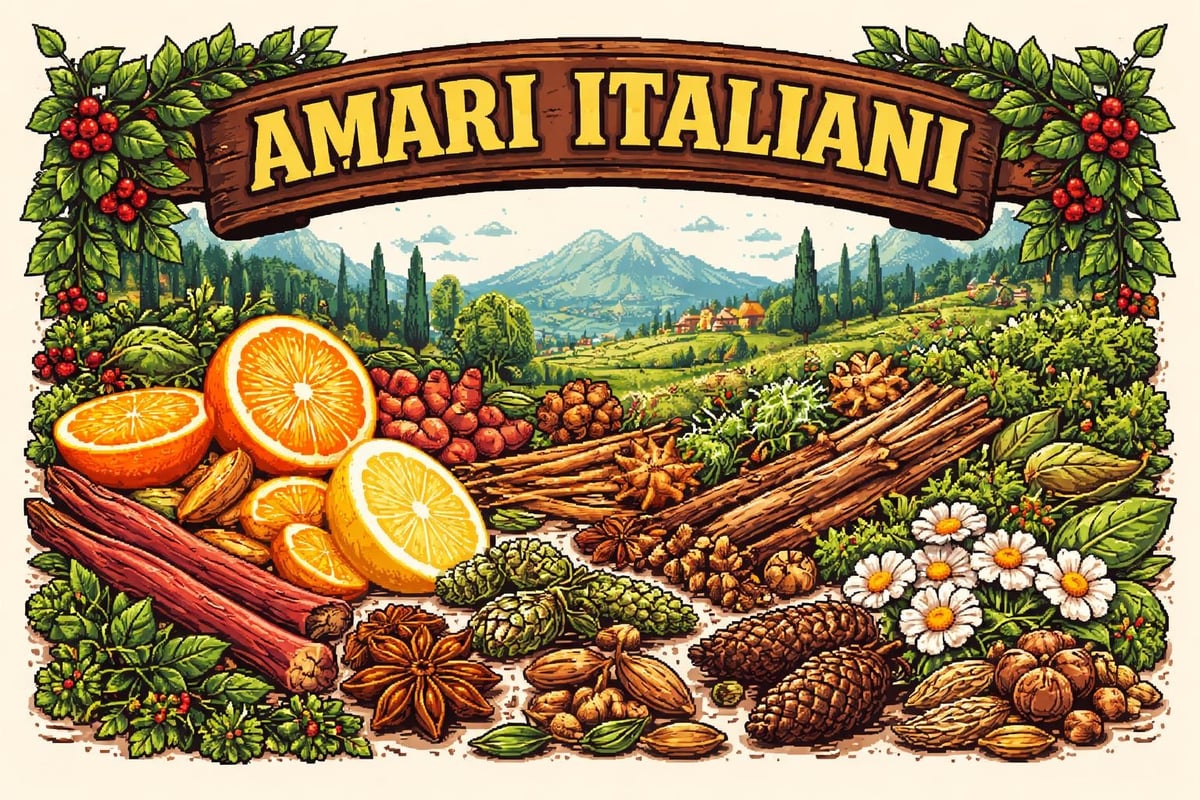
- Bitter base : gentian, cinchona, wormwood, rhubarb
- Aromatic notes : bitter orange, cardamom, star anise
- Balsamic elements : mint, eucalyptus, mountain pine
- Territorial roots : local ingredients that define regional identity
The balance between these elements determines whether a amaro will be more digestible, more aromatic, or more structured. The characteristics of amaros vary significantly from region to region, reflecting biodiversity and local traditions.
Alcohol Content and Sugar
| Typology | Alcohol Content | Sugar Residue | Typical Use |
|---|---|---|---|
| Bitter digestive | 28-35% | 250-350 g/l | After meal |
| Bitter for meditation | 35-45% | 150-250 g/l | Sipped neat |
| Bitters for cocktails | 20-30% | 100-200 g/l | Mixology |
The percentage of sugar not only serves to balance the bitterness, but also creates the velvety texture that characterizes the best Italian amari.
The Regions and Their Liqueurs: A Journey Through Italian Taste
Every Italian region boasts its own specialties, passed down from generation to generation. Have you ever noticed how many differences there are between a Lombardy amaro and a Calabrian one?
Northern Italy: Alpine Tradition
The Alps offer unique mountain herbs that lend fresh, balsamic notes. Gentian, juniper, mountain pine, and yarrow are the main ingredients in northern bitters, often characterized by a dryness and high alcohol content.
Central Italy: Mediterranean Balance
In the central regions, Italian bitters strike a perfect balance between aromatic herbs and citrus. The Marche tradition, for example, emphasizes ingredients like green anise and elderflower, creating distinctive flavor profiles that evoke the hills and the Adriatic Sea.
South and Islands: Mediterranean Intensity
Wild Mediterranean herbs—myrtle, licorice, wild fennel, and orange blossom—give southern bitters an intense and sunny aromatic complexity. These bitters tend to be more rounded and enveloping, with pronounced spicy notes.
The Production Process: Tradition and Innovation
How is a great Italian amaro created? Production combines ancient wisdom and modern precision, a balance that artisanal distilleries like Mezzanotte passionately pursue.
The Production Phases
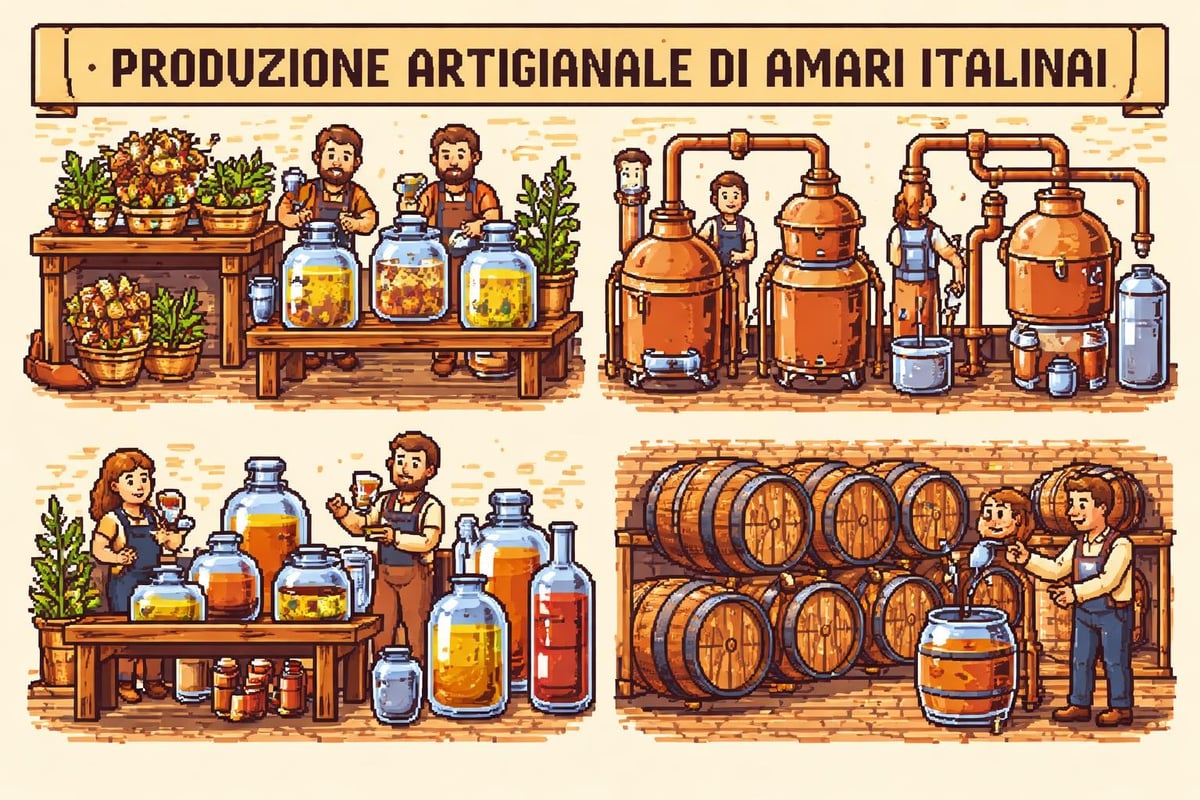
- Botanical Selection : Choice of herbs, roots, barks and spices
- Maceration : extraction of aromas in a hydroalcoholic solution
- Distillation : purification and concentration of extracts
- Assembly : balancing the different infusions
- Aging : refinement in steel or wood
- Rest : stabilization before bottling
Modern Techniques at the Service of Tradition
The use of precision equipment such as state-of-the-art stills and rotavapors allows for more selective extraction of aromas, preserving the most delicate notes that would be lost with traditional methods. The production method makes the difference between a standardized amaro and one that truly reflects the terroir.
Vacuum distillation, for example, allows for lower temperatures, preserving volatile aromatic compounds that would otherwise degrade. This innovation respects tradition while improving it.
Italian Amari in Contemporary Mixology
Bitters are no longer relegated to after-dinner sips. Bartenders around the world are rediscovering them as versatile ingredients for complex and balanced cocktails.
Classic Cocktails with Italian Bitter Liqueurs
- Negroni : the symbol of Italian mixology
- Americano : timeless elegance
- Milan-Turin : perfect simplicity
- Paper Plane : American contemporaneity with an Italian soul
Making drinks with amari requires understanding the balance between sweetness, bitterness, acidity, and alcohol. A good Italian amaro can be the foundation, modifier, or aromatic accent of a cocktail.
New Interpretations
| Cocktail | Bitter Used | Character |
|---|---|---|
| Amaro Spritz | Bitter bergamot | Fresh, citrusy |
| Old Fashioned Italian | Herbal bitters | Complex, aromatic |
| Bitter Sour | Bitter rhubarb | Balanced, versatile |
Have you ever tried substituting vermouth for amaro in a Manhattan? The result can be surprising, creating unexpected depth and complexity.
How to Taste Italian Amari: Practical Tips
Tasting an Italian amaro is a complete sensory experience that deserves attention. It's not just about downing a glass after dinner.
The Ideal Temperature
Contrary to popular belief, not all bitters should be served chilled. Traditional consumption methods vary depending on the type:
- Digestive bitters : 8-12°C, cool but not cold
- Meditation bitters : room temperature (18-20°C)
- Cocktail bitters : according to recipe, often with ice
Temperature influences the perception of aromatic notes and sweetness. A bitter that's too cold overpowers the aromas, while one that's too hot overemphasizes the alcohol.
The Right Glass
The glass influences the tasting experience more than you think:
- Low tumbler : for bitters with ice or cocktails
- Small balloon : for meditation bitters, it concentrates the aromas
- Tulip glass : for technical tastings
Food Pairing
Italian bitters aren't just post-meal digestifs. They can accompany aged cheeses, dark chocolate, spicy desserts, and even some particularly rich savory dishes.
The Artisanal Rebirth of Italian Bitter Liquors
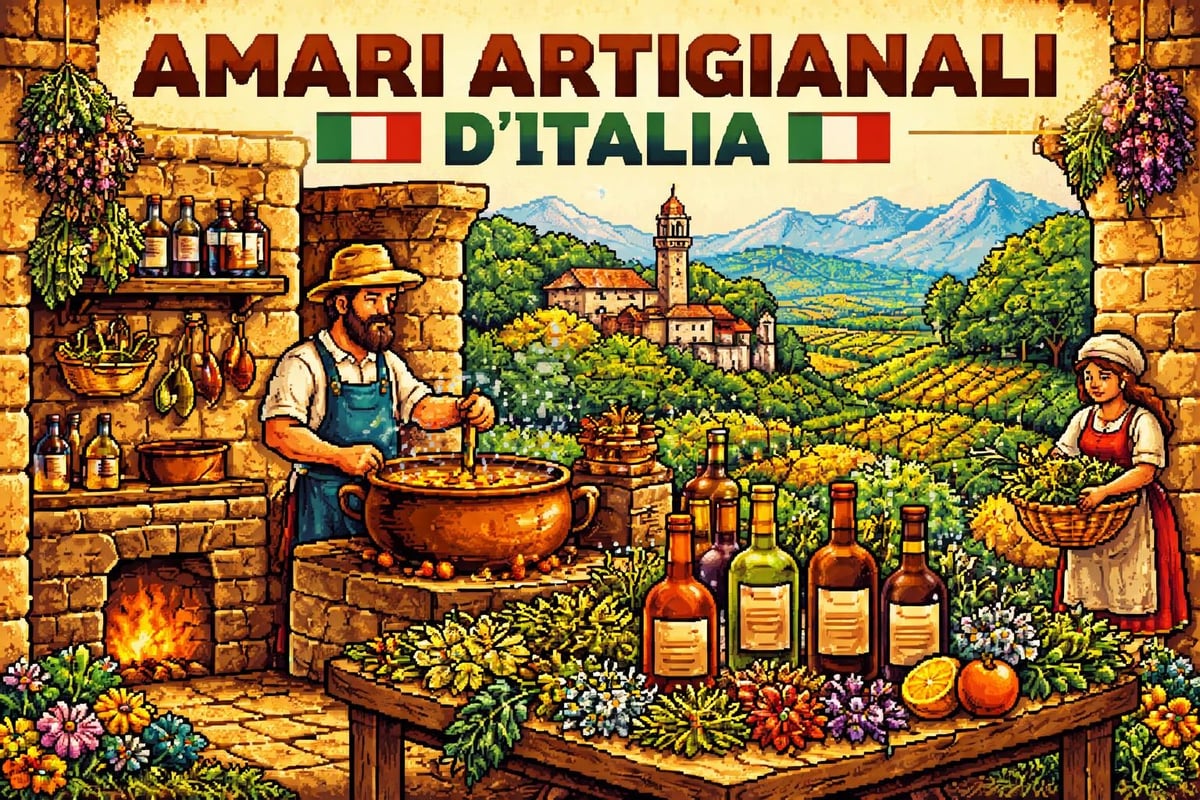
Over the past ten years, we've witnessed a fascinating phenomenon: the resurgence of artisanal amari production. Small distilleries, often family-run, are reviving forgotten recipes and experimenting with new combinations.
Why Choose Artisanal Bitter Liqueurs
Italian artisanal bitters offer distinctive advantages over industrial production:
- Traceability of ingredients : selected and often local botanicals
- Small batches : greater quality control
- Experimentation : freedom to innovate while respecting tradition
- Sustainability : short supply chains and environmental awareness
Sustainability isn't just a buzzword. Eco-conscious distilleries use renewable energy, recyclable packaging, and reduce production waste, demonstrating that tradition and responsibility can coexist.
The Value of the Territory
Each artisanal distillery expresses its local area through its bitters. The Marche region, for example, offers an extraordinary plant biodiversity reflected in unique aromatic profiles, where the sea meets the hills and mountains within a few kilometers.
When you buy an artisanal amaro, you're not just buying a product, you're supporting a local economy, preserving ancient knowledge, and encouraging responsible innovation.
Storage and Aging: Debunking Some Myths
Do bitters improve with age? This is one of the most frequently asked questions among enthusiasts. The answer depends on several factors.
How to Store Bitters
| Condition | Recommendation | Reason |
|---|---|---|
| Light | Dark place | Prevents oxidation |
| Temperature | 15-20°C constant | Chemical stability |
| Position | Vertical bottle | Avoid prolonged contact with the cap |
| After opening | Consume within 12-18 months | Preserves aromatic freshness |
Once opened, a bottle of Italian amaro slowly begins to oxidize. It doesn't become bad, but the fresher, more volatile notes tend to fade. This doesn't mean it should be consumed immediately, but it's good to know that the best experience is achieved within the first few months after opening.
Aging in the Bottle
Unlike wood-aged spirits, amari don't evolve significantly in the bottle. The profile you find at bottling will remain largely stable. However, some producers do include barrel aging, which adds tannic complexity and spicy notes.
The Bitters Market: Trends for 2026
The Italian amari scene is experiencing a moment of great excitement, with interesting trends that are redefining the category.
What Consumers Are Looking For
Bitter drinkers in 2026 are more informed and curious:
- Transparency : they want to know the ingredients and production processes
- Authenticity : they prefer products with history and territorial identity
- Versatility : They look for bitters that can be drunk both neat and in cocktails
- Sustainability : they evaluate the environmental impact of their choices
New Product Categories
Alongside the classic bitters, innovative categories are emerging:
- Low-alcohol bitters : 15-20%, more accessible
- Botanical Bitters : Focus on Individual Key Ingredients
- Seasonal bitters : limited editions celebrating specific harvests
- Ready-to-drink : pre-mixed bitters for immediate consumption
Mixology has contributed enormously to this evolution, bringing bitters out of our grandparents' cupboards and into the most innovative cocktail bars in the world.
Labels to Know: A Thoughtful Selection
Navigating the world of Italian amari can seem daunting. Here are some categories to help you understand what to look for.
Historic Regional Bitter Liqueurs
These bitters are the backbone of Italian tradition. Every region boasts at least one, often produced by the same family for generations. Knowing them means understanding the cultural roots of the region.
Emerging Artisan Productions
Small distilleries are bringing innovation while maintaining a respect for tradition. They experiment with forgotten botanicals, revive ancient recipes, and offer contemporary interpretations that engage with modern mixology.
How to Choose Your Amaro
Consider these aspects when selecting an Italian amaro:
- Occasion of use : digestive, cocktail or tasting?
- Flavor profile : Do you prefer more bitter or more aromatic notes?
- Origin : Are you interested in exploring a specific area?
- Craftsmanship : How important is the "handmade" factor?
There's no such thing as the perfect amaro, but there is the perfect amaro for you and for the moment. Discovery is part of the pleasure.
Unexpected Food Pairings
Have you ever thought about cooking with amari? The versatility of Italian amari extends far beyond the glass.
In the Kitchen
Bitters can enrich various preparations:
- Meat glazes : bitterness reductions for roasts and braised meats
- Ice creams and sorbets : bitter notes that balance the sweetness
- Marinades : tenderness and aromatic depth
- Dessert sauces : interesting contrast with chocolate and fruit
Chocolate Pairings
| Type of Chocolate | Recommended Bitter | Why It Works |
|---|---|---|
| Dark chocolate 70%+ | Bitter gentian | Bitter on bitter, complexity |
| With milk | Bitter orange | Sweetness balanced by citrus fruits |
| White | Herbal bitters | Aromatic contrast |
| Spicy | Bitter rhubarb | Harmony of spices |
The pairing of dark chocolate and Italian bitters is one of the best-kept secrets of Italian gastronomy. The toasted notes of cocoa pair perfectly with the bitter and spicy components.
Visiting Distilleries: Spirits Tourism
Experiential spirits tourism is growing rapidly. Visiting an artisanal distillery allows you to truly understand what it means to produce quality Italian amari.
What to Expect from a Visit
A distillery visit typically includes:
- Production tour : learn about stills and equipment
- Botanical explanation : touch and smell the ingredients
- Guided tasting : taste the products with the producer
- Company history : discovering the roots and philosophy
Knowing the producer creates a different bond with the product. It's no longer just a liquid in a bottle, but becomes the story of people, regions, and passions.
The Value of Direct Experience
When you visit a micro artisanal distillery, you immediately understand the difference between industrial and artisanal production. You see the obsessive attention to detail, the selection of ingredients, and the attention to every step of the process.
Italian amari represent an extraordinary cultural heritage that deserves to be preserved, celebrated, and innovated. From medicinal elixirs to protagonists of contemporary mixology, these spirits express centuries of Italian tradition through complex and territorial aromatic profiles. If you want to discover the excellence of Italian artisanal distillation and taste spirits that express the Marche region with a contemporary soul, explore the world of Mezzanotte | Distilleria & Spirits , where family tradition and technological innovation meet to create authentic and sustainable products.