

Discover the best Italian amaro of 2026: tradition, international awards, and local flavors in every sip. A complete guide to our local excellence.
Best Italian Amaro: A Guide to Excellence 2026
Feb 15, 2026

Italian amaro represents one of the most authentic expressions of our country's gastronomic culture. When we talk about the best Italian amaro, we're not just referring to an award-winning product, but to a centuries-old tradition that unites local traditions, native botanicals, and artisanal mastery. In recent years, Italian amaros have won prestigious international awards, demonstrating that our distilling tradition is unrivaled. But how do you truly recognize an excellent amaro? And what are the characteristics that make a truly special amaro?
Italian excellence dominates international awards
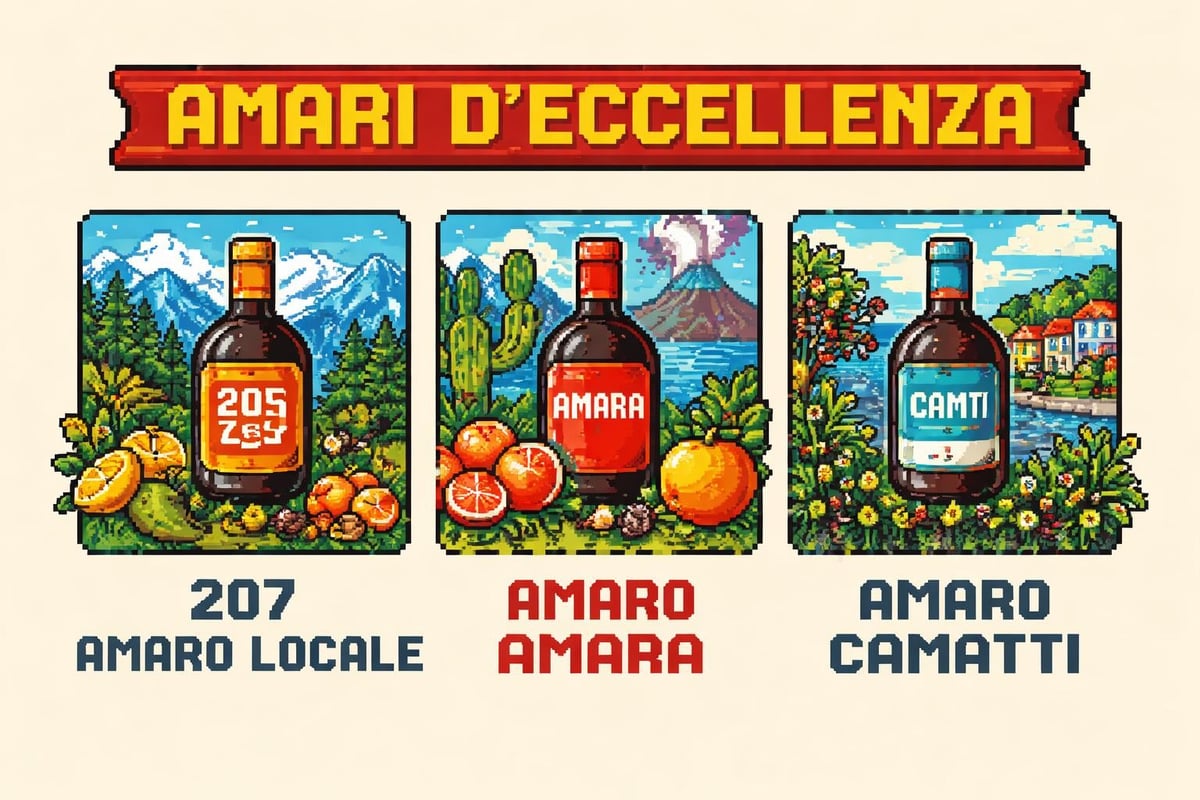
Italian bitters are literally dominating global competitions. Consider that at the 2024 World Drinks Awards, Italy won six gold medals in the bitters category , an extraordinary result that confirms the superior quality of our production.
207 Amaro Locale has been a particular talking point. This amaro has been crowned the best amaro in the world , thanks to a recipe that highlights typically Italian ingredients such as saffron from L'Aquila and Sicilian lemons. These are no coincidences: when tradition meets innovation and the territory is respected, the result is always exceptional.
Why Italy excels in the production of bitters
Our peninsula offers unique conditions for the production of the best Italian amaro:
- Extraordinary botanical biodiversity : from the Alps to Sicily, we have access to hundreds of native herbs, roots and spices
- Family tradition handed down : many recipes date back centuries and are jealously guarded
- Artisanal know-how : Italian distillation combines ancient techniques with modern innovations
- Strong territorial identity : each region expresses its own personality through local botanicals
This combination of factors makes Italian amari inimitable. Like at Mezzanotte | Distilleria & Spirits , where 35-year-old family tradition blends with precision equipment like the Müller Brennereianlagen still, creating spirits that express the Marche region with a contemporary soul.
How to recognize the best Italian amaro
Choosing a quality amaro requires paying attention to several aspects. Not all amaros are created equal, and understanding what to look for can make the difference between a mediocre experience and a memorable one.
Ingredients and territoriality
The first element to evaluate is the origin of the botanicals. An excellent amaro uses traceable ingredients, often tied to the production area. Sicilian Amaro Amara , for example, owes its international success to the use of Sicilian PGI blood oranges, an ingredient that perfectly expresses the island's identity.
| Characteristic | Quality bitters | Industrial bitters |
|---|---|---|
| Botanicals | Selected, traceable, often local | Generic, standardized extracts |
| Process | Artisanal, small batches | Industrial, large volumes |
| Sugars | Natural, balanced | Often excessive |
| Colorants | Natural from botanicals | Sometimes artificial |
| Prices | €25-60+ | €10-20 |
The production method matters
Artisanal distillation makes a huge difference. When a producer works with precision equipment and small batches, they can control every step of the process. This level of care translates into aromatic complexity and balanced flavors. Sustainability in the production process is another indicator of quality, demonstrating care not only for the final product but for the entire ecosystem.
The length of time the botanicals are macerated, the distillation temperature, and the type of still used: all these factors influence the final flavor profile. A properly aged amaro will develop more harmonious and rounded notes.
The types of Italian bitters you should know
There isn't just one type of Italian amaro. The variety is immense and reflects the cultural diversity of our country.
Herbal bitters
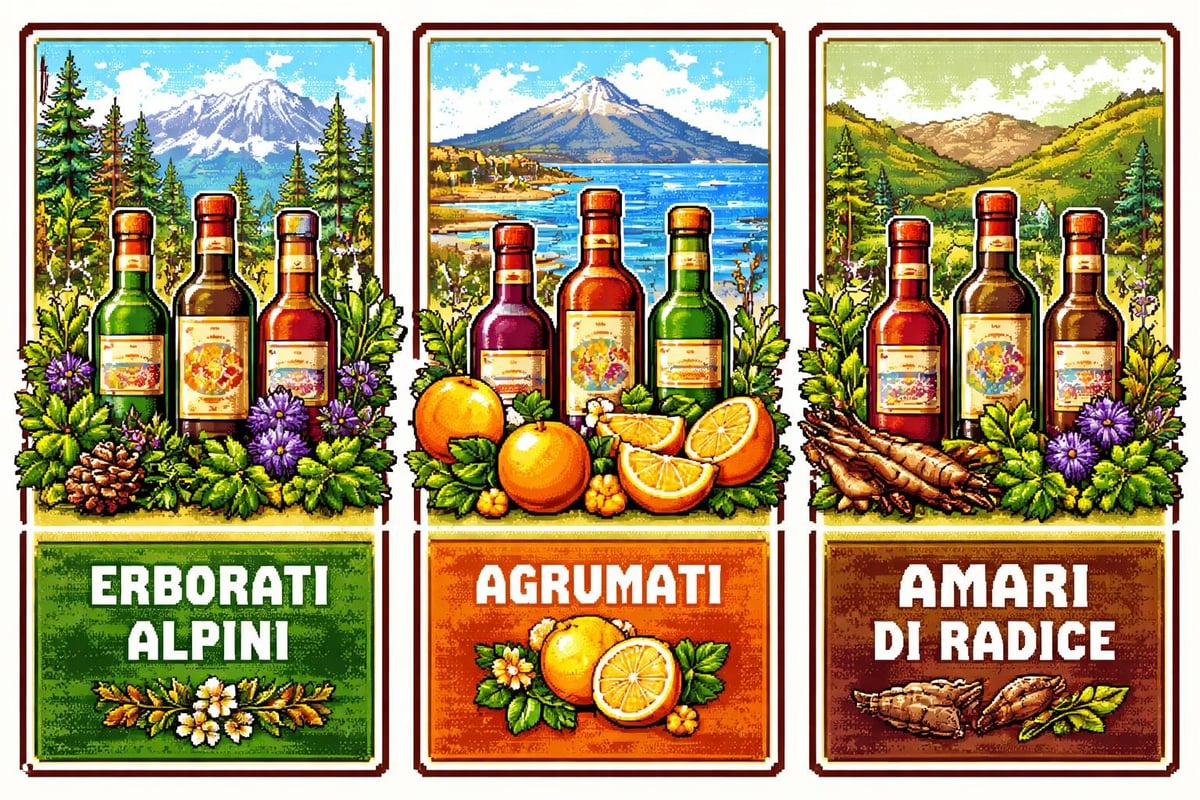
Herbal bitters represent the most traditional category. Amaro Maffei, awarded the best Italian herbal bitter , is a perfect example of this type. They use a complex combination of medicinal herbs, roots, and bark.
Key features include:
- Complex aromatic profile : herbaceous, balsamic, earthy notes
- Alcohol content : usually between 28-35%
- Balanced bitterness : not too sweet, not too bitter
- Versatility : excellent both straight and mixed
Citrus bitters
This category celebrates Italian citrus fruits, especially those from southern Italy. Think Sicilian bitters made with blood oranges or lemons, or those from Campania with limoncello. The profile is generally fresher, less earthy, with lively, sunny notes.
Bitter bitters
For those who appreciate intensity, there are amaros that focus on the bitter component. They use botanicals such as gentian, cinchona, and rhubarb. They are products with character, perfect for digestion and appreciated by more experienced palates.
Territories and traditions: the geography of Italy's finest amaro
Each Italian region has developed its own Amaro tradition, with distinctive characteristics that reflect the territory.
Northern Italy: Alpine and balsamic
Alpine regions use mountain herbs, juniper, mountain pine, and gentian. The result? Fresh, balsamic bitters with resinous notes. These products evoke the woods and peaks, the purity of the mountain air.
Central Italy: balance and complexity
The Marche, Umbria, and Tuscany regions produce highly balanced bitters. Here, the tradition of artisanal distillation is expressed through complex blends of wild herbs, roots, and citrus fruits.
South and islands: sun and citrus fruits
Southern Italy brings intensity and sunshine. Citrus dominates, along with Mediterranean herbs like myrtle, wild fennel, and bay leaves. Amaro Amara has demonstrated how Sicilian blood oranges can be the heart of a world-class amaro.
How to taste and appreciate a quality amaro
Properly tasting an amaro means understanding all its nuances. It's not enough to drink it quickly after dinner.
The right temperature
Contrary to popular belief, not all bitters should be served cold. The ideal temperature depends on the type:
- Herbal bitters : 12-14°C to appreciate the aromatic complexity
- Citrus bitters : 8-10°C to enhance freshness
- Bitter bitters : room temperature for expert palates
The appropriate glass
Use a tulip glass or a low tumbler. The former concentrates the aromas toward the nose, while the latter allows you to add ice without excessive dilution.
| Moment | Temperature | Glass | Pairing |
|---|---|---|---|
| Aperitif | Cold 8-10°C | Tumbler with ice | Savory appetizers |
| After dinner | Room temperature 18-20°C | Tulip | Alone |
| Meditation | 12-14°C | Tulip | Dark chocolate |
The notes to look for
When tasting the best Italian amaro, pay attention to these elements:
- First impression : sweet, bitter or balanced?
- Development : What notes emerge after a few seconds?
- Persistence : How long do flavors last in the mouth?
- Aftertaste : clean or cloying?
A quality amaro evolves in the glass and in the mouth, revealing different facets as you taste it.
Bitterness in contemporary mixology
Italian bitters aren't just after-dinner digestifs. Modern mixology has rediscovered them as versatile and complex ingredients. Bartenders around the world use our bitters to create memorable cocktails.
Classic cocktails revisited
The Negroni remains the undisputed king, but the variations are endless. Try replacing the Campari with an herbal amaro: you'll get a more complex and less aggressive drink. Or explore the world of gin drinks , where amaro can add depth and character.
Contemporary creations
The best bars use Italian bitters for:
- Adding complexity to gin-based cocktails
- Creating layers of flavor in layered drinks
- Balancing the sweetness of fruit liqueurs
- Giving structure to light cocktails
The key is to experiment with balance, respecting the characteristics of each amaro.
Investing in the best Italian bitters
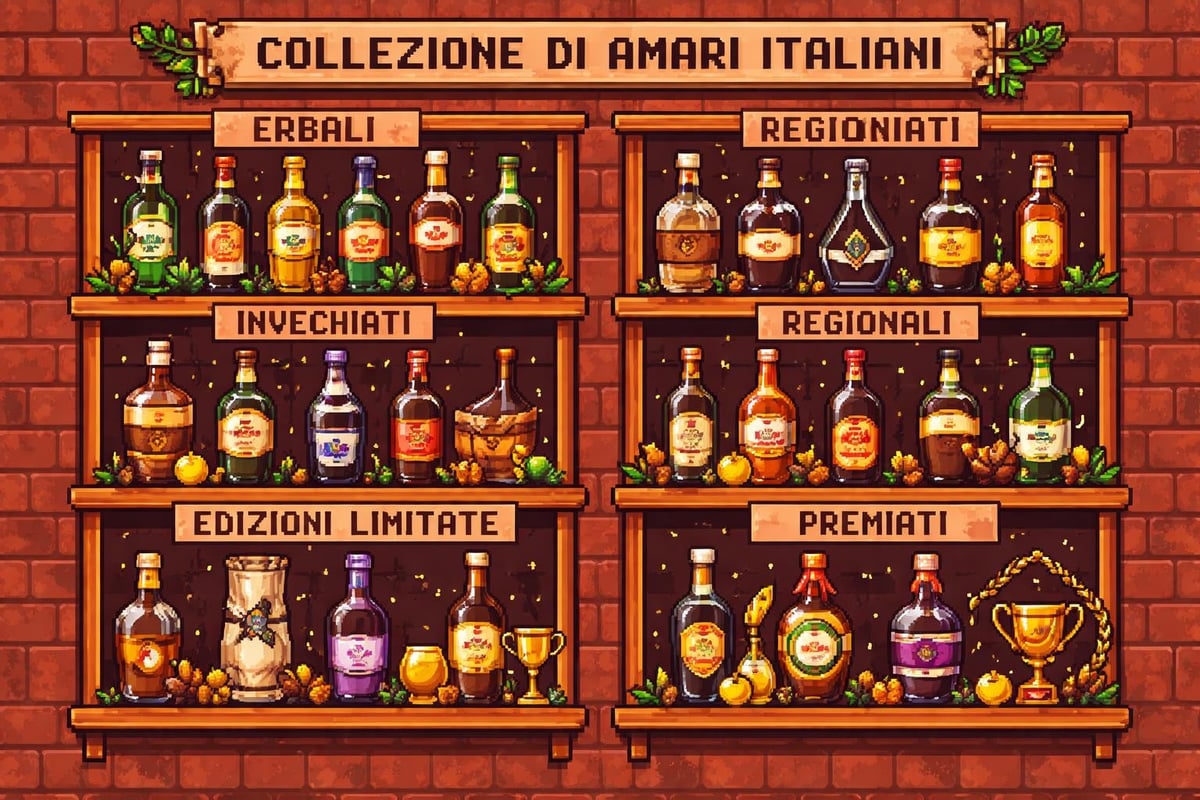
Building a collection of quality Italian bitters is an investment in taste and culture. But how do you get started?
Budget and priorities
You don't have to spend a fortune to get started. With €100-150, you can buy three or four bottles of excellent bitters covering a variety of categories:
- A versatile herbal bitter (€30-40)
- A southern citrus bitter (€25-35)
- A bitter bitter with character (€35-45)
- A special local bitter (€30-50)
Where to buy
Look for specialized wine shops or reputable online retailers. Many artisan distilleries offer direct sales , allowing you to purchase fresh products and often discover limited or experimental releases.
Correct storage
Bitters must be stored appropriately to maintain their qualities:
- Vertical position, never horizontal
- Away from direct light sources
- Constant temperature 15-20°C
- Bottle tightly closed after each use
Once opened, bitters will keep well for 12-18 months if stored properly.
Future trends in the world of Italian bitters
The bitters market is experiencing a true renaissance. New generations of distillers are bringing innovation while respecting tradition.
Botanical research and experimentation
More and more producers are rediscovering forgotten botanicals or experimenting with unusual ingredients. Local research leads to unique blends that tell previously unheard local stories. This approach is also reflected in the production of gin and other spirits , where Italian botanicals are gaining international recognition.
Sustainability and transparency
Consumers in 2026 want to know what they're drinking and how it's produced. Distilleries that adopt sustainable practices and communicate transparently are gaining significant market share.
Personalization and limited edition
The trend toward unique and limited-edition products continues to grow. Many distilleries offer customization services, creating bespoke bitters for restaurants, bars, or private clients.
Food pairings with bitters
A great Italian amaro deserves worthy culinary pairings. Not only is it a digestif, it can also accompany and enhance various aspects of a meal.
Aged cheeses
Herbal bitters pair beautifully with aged hard cheeses. A 36-month-old Parmigiano Reggiano, a Tuscan Pecorino, or a Grana Padano find the perfect counterpoint in herbaceous bitters. The bitterness cleanses the palate of fattiness and prepares for the next bite.
Dark chocolate
The quintessential classic pairing. A 70-80% dark chocolate with a bitter bitter creates a complete sensory experience. The toasted notes of the cocoa interact with those of the toasted roots of the bitter.
Traditional sweets
Try a citrusy amaro with a Neapolitan pastiera or a Sicilian cassata. Or an Alpine herb amaro with an apple strudel. Contrasts work when there's balance.
Awards and certifications to look for
When choosing the best Italian amaro, awards can be a useful guide. But beware: not all accolades are equal.
Prestigious international awards
The World Liqueur Awards and the World Drinks Awards are among the most prestigious competitions. Amaro Camatti won in 2023 , confirming Italian excellence. These awards involve international juries of experts who blindly taste hundreds of products.
National awards
Italian awards are also valuable, especially those that highlight local traditions and traditions. Spirito Autoctono recognizes products that express strong local identity and use indigenous ingredients.
Quality certifications
Look for directions such as:
- PGI (Protected Geographical Indication)
- Certified organic production
- Territorial denominations
- Sustainability certifications
The best Italian amaro is one that tells an authentic story, respects the local area, and uses superior ingredients. Whether you're an expert collector or a curious novice, the important thing is to choose producers who pour passion and expertise into every bottle. If you're looking for artisanal spirits that embody these values, explore the offerings of Mezzanotte | Distilleria & Spirits , where family tradition, technological innovation, and respect for the environment blend to create amaro and spirits that tell the story of the Marche region with a contemporary soul.