

Discover the essential types of bitter liqueurs for mixology. Learn to distinguish Campari, Aperol, Amaro, and more to create exceptional cocktails in 2026.
Discover the types of bitter liqueurs for mixology in 2026
Mar 15, 2026

Choosing the right bitter liqueur can transform your cocktails from ordinary to extraordinary. With dozens of options on the market, from classic Campari to unique artisanal amari, many enthusiasts feel overwhelmed when selecting. This guide will teach you how to distinguish between the main types of bitter liqueurs, evaluate their aromatic profiles, and choose the most suitable one for your cocktail style. You will master the essential criteria to become an expert mixologist who knows exactly which bitter to use on every occasion.
Table of Contents
- Criteria for evaluating bitter liqueurs
- Main types of bitter liqueurs and their characteristics
- Comparison and characteristic table of bitter liqueurs
- Recommendations for choosing the ideal bitter liqueur according to occasion and profile
- Explore our selection of artisanal liqueurs for your cocktails
- Frequently asked questions
Key Points
| Point | Details |
|---|---|
| Botanical diversity | Each bitter liqueur is distinguished by its unique blend of herbs, roots, and spices that define its character. |
| Balance in mixology | Controlled bitterness adds depth and balance to cocktails, complementing sweet and sour ingredients. |
| Contextual selection | Choosing based on the type of cocktail, time of day, and personal preferences maximizes the sensory experience. |
| Origin and tradition | Italian bitters stand out for their rich artisanal heritage and use of native Mediterranean botanicals. |
Criteria for evaluating bitter liqueurs
Before exploring specific types, you need to understand what makes a bitter liqueur exceptional. Bitter liqueurs are defined by their unique blend of botanicals and controlled bitterness to balance cocktails. This fundamental characteristic separates a mediocre bitter from a memorable one that elevates any preparation.
The aromatic profile constitutes the first evaluation criterion. A quality bitter presents complex layers of aromas ranging from bright citrus notes to deep herbal and spicy nuances. Typical botanicals include gentian, quinine, rhubarb, bitter orange peel, and artemisia. The interaction between these ingredients creates the distinctive signature of each product.
The balance between bitterness and sweetness determines the versatility of the liqueur. Some bitters exhibit a pronounced bitterness ideal for digestifs, while others present sweet touches that make them perfect for aperitifs. This balance directly affects how the bitter interacts with other ingredients in your shaker.
Pro tip: Taste the bitter on its own at room temperature before mixing. This reveals its true character and helps you anticipate how it will behave in different combinations.
Additional parameters include:
- Alcohol content, which varies between 15% and 40% depending on the type
- Color intensity, from pale amber to deep ruby red
- Persistence on the palate, indicating the quality of the botanicals used
- Geographical origin, which influences production traditions and ingredient selection
The intended application also guides your choice. Some bitters work best as protagonists in simple cocktails, while others shine as modifiers that add complexity without dominating the mix. Understanding these criteria allows you to navigate the world of bitters with confidence and precision.
Main types of bitter liqueurs and their characteristics
The universe of bitter liqueurs is divided into distinct families, each with its own personality. There are several types of bitter liqueurs such as Amaro, Aperol, Campari, and others that vary greatly in flavor and composition. Knowing these main categories will allow you to select precisely according to your needs.
Amaro represents the broadest and most diverse category. This Italian term encompasses digestive liqueurs with profiles ranging from gently herbal to intensely bitter. Varieties like Amaro Montenegro offer accessible sweetness, while Fernet Branca delivers robust medicinal bitterness. The tradition of Amaro dates back centuries, when monks and apothecaries created elixirs with digestive properties.
Campari defines the standard of Italian red bitter. Its iconic crimson color comes from natural colorings, while its flavor combines quinine bitterness with bitter orange citrus notes. This 25% ABV bitter became a pillar of classic cocktails like the Negroni and the Americano. Its assertive profile requires respect and careful measurement.
Aperol offers a milder and more accessible alternative. With 11% alcohol and a sweeter profile, this orange bitter features notes of rhubarb and gentian balanced with bright citrus touches. Its versatility makes it ideal for light aperitifs like the Spritz, especially during warm summer evenings.
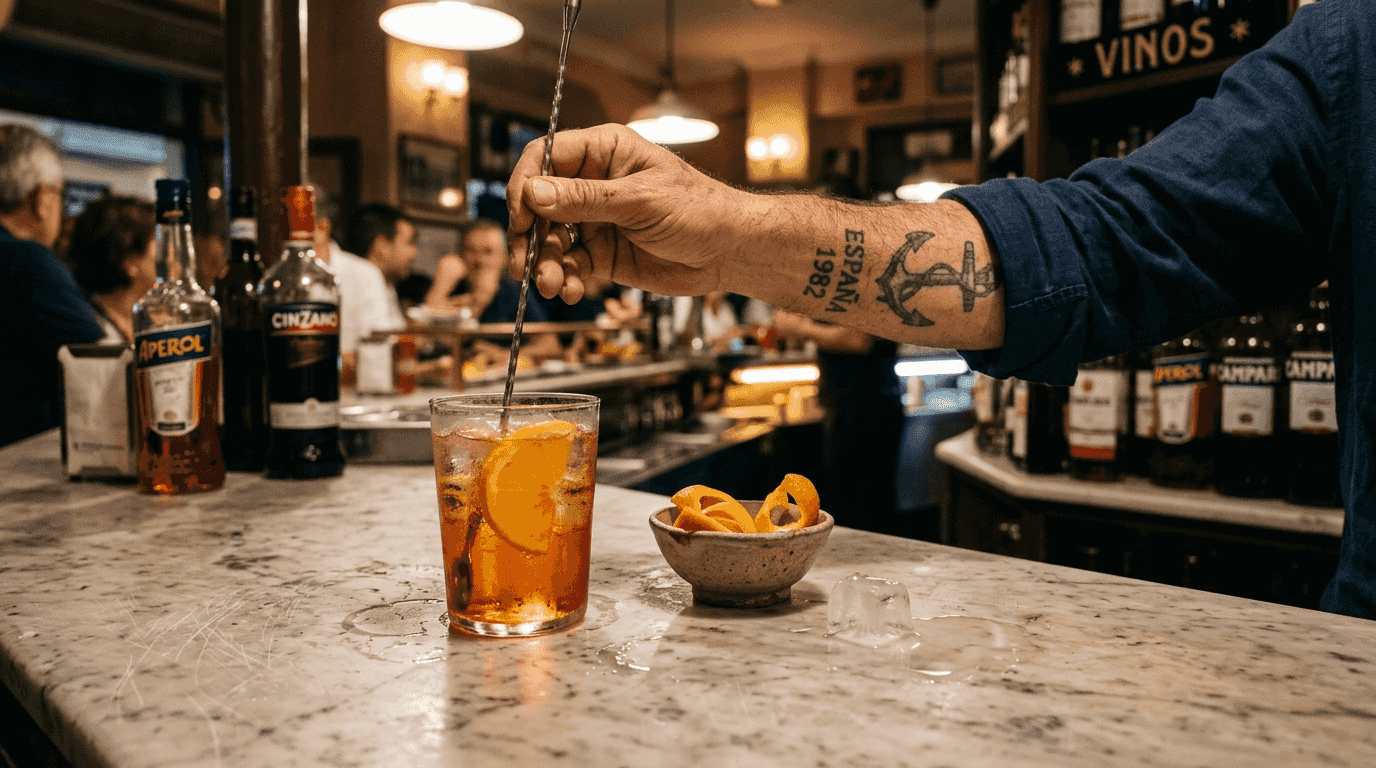
Italian bitter stands out for its rich use of native botanicals that provide aromatic diversity and complexity. This regional heritage creates notable differences between products from the Alpine north and the Mediterranean south.
Other specialized bitters include:
- Cynar, made with artichoke and 13 additional herbs, perfect for earthy cocktails
- Fernet, a subcategory of Amaro with intense bitterness and refreshing menthol notes
- Angostura, a concentrated bitter used in drops to add spicy complexity
- Suze, a French gentian bitter with a unique floral profile
Each type responds to specific regional traditions and inherited production methods. Modern artisanal bitters experiment with non-traditional botanicals, creating innovative profiles that respect the essence of the genre while exploring new sensory territories.
Comparison and characteristic table of bitter liqueurs
A systematic comparison reveals the crucial differences between the main bitter liqueurs. Comparing bitter liqueurs according to flavor, origin, and application helps choose the most suitable one for each cocktail or palate. This table synthesizes the distinctive elements you should consider:
| Type | Predominant flavor | Key botanicals | Bitterness level | Typical use |
|---|---|---|---|---|
| Campari | Bitter citrus | Quinine, bitter orange | High | Negroni, Americano |
| Aperol | Sweet citrus | Rhubarb, gentian | Medium low | Spritz, aperitifs |
| Amaro Montenegro | Balanced herbal | 40 diverse botanicals | Medium | Digestif, Manhattan |
| Fernet Branca | Intense menthol | Myrrh, saffron, mint | Very high | Digestive shot, Hanky Panky |
| Cynar | Earthy vegetable | Artichoke, herbs | Medium high | Autumn cocktails |
Botanical complexity directly impacts the final sensory profile. Liqueurs with 30 or more botanical ingredients present aromatic layers that evolve on the palate, revealing different notes from the first sip to the aftertaste. This depth justifies premium prices and elevates the tasting experience.
When combining bitters with other ingredients, consider the relative intensity. A potent bitter like Fernet can easily overpower mild gins, while Aperol harmonizes with effervescent prosecco. The general rule suggests balancing similar intensities or using the bitter as an accent in smaller proportions when working with delicate spirits.
Cocktail styles also dictate selection. Classic stirred cocktails like the Manhattan accommodate complex amari that add depth without losing structure. Long drinks with soda or tonic work better with lighter bitters that maintain freshness. Post-dinner digestifs demand pronounced bitterness that stimulates digestion.
Pro tip: Store your bitters in a cool, dark place, away from direct sunlight. Although their alcohol content preserves them, botanicals can degrade with prolonged exposure to heat, losing subtle aromatic nuances.
Serving temperature also modifies perception. Bitters served cold in iced cocktails soften bitterness and enhance sweetness, while room temperature intensifies bitter components. Experiment with different temperatures to discover how your perception of the same product changes.
Recommendations for choosing the ideal bitter liqueur according to occasion and profile
Selecting the right bitter requires considering multiple contextual factors. Selecting the right bitter depends as much on the cocktail as on personal taste and the experience you wish to create. These practical recommendations will guide you towards accurate choices.
For classic cocktails, initially respect traditional specifications. An authentic Negroni demands Campari, not milder substitutes. Once you master the original recipe, experiment with variations using different amari to discover personal interpretations. This progression builds solid knowledge before innovation.
The time of day significantly influences the appropriate choice. Pre-dinner aperitifs require lighter, citrusy bitters that stimulate the appetite without overwhelming the palate. Post-dinner digestifs allow for intense bitterness and complex herbal profiles that aid digestion. Afternoon cocktails benefit from balanced options that refresh without overwhelming.
Food pairings open up fascinating possibilities:
- Citrus bitter with seafood and white fish
- Herbal amaro with roasted meats and robust stews
- Artichoke bitter with Mediterranean vegetables and olive oil
- Fernet with dark chocolate and intense desserts
To discover your preferred bitterness profile, follow this sequence:
- Start with Aperol or mild bitter to acclimate your palate
- Move on to Campari or balanced amari of medium complexity
- Explore Fernet and intense bitters once you develop an appreciation for bitterness
- Try artisanal expressions that combine tradition with botanical innovation
This gradual progression educates your palate without causing initial rejection. Many enthusiasts make the mistake of starting with overly intense bitters, creating permanent aversion. Patience in this process yields lasting dividends.
Common mistakes include using excessive proportions that unbalance the cocktail, ignoring the quality of other ingredients that should complement the bitter, and not considering how ice dilutes and modifies the profile during service. Every element in your glass interacts with the others, creating the final result.
Personal experimentation is essential. Keep a notebook of notes recording successful and failed combinations. Document proportions, complementary ingredients, and your sensory impressions. This record becomes your personalized guide, reflecting your unique preferences rather than generic formulas.
Explore our selection of artisanal liqueurs for your cocktails
Now that you master the fundamentals of bitter liqueurs, it's time to elevate your experience with exceptional artisanal spirits. Mezzanotte offers a carefully selected collection of artisanal gin and artisanal vodka that perfectly complement your bitter creations.

Our premium spirits are distinguished by their artisanal elaboration and unique botanicals that harmoniously interact with complex bitter liqueurs. Each bottle tells a story inspired by myths, pop culture, and Italian traditions, transforming every cocktail into a memorable experience. The award-winning products in our catalog have won international awards, validating the excellence you seek for your personal bar.
Discover how these high-quality spirits enhance your mixology skills. The combination of exceptional botanical gin with the right bitter creates synergies that surpass the sum of their parts. Explore our collection and find the perfect companions for your favorite bitter liqueurs.
Frequently asked questions
What are the most popular bitter liqueurs?
Campari leads as the most recognized Italian red bitter worldwide, followed by Aperol, which dominates the light aperitif segment. Amaro Montenegro and Fernet Branca complete the quartet of essential bitter liqueur types that every enthusiast should know. Each offers distinct profiles for different cocktail applications.
What botanicals characterize Italian bitter liqueurs?
Italian bitters use gentian, quinine, and artemisia as a fundamental bitter base. They complement with Mediterranean citrus peels, alpine roots like rhubarb, and native herbs that vary by region. This regional botanical diversity creates the characteristic richness of Italian bitter that distinguishes it from versions from other countries.
How to use bitter liqueurs in classic cocktails?
In a classic Negroni, combine equal parts gin, Campari, and sweet red vermouth, following the traditional proportion that balances the three components. For a Manhattan, add a few dashes of Angostura bitters to whiskey and sweet vermouth. A Spritz requires 3 parts prosecco, 2 parts Aperol, and 1 part soda. Respect these proportions initially before customizing to your taste.
Do bitter liqueurs have real digestive benefits?
Many traditional botanicals in bitters possess properties that stimulate the production of digestive enzymes. Gentian and quinine have been used medicinally for centuries to aid digestion. However, consume them in moderation as part of a pleasant gastronomic experience, not as a substitute for medical treatment.
How long do bitter liqueurs last after opening?
Thanks to their alcohol content and preservative botanicals, bitters maintain quality for 12 to 18 months after opening if stored correctly. Keep them in a cool, dark place with the stopper tightly closed. More delicate aromas may fade gradually, but the liquid remains safe for consumption much longer.
Recommendation
- what bitter means: essential guide for cocktails 2026 – Mezzanotte | Distilleria & Spirits
- 7 Best Bitter Drinks You Absolutely Must Try in 2026 – Mezzanotte | Distilleria & Spirits
- 6 types of bitter liqueurs to discover for enthusiasts – Mezzanotte | Distilleria & Spirits
- 6 types of premium spirits you should know today – Mezzanotte | Distilleria & Spirits