

Discover the types of Italian craft gin: London Dry, Old Tom, macerated. Local botanicals, production methods, design, and tips for informed choices 2026.
Artisanal Gin Guide: Informed Choice 2026
Mar 5, 2026

Choosing the perfect craft gin can seem like a daunting task when faced with dozens of labels featuring unknown botanicals, diverse production methods, and captivating storytelling. This guide will help you discover the main types of craft gin, criteria for recognizing quality, and Italian botanicals that make each bottle unique. You'll learn to evaluate production, design, and price to make informed choices that enrich your experience.
Index
- What you'll learn about types of craft gin
- Criteria for choosing the right craft gin
- Types of craft gin and distinctive Italian botanicals
- Craft production and sustainability in Italian gins
- Price, accessibility, and availability in the Italian market
- Design, history, and storytelling behind craft gins
- Pairing guide and use of different types of craft gin
- Comparative summary and purchase recommendations
- Discover Mezzanotte's unique craft gins
- Frequently asked questions
What you'll learn about types of craft gin
| Point | Details |
|---|---|
| Differences between London Dry, Old Tom, and macerated gins | Each type has distinct aromatic and production characteristics that influence taste and use. |
| Distinctive Italian botanicals | Juniper, citrus, alpine herbs, and local flowers create unique profiles linked to the territory. |
| Craft production method | Small batch and slow infusion ensure superior quality and aromatic complexity. |
| Design and storytelling in gin | Curated packaging and cultural narratives amplify perceived value and emotional experience. |
| Price and market accessibility | 30-50 euro range for craft quality, with online and physical channels for availability. |
Criteria for choosing the right craft gin
When selecting a craft gin, you need to evaluate five factors that determine its quality and uniqueness. Botanicals are the heart of the aromatic profile: juniper, coriander, citrus, and herbs create infinite combinations that define the spirit's character. Each producer chooses specific ingredients to tell the story of their territory and their aromatic vision.
The production method deeply influences the aromatic profile and quality. Discontinuous still distillation and slow infusion allow for the extraction of complex nuances from the botanicals. Small-batch gins guarantee rigorous control over every production phase, resulting in richer and more balanced spirits compared to industrial productions.
The territorial link adds authentic value to the product. A gin that uses local botanicals tells the story of its homeland through unmistakable aromas and flavors. This aspect is particularly important for those seeking spirits with a strong identity and cultural connection.
Pro Tip: When evaluating a craft gin, read the label to identify the main botanicals and check if the producer indicates the distillation method and origin of the ingredients.
Design and storytelling complete the sensory experience. A well-designed bottle and an engaging narrative transform gin from a simple spirit into a collector's item. The price reflects these elements: quality craft products range from 30 to 50 euros, offering a balance between investment and perceived value.
To make an informed choice, consider:
- Desired aromatic profile based on the botanicals present
- Craft production method verifiable by the producer
- Territorial origin and authenticity of ingredients
- Bottle design and consistency of the brand's narrative
- Price range compatible with your budget and intended use
Types of craft gin and distinctive Italian botanicals
Italian craft gins are divided into three main categories that differ in production method and botanicals used. London Dry represents the most common type of craft gin, characterized by an aromatic profile dominated by juniper and clear citrus notes. This style requires distillation without adding sugars or artificial flavors after the process, ensuring purity and transparency of taste.
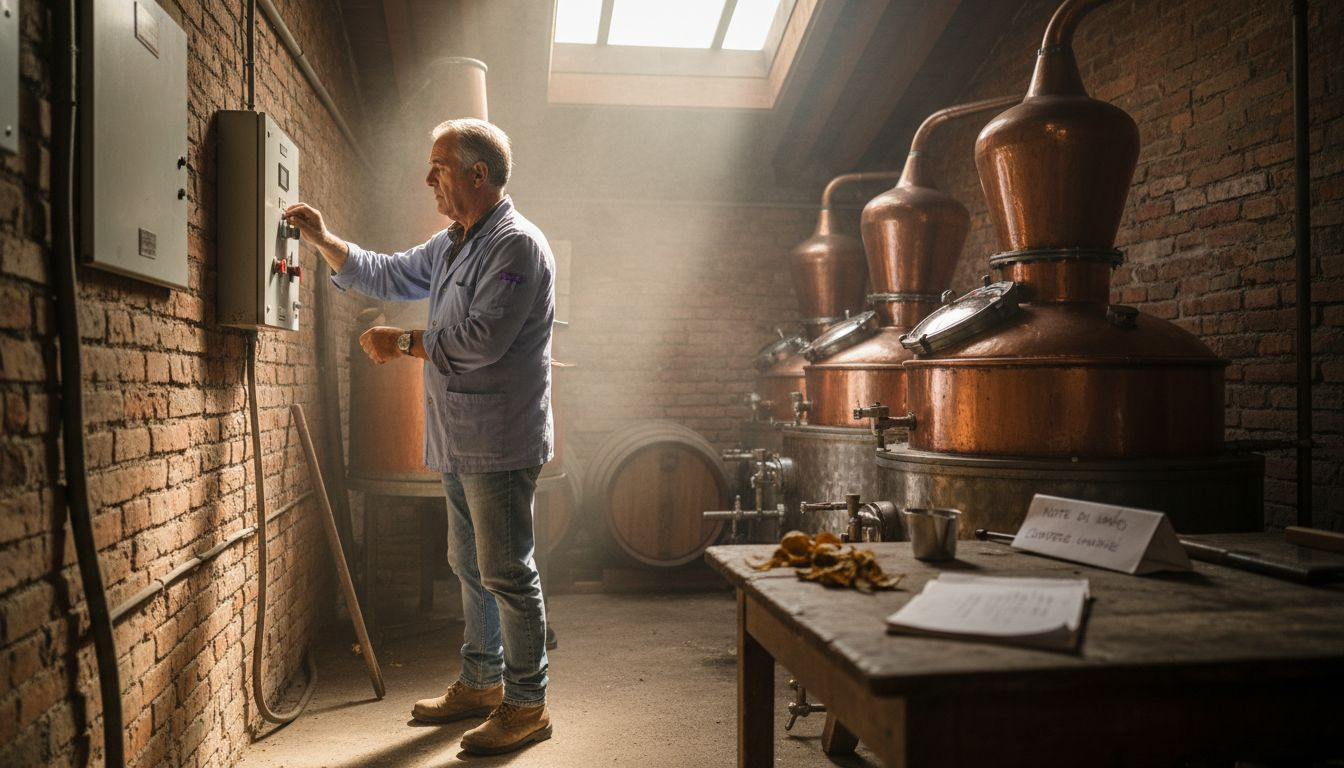
Old Tom Gin stands out for a slight sweetness that makes it ideal for classic cocktails. This type was popular in the 18th century and is now being rediscovered by craft distilleries seeking softer, more accessible profiles. The sweetness comes from infusion techniques or the controlled addition of natural sugars.
Macerated gins represent the most creative expression of Italian distillation art. Botanicals are left to infuse in alcohol for prolonged periods, extracting essential oils and aromatic compounds that impart unique complexity. This method allows for the enhancement of delicate ingredients that would not withstand traditional distillation.
Italian craft gins are characterized by the use of local botanicals such as juniper, Mediterranean citrus, alpine herbs, and wild flowers. Each distinctive Italian botanical contributes specific notes to the final profile of the spirit.
| Botanical | Origin | Aromatic effect |
|---|---|---|
| Tuscan juniper | Tuscany | Intense resinous and balsamic notes |
| Amalfi lemon | Campania | Mediterranean citrus freshness |
| Alpine melissa | Alps | Delicate and relaxing herbaceous hints |
| Italian coriander | Puglia | Warm and enveloping spice |
| Elderflowers | Apennines | Elegant floral sweetness |
Alpine botanicals like gentian and edelweiss bring mountain freshness and distinctive herbaceous notes. Southern Italian citrus adds vibrancy and brightness to the aromatic profile. Each craft distillery creates its own botanical recipe, balancing these elements to tell the story of its territory through the glass.
Craft production and sustainability in Italian gins
Italian craft gin is often produced in small batches with attention to sustainability and the use of organic alcohol. Small-batch production allows for rigorous control over temperature, infusion times, and botanical selection, ensuring high quality standards impossible in industrial productions.
Slow infusion is a technique that requires patience but rewards with superior aromatic complexity. Botanicals are macerated for days or weeks, allowing for the gradual extraction of essential oils and volatile compounds that define the gin's character. This approach respects the natural timing of the ingredients and enhances every aromatic nuance.
Pro Tip: Look for distilleries that transparently declare the use of certified organic alcohol and zero-kilometer botanicals. These details indicate a commitment to quality and sustainability.
Eco-sustainable packaging has become a priority for many Italian craft producers. Recycled glass bottles, certified paper labels, and reusable boxes reduce environmental impact without compromising aesthetics. Sophisticated design integrates with ecological responsibility, creating products that respect the planet.
Italian distilleries committed to the environment implement virtuous practices:
- Recovery of distillation waste for composting or biogas
- Use of renewable energy to power stills
- Partnerships with local farmers for certified organic botanicals
- Reduction of unnecessary packaging and use of biodegradable materials
- Reforestation programs to offset production emissions
Sustainability is not only environmental ethics but also a guarantee of quality. Botanicals grown without pesticides express purer and more defined aromas. Organic alcohol eliminates chemical residues that could alter the taste profile. The result is a cleaner, more complex gin that respects the territory from which it originates.
Price, accessibility, and availability in the Italian market
The average price of quality Italian craft gin ranges between 30 and 50 euros, compared to less than 20 euros for industrial gins. This difference reflects higher production costs: selected botanicals, small batches, prolonged infusion time, and refined packaging require investments that are reflected in the final price.
The quality-price ratio becomes favorable when you consider the overall experience. A craft gin at 40 euros offers aromatic complexity, collectible design, and storytelling that transform every tasting into a special moment. The added value goes beyond a simple spirit, including visual art and cultural narration.
| Category | Price range | Characteristics | Availability |
|---|---|---|---|
| Industrial gin | 15-25 euros | Standard production, basic botanicals | Supermarkets, large-scale distribution |
| Entry-level craft gin | 25-35 euros | Small batch, local botanicals | Wine shops, online |
| Premium craft gin | 35-50 euros | Limited edition, refined design | Specialized e-commerce |
| Collector's gin | 50+ euros | Numbered productions, luxury packaging | Boutiques, brand websites |
Online sales channels have democratized access to Italian craft gins. Specialized e-commerce platforms offer extensive catalogs with detailed information on botanicals, production methods, and brand history. This facilitates informed comparisons and conscious purchases directly from home.
Physical stores such as wine shops and wine bars allow for tastings before purchase. This direct sensory experience helps identify the preferred aromatic profile and receive personalized advice from expert sommeliers. The combination of online and physical offers maximum flexibility.
Packaging and storytelling justify premium positioning. Screen-printed bottles, illustrated gift sets, and narratives that evoke myths or pop culture create desirable objects beyond their contents. Targeted marketing campaigns and international awards amplify visibility and perceived excellence.
Design, history, and storytelling behind craft gins
Bottle design and brand narrative increase perceived value and influence enthusiasts' choices. Well-designed packaging immediately communicates attention to detail and quality of contents. Original shapes, illustrated labels, and artisanal finishes transform the bottle into a work of art to display.
Local narratives connect the gin to its region of origin. A spirit that tells alpine legends or maritime traditions creates an emotional bond with those who taste it. These stories add depth to the sensory experience, making every sip a cultural journey as well as a gustatory one.
Pro Tip: Explore the importance of design and storytelling to understand how packaging and narrative enrich your tasting experience.
Brand storytelling influences the market and customer loyalty. Passionate consumers seek products with strong identities and shared values. An authentic story creates a community of connoisseurs who follow brand news and actively participate in its dissemination through word-of-mouth and social media.
Brands with a strong visual identity stand out immediately on shelves. Recognizable graphic elements, consistent color palettes, and distinctive symbols facilitate identification and create lasting visual memory. This aesthetic coherence strengthens positioning and reputation over time.
The role of storytelling in purchasing decisions is crucial for enthusiasts:
- Cultural narratives create an emotional connection with the product
- Illustrated packaging communicates brand values and identity
- References to myths or pop culture attract specific target audiences
- Numbered limited editions stimulate collecting and urgency to purchase
- Awards and international recognition validate perceived quality
Pairing guide and use of different types of craft gin
London Dry Gin is preferred for classic cocktails like gin and tonic and Martini, while macerated gins are for more refined and territorial experiences. The aromatic cleanliness of London Dry makes it versatile: the dominant juniper balances perfectly with neutral tonic and simple citrus garnishes like a lemon slice or grapefruit peel.
To prepare a cocktail with craft gin enhancing its distinctive botanicals, follow these practical guidelines:
- Choose a compatible tonic: neutral for complex gins, flavored for simple London Drys
- Respect the 1:3 ratio between gin and tonic for a balanced gin and tonic recipe
- Use plenty of ice to maintain temperature without over-diluting
- Select garnishes that echo the main botanicals of the chosen gin
- Pour slowly to preserve bubbles and volatile aromas
Old Tom Gin excels in classic cocktails like Tom Collins and Martinez. Its natural sweetness balances the acidity of lemon and the bitterness of vermouth, creating smooth and accessible drinks. This type also lends itself to creative variations with craft syrups and Italian bitters.
Macerated gins require a respectful approach to avoid overpowering delicate botanicals. Tasting neat at room temperature allows for full appreciation of the aromatic complexity. Alternatively, minimalist cocktails with only premium tonic and ice allow unique nuances to emerge.
The impact of botanicals guides the choice of tonic and garnish. Gins with Mediterranean citrus are enhanced by slightly bitter tonic and fresh lemon peel. Alpine herbaceous profiles require vegetable garnishes like rosemary or juniper berries. Spiced gins pair well with tonic featuring ginger and pink pepper notes.
Enhance each type on specific occasions, considering context and preferences:
- Summer aperitif: London Dry with Mediterranean tonic and fresh citrus
- Evening cocktail: Old Tom in a Martinez or Negroni for a softer profile
- Exploratory tasting: macerated gins neat to appreciate territory and botanicals
- Casual party: versatile gins in simple and reproducible long drinks
- Refined dinner: premium gins in a dry Martini or signature cocktails
Comparative summary and purchase recommendations
The following table summarizes key differences between types of craft gin to facilitate informed choices based on taste, use, and budget.
| Type | Dominant botanicals | Production method | Price range | Ideal use |
|---|---|---|---|---|
| London Dry | Juniper, coriander, citrus | Multiple distillations without sugars | 30-45 euros | Gin and tonic, Martini |
| Old Tom | Juniper, licorice, sweet botanicals | Distillation with added natural sugars | 35-50 euros | Tom Collins, Martinez |
| Macerated Gin | Variable local botanicals | Slow infusion, small batch | 40-60 euros | Neat tasting |
| Citrus Gin | Lemon, bergamot, grapefruit | Distillation with fresh peels | 32-48 euros | Spritz, long drink |
For beginners, I recommend starting with a medium-quality London Dry. This type offers a recognizable classic profile that helps develop a palate for fundamental botanicals. After understanding the basic balance of juniper and citrus, you can explore more complex variations with unusual botanicals.
Experienced collectors seek limited editions with distinctive storytelling and designer packaging. These numbered productions represent both a gustatory and cultural investment. Check for a certificate of authenticity and detailed information on botanicals and production methods.
Purchase selected products on specialized platforms that guarantee authenticity and offer complete technical data sheets. Niche e-commerce sites carefully select their products and provide pre- and post-sales support. Avoid general marketplaces where you risk counterfeits or poorly preserved products.
Recommendations based on storytelling favor brands with authentic narratives linked to their territory. Gins that tell local traditions or reinterpret regional myths offer a richer experience. The design must be consistent with the narrative, creating a desirable object that enhances your collection.
For informed choices, always evaluate the balance between these factors:
- Aromatic profile compatible with your preferences and occasions of use
- Verifiable and transparent artisanal production method
- Price justified by ingredient quality and production complexity
- Design and storytelling that enrich the experience beyond taste
- Availability on reliable channels with guarantees of authenticity and preservation
Discover Mezzanotte's Unique Craft Gins
Now that you know the criteria for choosing quality craft gin, explore Mezzanotte's curated selection of unique craft gins. Each bottle tells fascinating stories through distinctive Italian botanicals and designs inspired by myths and pop culture.

On the website, you'll find detailed information on the aromatic components of gin, with precise descriptions of each botanical and its contribution to the final profile. We delve into production techniques in our spirits distillation guide to help you recognize authentic craft quality.
Visit Mezzanotte to discover spirits that transform every tasting into a sensory and cultural adventure. Our selection favors Italian producers who combine artisanal tradition with creative innovation and attention to design.
Frequently Asked Questions
What are the most common Italian botanicals in craft gin?
The most common Italian botanicals include Tuscan juniper for resinous notes, Amalfi lemon and bergamot for citrus freshness, and alpine lemon balm for delicate herbaceous hints. Apulian coriander adds warm spice, while elderflower imparts elegant floral sweetness. For maximum authenticity, favor small producers who declare the precise territorial origin of their ingredients and collaborate with certified local farmers.
How does the production method affect the taste of craft gin?
Discontinuous still distillation allows precise control over temperature and time, extracting complex aromatic nuances from the botanicals. Small-batch methods ensure manual attention at every stage, resulting in richer profiles compared to continuous industrial production. Prolonged maceration imparts natural sweetness and aromatic depth that distillation alone cannot achieve, enhancing delicate botanicals like fresh flowers and herbs.
How to choose a craft gin suitable for your needs?
First, consider your desired aromatic profile: London Dry for cleanliness and versatility, Old Tom for sweetness, macerated gins for territorial complexity. Evaluate the importance of design and storytelling in your experience: if you collect designer bottles, prioritize refined packaging and engaging cultural narratives. Balance quality and price by ensuring that the 30-50 euro range corresponds to selected botanicals, documented craft production, and a solid brand reputation.
Which tonic to pair with gin with complex botanicals?
Gin with an articulated botanical profile requires a neutral, premium-quality tonic that does not mask aromatic nuances. Avoid strongly flavored tonics that compete with the botanicals of the spirit. Choose products with fine bubbles and moderate sugar content to balance without being overpowering. Minimal garnish, such as an expressed zest or a juniper berry, enhances complexity without adding contrasting elements.
Do Italian craft gins win international awards?
Many Italian craft gins receive prestigious accolades in global competitions such as the International Wine and Spirit Competition and the World Gin Awards. These awards validate the production quality and creativity of Italian botanical recipes. Check for medals on the label or the producer's website as an indicator of excellence recognized by international juries of spirits experts.
Recommendation
- Tips for Tasting Gin: 57% More Sensory Experience – Mezzanotte | Distillery & Spirits
- Step-by-Step Cocktails with Craft Gin: Easy Guide – Mezzanotte | Distillery & Spirits
- Spirits Distillation Guide 2026: Avoid 40% Common Errors – Mezzanotte | Distillery & Spirits
- 5 Types of Italian Craft Gin 2026: Expert Guide – Mezzanotte | Distillery & Spirits