

Discover how to use vodka in sophisticated Italian mixology. History, advanced techniques, and cultural storytelling to create memorable narrative cocktails.
Master the use of vodka in Italian mixology in 2026
Mar 5, 2026

Many enthusiasts consider vodka a spirit without personality, useful only for diluting other ingredients. This perception ignores its deep Slavic cultural background and its ability to create sophisticated cocktails with a narrative. This guide reveals how to master vodka in Italian mixology, leveraging its history, technical characteristics, and potential for cultural storytelling that distinguishes great bartenders.
Table of Contents
- Introduction to vodka in mixology
- Technical and sensory characteristics of vodka
- Vodka in classic and modern cocktails
- Cultural perspective and trends in Italy
- Demystifying vodka: myths and realities
- Advanced vodka mixology techniques
- Conclusion and recommendations for Italian enthusiasts
- Mezzanotte: your destination for artisanal vodkas and mixology
- Frequently asked questions about vodka in mixology
Key points
| Point | Details |
|---|---|
| History and culture | The origin of vodka between Russia and Poland since the 15th century defines its cultural identity and its role in contemporary mixology. |
| Sensory profile | Contrary to myth, raw materials and distillation provide subtle aromatic notes that enrich each cocktail. |
| Practical versatility | Fundamental base in more than 30 classic cocktails and essential tool for advanced mixological innovation. |
| Italian trend | Italian artisanal mixology integrates vodka with cultural storytelling, creating unique sensory experiences. |
| Advanced techniques | Infusions and temperature control transform vodka into a narrative protagonist of sophisticated cocktails. |
Introduction to vodka in mixology
The origin of vodka remains disputed between Poland and Russia since the 15th century, with each nation claiming its invention. The word vodka derives from the Slavic term voda, meaning water, reflecting its characteristic purity and its ability to integrate into mixed drinks. This etymology reveals the philosophy behind the spirit: transparency, adaptability, and essence.
The global spread of vodka began in the 1950s, driven by the post-Prohibition cocktail culture in the United States. Eastern Europe maintained its cultural importance as a symbol of tradition and hospitality. In Italy, vodka has become a preferred base for sophisticated mixology, especially among bartenders who value its versatility in creating cultural narratives.
Italian enthusiasts discover that vodka allows creative experimentation without compromising balance. Its relatively neutral profile serves as a canvas for Mediterranean ingredients, aromatic herbs, and artisanal techniques. This adaptability makes it an ideal protagonist for cocktails that tell stories.
Key points of vodka's historical origin:
- First documented mentions in Eastern Europe during the 15th century
- Western expansion after World War II
- Mass adoption in American cocktail culture in the 1950s
- Integration into contemporary Italian mixology as a premium spirit
- Current appreciation for its narrative and sensory potential
Technical and sensory characteristics of vodka
Raw materials determine vodka's character. Grains like wheat or rye provide smoothness and slightly sweet notes. Potatoes create a creamy texture with earthy undertones. Sugar beet produces a clean and bright profile. Each origin imprints subtleties that experienced bartenders strategically leverage.
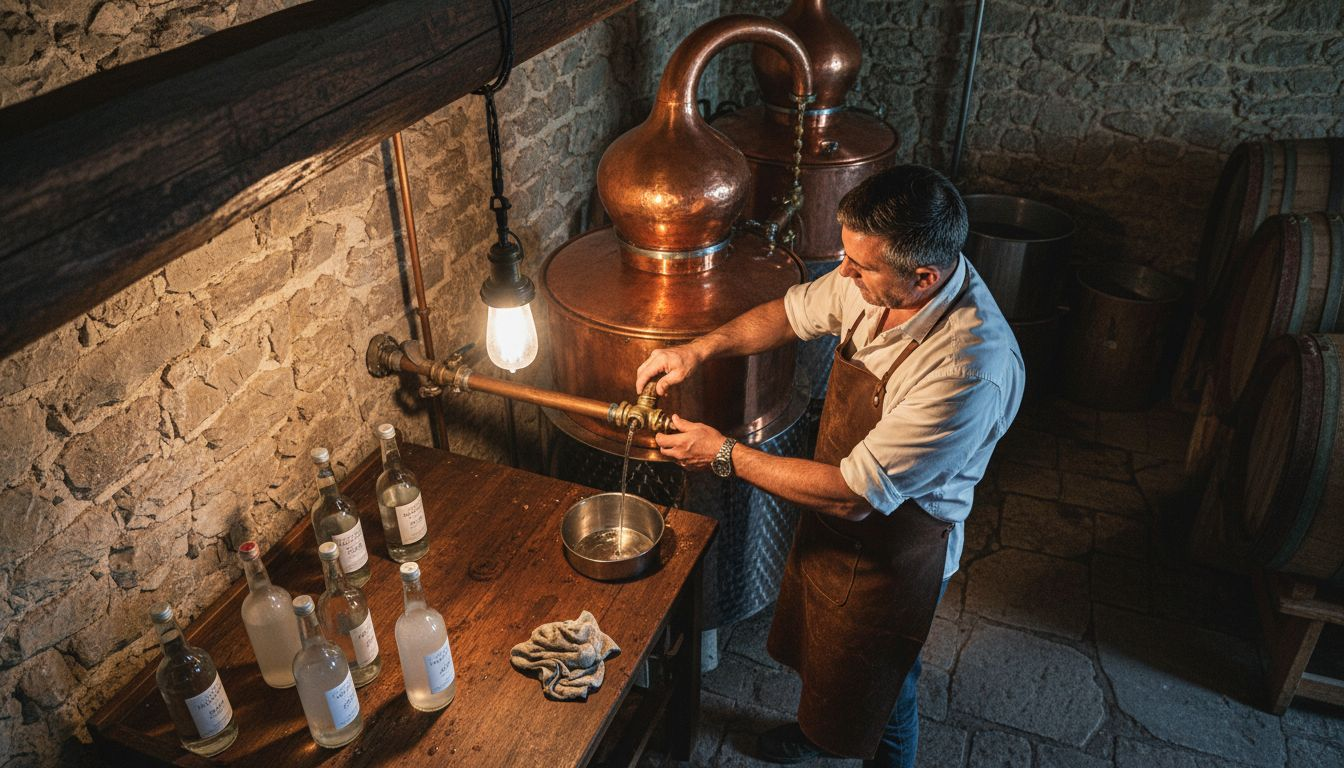
The distillation and filtration process directly impacts purity and final texture. Multiple distillations remove impurities but can also reduce character. Filtration with activated charcoal or innovative methods modulates smoothness without sacrificing personality. The quality of the water used significantly influences the final result.
Comparatively, vodka has one of the most neutral profiles compared to other base spirits like gin or whisky, which expands its range of application in combinations within contemporary mixology. This relative neutrality allows complementary ingredients to shine without aromatic competition.
| Characteristic | Vodka | Gin | Whisky |
|---|---|---|---|
| Aromatic profile | Neutral with subtle nuances | Dominated by juniper and botanicals | Complex with woody notes |
| Versatility in mixes | Very high | Medium-high | Medium |
| Impact on cocktail | Enhances without dominating | Defines main character | Aromatic protagonist |
| Ideal temperature | Intensely cold | Room temperature to cool | Room temperature or with ice |
Essential technical aspects:
- Typical alcohol content between 37.5% and 50%
- Purity influences mixing capacity and smoothness
- Raw material determines secondary aromatic notes
- Water quality affects final mineral profile
Professional tip: Explore types of artisanal vodka in Italy to discover unique profiles that incorporate Mediterranean ingredients and traditional Italian techniques, elevating your cocktails with cultural authenticity.
Vodka in classic and modern cocktails
Vodka, due to its high purity and neutrality, is used in one of the largest volumes of classic cocktails, such as the Bloody Mary, Cosmopolitan, and Moscow Mule, demonstrating its versatility in mixology. These classics show how vodka balances intense flavors without creating aromatic conflicts.
The three iconic vodka cocktails:
- Bloody Mary: Combines vodka with tomato juice, spices, and hot sauce to create a complex savory experience ideal for brunch.
- Cosmopolitan: Blends vodka with triple sec, cranberry juice, and fresh lime for an elegant and balanced profile.
- Moscow Mule: Unites vodka with ginger beer and lime in a copper mug for a characteristic refreshing sensation.
More than 30 traditional recipes use vodka as a base, from the contemporary Martini to the Espresso Martini. This breadth reflects its adaptability to diverse taste profiles and occasions. Modern bartenders leverage this versatility to innovate without losing balance.
Modern applications include:
- Cocktails with Mediterranean ingredients like basil, San Marzano tomato, or limoncello
- Homemade infusions with Italian aromatic herbs
- Narrative presentations that connect with pop culture or mythology
- Molecular techniques that transform texture and temperature
Vodka allows culturally significant ingredients to stand out while providing alcoholic structure. This characteristic is invaluable for creating sophisticated vodka recipes that tell specific stories. Italian bartenders integrate local products to design Italian vodka cocktails that celebrate regional tradition.
Cultural perspective and trends in Italy
Italian interest in artisanal spirits transforms contemporary mixology. Consumers value authenticity, traceability, and an emotional connection with products. In Italy, vodka mixology has emerged as a field of experimentation with artisanal spirits that integrate cultural storytelling, especially for enthusiasts and premium consumers.
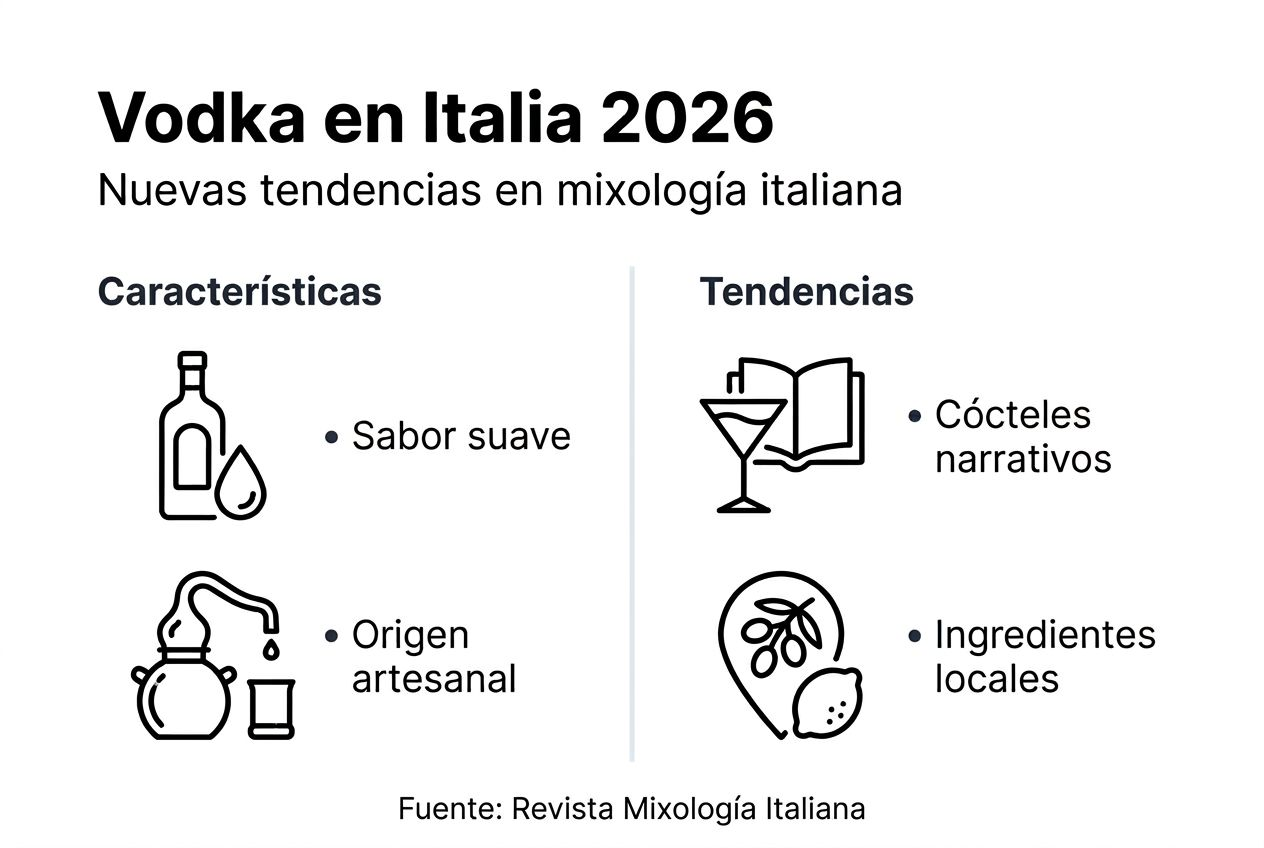
The incorporation of cultural narratives enriches each cocktail beyond taste. Italian bartenders tell stories about ingredients, techniques, or mythological inspiration while preparing drinks. This approach transforms the drinking experience into a memorable and meaningful moment.
Key trends in Italian mixology:
- Preference for artisanal Italian vodkas with a clear regional identity
- Integration of Mediterranean botanicals and local aromatic herbs
- Collaborations between artisanal distilleries and creative bartenders
- Themed events combining mixology with pop culture or anime
- Appreciation of bottle design and presentation as part of the experience
Italian consumers seek complete sensory experiences that involve sight, smell, taste, and narrative. Artisanal mixology in Italy responds by creating cocktails that function as cultural performances. This trend elevates vodka from a simple ingredient to the protagonist of shared stories.
Professional tip: When preparing cocktails with artisanal Italian vodka, research the story behind the product. Sharing details about the producer, region, or technique used transforms an ordinary drink into a cultural experience your guests will remember.
Demystifying vodka: myths and realities
A common myth is that vodka is a tasteless spirit; however, the choice of raw material and the distillation process provide distinct subtle aromatic notes that enhance the cocktail's profile. This misconception limits creative exploration and reduces vodka to a simple diluting alcohol.
Myth versus reality:
- Myth: All vodka tastes the same because it is completely neutral. Reality: Raw material, water, and distillation technique create perceptible differences that affect the final cocktail result.
- Myth: Cheap vodka works the same as premium in mixes. Reality: Quality impacts smoothness, flavor cleanliness, and the absence of undesirable notes that emerge in simple cocktails.
- Myth: Vodka is only for getting drunk quickly. Reality: Expert bartenders use it strategically to balance flavors and create complexity without aromatic conflicts.
- Myth: Filtering homemade vodka improves its quality. Reality: Improper filtering can remove desirable characteristics without significantly improving purity.
Understanding these realities avoids common errors in selection and use. Enthusiasts who experiment with vodka myths discover that careful selection dramatically impacts the outcome. Investing in quality artisanal vodka is not snobbery but a well-founded technical decision.
Temperature also matters more than many realize. Excessively cold vodka can numb taste buds and mask nuances. Optimal temperature allows appreciating subtleties while maintaining characteristic freshness. This precision distinguishes professional mixology from casual mixtures.
Advanced vodka mixology techniques
Techniques for advanced mixologists include using vodka as a neutral base to modulate flavors by combining with authentic cultural ingredients and playing with temperatures and textures. These approaches transform vodka from a passive support to an active protagonist that amplifies narrative.
Essential techniques for sophisticated cocktails:
- Strategic infusions: Macerating vodka with specific ingredients for 24-72 hours extracts targeted aromas. Experiment with Mediterranean citrus, fresh herbs, or toasted spices.
- Precise temperature control: Keeping vodka between -8°C and -12°C optimizes texture without numbing taste buds. Pre-chilled glasses and shakers maintain ideal temperature.
- Aromatic layering: Combining infused vodka with fresh ingredients creates sensory depth. Each layer adds a unique dimension to the complete experience.
- Dilution techniques: Shaking versus stirring affects texture and temperature. Mastering both methods allows consistent and optimal results.
- Narrative presentation: Incorporating visual elements that reinforce cultural history. Garnish, glassware, and mise en place communicate creative intent.
Italian ingredients that work exceptionally with vodka:
- Fresh basil and rosemary for Mediterranean herbal notes
- San Marzano tomatoes for sophisticated Bloody Mary versions
- Homemade limoncello for complex citrus touches
- Amaretto or Frangelico for nutty depth
- Prosecco for elegant effervescent variations
Professional tip: Experiment with advanced vodka mixology techniques by documenting proportions and times. Keeping detailed notes allows you to replicate successes and learn from less successful experiments, accelerating your mixological learning curve.
Conclusion and recommendations for Italian enthusiasts
Vodka transcends its simplistic reputation as a neutral spirit. Its Slavic history, modulable technical characteristics, and narrative versatility position it as an essential tool for sophisticated mixology in Italy. Understanding these dimensions transforms your approach from mechanical to artistic.
Fundamental principles to remember:
- History and culture provide narrative depth that enriches each prepared cocktail
- Technical characteristics directly impact the final result and sensory experience
- Cultural storytelling distinguishes memorable mixology from simple drink preparation
- Quality of ingredients, including base vodka, determines creative potential
- Documented experimentation accelerates learning and development of personal style
To effectively select artisanal Italian vodka, evaluate raw material, distillation process, and cultural narrative. Selecting artisanal vodkas with a clear identity facilitates creating authentic cocktails that resonate with Italian sensibility. Look for producers who share values of authenticity and craftsmanship.
Start with classic recipes to master technical fundamentals. Gradually incorporate personal variations that reflect your creative vision. Each consciously prepared cocktail develops mixological intuition and palate refinement.
The path to mastery requires constant curiosity, willingness to experiment, and humility to learn from unexpected results. The Italian mixology community offers invaluable resources, events, and collaboration opportunities that accelerate professional growth.
Mezzanotte: your destination for artisanal vodkas and mixology
Transform your passion for mixology with Mezzanotte's curated selection of artisanal Italian vodka. Each product incorporates authentic cultural storytelling inspired by mythology, anime, and pop culture, creating sensory experiences that transcend a simple drink.

Explore expert guides on artisanal vodka types that delve into technical characteristics and creative applications. Discover vodka cocktail recipes designed specifically for Italian aficionados who value complexity and narrative. Mezzanotte empowers your mixological development with authentic products backed by international awards and specialized knowledge that distinguishes ordinary preparations from extraordinary ones.
Frequently Asked Questions about Vodka in Mixology
What distinguishes an artisanal Italian vodka from other vodkas?
Artisanal Italian vodka uses local Mediterranean ingredients and traditional techniques that reflect regional identity. Many producers incorporate indigenous botanicals or inherited distillation methods that give a unique character. The cultural storytelling embedded in each bottle transforms the product from a commodity to a narrative experience. Explore artisanal Italian vodkas to appreciate these distinctive differences.
How can I create a narrative cocktail with vodka at home?
Select an artisanal vodka with a clear story that you can share with guests. Choose complementary ingredients that reflect a specific culture or historical moment. Carefully control the temperature and consider infusions that add aromatic depth. Present the cocktail by explaining the inspiration and techniques used to create a complete and memorable experience. Vodka cocktail recipes offer adaptable narrative frameworks.
What are common mistakes when using vodka in mixology?
Believing that all vodka is interchangeable ignores significant differences in purity and aromatic profile. Using vodka as a simple alcoholic diluent wastes its potential to balance and enhance flavors. Ignoring the importance of optimal temperature reduces the sensory impact of the final cocktail. Selecting complementary ingredients without considering aromatic harmony creates discordant results that disappoint.
Does vodka really have no taste, or is that a myth?
It is definitely a myth perpetuated by simplistic marketing. Raw material, water quality, and the distillation process generate subtle but perceptible aromatic notes. Wheat vodka offers a slightly sweet smoothness, while potato vodka provides a creamier texture. Experienced tasters easily distinguish between premium vodkas through careful evaluation of cleanliness, smoothness, and secondary aromatic nuances.
Recommendation
- Top 6 Vodka Cocktails in 2026 for Mixology Enthusiasts – Mezzanotte | Distillery & Spirits
- Vodka Cocktails: 3 Recipes for 70% of Mixologists 2026 – Mezzanotte | Distillery & Spirits
- Top 4 Aperitif Cocktails to Try in 2026 – Mezzanotte | Distillery & Spirits
- Artisanal Italian Vodka: 5 Types with 40% More Aroma – Mezzanotte | Distillery & Spirits