

Discover step-by-step artisan gin cocktails with this practical guide. Follow each stage to create a unique drink from start to perfect finish.
Step-by-step cocktail with artisanal gin: easy guide
Feb 24, 2026

Every good drink lover knows that choosing artisan gin is the first step towards a truly special cocktail. In Italy and other European regions, spirits are created by small producers who value fresh raw materials and local botanicals, creating a unique aromatic profile. Discovering how to select and use the perfect gin means transforming preparation and tasting into an engaging cultural experience, where every ingredient tells an authentic story.
Table of Contents
- Step 1: Select the Perfect Artisan Gin for Your Cocktail
- Step 2: Prepare Fresh Ingredients and Necessary Accessories
- Step 3: Mix the Cocktail Following the Step-by-Step Recipe
- Step 4: Check the Quality and Presentation of the Finished Drink
Quick Summary
| Key Point | Explanation |
|---|---|
| 1. Choose Artisan Gin | The right artisan gin transforms a cocktail. Evaluate botanicals and aromatic profile. |
| 2. Use Fresh Ingredients | Fresh citrus and herbs are essential for cocktail quality. Harvest them just before preparing. |
| 3. Follow Precise Proportions | Mixing requires strict proportions to ensure a balanced and harmonious cocktail. |
| 4. Pay Attention to Presentation | A visually appealing cocktail enhances the sensory experience, engaging sight and smell. |
| 5. Check the Temperature | A perfectly chilled cocktail is crucial for flavor. Chill the glass before serving. |
Step 1: Select the Perfect Artisan Gin for Your Cocktail
Choosing the right gin transforms an ordinary cocktail into a memorable experience. It's not just about grabbing a bottle off the shelf: each gin tells a story through its botanicals, aromatic profile, and territorial origin. When you select an artisan gin, you are choosing a protagonist that will bring character and authenticity to your drink.
Understanding what makes an artisan gin special helps you make informed choices. The best spirits come from small productions that value quality raw materials and traditional techniques. The difference lies in the details: the type of juniper used, the selection of local citrus and spices, and the distillation method.
When examining a gin, consider these key elements:
- Main botanicals: Juniper should be the star, supported by complementary ingredients like citrus peels or coriander
- Aromatic profile: A good artisan gin offers complexity, with notes that evolve from nose to palate
- Territorial identity: Look for one that reflects its place of origin, whether Italian or European
- Alcohol content: Usually between 42 and 47% ABV, it provides balance and stability in the cocktail
Italian artisan gins stand out for their ability to balance local botanicals with refined profiles, creating spirits perfect for creative mixology.
Before buying, taste the gin neat or with a few drops of water. Listen to how your palate responds: are the initial notes fresh and balanced? Is the finish clean or persistent? This sensory exploration reveals the true character of the spirit and how it will perform in your cocktails.
Considering the type of cocktail you will be preparing, choose a gin that complements, not competes with, the other ingredients. A floral gin works well in delicate cocktails, while a spicier one integrates perfectly with bitters and vermouth.
Here is a table comparing different artisan gin profiles and their best uses:
| Gin Profile | Main Aromatic Notes | Ideal Cocktails |
|---|---|---|
| Floral | Lavender, rose, chamomile | Fizzes, delicate Collins |
| Citrusy | Lemon, orange, grapefruit | Fresh Martini, Gin & Tonic |
| Spicy | Pepper, cardamom, ginger | Negroni, Martinez |
| Herbal | Sage, thyme, basil | Southside, fragrant Gimlet |
Professional tip: Visit specialized shops or online platforms dedicated to artisan spirits to discover small producers: they often offer bottles with unique stories that enrich your cocktail experience beyond just taste.
Step 2: Prepare Fresh Ingredients and Necessary Accessories
Before you start preparing your artisan gin cocktail, you need to gather everything you need. Conscious preparation transforms the process from a rush to a ritual, allowing you to focus on the quality of every element that goes into the glass.
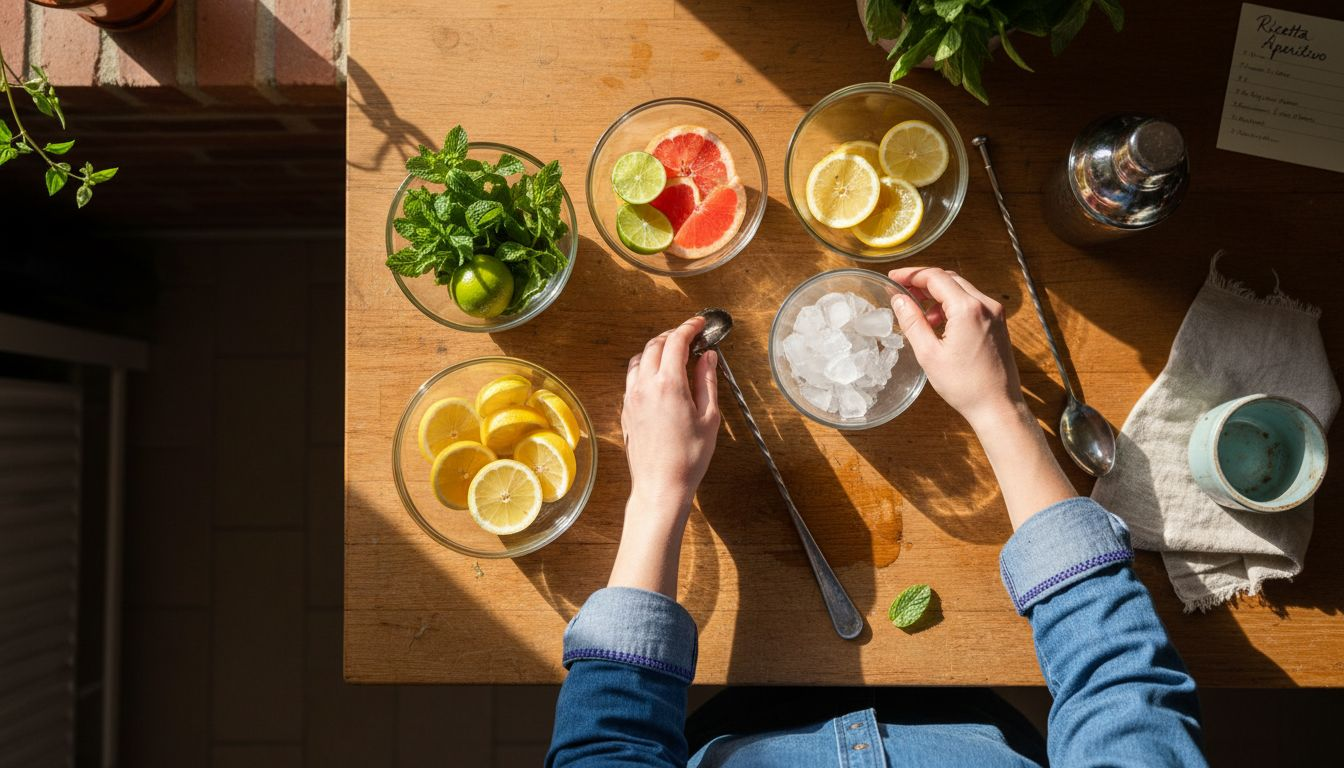
Fresh ingredients are the foundation of an extraordinary cocktail. Lemons and limes should be freshly picked and firm to the touch, not withered. Fresh citrus releases more intense essential oils when squeezed, adding depth and brightness to the drink. Aromatic herbs like mint, thyme, and rosemary should be fragrant and free of dark or wilted parts.
Gather the botanical ingredients you will use:
- Citrus: organic lemons, limes, and oranges for fresh zest and juice
- Aromatic herbs: fresh mint, basil, rosemary, or thyme depending on the cocktail
- Spices: black pepper, nutmeg, fresh ginger according to the profile you desire
- Natural sweeteners: homemade syrups or raw honey to balance
For accessories, you will need quality tools. A wooden or stainless steel muddler gently presses ingredients without crushing them. The strainer filters solids from the liquid, maintaining the clarity of the cocktail. A calibrated jigger ensures precise proportions of each ingredient, which is essential when working with expensive artisan gin.
The quality of your accessories reflects your commitment to meticulous preparation: don't skimp on shakers and measuring tools.
You will also need a mixing glass for cold mixing and a good bar spoon with a long handle. Ice must be high quality: large stainless steel cubes frozen from filtered water stay cold longer and do not over-dilute the drink.
This table summarizes the main accessories and their fundamental function in cocktail preparation:
| Accessory | Main Function | Impact on Quality |
|---|---|---|
| Muddler | Gently muddle ingredients | Enhances aromas and freshness |
| Jigger | Measure precise doses | Ensures flavor balance |
| Strainer | Filter the cocktail | Keeps the drink clear |
| Bar spoon | Stir with control | Promotes proper dilution |
Organize your entire workspace before you begin. This method, called "mise en place," allows you to move with grace and confidence during preparation. You won't have to stop halfway to look for the strainer or muddler.
Professional tip: Prepare fresh ingredients only 20-30 minutes before mixing the cocktail: citrus quickly loses essential oils when exposed to air, and aromatic herbs can darken if cut too early.
Step 3: Mix the Cocktail Following the Step-by-Step Recipe
Now that you've chosen your artisan gin and prepared the ingredients, it's time to transform them into a perfect cocktail. Mixing is not improvisation: it follows precise principles of proportion, temperature, and technique that transform individual components into a harmonious experience.
Start by filling your shaker or mixing glass with ice to the brim. Cold ice is essential to quickly chill ingredients without over-diluting them. If using a shaker, ensure it is dry inside and the seals are perfect to prevent leaks during shaking.
Follow these fundamental steps:
- Pour the artisan gin into the glass or shaker according to the recipe proportions, usually 50-60 ml
- Add the other components such as dry vermouth, bitters, or fresh juices in the right amount
- Stir with ice using a gentle technique if you prefer stirring, or shake vigorously for 10-15 seconds if preparing juice-based cocktails
- Strain into the glass using a double-layered strainer to block ice fragments
- Garnish carefully by adding citrus peels or fresh aromatic herbs
Temperature is crucial. A well-prepared cocktail should reach about 4-5 degrees Celsius. When the outside of the glass feels frozen to the touch, you know it's ready. Do not shake or stir beyond this point, otherwise, you will over-dilute the drink with too much water from the ice.
For classic gin cocktail recipes, maintain strict proportions. For example, a classic Martini requires three parts gin to one part vermouth, no more. Proportions are the bartender's vocabulary, and each recipe tells a story through its balance.
The difference between a mediocre and an extraordinary cocktail often lies in the speed and confidence of mixing: move with purpose, not haste.
If you make mistakes during pouring, don't worry. Start over with fresh ingredients and new ice. Professionals discard imperfect attempts because they know that quality is not compromised.
Professional tip: Pre-chill the final glass by filling it with ice for 30 seconds before pouring the cocktail: this keeps the drink at the right temperature longer and significantly improves the tasting experience.
Step 4: Check the Quality and Presentation of the Finished Drink
The cocktail is almost ready, but this final stage separates amateur bartenders from professionals. Checking the quality and refining the presentation transforms the drink from a simple beverage into a complete sensory experience that engages sight, smell, and taste.
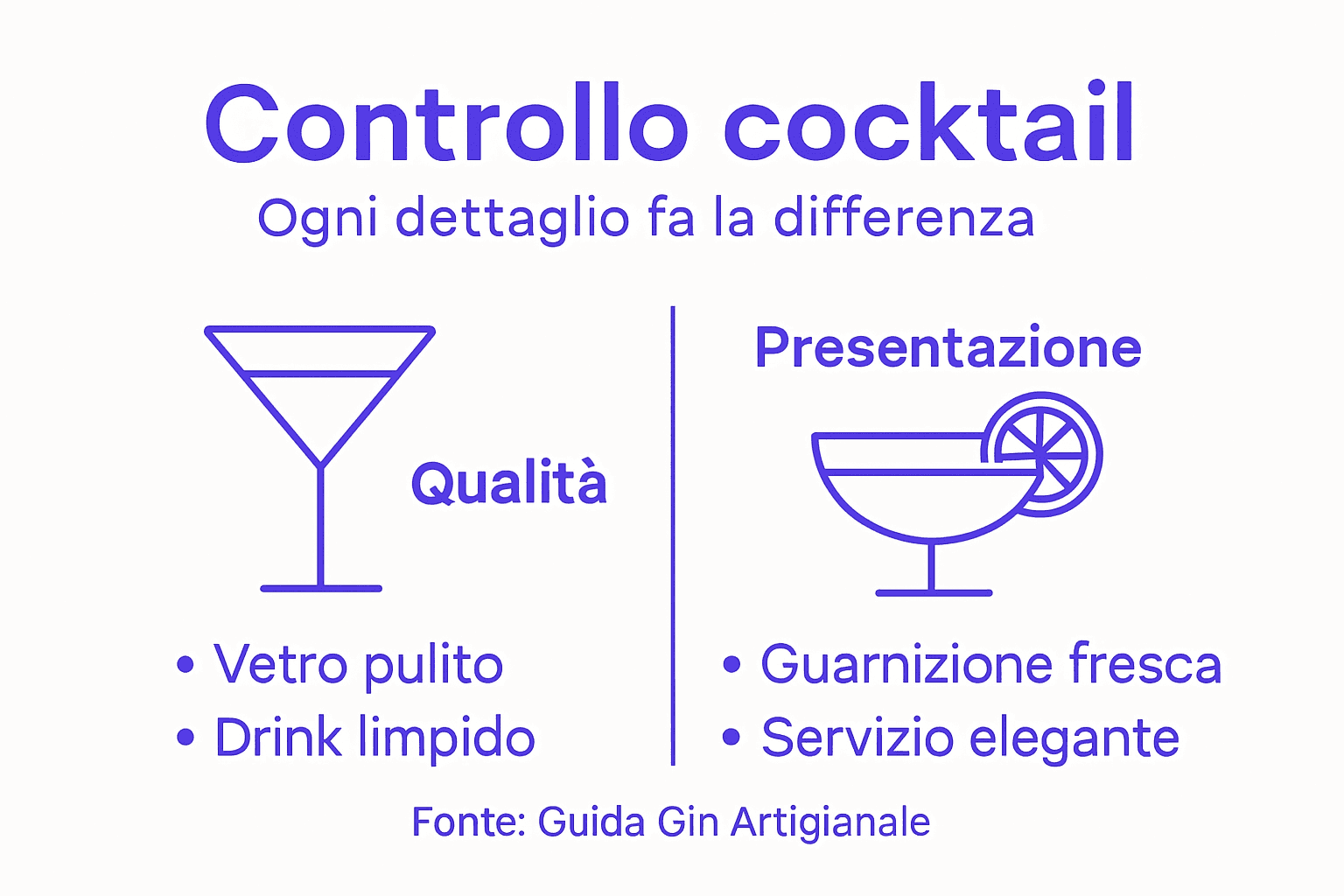
Start by observing the glass itself. It must be perfectly clean, without smudges, fingerprints, or residues from previous drinks. The balance between ingredients and visual presentation creates the initial impression that determines the entire experience. A dirty glass instantly compromises even the most refined cocktail.
Check these aspects of your finished cocktail:
- Clarity and color: The drink must be clear and brilliant, with a color consistent with the recipe
- Ice level: The cubes should float naturally without overflowing the rim
- Fresh garnish: Citrus peels should be uniformly cut, herbs fragrant and free of wilted parts
- Temperature: Touch the outside of the glass to check that it is perfectly chilled
The presentation of the garnish deserves special attention. A lemon twist around the rim adds elegance and releases essential oils when the drinker squeezes it. A strategically placed mint leaf is not just decoration, but contributes to the aroma that precedes the first sip.
Taste the cocktail before serving, if possible. This final quality control allows you to verify that the balance is perfect. If the drink is too sweet, bitter, or unbalanced, you have the opportunity to correct it rather than presenting something mediocre.
A well-presented cocktail engages all the senses: the sight of the brilliant color, the aroma of the garnish, the sensation of cold, and finally the harmonious taste of the ingredients.
Service is part of the presentation. Place the glass in front of the drinker with elegance, do not toss it onto the table. Briefly mention the ingredients, especially the artisan gin you carefully selected.
Professional tip: If you prepare the cocktail more than 5 minutes before serving, adding a single large ice cube at the time of presentation keeps the drink cold without further diluting it during consumption.
Discover the Perfect Artisan Gin for Your Cocktails
Choosing the right artisan gin is the key to transforming every cocktail into an unforgettable experience. If you are wondering how to balance botanicals, aromatic profiles, and mixing techniques to achieve the ideal drink, this is your opportunity to explore an exclusive selection. On Mezzanotte Spirits, you will find high-quality Italian spirits specifically designed to enhance every sip and make every preparation a unique moment.

Enter the world of our Italian Artisan Gin | Unique Botanicals and discover how carefully selected raw materials and artisanal tradition can make a difference in your cocktail. If you want to broaden your experience, don't miss our collection of Italian Craft Spirits | Gin, Vodka, Bitters – Mezzanotte Spirits to discover unique products that combine culture and taste. Visit Mezzanotte now and transform your passion for cocktails into a journey of authentic flavors and stories to tell.
Frequently Asked Questions
What botanicals should I look for in an artisan gin?
Juniper should always be the star. Look for gins with complementary botanicals such as fresh citrus, coriander, or local spices for a rich and complex taste experience.
How can I ensure the freshness of ingredients for cocktails?
Use fresh citrus and aromatic herbs, harvested just before preparation. Make sure lemons and limes are firm to the touch and fragrant to enhance the flavor of your cocktail.
What is the best way to mix a cocktail with artisan gin?
Pour the gin and other ingredients into a shaker filled with ice and shake vigorously for 10-15 seconds. This ensures optimal mixing and an ideal temperature for your drink.
How can I check the quality of the finished cocktail?
Check that the glass is clean and the drink is clear, paying attention to a fresh and well-presented garnish. Taste the cocktail to check the balance of flavors before serving.
What can I do if the cocktail is too sweet or bitter?
You can add a little lime or lemon juice to balance the sweetness, or a splash of sweet syrup if it's too sour. Remember to test small amounts and taste frequently while mixing.
What accessories are essential for preparing cocktails with craft gin?
You'll need a muddler, jigger, strainer, and bar spoon. These tools will help you measure, mix, and present cocktails professionally.
Recommendation
- Gin Cocktails: A Complete Guide to Making Classics and Contemporary Cr – Mezzanotte | Distilleria & Spirits
- Gin Cocktails: A Complete Guide, Recipes, and Creative Ideas – Mezzanotte | Distilleria & Spirits
- Italian Gin Guide: Discover the Secrets of 2026 – Mezzanotte | Distilleria & Spirits
- The Complete Guide to Gin Italy: Explore Flavors and Tradition 2026 – Mezzanotte | Distilleria & Spirits