

Discover what makes Italian gin unique: indigenous Mediterranean botanicals, ancient artisanal techniques, and cultural narrative that define its unmistakable identity compared to other gin styles.
What sets Italian gin apart: tradition and flavor 2026
Mar 10, 2026

Italian gin is not merely another version of the classic London Dry, although many might think otherwise. It is a spirit with its own identity, shaped by indigenous Mediterranean botanicals and artisanal techniques refined over generations. Italy has cemented its position as an emerging leader in the world of craft gin, winning over discerning palates with a rich and authentic cultural narrative that connects regional tradition with exceptional quality in every sip.
Table of Contents
- Introduction to Italian Gin and its Uniqueness
- Unique Botanicals and Aromatic Profiles of Italian Gin
- Artisanal Methods and Small-Batch Production
- Sensory and Compositional Comparison with Other Gin Styles
- Cultural Narrative and Regional Identity in Italian Gin
- Common Mistakes and Misconceptions about Italian Gin
- Conclusion: How to Choose and Enjoy an Authentic Italian Gin
- Explore Our Exclusive Craft Italian Gin
- Frequently Asked Questions
Key points
| Point | Details |
|---|---|
| Unique Mediterranean botanicals | Myrtle, Sabina juniper, and indigenous citrus fruits create distinctive fresh and herbaceous aromatic profiles. |
| Exclusive artisanal production | Small batches and copper stills ensure precise control, freshness, and superior quality. |
| Authentic cultural narrative | Each gin reflects Italian regional traditions with unique storytelling that adds emotional value. |
| Balanced sensory profile | Softer and fresher than other styles, with balanced Mediterranean citrus and floral notes. |
| Certified authenticity | International awards, local botanicals, and traditional techniques validate the product's genuineness. |
Introduction to Italian gin and its uniqueness
Italy has positioned itself as a prominent hub in craft gin production over the last decade, transforming its distilling tradition into a distinctive offering that attracts collectors and premium gin lovers worldwide. Global interest in Italian gin has grown thanks to the fusion of impeccable artisanal quality and cultural narratives that connect each bottle with its geographical and emotional origin.
Italian master distillers combine inherited local tradition with carefully selected Mediterranean botanicals, achieving unique aromatic profiles that do not replicate British or American formulas. This approach respects the Italian terroir, leveraging ingredients such as Sardinian myrtle, Tuscan Sabina juniper, and Sicilian citrus to build a distinct and unmistakable sensory identity.
The growing diversity of craft producers constantly experiments with indigenous botanicals, refined ancestral techniques, and innovative macerations that preserve regional character while exploring new taste horizons. Emerging brands and family distilleries receive international awards that validate their excellence, strengthening Italy's reputation in specialized competitions where Anglo-Saxon producers once dominated.
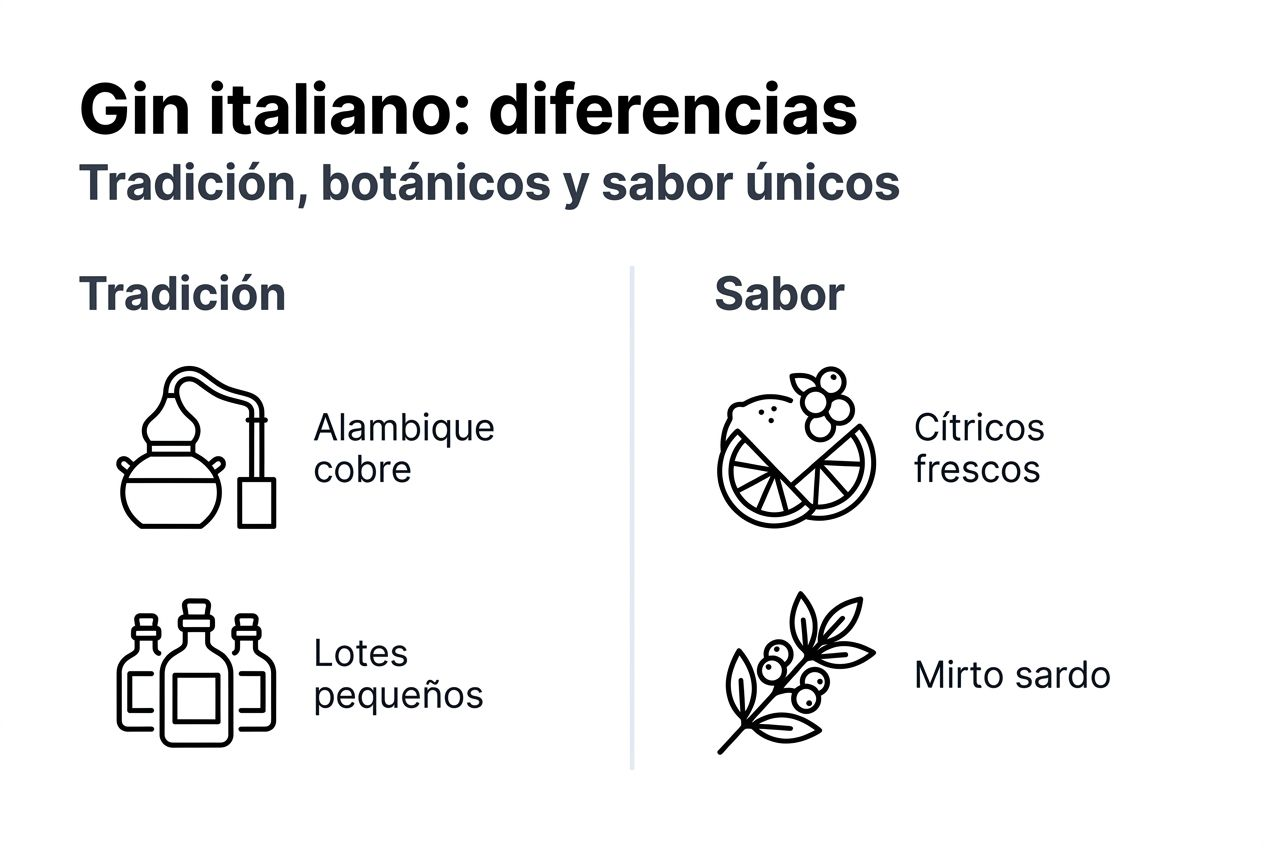
This growth is no accident. Italian artisanal micro-production prioritizes quality over volume, allowing for meticulous control at every stage of the distilling process. From the manual selection of botanicals to slow distillation in traditional copper stills, every decision aims to enhance the unique organoleptic characteristics that only Italy can offer.
Understanding these foundations helps to appreciate why Italian gin is not interchangeable with other styles. Its value lies in authenticity, certified origin, and techniques that reflect centuries of Mediterranean distilling culture. Exploring the types of craft gin reveals a broad spectrum where Italy shines brightly.
Unique botanicals and aromatic profiles of Italian gin
Indigenous Italian botanicals define the distinctive sensory character that sets Italian gin apart from its international counterparts. Myrtle, Sabina juniper, and Mediterranean citrus bring a fresh herbal and citrusy quality that creates a balanced bouquet, moving away from the resinous and dry profile typical of British juniper. These ingredients reflect the Mediterranean flora shaped by the coastal climate, sea breezes, and intense sunlight characteristic of the Italian peninsula.
Italian juniper is naturally softer and less pungent than its London cousin. This softness allows other botanicals to shine without aggressively competing for aromatic prominence. Sardinian myrtle adds balsamic and slightly sweet notes that round out the profile, while Sicilian citrus adds vibrancy without overwhelming acidity.
Key botanical components include:
- Tuscan Sabina juniper: Less resinous, rounder, and softer than Nordic varieties
- Sardinian myrtle: Balsamic herbaceous notes with a slight natural sweetness
- Mediterranean citrus: Bergamot, Amalfi lemon, and Sicilian oranges provide balanced citrus freshness
- Rosemary and wild thyme: Mediterranean aromatic herbs that add herbal depth
- Orange blossoms: Contribute floral delicacy without dominating the overall aroma
This botanical combination creates a fresh, floral, and herbaceous sensory profile with a citrus base that is surprisingly versatile. It works excellently in classic gin and tonics but also in complex cocktails where its smoothness allows it to integrate without overshadowing other premium ingredients. The aromatic components of Italian craft gin reveal a complexity that unfolds progressively on the palate.
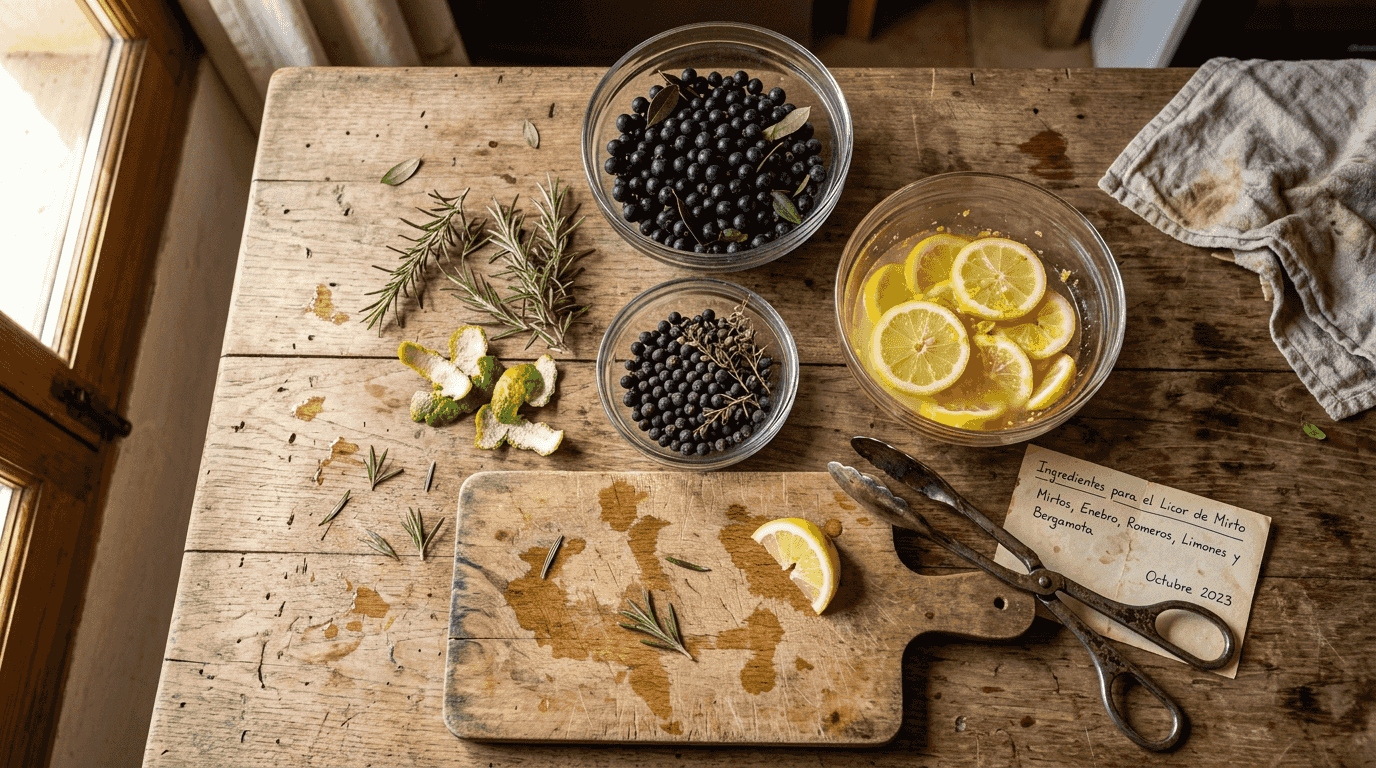
The maceration and distillation process respects long periods, allowing for complete extraction of essential oils without bitterness. Italian distillers adjust temperature, time, and method according to each botanical, achieving harmony instead of unilateral dominance of juniper. This holistic approach clearly distinguishes the Mediterranean approach from the industrial.
Artisanal methods and small-batch production
Italian craft gin production is based on small copper stills that allow for millimeter-perfect control over temperature, pressure, and distillation times. These traditional stills, often inherited over generations, ensure that each batch maintains qualitative consistency while preserving the aromatic subtleties that characterize Mediterranean spirits.
Micro-production in limited batches ensures incomparable freshness. The main steps include:
- Manual selection of fresh or dehydrated botanicals with rigorous quality standards and certified origin
- Controlled maceration in high-proof neutral alcohol for periods that vary depending on the specific botanical
- Slow distillation in a copper still with careful separation of heads, hearts, and tails to capture only the optimal aromatic fraction
- Gradual reduction with demineralized water until the desired alcohol content is reached without thermal shock that alters the profile
- Post-distillation resting that allows for complete aromatic integration before bottling
This approach contrasts sharply with massive industrial productions where speed and volume sacrifice sensory nuances. Italian craft gin prioritizes excellence over quantity, allowing constant experimentation with new local botanicals while maintaining regional stylistic coherence.
Professional tip: When choosing authentic Italian gin, look for information about the batch size on the label or the producer's website. Numbered batches or limited productions indicate genuine artisanal commitment, not just superficial marketing.
Small-batch production also facilitates complete traceability from botanical to bottle. Demanding consumers can verify the origin, distillation date, and specific characteristics of the purchased batch, building trust and an emotional connection with the product that transcends a simple commercial transaction.
Sensory and compositional comparison with other gin styles
Understanding the technical and sensory differences between Italian gin and other popular styles helps in making informed decisions based on personal preferences and consumption occasions. The profile of Italian gin stands out for its smoothness, Mediterranean balance, and moderate alcohol content, which facilitates pure tasting or use in delicate cocktails.
| Characteristic | Italian Gin | London Dry Gin | American Gin |
|---|---|---|---|
| Alcohol content | 40-45% ABV | 47-50% ABV | 40-47% ABV |
| Dominant botanical | Balanced citrus-herbal | Pronounced juniper | Experimental variable |
| Aromatic profile | Fresh, floral, Mediterranean | Dry, resinous, classic | Innovative, bold |
| Production method | Artisanal small batches | Industrial or artisanal | Mostly artisanal |
| Botanical origin | Indigenous Mediterranean | Traditional imported | Experimental local |
Key sensory differences include:
- Smoothness on the palate: Italian gin exhibits a silky texture with a persistent but not aggressive finish
- Aromatic complexity: Citrus, floral, and herbal layers unfold progressively
- Mixological versatility: Works well in simple gin and tonics as well as complex cocktails without dominating other ingredients
- Sensory accessibility: A less intimidating profile for new consumers in the world of premium gin
Traditional London Dry gin prioritizes juniper as the undisputed star, creating dry and direct profiles that some palates find too intense. American gin explores experimental territories with unusual botanicals, generating innovative but less stylistically consistent results. Italian gin balances tradition with moderate innovation, respecting its Mediterranean heritage while refining ancestral techniques.
Cultural narrative and regional identity in Italian gin
Italian regions impart unique characteristics based on local flora, inherited distilling traditions, and cultural heritage that transcends mere gastronomy. Tuscany contributes herbal elegance with Sabina juniper and wild rosemary. Piedmont integrates alpine botanicals that add mountain freshness. Sicily exploits indigenous citrus that defines sunny and intense profiles.
Cultural storytelling significantly enhances the perceived value of Italian gin, connecting each bottle with local stories, regional myths, and family traditions that enrich the consumption experience beyond the simple act of drinking. This narrative differentiates craft products from anonymous industrial spirits, building emotional loyalty among consumers seeking authenticity.
Distinct cultural elements include:
- Family heritage: Multi-generational distilleries that preserve ancestral recipes adapted to contemporary sensibilities
- Mediterranean terroir: Botanicals shaped by specific regional climate, soil, and agricultural traditions
- Artistic iconography: Labels inspired by Renaissance art, classical mythology, or popular culture that reflect Italian identity
- International awards: Recognitions in specialized competitions that validate technical excellence and creativity
Professional tip: Value the regional origin and the producer's history when choosing Italian gin. Brands with an authentic cultural narrative tend to reflect a greater artisanal commitment than those focused exclusively on superficial marketing without genuine traditional backing.
The Italian premium spirits stand out in international competitions not only for technical quality but also for their ability to communicate unique cultural identity. This positioning strengthens Italy's reputation in global markets where premium consumers seek products with soul, history, and significant emotional connection.
Common mistakes and misconceptions about Italian gin
Many consumers confuse Italian gin with a simple regional variant of London Dry gin, underestimating the fundamental differences that define its unique character. This misconception limits the genuine appreciation of its distinctive qualities and leads to incorrect expectations that affect the tasting experience.
The most frequent misunderstandings include:
- Believing it's London Dry gin with Italian marketing: Italian gin has its own botanical identity; it is not a copy with a different label
- Assuming that juniper dominates the profile: Mediterranean botanicals create balance where no single ingredient aggressively prevails
- Confusing genuine craftsmanship with marketing: True quality comes from traditional techniques and sincere micro-production, not sophisticated advertising campaigns
- Underestimating regional diversity: Each Italian region contributes unique botanical characteristics shaped by specific local terroir
- Ignoring international awards: Recognitions in specialized competitions objectively validate Italian technical excellence
Another common mistake is prioritizing price over authenticity. Genuine Italian gins require investment in selected botanicals, artisanal production, and adequate resting time, justifying prices higher than massive industrial spirits. The guide for premium gin lovers clarifies criteria for identifying authentic quality versus superficial marketing.
Recognizing these mistakes allows for a correct appreciation of the distinctive qualities of Italian gin, avoiding unfair comparisons with different styles that respond to alternative distilling philosophies. Each style has its own merit within its specific cultural and technical context.
Conclusion: how to choose and enjoy an authentic Italian gin
Selecting genuine Italian gin requires attention to specific details that reveal authentic artisanal commitment. Follow these practical steps:
- Verify botanical origin: Look for explicit mentions of myrtle, Sabina juniper, and Mediterranean citrus in the product description
- Confirm artisanal production: Numbered batches, information about copper stills, and limited production size indicate authenticity
- Research the narrative: Brands with family history, deep regional connection, and genuine cultural storytelling often prioritize quality
- Check awards: International recognitions in specialized competitions objectively validate technical excellence
- Taste correctly: First, try it neat at room temperature to appreciate its aromatic complexity before mixing it.
The ideal tasting begins with visual observation to appreciate its crystalline clarity. It continues with gentle sniffing that reveals progressive aromatic layers. The first sip should be held in the mouth, allowing the alcohol to dissipate and the botanicals to emerge. The persistent finish confirms quality when it leaves a clean sensation without residual bitterness.
Pro tip: Purchase from recognized distilleries, specialty stores, or e-commerce platforms dedicated to premium spirits, as the exclusive spirits buying guide suggests. This ensures authenticity, proper storage, and access to detailed information about each product.
Italian gin is best enjoyed in simple gin and tonics with a neutral premium tonic that respects the botanical nuances, or in classic cocktails where its smoothness allows harmonious integration without overpowering other ingredients. Its Mediterranean versatility makes it an excellent choice for both contemplative tasting and creative mixology.
Explore our exclusive artisanal Italian gin
Now that you understand what makes Italian gin unique, we invite you to discover our carefully curated selection of artisanal spirits that embody all the tradition, quality, and cultural narrative explored in this article. Mezzanotte offers Italian gins produced in small batches with indigenous Mediterranean botanicals, refined ancestral techniques, and authentic storytelling that connects each bottle to its regional origin.

Each product reflects the commitment to artisanal excellence that distinguishes contemporary Italian distillation. Our collection of artisanal gin presents diverse aromatic profiles that capture the Mediterranean essence in every sip, backed by international awards and specialized critical recognition.
For palates seeking equally refined alternatives, our artisanal Italian vodka offers exceptional purity and distinctive character that perfectly complements the premium spirits experience. Explore, discover, and enjoy genuine Italian authenticity with the confidence of a store that deeply understands and respects artisanal tradition.
Frequently asked questions
What botanical ingredients make Italian gin unique?
Sardinian myrtle, Tuscan sabina juniper, and Mediterranean citrus fruits such as bergamot and Amalfi lemon define the distinctive botanical character of Italian gin. These indigenous ingredients provide herbal freshness, balanced citrus notes, and aromatic smoothness that contrast with the intense resinous profile of classic British juniper, creating a unique and unmistakable Mediterranean bouquet.
How to know if an Italian gin is authentic and artisanal?
Verify small-batch production with specific numbering, declared use of traditional copper stills, and explicit mention of indigenous Mediterranean botanicals in the product description. Genuine brands highlight their regional cultural narrative, international awards received, and commitment to inherited artisanal techniques, clearly distinguishing themselves from industrial products with superficial marketing.
How does the sensory profile of Italian gin differ from London gin?
Italian gin presents a softer, fresher, and more balanced profile with a predominance of citrus, floral, and Mediterranean herbal notes that create botanical harmony without aggressive juniper dominance. London gin stands out for its dry, resinous, and pronounced juniper character that clearly defines the classic British profile, resulting in a more intense and direct experience compared to the Italian Mediterranean smoothness.
What is the typical alcohol content of artisanal Italian gin?
Most artisanal Italian gins range between 40% and 45% alcohol by volume, a moderate alcohol content that facilitates neat tasting and allows for full appreciation of botanical nuances without excessive alcoholic aggression. This balanced alcohol content contrasts with traditional London gins that frequently reach 47% to 50% ABV, resulting in a more intense and less accessible experience for sensitive palates or new consumers of premium spirits.
Recommendation
- Italian Gin Guide: Discover the Secrets of 2026 – Mezzanotte | Distilleria & Spirits
- The Complete Guide to Gin Italy: Explore Flavors and Tradition 2026 – Mezzanotte | Distilleria & Spirits
- Types de gin italiens 2026 : guide complet pour amateurs – Mezzanotte | Distilleria & Spirits
- What defines a premium gin: a guide for Italian lovers – Mezzanotte | Distilleria & Spirits