

Discover Gin Culture: History, Craftsmanship, Storytelling, and 2026 Trends. A comprehensive guide for authentic craft spirit enthusiasts.
What is Gin Culture: A Comprehensive Guide 2026
Mar 10, 2026

The culture of gin is often mistakenly reduced to a mere dry and bitter spirit. However, it encompasses a fascinating richness: medicinal history, meticulous craftsmanship, audacious aromatic innovation, and captivating storytelling. This guide reveals how these elements transform each tasting into a unique cultural adventure, where every drop tells a story and every bottle embodies a living tradition.
Table of Contents
- Introduction to Gin Culture
- Craftsmanship at the Heart of Gin Culture
- Narrative and Storytelling in Craft Gin Culture
- Common Misconceptions About Gin Culture
- Current Trends and the Place of Gin Culture in Central Europe
- Practice and Celebration: How to Fully Experience Gin Culture
- Discover Our Selection of Unique Craft Gins
- What is Gin Culture?
Key Takeaways
| Point | Details |
|---|---|
| Historical Origins | Gin originated in the 17th century, first used as a medicinal remedy before becoming an iconic spirit in England. |
| Differentiating Craftsmanship | Artisanal methods involve slow maceration with over 10 local botanicals, creating complex aromatic profiles impossible to replicate industrially. |
| Cultural Storytelling | 80% of craft distilleries incorporate a strong narrative inspired by myths, local art, or pop culture to enrich the customer experience. |
| European Growth | Central Europe has seen a 35% growth in craft gins since 2020, combining innovation with strong regional identity. |
| Accessible Practice | Participating in tastings, exploring varied aromatic profiles, and supporting local producers allows for a full experience of this culture. |
Introduction to Gin Culture
Gin culture goes far beyond the image of a strong liquor reserved for classic cocktails. It draws its origins from a fascinating medicinal history, dating back to the 17th century. At that time, Dutch genever served as a remedy for digestive ailments and fevers. The popularization of gin then spread to England, where it became a pillar of British society, creating a solid artisanal tradition.
Gin is distinguished by its central ingredient: the juniper berry. This aromatic base gives the spirit its emblematic character. Yet, distillers never stop there. They add a palette of botanicals: coriander, angelica, citrus, local herbs. Each combination creates a unique taste profile.
Understanding the historical legacy of gin allows for a better appreciation of its evolution. Here are the key steps:
- Medicinal origin in the Netherlands, used by doctors and apothecaries
- Mass adoption in England in the 18th century, during the "Gin Craze" period
- Development of refined distillation techniques to improve quality
- Transition from therapeutic use to social and festive consumption
This historical context explains why modern gin culture values authenticity and ingredient provenance so much. Enthusiasts now seek craft gins that tell a story, that respect traditional methods while innovating.
Craftsmanship at the Heart of Gin Culture
Craftsmanship truly defines what separates an exceptional gin from an anonymous industrial product. Craft distilleries adopt meticulous techniques, often passed down through generations. The slow maceration of botanicals in neutral alcohol allows for optimal extraction of aromas. Unlike rapid industrial methods, this patient approach preserves aromatic complexity.
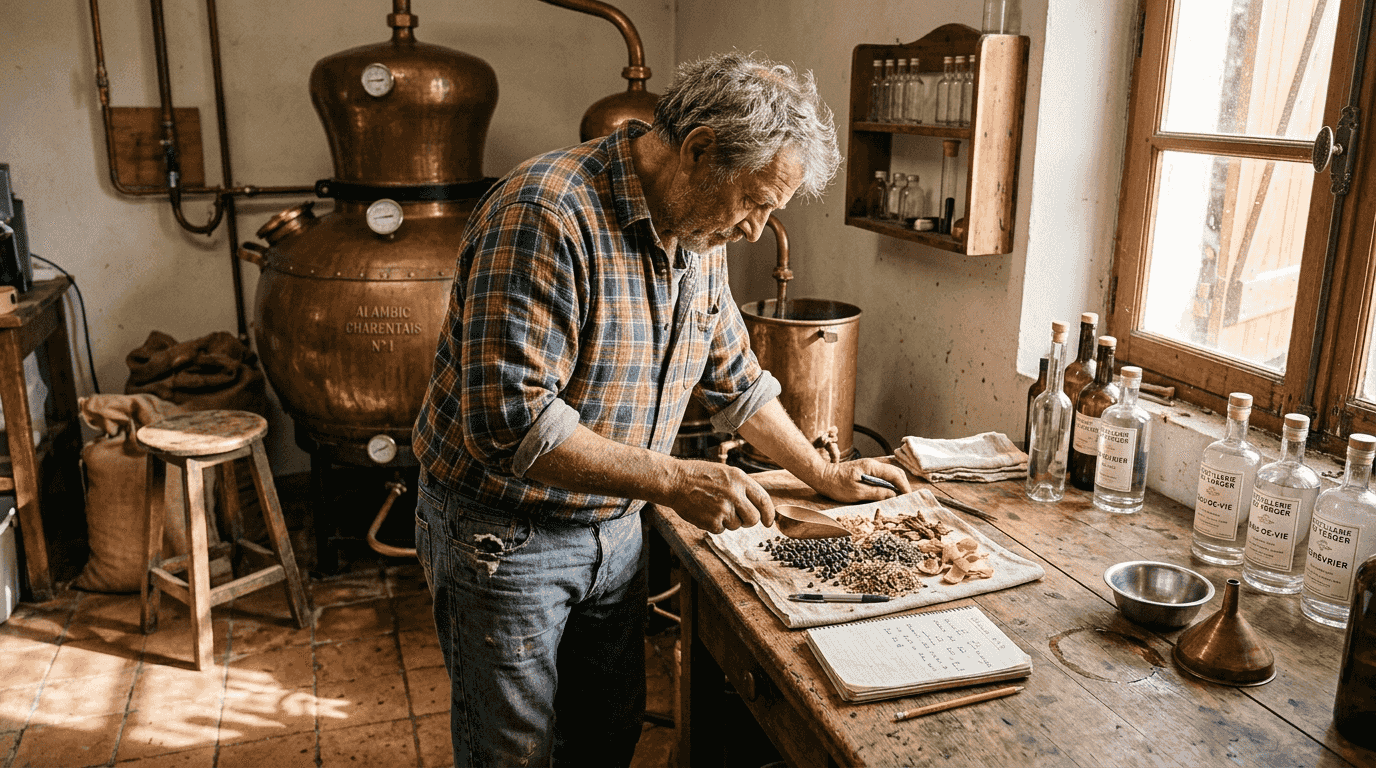
Artisanal methods use more than 10 local botanicals per product, each contributing a subtle nuance. Imagine a taste symphony: each ingredient plays its part. Citrus offers freshness, roots bring earthy depth, flowers add delicacy. This diversity creates a sensory experience impossible to reproduce in mass production.
The difference between craft and industrial gin is based on several technical factors:
- Fractional distillation in small batches versus standardized mass production
- Rigorous selection of botanicals from specific terroirs versus generic ingredients
- Extended resting time after distillation to harmonize flavors
- Manual control at each stage versus complete automation
The provenance of ingredients directly influences the final taste profile. 73% of premium Italian gins will value local botanicals in 2026, creating distinctive regional signatures. A Tuscan gin using wild rosemary and Sicilian lemon offers a totally different identity from a classic London Dry.
Artisanal authenticity shines through in every detail. Distillers spend months perfecting their recipes, adjusting botanical proportions with Goldsmith-like precision. This qualitative obsession ensures that each bottle faithfully reflects the creative vision of the master distiller.
Pro tip: During your next tasting, compare a craft gin to an industrial gin side-by-side. You will immediately notice the roundness on the palate, the superior aromatic persistence, and the multi-layered complexity of the artisanal product.
Narrative and Storytelling in Craft Gin Culture
Storytelling transforms a bottle of gin into a cultural object imbued with meaning. Craft distilleries don't just sell a spirit. They offer a narrative experience that enriches every sip. 80% of craft distilleries integrate strong cultural storytelling into their image, creating a powerful emotional connection with their customers.
Narrative themes vary but often draw from rich sources: local mythology, artistic icons, pop culture figures, historical legends. This approach is not superficial marketing. It anchors the product in a coherent cultural universe that resonates with the values and passions of enthusiasts.
Consider how a distillery can build its narrative:
- Mythological inspiration creating connections with ancestral heritage
- References to contemporary art or underground culture
- Valorization of terroir and traditional regional savoir-faire
- Collaborations with artists for unique limited editions
This narrative dimension directly influences qualitative perception. A consumer who understands the story behind their gin appreciates the aromatic nuances differently. Tasting becomes a cultural exploration, not just alcohol consumption. Pop culture and spirits unite naturally because both create passionate communities.
Storytelling also strengthens customer loyalty in a saturated market. Faced with hundreds of references, enthusiasts choose brands that speak to their personal identity. An authentic narrative effectively differentiates a distillery, creating a tribe of enthusiastic advocates.
The collections of craft gins exemplify this approach. Each edition tells a different chapter, inviting collectors to assemble a liquid library of cultural narratives. This strategy transforms impulsive buying into a deliberate quest for meaning.
Common Misconceptions About Gin Culture
Several persistent myths limit the full appreciation of gin culture. The most common? The idea that gin is always a dry and bitter profile, only good for standardized gin and tonics. This reductive view ignores the explosive aromatic diversity of modern gin.
Craft limited editions now offer delicate floral profiles, gourmet fruity notes, and even complex spicy touches. Some contemporary gins even appeal to palates accustomed to sweet spirits like premium vodka. The taste universe of gin has expanded considerably.
Another misunderstanding: gin culture is limited to classic mixology. False. True connoisseurs explore pure tasting, at room temperature or slightly chilled. This approach reveals botanical subtleties impossible to perceive in a complex cocktail. Gin-based cocktails remain great, but represent only one facet of the experience.
Here are the main confusions to dispel:
- Not all gins share the same dominant aromatic profile
- Quality does not depend on price alone but on craftsmanship and ingredients
- Industrial and craft gins offer radically different experiences
- Pure tasting enriches the experience as much as elaborate cocktails
Many also ignore that craft gin evolves in the bottle after opening. The aromas oxidize slightly, sometimes revealing hidden nuances. Mastering the art of tasting requires patience and curiosity, exactly like wine or whisky.
Correcting these misconceptions opens up unsuspected taste horizons. Enthusiasts who overcome these mental barriers discover a fascinating world of spirits, rich in traditions and simultaneous innovations.
Current Trends and the Place of Gin Culture in Central Europe
Central Europe is experiencing a remarkable craft gin revolution. The 35% growth since 2020 testifies to a massive enthusiasm for quality local spirits. This expansion does not simply copy British or Dutch models. It forges a distinctive regional identity, combining traditional know-how and bold innovation.
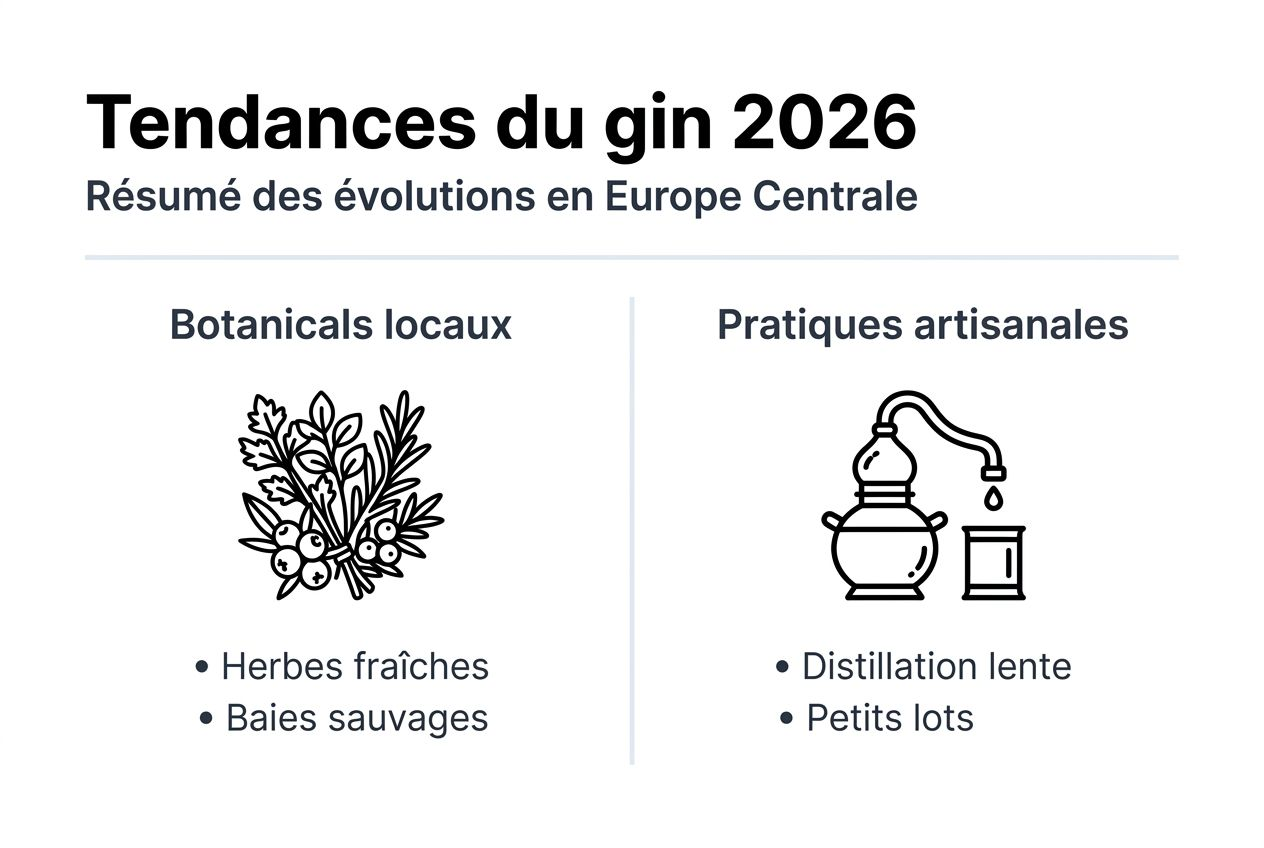
Central European distilleries intensely value their specific terroirs. They incorporate little-known native botanicals: mountain herbs, rare forest berries, Mediterranean citrus fruits. This approach creates aromatic profiles impossible to reproduce elsewhere, reinforcing geographical authenticity.
| Characteristic | Italy | Central Europe | United Kingdom |
|---|---|---|---|
| Dominant Botanicals | Mediterranean citrus, aromatic herbs | Forest berries, alpine plants | Classic juniper, coriander |
| Distillation Style | Prolonged maceration, small batches | Traditional hybrid techniques | Standardized London Dry |
| Narrative Focus | Mythology, art, pop culture | Local heritage, wild nature | Historical tradition |
| Recent Innovations | Artistic collaborations | Certified organic botanicals | Colored gins, infusions |
Producers also adapt their recipes to modern preferences without betraying authenticity. They offer lower alcohol versions, softer profiles to attract new enthusiasts, while maintaining aromatic complexity. The origin of ingredients becomes a major commercial argument, with full traceability and promotion of short supply chains.
This regional evolution considerably enriches the global gin culture. It demonstrates that this spirit can express a thousand different facets depending on the terroir and creative vision. Enthusiasts benefit from unprecedented diversity, transforming each discovery into a sensory journey.
Pro tip: Systematically explore gins from different European regions to understand how terroir radically influences the aromatic profile. Start by comparing a Tuscan gin to an Austrian alpine gin.
Practice and Celebration: How to Fully Experience Gin Culture
Authentically living gin culture goes beyond occasional consumption. It involves a curious approach, methodical exploration, and conscious appreciation of each dimension: aromatic, historical, artisanal. Here's how to integrate this cultural richness into your daily life.
-
Regularly participate in tastings organized by experts or amateur clubs. These events reveal nuances impossible to perceive alone. You will learn to identify specific botanicals, understand distillation techniques, and interact with other enthusiasts.
-
Systematically choose gins with a strong and authentic cultural narrative. Prioritize distilleries that tell a coherent story, that value their terroir, or that collaborate with artists. This approach transforms each purchase into active support for artisanal culture.
-
Methodically explore varied aromatic profiles to refine your palate. Alternate between floral, spicy, citrus, and herbaceous gins. Note your impressions in a tasting notebook. This practice quickly develops your ability to distinguish subtleties.
-
Experiment with creative mixology to enrich your experience without limiting yourself to classic recipes. Invent your own cocktails by combining your favorite gin with local seasonal ingredients. Tasting tips effectively guide this exploration.
-
Actively support craft producers by purchasing directly from them when possible. This approach preserves the cultural diversity of gin and encourages qualitative innovation. You thus contribute to keeping alive an artisanal tradition threatened by industrialization.
Pro tip: Create your own weekly tasting ritual. Choose a quiet moment, use a suitable glass, take notes. This regularity transforms occasional discovery into a truly enriching cultural practice.
Gin culture flourishes in sharing and conviviality. Organize themed evenings with your friends, offer comparative tastings, tell the stories behind each bottle. This social dimension considerably amplifies individual pleasure.
Discover Our Selection of Unique Craft Gins
You are now ready to transform your theoretical understanding into concrete experience. Mezzanotte Spirits offers a carefully selected range of Italian craft gins that perfectly embody the values explored in this guide: botanical authenticity, captivating cultural storytelling, and meticulous craftsmanship.

Each bottle in our collection tells a unique story, inspired by mythology, contemporary art, or pop culture. Our partner distillers value local Mediterranean botanicals, creating aromatic profiles impossible to find elsewhere. Also, explore our Italian artisanal vodka to complete your understanding of exceptional spirits.
Discover how pop culture and spirits unite in our brand philosophy. Each product represents a sensory and narrative adventure, transforming tasting into an authentic cultural celebration.
What is gin culture?
What is the exact definition of gin culture?
Gin culture refers to all the traditions, artisanal techniques, stories, and social practices surrounding this spirit. It encompasses its historical medicinal heritage, artisanal distillation methods, the careful selection of botanicals, and the cultural storytelling associated with each brand.
What is the major difference between artisanal and industrial gin?
Artisanal gin uses slow maceration with more than 10 carefully selected local botanicals, distilled in small batches with manual control. Industrial gin prioritizes standardized mass production, full automation, and generic ingredients, sacrificing aromatic complexity for economic efficiency.
Why is storytelling crucial in gin culture?
Storytelling transforms tasting into an enriched cultural experience, creating an emotional connection between the consumer and the product. 80% of artisanal distilleries incorporate a strong narrative because it effectively differentiates their gin, strengthens customer loyalty, and anchors the spirit in a coherent cultural universe that resonates with connoisseurs' values.
What are the current gin trends in Central Europe?
Central Europe has seen 35% growth since 2020, characterized by the intensive valorization of local botanicals and innovation combined with regional identity. Distilleries are developing distinctive aromatic profiles using alpine herbs and forest berries, while adapting their recipes to modern preferences without compromising artisanal authenticity.
How to begin a true cultural experience around gin?
Start by participating in expert tastings to develop your palate and technical understanding. Then choose artisanal gins with authentic storytelling, methodically explore different aromatic profiles, and note your impressions. Experiment with creative mixology and actively support local producers to fully immerse yourself in this living culture.
Recommendation
- Collector's Gin 2026: Complete Guide for 90% More Accuracy – Mezzanotte | Distilleria & Spirits
- How to taste a mythical gin: expert guide 2026 – Mezzanotte | Distilleria & Spirits
- Gin tasting guide 2026: mastering the art of tasting – Mezzanotte | Distilleria & Spirits
- Understanding London dry gin: complete guide 2026 – Mezzanotte | Distilleria & Spirits