

Discover how botanists create unique profiles in craft gin. Complete guide on distillation techniques, strategic selection, and aromatic balance to better appreciate your favorite gin.
Why use botanicals in gin for unique flavour in 2026
Mar 17, 2026

Many believe gin is simply vodka with juniper, but this idea fails to capture the aromatic complexity that defines this spirit. Botanicals are the heart of gin, creating flavor profiles as diverse as the distiller's imagination allows. From Mediterranean citrus to exotic spices, each ingredient contributes unique compounds that transform neutral alcohol into a memorable sensory experience. This guide reveals how botanicals influence flavor, which distillation techniques maximize their aromatic potential, and why the strategic selection of these ingredients differentiates craft gin from industrial gin.
Table of Contents
- The Fundamental Role of Botanicals in Gin
- How Botanicals Create Unique and Varied Flavor Profiles
- Botanical Selection and Customization According to Taste and Market
- Challenges and Debates in the Use of Botanicals for Gin
- Discover Craft Gin with Exclusive Botanicals at Mezzanotte
- Frequently Asked Questions About Using Botanicals in Gin
Key Points
| Point | Details |
|---|---|
| Botanical Diversity | Each botanical contributes unique terpenes and esters that define the character of gin |
| Extraction Techniques | Maceration and vapor infusion extract different aromatic profiles from the same ingredients |
| Juniper Predominance | Regulation requires juniper to be the dominant flavor to legally classify a spirit as gin |
| Strategic Customization | Botanical selection allows for market segmentation and the creation of distinctive brand identities |
| Technical Balance | The proportion and contact time determine whether the result is harmonious or unbalanced |
The Fundamental Role of Botanicals in Gin
Botanicals are plant ingredients that are infused or macerated during distillation to transfer their aromatic compounds to the alcohol. Juniper is the mandatory botanical, but craft distillers combine dozens of additional ingredients: citrus peels, roots like angelica and licorice, spices like cardamom and coriander, and even flowers like lavender or hibiscus. Each contains specific volatile molecules that are released during the thermal process.
The chemical complexity behind gin's flavor lies in these compounds. Terpenes from juniper contribute resinous and herbal notes, while limonenes from citrus peels create bright freshness. Esters from spices like cardamom add warmth and depth. This combination creates a three-dimensional aromatic matrix that distinguishes one gin from another. Without botanicals, the spirit would simply be neutral alcohol without personality.
International legislation stipulates that gin must contain predominant juniper as a key flavor. This rule protects gin's identity but allows creativity in the selection of secondary botanicals. Craft distillers take advantage of this flexibility to experiment with local and exotic ingredients, creating gins that reflect terroir and cultural narrative.
The botanicals and polyphenols in gin not only provide flavor but also antioxidant and sensory properties that enrich the experience. Polyphenols from ingredients like green tea or rose petals add texture and roundness on the palate. These active compounds interact with taste buds in ways that pure alcohol cannot achieve.
Botanical selection is also a narrative act. Each ingredient tells a story: Tuscan juniper evokes Mediterranean forests, Thai verbena transports to Asian gardens, Indian cardamom suggests ancient spice routes. Craft distillers choose botanicals not only for their chemical profile but for the emotion and cultural context they communicate.
Botanicals transform neutral alcohol into an aromatic canvas where each ingredient paints a distinct sensory note, creating symphonies of flavor that reflect both the science and art of distillation.
Key botanicals used in gin include:
- Juniper: mandatory base with resinous and pine notes
- Citrus: lemon, orange, grapefruit provide freshness and brightness
- Spices: coriander, cardamom, cinnamon add warmth and complexity
- Roots: angelica, licorice, orris provide body and earthy depth
- Florals: lavender, rose, hibiscus contribute elegance and subtle sweetness
Studies on botanicals in gin and flavor profiles demonstrate that ingredient diversity allows for the creation of everything from classic London Dry gins to contemporary expressions with radically different profiles. This versatility explains why gin has experienced a global renaissance in the last decade.
How Botanicals Create Unique and Varied Flavor Profiles
The extraction of aromatic compounds from botanicals occurs through three main methods: maceration, vapor infusion, and direct distillation. Each technique produces distinct results because it affects which molecules are released and in what concentration. Maceration involves soaking botanicals in base alcohol before distilling, allowing for deep extraction of essential oils and soluble compounds. This method generates intense flavors and a robust body.
Vapor infusion places botanicals in a basket above the boiling liquid, allowing alcoholic vapors to pass through the ingredients and capture their most delicate aromas. This technique produces lighter and fresher profiles, preserving volatile notes that maceration might degrade. Many craft distillers combine both methods, macerating base botanicals like juniper and roots, while vapor infusing more delicate ingredients like citrus and flowers.
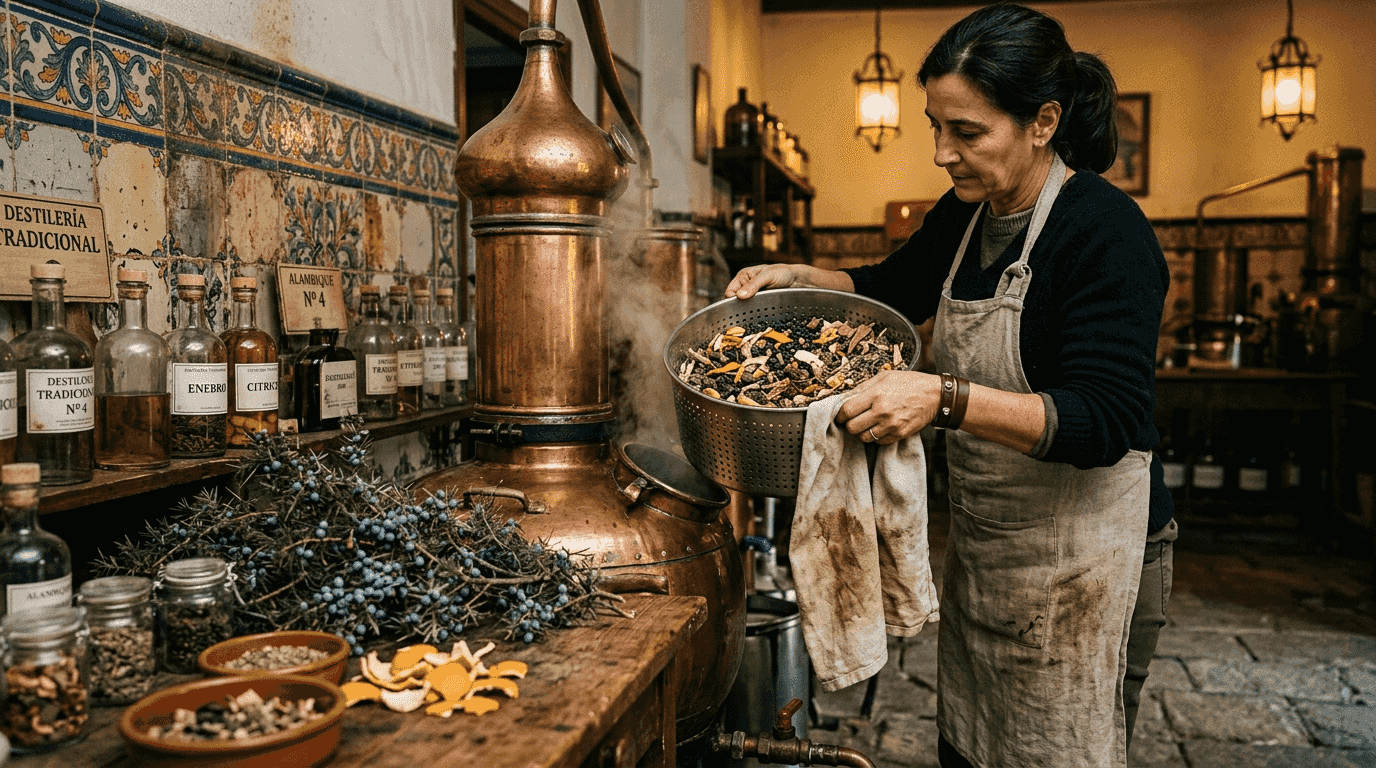
The distillation technique and parameters significantly affect the extraction of aromatic compounds. The still temperature, distillation speed, and contact time determine which terpenes and esters pass into the final distillate. Lower temperatures preserve fresh and citrus notes, while elevated temperatures extract heavier, more resinous compounds.
The still design also plays a role. Copper stills catalyze chemical reactions that remove undesirable sulfur compounds, while the size and shape of the neck affect which vapors reach the condenser. Tall, narrow stills produce lighter spirits, while short, wide ones generate heavier, oilier spirits.
Professional Tip: To avoid over-extraction and bitterness, craft distillers carefully separate distillation fractions. Heads contain undesirable volatile alcohols, the heart captures optimal aromas, and tails include heavy compounds that can contribute bitterness. Discarding heads and tails ensures a clean and balanced profile.
The following table compares distillation methods and their impact on aromatic profile:
| Method | Aromatic Intensity | Predominant Notes | Mouthfeel |
|---|---|---|---|
| Maceration | High | Deep, resinous, spicy | Robust, oily body |
| Vapor Infusion | Medium | Fresh, citrusy, floral | Light, clean |
| Combined Method | Variable | Balanced, complex | Medium, round |
| Multiple Distillation | Low | Refined, subtle | Very light, ethereal |
The complete guide to craft gin explains how Italian distillers have perfected techniques that balance tradition with innovation. The cut selection process during distillation is especially critical: capturing only the heart of the distillate ensures that desirable aromatic compounds dominate, while harsh or metallic notes are excluded.
Key steps in gin distillation with botanicals include:
- Preparation: selecting and weighing botanicals according to the established recipe
- Maceration or loading: soaking ingredients in base alcohol or placing them in a vapor basket
- Distillation: heating the still, controlling temperature and flow rate
- Cut separation: discarding heads and tails, collecting only the aromatic heart
- Dilution and resting: adjusting alcohol content and allowing flavors to integrate
- Filtration and bottling: clarifying the distillate before packaging
Each step requires technical precision. A temperature error can volatilize delicate compounds or extract bitter tannins. Maceration time affects intensity: too short produces faint flavors, too long creates imbalance. Craft distillers meticulously document each batch to replicate successful results and learn from variations.
Botanical Selection and Customization According to Taste and Market
The choice of botanicals is a strategic decision that defines the commercial identity of gin. Craft distillers study consumer trends, regional preferences, and differentiation opportunities before formulating their recipes. Some focus on local botanicals to communicate authenticity and terroir, while others incorporate exotic ingredients to project sophistication and adventure.
Indigenous botanicals allow Italian producers to create distinctively Mediterranean gins. Ingredients like Calabrian bergamot, Amalfi lemon, Sicilian thyme, and Sardinian myrtle berries bring notes not found in British or Dutch gins. This regionality has become a key differentiator in saturated markets, where consumers seek authenticity and cultural narrative.
There is a growing demand for gins with unique and local botanical combinations. The global premium gin market has grown consistently, driven by millennial and Gen Z consumers who value craftsmanship, storytelling, and distinctive sensory experiences. Distillers respond with limited editions, collaborations with chefs and perfumers, and experimentation with non-traditional ingredients.
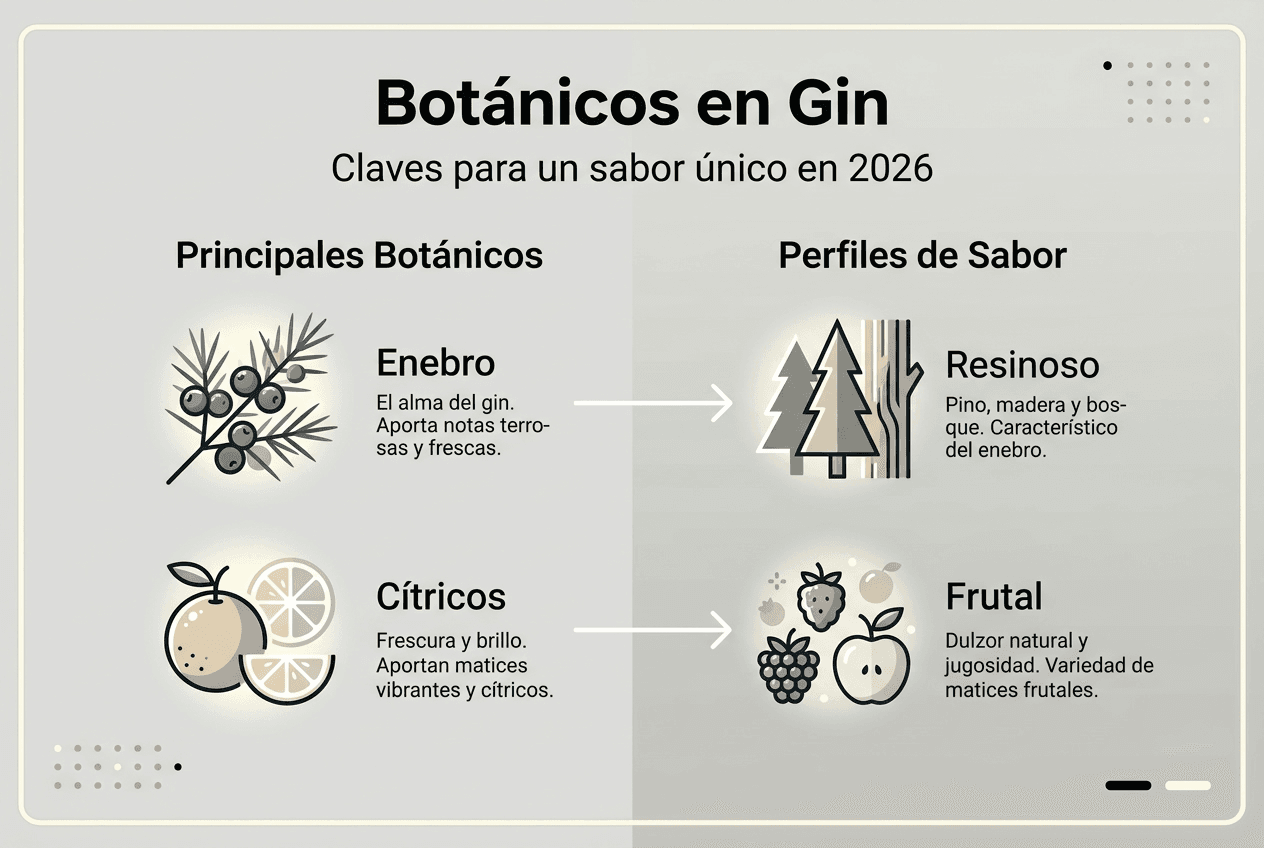
The following table compares flavor profiles based on botanical combination:
| Profile | Key Botanicals | Sensory Character | Target Audience |
|---|---|---|---|
| Classic London Dry | Juniper, coriander, angelica | Dry, clean, balanced | Purists, traditional mixologists |
| Mediterranean Citrus | Lemon, orange, bergamot | Fresh, bright, vibrant | Young consumers, summer |
| Oriental Spiced | Cardamom, ginger, pepper | Warm, complex, exotic | Adventurers, sophisticated palates |
| Contemporary Floral | Rose, lavender, hibiscus | Elegant, aromatic, delicate | Women, special occasions |
| Herbal Botanical | Thyme, rosemary, sage | Earthy, vegetal, robust | Nature lovers, gastronomy |
Achieving balance is the most important technical challenge. An unbalanced gin can be one-dimensional, dominated by a single botanical, or chaotic, with flavors that compete rather than complement each other. Experienced distillers build aromatic pyramids with base, middle, and top notes, similar to perfumery. Juniper and roots form the base, spices and herbs create the heart, and citrus and florals provide the top notes.
Professional Tip: The narrative behind each botanical adds emotional value to the product. Telling stories about the origin of ingredients, associated cultural traditions, or the distiller's personal reasons for choosing them creates a connection with consumers. A gin is not just a drink; it is a bottled cultural experience.
The unique botanical gins to try demonstrate how creativity in ingredient selection can result in memorable products. Some distillers collaborate with local botanists to identify little-known native plants, others travel to Asian spice markets in search of rare ingredients. This pursuit of uniqueness drives innovation in the category.
The complete guide to botanical gin delves into how specific ingredients affect not only flavor, but also the color, texture, and multisensory experience of gin. Some botanicals like butterfly pea change color with acidity, creating visually spectacular cocktails. Others provide oiliness that affects mouthfeel and integration with mixers.
Tips for customizing botanical selection:
- Start with a solid base of quality juniper, choosing varieties based on the desired profile
- Add citrus for brightness and freshness, balancing sweet and bitter notes
- Incorporate spices sparingly, as they can easily dominate
- Experiment with local botanicals for differentiation and authenticity
- Meticulously document each test to replicate successes and avoid mistakes
Challenges and Debates in the Use of Botanicals for Gin
Gin regulation varies between jurisdictions, but generally requires juniper to be the predominant flavor and the product to reach a minimum of 37.5% alcohol by volume. These rules protect the category but generate debates about what constitutes "predominance" of juniper. Some contemporary distillers create gins where juniper is barely perceptible, prioritizing other botanicals. This has led to controversies about whether such products should be classified as gin or as "botanical spirits."
Academic and industrial debates exist regarding the definition and use of non-traditional botanicals. Innovation pushes the boundaries of the category: gins with seaweed, mushrooms, insects, or synthetic ingredients challenge traditional conceptions. Purists argue that these experiments dilute gin's identity, while innovators contend that evolution is necessary to keep the category relevant.
Common errors in botanical selection and maceration include over-extraction, which leads to unpleasant bitterness and astringency. Macerating botanicals for too long or at excessive temperatures extracts tannins and phenolic compounds that dominate the profile. Unstable ingredients like fresh herbs can oxidize during maceration, producing rancid or metallic notes.
Another common mistake is a lack of balance between botanicals. Using too many ingredients creates sensory confusion, where no flavor clearly stands out. Experienced distillers recommend starting with simple formulas of five to seven botanicals, gradually expanding as they understand how they interact. Complexity does not equate to quality: some of the most acclaimed gins use fewer than ten ingredients.
The impact of these practices on final flavor and market acceptance is significant. An unbalanced gin can be rejected by consumers even if the quality of the ingredients is high. Batch-to-batch consistency is also critical: variations in botanical potency due to climatic or harvest factors can alter the profile if proportions are not adjusted.
The differences and regulation of Italian gin show how artisanal producers navigate these complexities while maintaining a distinctive identity. Italy has developed a reputation for gins that balance tradition with Mediterranean creativity, using local botanicals within regulatory frameworks that ensure quality.
The importance of balance between tradition and innovation in distilling cannot be overstated. Consumers appreciate experimentation but expect the final product to respect the essence of gin. Successful distillers honor the category's history while exploring new aromatic frontiers. This balance defines the difference between memorable innovation and failed experimentation.
Additional technical challenges include:
- Variability of natural ingredients affecting product consistency
- High costs of exotic or single-origin botanicals
- Difficulty scaling artisanal recipes to commercial production
- Intense competition in saturated markets demanding constant differentiation
- Need to educate consumers on the value of premium botanicals
Discover artisanal gin with exclusive botanicals at Mezzanotte
After exploring the science and art behind botanicals in gin, the next natural step is to experience products that exemplify this craftsmanship. Mezzanotte offers a curated selection of artisanal gin with exclusive botanicals, each with a unique narrative connecting ingredients, technique, and culture.

Our distillers hand-select botanicals, prioritizing quality over volume and authenticity over fleeting trends. Each bottle tells a story: from Mediterranean gins with Sicilian citrus to contemporary expressions with botanicals inspired by anime and mythology. Artisanal distillation ensures that each aromatic compound is captured at its optimal moment, creating balanced and memorable profiles.
Exploring our collection allows you to discover how different botanical combinations produce radically distinct experiences. We also offer distinctive artisanal vodka for those who appreciate clean spirits with subtle character. Each product reflects the commitment to excellence that defines the Italian distilling tradition.
Frequently asked questions about the use of botanicals in gin
What distinguishes artisanal botanicals from industrial ones?
Artisanal botanicals are selected for sensory quality and processed in small batches, preserving delicate aromatic compounds. Industrial ones prioritize consistency and cost, often using extracts or lower-grade ingredients. The difference is perceived in the complexity and depth of the final flavor.
How does the proportion of juniper affect the final flavor?
The proportion of juniper determines whether the gin has a classic resinous character or a contemporary profile where other botanicals stand out. A higher amount of juniper produces dry, traditional gins, while smaller proportions allow citrus, floral, or spice notes to dominate. Regulation requires a perceptible predominance of juniper.
Can local botanicals different from traditional juniper be used?
Yes, artisanal distillers incorporate native ingredients to create distinctive gins that reflect regional terroir. Botanicals such as bergamot, myrtle, Mediterranean thyme, or alpine herbs add uniqueness while juniper maintains the gin's base identity. This practice has driven the global diversity of the category.
What are common mistakes when infusing botanicals in distillation?
Frequent mistakes include over-extraction due to prolonged maceration, which generates bitterness, and imbalance between ingredients, where one botanical dominates excessively. Using low-quality or inconsistent ingredients also affects the result. Incorrect temperature during distillation can volatilize desirable compounds or extract undesirable tannins.
How to recognize a gin balanced in botanicals when tasting?
A balanced gin presents perceptible but not dominant juniper, with secondary botanicals progressively revealing themselves on the nose and palate. There should be no harsh, bitter, or alcoholic notes that distract. The finish should be clean and harmonious, inviting another sip. Tips for tasting artisanal gin delve into techniques for evaluating quality and balance.
Recommendation
- 7 Botanical Gins to Try in 2026 for a Unique Taste – Mezzanotte | Distilleria & Spirits
- Role of Botanicals in Gin: 60 Polyphenols Remain Active – Mezzanotte | Distilleria & Spirits
- The Complete Guide to Botanica Gin: Learn All About Botanica Gin 2026 – Mezzanotte | Distilleria & Spirits
- Botanicals in Gin Characterize Aromatic Diversity 2026 – Mezzanotte | Distilleria & Spirits