

Master the tasting of artisanal Italian distillates with this comprehensive guide: sensory techniques, optimal temperature, suitable glassware, and an exploration of premium grappas, gins, and vodkas.
Italian Distillate Tasting Guide: Master the Art
Mar 16, 2026

Fully appreciating Italian artisanal distillates presents a challenge for many enthusiasts. These refined spirits embody centuries of tradition, unique terroirs, and expertise passed down through generations. However, without a methodical approach, their aromatic and cultural nuances often remain inaccessible. This guide equips you with essential knowledge and practical techniques to transform every tasting into a true sensory exploration. You'll discover how to prepare your environment, analyze complex aromas, and identify the characteristics that distinguish exceptional artisanal productions.
Table of Contents
- Understanding the Origin and Production of Italian Distillates
- Preparing for Tasting: Equipment, Temperature, and Glassware
- Key Stages of Sensory Tasting for Italian Distillates
- Exploring the Diversity of Italian Distillates: Gin, Vodka, and Liquori
- Discover Our Artisanal Italian Spirits at Mezzanotte
- Frequently Asked Questions about Tasting Italian Distillates
Key Points
| Point | Details |
|---|---|
| Sensory Evaluation | Analysis combines objective criteria with your unique personal perception. |
| Production Methods | Ingredients and artisanal techniques define the distinctive character of each spirit. |
| Temperature and Glassware | The choice of glass and serving temperature directly influence aromatic expression. |
| Regional Diversity | Each Italian region contributes its own botanical and cultural identity to the distillates. |
| Artisanal Quality | Local raw materials and traditional methods ensure premium flavors. |
Understanding the Origin and Production of Italian Distillates
Before you raise a glass to your lips, understanding the origins and production processes significantly enriches your tasting experience. Distillation separates alcohol and aromas from fermented liquids, thus creating the base for all Italian spirits. This alchemical transformation concentrates essences and reveals the personality of the starting ingredients.
Each category of Italian distillate has its own production specificities. Grappa is born from grape pomace, transforming a wine byproduct into a precious elixir. Italian gin is distinguished by the use of Mediterranean botanicals such as Tuscan juniper, Sicilian lemon, or alpine herbs. Artisanal vodka favors ancient grains and mountain potatoes to create rich and textured aromatic profiles. Traditional liquori like limoncello or amaro result from long macerations of fruits, peels, or medicinal plants.
Artisanal methods use local ingredients and meticulous attention at every stage. Italian micro-distilleries perpetuate ancestral techniques while integrating sustainable innovations. The choice of grape varieties profoundly influences the final aromatic profile. A Moscato brings floral and musky notes, while a Nebbiolo offers a more tannic and complex structure.
Regional terroirs leave their signature on every production. Alpine distilleries benefit from pure glacier water and a cool climate that preserves delicate aromas. Sicilian producers exploit the intensity of Mediterranean citrus fruits and the heat that concentrates essences. This geographical diversity creates a gustatory panorama of incomparable richness.
The tradition of Italian distillates dates back centuries, with each region developing its specialties. Here are the key elements that define artisanal quality:
- Rigorous selection of local and seasonal raw materials
- Small-batch distillation for optimal control of each production
- Use of traditional copper stills that refine the aromas
- Resting and aging times respecting natural cycles
- Manual bottling with full traceability from producer to consumer
Preparing for Tasting: Equipment, Temperature, and Glassware
Preparation is the foundation of a successful tasting. Your environment and equipment directly influence your ability to perceive the subtle nuances of Italian distillates. Start by creating a calm space, free from perfumes or cooking odors that could mask the delicate aromas of the spirit.
The choice of glass dramatically transforms the sensory experience. Tulip glasses concentrate grappa's aromas optimally, their narrower top trapping volatile compounds while allowing gradual oxygenation. For gin and vodka, prefer stemmed glasses with a slightly flared bowl that allows the full expression of the aromatic bouquet. Avoid thick glasses that heat the spirit too quickly with the warmth of your hands.
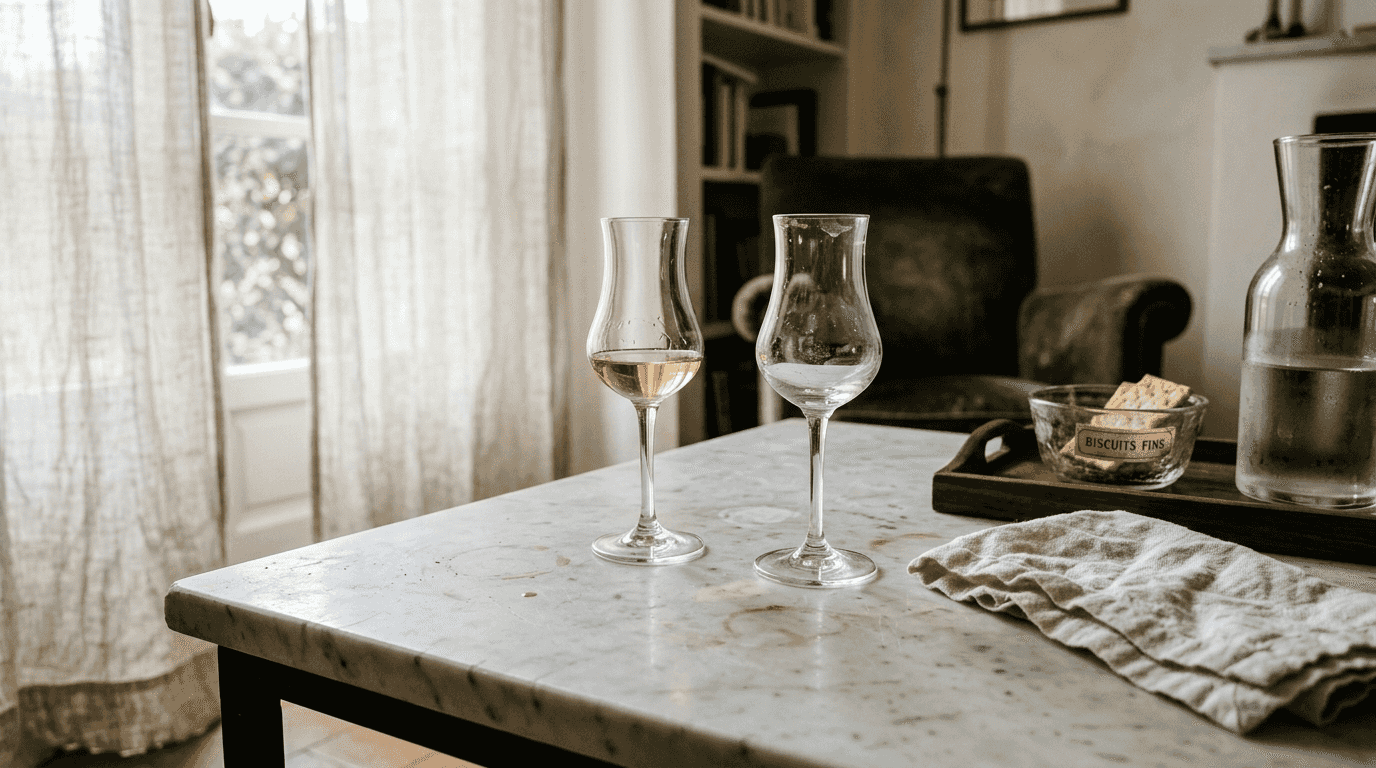
Serving temperature is a crucial parameter often overlooked. Optimal temperatures vary depending on the type of distillate and its aging. A young grappa expresses itself fully between 10 and 12°C, a temperature that balances aromatic freshness and alcoholic presence. Aged grappas require 15 to 18°C to release their woody and spicy notes developed during barrel resting. Artisanal vodka reveals its complexity between 8 and 10°C, while gin is ideally tasted around 12°C.
Here is a comparative table of recommended temperatures by category:
| Distillate Type | Optimal Temperature | Reason |
|---|---|---|
| Young Grappa | 10-12°C | Preserves freshness and limits alcohol |
| Aged Grappa | 15-18°C | Releases complex barrel aromas |
| Artisanal Gin | 12-14°C | Balances botanicals and structure |
| Premium Vodka | 8-10°C | Reveals texture without masking nuances |
| Liquori | 10-15°C | Varies depending on sugar content |
Also prepare plain water at room temperature to rinse your palate between tastings. A few neutral crackers or white bread can neutralize lingering flavors without interfering with subsequent aromas. Discover the distillate tasting method to deepen your technical approach.
Pro Tip: Take your bottle out of the refrigerator 15 minutes before tasting if it's too cold, or plunge it into the fridge for 20 minutes if it's at room temperature. This anticipation allows you to precisely reach the ideal temperature window for each spirit.
Key Stages of Sensory Tasting for Italian Distillates
Methodical tasting reveals the true personality of an artisanal distillate. This structured approach sharpens your senses and gradually builds your personal aromatic library. Each stage provides complementary information that, combined, paints a complete picture of the spirit.
-
Visual examination is your first contact with the distillate. Observe the clarity and brilliance of the liquid under natural light. Young grappas exhibit crystalline transparency, while aged versions display golden or amber hues, testifying to their time in barrel. Tilt the glass slightly and note the viscosity; tears that slowly descend indicate high alcohol content or glyceric richness.
-
Olfactory analysis is the heart of the tasting, as our nose detects thousands of aromatic compounds. Bring the glass to your nose without swirling, breathe gently to capture the most volatile notes. Then delicately swirl the liquid to release less fleeting aromas. Inhale deeply with your mouth slightly open; this retronasal technique amplifies perception. Identify aromatic families: floral, fruity, spicy, herbaceous, woody.
-
Tasting in the mouth confirms and complements the promises of the nose. Take a small sip and let it coat your entire tongue. Sensory evaluation combines objective and subjective criteria, making each experience unique. Note the initial attack, then the evolution of flavors in the mid-palate. Lightly chew the liquid to oxygenate and warm it, thereby releasing new gustatory dimensions.
-
Evaluation of balance determines the overall quality of the distillate. The harmony between sweetness, acidity, and alcohol defines the excellence of a spirit. A well-constructed distillate presents no aggressive dominance. Alcohol should warm without burning, sweetness should soften without cloying, acidity should enliven without assaulting. This synergy creates an impression of roundness and completeness.
-
Analysis of the finish reveals the persistence and complexity of the distillate. After swallowing, focus on the aromas that rise in retro-olfaction and the flavors that linger in the mouth. A long finish generally indicates quality and aromatic concentration. Note whether the aromas evolve or remain stable, if new notes appear after several seconds.
Consult the authentic distillate buying guide to select productions worthy of this sensory attention.
Pro Tip: Keep a tasting journal where you note your impressions for each spirit. Over time, you will identify your personal preferences and develop your own aromatic vocabulary. Compare your notes during successive tastings of the same product to refine your palate.
Exploring the Diversity of Italian Distillates: Gin, Vodka, and Liquori
Italy produces an extraordinary range of spirits, each reflecting its terroir and local traditions. This diversity offers tasters a gustatory journey across the peninsula, from the Alps to Sicily. Understanding the specificities of each category enriches your appreciation and guides your purchasing choices.
Italian gin is distinguished by a Mediterranean approach to botanicals. Artisanal producers incorporate typically Italian ingredients: Genoese basil, Calabrian bergamot, Tuscan rosemary, alpine elderflowers. This botanical creativity creates aromatic profiles that distinctly set them apart from classic London Dry gins. Some gins even incorporate elements of local gastronomy such as olive oil or dried tomatoes, pushing the boundaries of the genre.
Italian vodka favors local grains and alpine potatoes for distinctive aromatic profiles. Contrary to the received idea of a neutral vodka, artisanal Italian versions assert a distinct personality. Sicilian durum wheat brings a creamy texture and slightly sweet notes. Mountain potatoes from Trentino offer a velvety roundness and subtle earthy nuances. This expressiveness makes Italian vodka a refined tasting spirit in its own right.
Traditional liquori embody the Italian regional soul. Limoncello, amaro, mirto, and nocino illustrate botanical diversity and artisanal methods. Limoncello from the Amalfi Coast macerates sfusato lemon peels for weeks in pure alcohol before adding syrup. Amaro combines up to 40 herbs, roots, and barks according to jealously guarded family recipes. Sardinian mirto extracts the essences of wild myrtle berries, creating a liqueur with resinous and balsamic notes.
Explore the characteristics of Italian vodka to deepen your knowledge of this lesser-known category.
Here's a comparison of the main categories:
| Category | Key Ingredients | Dominant Notes | Tasting Moment |
|---|---|---|---|
| Grappa | Grape pomace | Floral, fruity, spicy | Digestif, meditation |
| Artisanal Gin | Juniper, Mediterranean botanicals | Herbal, citrus, resinous | Aperitif, cocktails |
| Premium Vodka | Ancient grains, potatoes | Creamy, cereal, soft | Neat, refined cocktails |
| Limoncello | Lemon peels | Intense citrus, sweet | Chilled digestif |
| Amaro | Herbs, roots, spices | Bitter, complex, balsamic | Digestif, before meal |
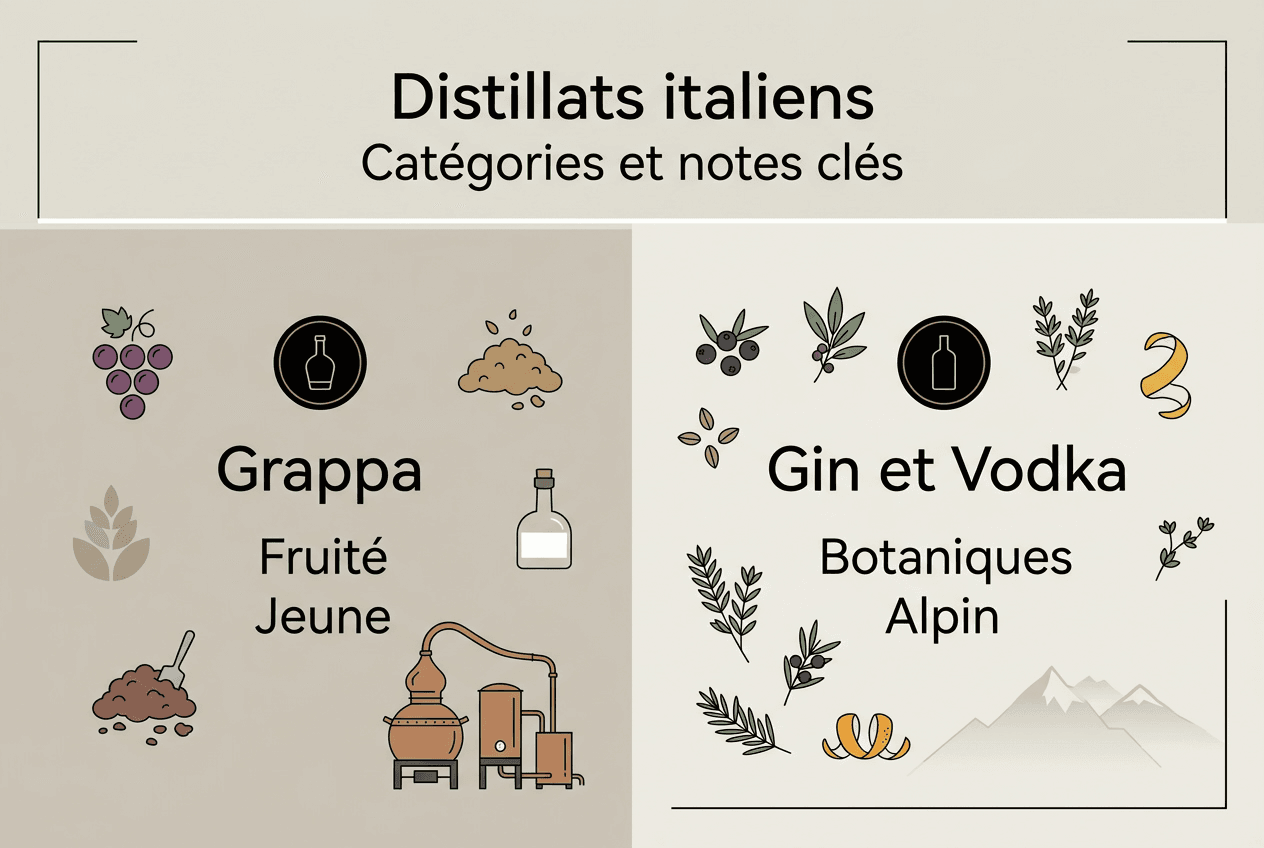
Each category requires a slightly different tasting approach. Amari are savored at room temperature to reveal their herbaceous complexity. Limoncello is served chilled to balance its sweet richness. Aged grappas deserve the same respect as great aged spirits, with a contemplative tasting that allows the aromas time to evolve in the glass.
Discover Our Artisanal Italian Spirits at Mezzanotte
Having mastered the art of tasting, it's time to explore distillates that truly embody Italian artisanal excellence. Mezzanotte rigorously selects spirits that tell a story, carry a strong cultural identity, and demonstrate exceptional craftsmanship.

Our collection of artisanal Italian gin brings together bold creations inspired by mythology, anime, and pop culture, while respecting Mediterranean botanical traditions. Each bottle represents a unique sensory adventure, crafted by passionate distillers who push creative boundaries without compromising quality.
Also discover our selection of artisanal Italian vodka, where ancient grains and alpine potatoes reveal aromatic profiles of unexpected richness. These internationally awarded productions demonstrate that vodka can be a refined tasting spirit, far from neutral industrial versions. Every item in our catalog benefits from complete traceability and captivating storytelling that enhances your tasting experience.
Frequently Asked Questions about Tasting Italian Distillates
What is the best way to serve grappa for tasting?
Serve young grappa between 10 and 12°C in a tulip glass to concentrate its delicate aromas. Aged grappas require 15 to 18°C to fully release their woody and spicy notes developed during barrel aging. Allow the spirit to breathe for a few minutes in the glass before the first sip to allow for oxygenation.
How does aging affect the flavor of Italian spirits?
Aging in oak barrels profoundly transforms the aromatic profile of spirits. The wood imparts vanilla, toasted, and spicy notes while mellowing the alcoholic harshness. Slow oxidation develops increased complexity with nuances of dried fruit, caramel, and sometimes tobacco. The duration and type of barrel directly influence the intensity of these transformations.
Can I enjoy Italian vodka without chilling it?
Yes, artisanal Italian vodka is ideally enjoyed between 8 and 10°C, not iced. This moderate temperature allows for the subtle aromatic nuances of the grains or potatoes used to be perceived. Vodka that is too cold masks its personality and characteristic creamy texture. Reserve freezing for neutral industrial vodkas intended for cocktails.
What distinguishes Italian artisanal spirits from mass-produced ones?
Artisanal spirits prioritize high-quality local raw materials and traditional small-batch methods. This approach allows for precise control at every step and preserves the expression of the terroir. Artisanal producers innovate creatively while respecting ancestral know-how, creating spirits with a strong identity and complete traceability. The difference is immediately perceptible in tasting through aromatic complexity and superior balance.
Recommendation
- Italian spirits tasting method: practical guide 2026 – Mezzanotte | Distillery & Spirits
- Distilled Spirits Guide: Mastering Italian Distillates – Mezzanotte | Distillery & Spirits
- Types of Italian gin 2026: complete guide for demanding enthusiasts – Mezzanotte | Distillery & Spirits
- Gin tasting guide 2026: mastering the art of tasting – Mezzanotte | Distillery & Spirits