

Discover the unique characteristics of Italian gin: Mediterranean botanicals, artisanal methods, and tradition that set it apart in the European spirits landscape.
What Differentiates Italian Gin: A Complete Guide 2026
Mar 16, 2026

Few people know that the first gin distillations were not born in the Netherlands or England, but found their roots right here in Italy, at the legendary Schola Medica Salernitana in the Middle Ages. While the world associates this spirit with the London fog, Italy holds a forgotten tradition that is now strongly re-emerging. Modern Italian gin is not a mere imitation: it is a unique interpretation that blends Mediterranean botanicals, traditional artisanal methods, and an innovation that respects the territory. This guide will accompany you in discovering the characteristics that make Italian gin unmistakable, from its aromatic profiles to the production techniques that distinguish it in the European landscape.
Table of Contents
- The Historical and Cultural Origins of Italian Gin
- Botanicals and Ingredients: The Heart of Italian Gin
- Artisanal Processes and Innovations in Italian Gin Production
- Distinctive Characteristics and Comparison with Other European Gins
- Discover Italian Craft Gin with Mezzanotte Spirits
- Frequently Asked Questions about Italian Gin
Key Points
| Point | Details |
|---|---|
| Local Botanicals | Italian gin favors Mediterranean citrus fruits, regional aromatic herbs, and selected juniper to create fresh and complex profiles |
| Historical Roots | The first gin distillations date back to the Schola Medica Salernitana in the Middle Ages, predating Northern European production |
| Artisanal Methods | Slow, low-temperature distillation and prolonged maceration preserve the delicate aromas of Italian botanicals |
| Distinctive Balance | Italian gin interprets EU regulations creatively, balancing the obligatory juniper with unique Mediterranean notes |
| Territory and Innovation | Each Italian distillery tells the story of its territory through local ingredients and innovative recipes rooted in tradition |
The Historical and Cultural Origins of Italian Gin
The history of gin includes early production in Italy, especially in Salerno, where monks and doctors from the famous Schola Medica experimented with juniper berry distillations as early as the 12th century. These proto-gins had medicinal purposes: juniper was believed to possess healing properties for digestive and respiratory ailments. Salernitan knowledge then spread throughout Europe via trade routes, influencing later Dutch and English productions that would popularize the spirit in subsequent centuries.
However, the Italian tradition remained in the shadows for centuries, overshadowed by the commercial success of London Dry Gin and Dutch Genever. Only in the last two decades has Italian gin experienced an extraordinary rebirth, with artisanal distilleries rediscovering ancient recipes and reinterpreting them with local botanicals. This renaissance is not just commercial: it represents an identity recovery that connects the present to its medieval roots, when Italy was a beacon of European medical and alchemical knowledge.
Today, Italian gin is distinguished by three fundamental elements:
- Recovery of traditional distillation techniques that prioritize quality over quantity
- Enhancement of indigenous botanicals that tell the story of the Italian territory
- Continuous innovation that respects the historical basis without crystallizing into rigid formulas
This evolution has led Italian gin to successfully compete in international markets, winning awards and recognitions that attest to its excellence. The history of Italian spirits demonstrates how medieval alchemical and pharmaceutical tradition laid the groundwork for current production fervor. Understanding these origins allows for a full appreciation of the cultural complexity that each bottle of Italian gin encompasses, transforming tasting into a journey through centuries of artisanal wisdom.
Botanicals and Ingredients: The Heart of Italian Gin
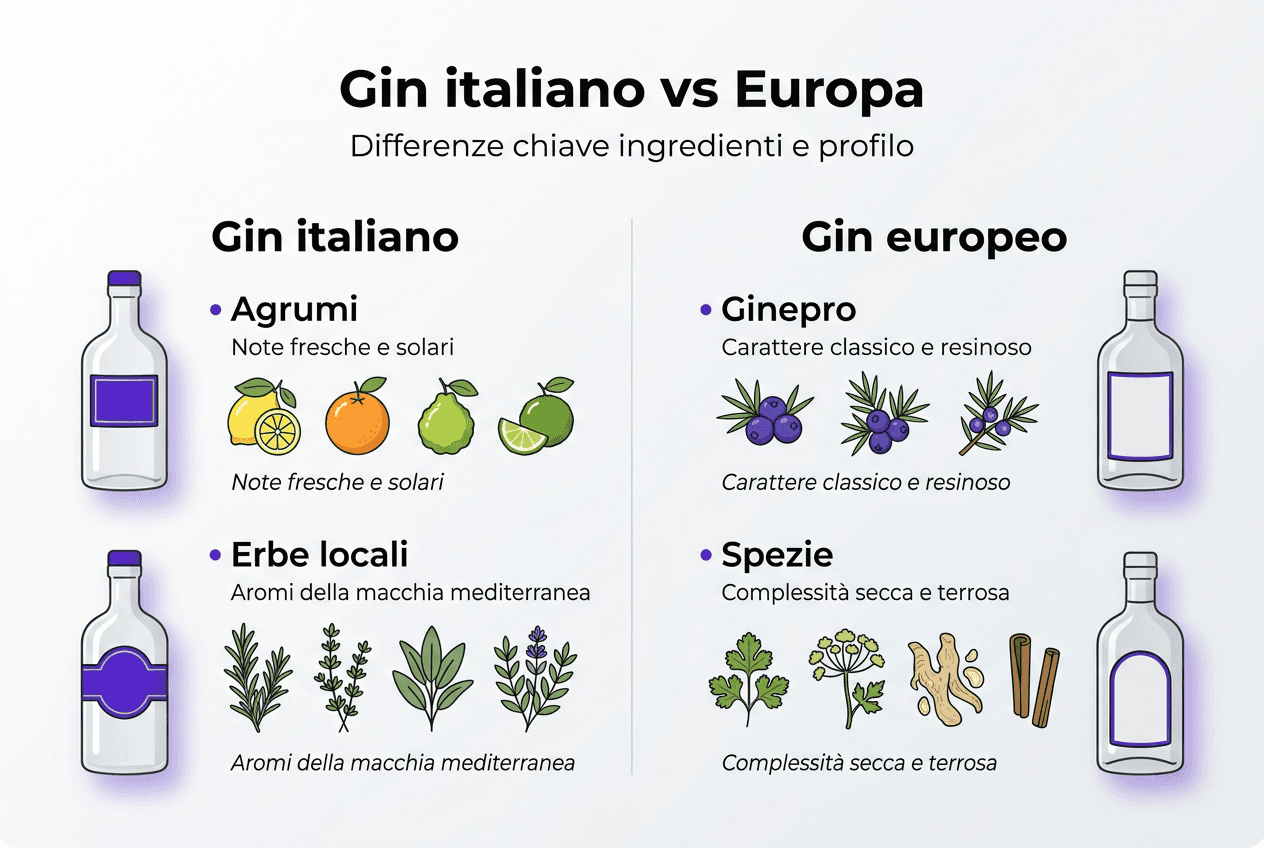
Italian gin emphasizes the use of local botanicals for unique aromatic profiles that immediately distinguish it from Northern European productions. While European regulations mandate that juniper flavor be predominant, Italian distillers interpret this rule with Mediterranean creativity. The juniper used often comes from selected harvests in Italian mountainous areas, where it grows wild and develops more delicate resinous notes than Nordic varieties.
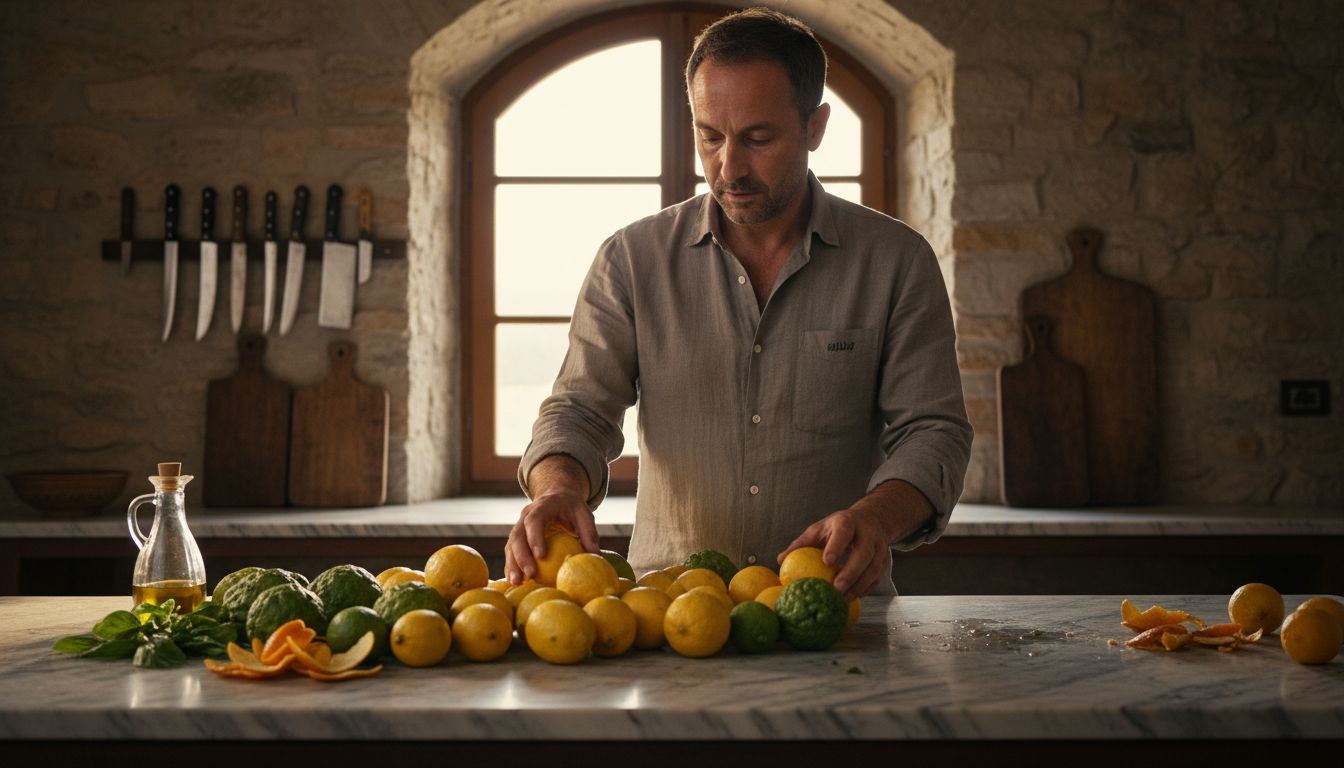
Citrus fruits represent the second distinctive pillar of Italian gin. Sorrento lemons, Calabrian bergamot, Sicilian oranges, and Ligurian Riviera cedri bring freshness and olfactory complexity impossible to replicate with botanicals from other regions. These citrus fruits are not mere flavorings: they carry essential oils rich in limonene and other terpenes that interact with juniper, creating sophisticated aromatic synergies. Their presence balances the resinous notes with citrusy vibrancy, making Italian gin particularly suitable for summer cocktails and fresh mixes.
Pro Tip: When reading the label of an Italian gin, look for precise geographical indications for botanicals. Expressions like "Tuscan juniper" or "Bergamot of Reggio Calabria" indicate an authentic territorial selection that translates into greater aromatic complexity compared to generic "Mediterranean botanicals."
The following table compares typical botanicals used in Italian gin with other European traditions:
| Origin | Primary Botanicals | Secondary Botanicals | Aromatic Profile |
|---|---|---|---|
| Italian Gin | Mountain juniper, Mediterranean citrus | Basil, rosemary, sage, elderflower | Fresh, complex, balanced between resinous and citrusy |
| London Dry | Nordic juniper, coriander | Angelica, licorice, almond | Dry, juniper dominant, spicy notes |
| Dutch Genever | Juniper, malt | Anise, caraway | Malty, smooth, less dry |
| Spanish Gin | Juniper, citrus | Thyme, olives, pepper | Mediterranean with savory and earthy notes |
Beyond citrus, Italian gin makes extensive use of aromatic herbs that grow wild in the Mediterranean scrub. The use of botanicals such as juniper, citrus, and regional herbs characterizes productions that tell the story of specific microclimates. Rosemary, thyme, basil, mint, and sage are not random additions: they are selected for their aromatic properties that integrate with the base profile without overpowering it.
Italian gin botanicals also include more unusual elements:
- Elderflowers that bring delicate floral sweetness
- Sardinian myrtle berries that add balsamic notes
- Broom that gives hints of honey and hay
- Lavender that contributes fragrant elegance without being intrusive
This botanical richness requires expertise in blending. Each ingredient must be precisely dosed to prevent one aroma from prevailing over others, instead creating an olfactory symphony where each note emerges at the right time. The aromatic components of craft gin are balanced through repeated trials, adjusting quantities and maceration times until the perfect equilibrium is achieved. This artisanal process explains why two Italian gins can use similar botanicals but result in profoundly different tastes in the glass.
Artisanal Processes and Innovations in Italian Gin Production
The Italian process involves meticulous maceration, distillation, and blending for balanced aromatic profiles that require weeks of work. Unlike industrial productions that prioritize speed and standardization, Italian artisanal distillers follow a patient approach that respects the natural extraction times of aromas. This method consists of five fundamental phases that determine the final quality of the spirit.
Here are the typical steps of artisanal Italian production:
-
Selection and preparation of botanicals: Botanicals are harvested at their peak aromatic concentration, often manually, and are dried or used fresh according to their characteristics. Citrus fruits are peeled, avoiding the bitter white pith, while herbs are trimmed of woody parts.
-
Controlled maceration: Botanicals are steeped in neutral base alcohol for periods ranging from 12 hours to several weeks. Each botanical has optimal maceration times: citrus fruits release essential oils quickly, while roots and barks require days. Some distillers macerate botanicals separately to better control extraction.
-
Low-temperature distillation: The still is heated gradually without exceeding temperatures that would degrade delicate aromas. Slow distillation allows for precise separation of heads, heart, and tails, retaining only the central fraction where noble aromas are concentrated. This process can take 8-12 hours for a single batch.
-
Selection of cuts: The master distiller continuously tastes the distillate coming out of the still, deciding when to start and end the collection of the heart. This sensory expertise, honed over years of experience, makes the difference between a mediocre and an excellent gin. Overly broad cuts include undesirable notes, while overly narrow ones sacrifice yield and complexity.
-
Rest and blending: After distillation, the gin is allowed to rest to allow the aromas to integrate. Some producers blend distillates of different botanicals only at this stage, creating complex blends. Resting can last from a few weeks to several months before bottling.
Pro Tip: Prolonged maceration beyond 48 hours extracts not only aromas but also tannins and bitter compounds from botanicals. The best Italian gins balance this risk by macerating delicate and robust ingredients separately, then assembling the distillates to achieve complexity without excessive bitterness.
Italian distillation methods favor discontinuous copper pot stills, which allow for artisanal control impossible with industrial continuous columns. Copper is not an aesthetic choice: this metal catalyzes chemical reactions that remove undesirable sulfur compounds, making the distillate cleaner and rounder. Italian stills are often small, from 50 to 500 liters, allowing for limited batches where each bottle receives individual attention.
Italian innovation also manifests itself in the use of modern techniques integrated with tradition. Some distillers use vacuum distillation, which lowers the boiling point of alcohol, allowing for the extraction of even more delicate aromas without thermal degradation. Others experiment with natural carbonation or short aging in barrels that previously held Italian wines, adding unexpected layers of complexity. These innovations do not betray tradition but expand it, demonstrating that Italian gin is a living product in continuous evolution.
Distinctive Characteristics and Comparison with Other European Gins
EU regulations require that juniper taste be predominant in gin, but this rule is interpreted differently across various European traditions. Italian gin positions itself in an intermediate territory between British austerity and Dutch softness, creating a profile that favors balance and drinkability. While London Dry aims for dryness and aggressive juniper, and Genever for malty sweetness, Italian gin seeks harmony between resinous, citrusy, and floral components.
The following table compares the main characteristics:
| Characteristic | Italian Gin | London Dry | Dutch Genever | New Western Gin |
|---|---|---|---|---|
| Juniper | Present but balanced | Dominant and dry | Moderate with malt | Often secondary |
| Distinctive Botanicals | Mediterranean citrus, aromatic herbs | Coriander, angelica | Malt, anise | Variable, often floral |
| Production Method | Artisanal, long maceration | Industrial or artisanal, rapid distillation | Distillation with malt | Experimental techniques |
| Taste Profile | Fresh, complex, balanced | Dry, clean, clear juniper | Smooth, slightly sweet | Innovative, often fruity |
| Typical Alcohol Content | 40-45% | 40-47% | 35-40% | 40-50% |
The sensory qualities that characterize a quality Italian gin include:
- Immediate freshness: Lively citrus notes immediately emerge on the nose, inviting a taste, without alcoholic aggressiveness
- Layered complexity: Each sip reveals new aromas, from floral top notes to resinous heart notes to a persistent herbaceous finish
- Harmonic balance: No botanical dominates, instead creating a symphony where juniper, citrus, and herbs interact without overpowering each other
- Roundness in the mouth: The texture is soft and enveloping, never sharp or burning despite the alcohol content
- Clean finish: The aftertaste is long but not tiring, leaving the palate refreshed and ready for another sip
To properly taste an Italian gin and appreciate its differences compared to other gins, follow this sensory approach. Pour 4 cl of gin into a balloon glass with quality ice, add a fresh citrus peel, and let it rest for 30 seconds. Bring it to your nose and gently inhale: the first aromas you perceive are the top notes, typically citrusy and floral. Taste a small sip without tonic water, letting the liquid flow over your entire tongue. You will notice how the juniper emerges gradually, balanced by other components that reveal themselves little by little.
Tasting craft gin requires attention to the details that distinguish an excellent product from a mediocre one. Too low a temperature anesthetizes the palate, preventing the perception of aromatic nuances. Poor quality ice releases extraneous flavors that mask the botanicals. Tonic water that is too sweet or bitter unbalances the gin instead of enhancing it. The best Italian gins shine both neat and mixed, demonstrating versatility that makes them suitable for multiple consumption occasions.
Compared to European competitors, Italian gin excels in cocktails that require freshness and complexity without aggressiveness. A Negroni prepared with Italian gin is more balanced, with vermouth and bitter harmoniously interacting instead of competing. A Gin & Tonic becomes a Mediterranean experience where the gin's citrus notes blend with those of the garnish. This versatility explains the growing international success of Italian gin, which wins over bartenders and consumers tired of one-dimensional profiles.
Discover Italian Craft Gin with Mezzanotte Spirits
After exploring the characteristics that make Italian gin unique, it's natural to want to taste these artisanal excellences. Mezzanotte Spirits selects artisanal Italian gins that embody the production philosophy described in this guide: local botanicals, traditional methods, and innovation respectful of the territory. Each bottle tells a story of distilling passion and meticulous attention to detail, with internationally awarded products that demonstrate the excellence achieved by Italian distillers.

The selection includes gins that use distinctive botanicals from different Italian regions, allowing you to explore the aromatic diversity of the peninsula through your glass. If you appreciate the culture of artisanal spirits, also discover artisanal Italian vodka, where the same qualitative philosophy applies to a seemingly simple but extraordinarily complex spirit when produced with excellence. Mezzanotte Spirits doesn't just sell bottles: it offers a cultural experience that connects pop culture and spirits, transforming every tasting into a journey through Italian tradition, territory, and innovation.
Frequently Asked Questions about Italian Gin
What differentiates Italian gin from other varieties?
Italian gin stands out for the extensive use of native Mediterranean botanicals, especially fresh citrus and regional aromatic herbs that create fresher and more complex profiles compared to London Dry. Artisanal methods favor prolonged maceration and slow distillation that preserve delicate aromas, resulting in a distinctive balance between juniper and secondary notes.
What are the most common botanicals in Italian gin?
In addition to the mandatory juniper, Italian gins frequently use Sorrento lemons, Calabrian bergamot, Sicilian oranges, rosemary, basil, sage, and elderflower. Some producers experiment with Sardinian myrtle, broom, lavender, and even olives, creating aromatic profiles impossible to replicate with botanicals from other regions.
How do you properly taste an Italian gin?
Pour the gin into a balloon glass with quality ice, add a fresh citrus peel, and let it rest for 30 seconds before smelling. Taste it neat first to perceive the botanicals, then add a neutral quality tonic water to evaluate how it performs when mixed. Ideal temperature: 8-10°C to appreciate all the aromatic nuances.
Does Italian gin have documented historical origins?
Yes, the first distillations of juniper berries in Europe occurred at the Schola Medica Salernitana in the 12th century, for medicinal purposes. This knowledge then spread to Northern Europe, where gin became commercially popular. The Italian tradition remained in the shadows until the recent artisanal revival that has recovered and reinterpreted these medieval roots.
What are the best pairings for Italian gin?
Italian gin excels in fresh cocktails like Gin Tonic with neutral tonic water and fresh citrus, Negroni where it balances vermouth and bitter, and Martini where the botanical complexity clearly emerges. It pairs perfectly with light Mediterranean dishes, seafood, summer salads, and fresh cheeses. Avoid overly spicy pairings that would mask the aromatic nuances.
How to recognize a quality Italian gin?
Look for precise geographical indications of botanicals on the label, detailed information on the production method, and the name of the master distiller. Quality types of artisanal gin openly declare ingredients and process, while industrial products remain vague. International awards and expert reviews are reliable indicators, but the final test is always direct tasting.
Recommendation
- Types de gin italiens 2026 : guide complet pour amateurs – Mezzanotte | Distilleria & Spirits
- Guida tipi di gin artigianale: scelta consapevole 2026 – Mezzanotte | Distilleria & Spirits
- The Complete Guide to Gin Italy: Explore Flavors and Tradition 2026 – Mezzanotte | Distilleria & Spirits
- Italian Gin Guide: Discover the Secrets of 2026 – Mezzanotte | Distilleria & Spirits