

Discover the main Gin Trends 2026: 72% of premium consumers prefer sustainability. Regional botanicals, innovative ingredients, and handmade quality characterize the Italian market.
Gin Trends 2026: 72% Prefer Sustainable Premium Products
Mar 3, 2026

In 2026, sustainability is a strong focus in gin production, with 72% of premium consumers preferring sustainable products. Regional botanicals and cultural storytelling are shaping new creations, while over 40% of gins use innovative, exotic ingredients. This article shows you the most important trends for gin lovers in Italy and explains what to look for when buying.
Table of Contents
- Key Insights into Gin Trends 2026
- Introduction to Gin Trends 2026
- Sustainability in Gin Production 2026
- Focus on Regional and Cultural Botanicals
- Innovative Botanicals and Recipes 2026
- Handcrafted Gins versus Mass-Produced
- Consumer Behavior and Market Trends in Italy and Europe
- Common Misconceptions in Gin Trends 2026
- Practical Tips for Gin Lovers in Italy 2026
- Discover High-Quality, Handcrafted Gin Spirits at Mezzanotte
- Frequently Asked Questions about Gin Trends 2026
Key Insights into Gin Trends 2026
| Point | Details |
|---|---|
| Sustainability dominates | Over 72% of premium gin customers prefer sustainable, climate-friendly products |
| Regional identity grows | Cultural storytelling and local botanicals significantly increase brand loyalty |
| Innovative botanicals boom | More than 40% of new gins use exotic, non-classical ingredients |
| Handcrafted convinces | Artisanal gins grow by 15% annually with 25% higher consumer engagement |
| Italian preferences clear | Authenticity, sustainability, and light profiles under 40% alcohol are in demand |
Introduction to Gin Trends 2026
The gin landscape is changing rapidly. Three central pillars shape innovation in 2026: sustainability in production, regional identity through local botanicals, and flavor innovation with exotic ingredients. These trends are not fleeting fads, but reflect a fundamental shift in consumer preferences.
The gin market in Europe has developed massively since 2020. Consumers are no longer just looking for a classic juniper taste, but for authentic stories, environmentally friendly production, and unusual aroma profiles. The importance of sustainability in gin production is strongly increasing, influencing the entire value chain.
Why is sustainability the central trend factor? Consumers associate climate-friendly production with higher quality. They want to know where the botanicals come from and how the distillery operates. Transparency becomes currency in the premium segment.
Overview of the most important developments:
- Climate-friendly distillation with renewable energies becomes standard
- Local raw material sourcing reduces carbon footprint and strengthens regional economy
- Recyclable or reusable packaging replaces plastic and single-use materials
- Transparent supply chains enable traceability of all ingredients
Sustainability in Gin Production 2026
Sustainable gin production begins with raw material sourcing. Distilleries increasingly rely on organically certified botanicals from regional cultivation. This strategy minimizes transport routes and guarantees freshness. Distillation itself is carried out with renewable energies such as solar or wind power, drastically reducing CO2 emissions.
72% of premium gin consumers prefer sustainable products, which fundamentally changes the market. This preference influences not only purchasing decisions but also brand perception. Gins without a sustainability strategy lose market share.
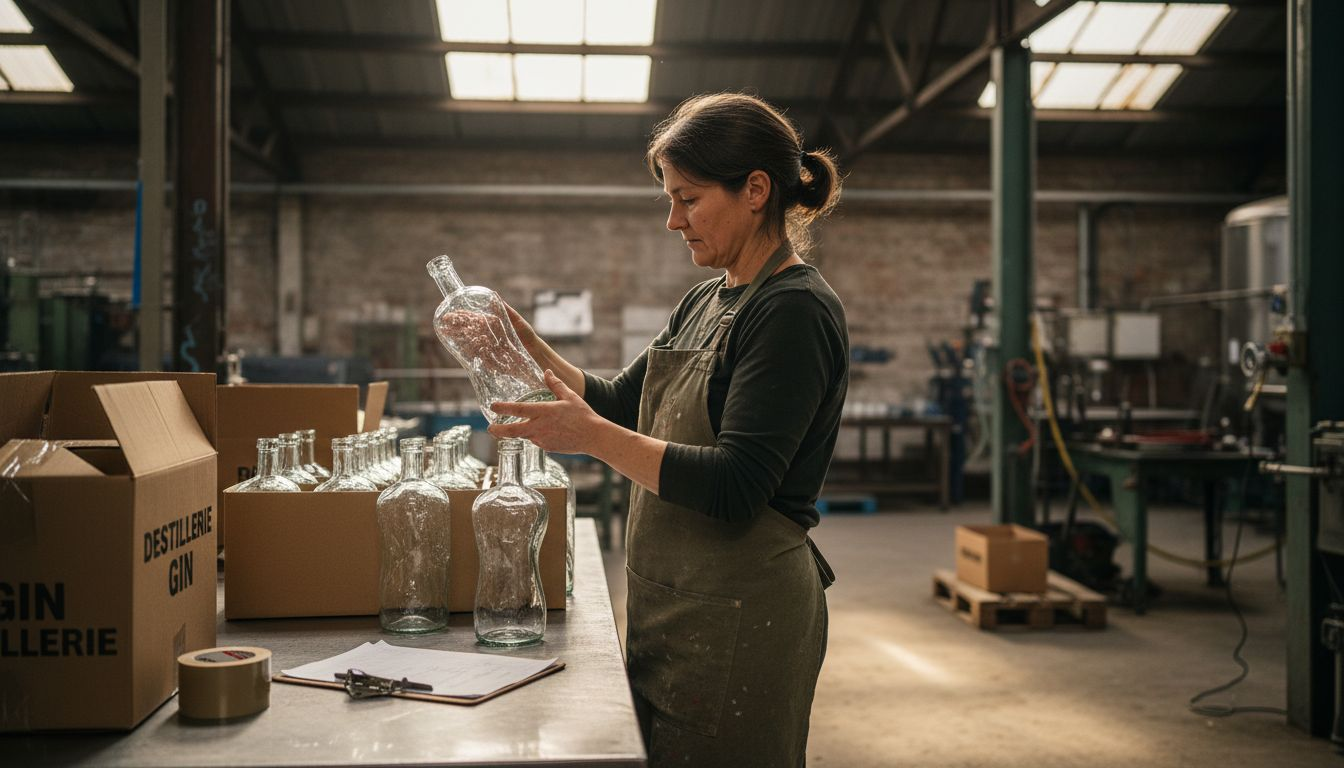
Climate-friendly packaging is another key factor. Italian distilleries increasingly use recycled glass, compostable labels, and reusable closures. Some brands offer refill systems that reduce packaging waste by up to 70%. These innovations directly appeal to environmentally conscious consumers.
Local sourcing in the Italian context is crucial. Juniper from the Alps, citrus fruits from Sicily, and herbs from Tuscany guarantee authenticity and minimize transport emissions. This regional rootedness makes every gin a piece of Italian culture.
Important sustainability features:
- Organic certification of botanicals and transparent proof of origin
- Energy-efficient distillation with CO2-neutral production processes
- Recyclable materials for bottles, labels, and shipping packaging
- Short supply chains through local partnerships with farmers
Pro tip: When buying, look for official sustainability certifications such as EU organic labels or carbon-neutral labels. These guarantee verifiable standards, not just marketing promises.
Focus on Regional and Cultural Botanicals
Regional botanicals define the character of modern gins. Over 65% of new gins in Italy use at least two local ingredients. This strategy creates identity and sets products apart from international mass-produced goods. Italian juniper, bergamot, and rosemary are popular components.
The integration of Italian ingredients in gin trends strengthens the cultural connection. Consumers are not just buying a drink, but a piece of regional history. This storytelling makes the difference between interchangeable products and brands with emotional connection.
Cultural storytelling works as a marketing and quality factor. Distilleries tell stories of traditional recipes, local myths, and artisanal techniques. These narratives build trust and justify premium prices. Consumers are happy to pay more for authentic stories.
The tasting of artisanal gin reveals the complexity of regional botanicals. Each ingredient brings nuanced flavors that reflect the terroir. Bergamot from Calabria tastes different from Sicily. These subtleties make handcrafted gins sensory experiences.
Popular regional botanicals in Italy:
- Italian juniper from the Alps and Apennines for classic notes
- Sicilian lemons and bergamot for fresh citrus aromas
- Tuscan rosemary and lavender for Mediterranean herbal spice
- South Tyrolean spruce and alpine herbs for woody, spicy accents
Pro tip: Recognize gins with authentic regional identity by detailed origin stories on the label. Vague descriptions often indicate generic mass-produced goods.
Innovative Botanicals and Recipes 2026
The trend towards exotic botanicals fundamentally changes flavor profiles. Yuzu from Japan, Peruvian pepper, and Moroccan saffron expand the aromatic palette. These ingredients bring unexpected notes that break up traditional juniper dominance. Over 40% of new gins use at least one non-classical ingredient.
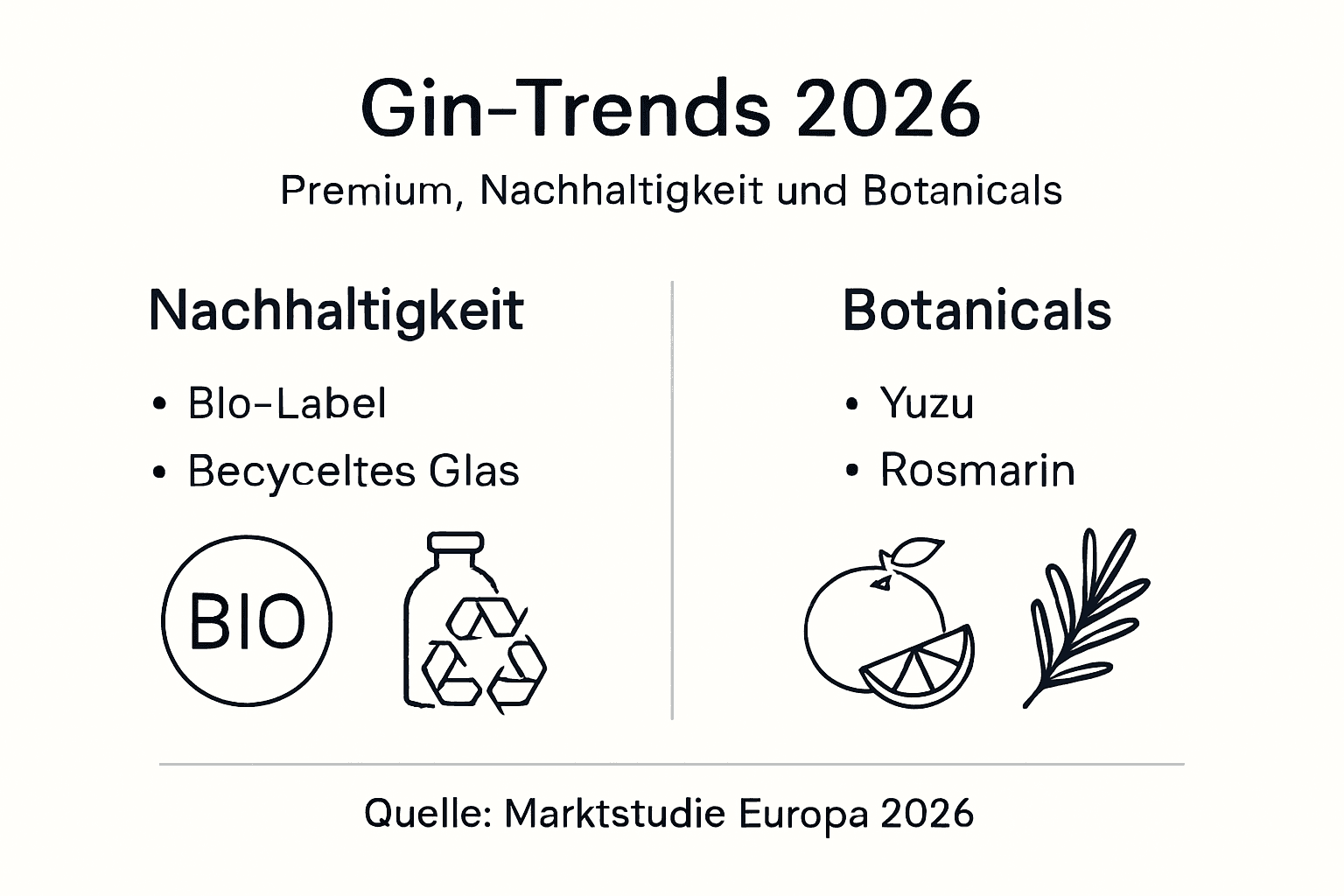
Innovative botanicals in gin significantly influence aroma and mouthfeel. Yuzu delivers sharp citrus notes with floral undertones. Rosemary enhances herbal spice and prolongs the aftertaste. Lavender brings floral sweetness that perfectly harmonizes with tonic.
These botanicals are not mere gimmicks, but well-thought-out additions. Distillers experiment for years to find balance. An overloaded gin with ten exotic ingredients tastes chaotic. Masterful gins use two to three innovative components strategically.
| Botanical | Frequency in new gins 2026 | Typical aroma profile |
|---|---|---|
| Yuzu | 18% | Sharp citrus, floral notes |
| Rosemary | 22% | Mediterranean herbal spice |
| Lavender | 15% | Floral sweetness, slightly soapy |
| Pink pepper | 12% | Spicy, peppery, fruity |
| Sichuan pepper | 8% | Tingling, citrusy, numbing |
The table shows that rosemary, as a Mediterranean ingredient, is the most commonly used. Yuzu follows with 18%, highlighting the growing popularity of Asian botanicals. Sichuan pepper remains a niche ingredient, used only by experimental distillers.
Handcrafted Gins versus Mass-Produced
Handcrafted gins are experiencing annual growth of 15%, while industrial mass-produced goods are stagnating. This trend reflects changing quality demands. Consumers recognize the difference between carefully distilled gins and machine-produced standard products.
The traditional production of gin takes place in small copper stills with long distillation times. This method extracts finer aromas and allows for precise control. Industrial facilities prioritize efficiency over complexity, which is reflected in the taste.
Artisanal gins achieve 25% higher consumer loyalty than mass-market brands. This loyalty arises from consistent quality, authentic storytelling, and direct communication. Craft distilleries build communities, not just customer bases.
| Criterion | Handcrafted Gin | Industrial Mass-Produced |
|---|---|---|
| Production volume | 500-5000 bottles/batch | 50,000+ bottles/batch |
| Distillation time | 6-12 hours | 2-4 hours |
| Botanical quality | Organic, regional, hand-picked | Standardized, globally sourced |
| Aroma complexity | High, multi-layered | Low, one-dimensional |
| Price | 35-70 Euros | 15-30 Euros |
How to recognize premium quality in gin:
- Check the production volume on the label or website
- Look for detailed information on botanicals and their origin
- Test the aroma profile for complexity and aftertaste
- Research the distillery and its production philosophy
- Look for awards from independent competitions
Handcrafted gins justify higher prices through superior quality. These products are investments in taste and craftsmanship, not everyday beverages.
Consumer Behavior and Market Trends in Italy and Europe
Italian consumers prefer gins with authentic storytelling and local roots. This preference explains the success of brands that combine regional traditions with modern techniques. Generic international brands are losing market share to Italian craft distilleries.
The demand for lighter gins with less than 40% alcohol content is growing in Italy and Germany. This development reflects health-conscious consumption habits. Consumers want flavor without excessive alcohol consumption. Distilleries are responding with reduced ABV variants.
Italian gin market trends show that premium gins with cultural relevance achieve up to 30% higher sales success. These products appeal to the emotional level and create differentiation. Consumers buy identity, not just alcohol.
The purchasing preferences of Italian gin lovers differ from other European markets. Italians place more emphasis on design, packaging, and cultural narratives. The gin must tell a story that fits the Italian identity.
Key market changes:
- Shift from international to local, artisanal brands
- Preference for lower alcohol contents between 38% and 42%
- Growing importance of online purchases with 35% market share in 2026
- Increasing demand for tasting sets and limited editions
- Higher willingness to pay for certified sustainable products
Common Misconceptions in Gin Trends 2026
Many believe that gin must contain classic botanicals like juniper, coriander, and angelica root. This assumption is outdated. Over 40% of new gins use exotic ingredients as primary flavor carriers. Innovation does not mean betraying traditions, but evolving them.
Another myth states that handcrafted gins are always expensive. The reality shows a wide price range from 35 to 70 Euros. Some craft distilleries optimize production processes to offer affordable prices. Quality does not automatically correlate with price.
Many consider sustainability a luxury feature for wealthy consumers. However, 72% of premium consumers prefer sustainable gins, making the segment mainstream. Sustainability is no longer a niche topic, but an expectation.
Common misconceptions:
- Myth: More botanicals mean better taste; Reality: Balance is more important than quantity
- Myth: Clear gins are inferior to colored ones; Reality: Color has nothing to do with quality
- Myth: More expensive gin automatically tastes better; Reality: Price often reflects marketing, not just quality
- Myth: Gin from large distilleries is worse; Reality: Size does not determine quality, but production philosophy
- Myth: Regional botanicals are just marketing; Reality: They significantly influence taste and authenticity
These misunderstandings prevent consumers from making informed decisions. Education about production methods and quality criteria is crucial.
Practical Tips for Gin Lovers in Italy 2026
You can quickly identify sustainable and regional gins by transparent origin information. Look for detailed information about botanicals, distillation location, and production philosophy. Vague descriptions indicate a lack of authenticity. Reputable distilleries hide nothing.
Assess craftsmanship based on production characteristics such as batch size, distillation time, and quality of botanicals. Small batches under 5000 bottles guarantee more control and attention. Long distillation times over six hours extract more complex aromas.
How to optimally select and enjoy gin online:
- Thoroughly research the distillery and its sustainability practices
- Read tasting notes and compare aroma profiles with your preferences
- Start with smaller bottles or sample packs for new brands
- Look for awards from independent competitions like IWSC
- Try recommended Italian gin brands with regional ties
- Store gin in a cool, dark place to preserve aroma quality
Pro Tip: Look for a combination of authentic storytelling and short supply chains. Gins that meet both criteria usually offer superior quality and sustainability. These products justify premium prices through genuine added value.
Discover high-quality, handmade gin spirits at Mezzanotte
At Mezzanotte, you'll find a curated selection of handmade Italian gin that combines sustainability, regional identity, and innovation. Each gin tells a unique story, inspired by Italian culture, myths, and craftsmanship. Our distillates are produced in small batches, with organic-certified botanicals and transparent supply chains.
Our assortment includes award-winning gins that have received international recognition. These products represent the future of gin enjoyment: sustainable, authentic, and exceptionally flavorful. Discover how traditional distillation artistry merges with modern trends.
Deepen your knowledge with our comprehensive Gin Guide for Italy 2026 and learn how to optimally enjoy every sip. Our gin tasting tips will help you fully grasp the complexity of handmade gins. Experience spirits as a cultural adventure.
Frequently Asked Questions about Gin Trends 2026
Which sustainable ingredients will dominate gin production in 2026?
Organic-certified botanicals from regional cultivation dominate sustainable gin production. Italian juniper, Sicilian citrus fruits, and alpine herbs minimize transport routes and guarantee freshness. Distilleries are increasingly partnering with local farmers to make supply chains transparent and climate-friendly.
How do I recognize authentic regional identity in gin?
You can recognize authentic regional identity by detailed origin stories on the label and website. Reputable distilleries name specific growing regions of the botanicals and explain their cultural significance. Vague formulations like “Mediterranean herbs” without further details indicate generic mass-produced goods.
Is handmade gin always better than industrially produced gin?
Handmade gin usually offers more complex flavor profiles and higher quality through careful distillation in small batches. However, there are also high-quality industrial gins from established brands. The decisive factors are production philosophy, botanical quality, and distillation time, not exclusively production size.
Why do Italian consumers prefer lighter gins?
Italian consumers prefer lighter gins with under 40% alcohol for health-conscious reasons and enjoyment. These products allow for longer tastings without excessive alcohol consumption. Furthermore, lower ABV values harmonize better with Italian drinking culture, which prioritizes quality over quantity.
Which innovative botanicals should I try in 2026?
Try yuzu for sharp citrus notes with floral undertones, rosemary for Mediterranean herbal spice, and pink pepper for spicy-fruity accents. Szechuan pepper offers a tingling, numbing mouthfeel for adventurous connoisseurs. These botanicals expand classic gin profiles and create unique taste experiences.
Recommendation
- What does Premium Gin mean? Quality meets Culture – Mezzanotte | Distilleria & Spirits
- Types of Gin: 4 Types and 57% Alcohol for intense enjoyment – Mezzanotte | Distilleria & Spirits
- 7 Premium Gins to Try in 2026: Exclusive Picks – Mezzanotte | Distilleria & Spirits
- Traditional Gin Production: Craftsmanship and Character – Mezzanotte | Distilleria & Spirits