

Discover the diversity of Italian bitter liqueurs. Learn all about their production with 40+ herbs, flavor profiles, and traditional enjoyment in 2026.
Italian Bitters 2026: 40+ Herbs for Enjoyment
Mar 2, 2026

Italian bitter liqueurs are not just extremely bitter, as many suspect. Amari offer a balanced bittersweet flavour palette with an impressive variety of aromas. They combine centuries of herbal tradition with modern enjoyment culture, opening up a fascinating taste experience. This article sheds light on the origin, production, flavour profiles and cultural significance of Italian Amari, so that you can consciously enjoy these spirits.
Table of Contents
- Definition and Origin: What is Amaro?
- Historical Development and Cultural Significance
- Production and Ingredients: What makes Amaro unique?
- Varieties, Flavour Profiles and Important Brands
- How to Enjoy Bitters: Use and Taste Experience
- Common Misconceptions about Italian Bitter Liqueurs
- Italian Bitters in Germany: Market and Culture of Enjoyment
- Discover Exquisite Italian Bitters at Mezzanotte
- Frequently Asked Questions about Italian Bitter Liqueurs
Key Insights
| Point | Details |
|---|---|
| Definition and Tradition | Amari are Italian herbal liqueurs made from the maceration of over 40 herbs, roots, and citrus peels in alcohol. |
| Flavour Diversity | Profiles range from mildly bittersweet to intensely bitter with alcohol content between 16 and 40 percent. |
| Ways to Enjoy | Neat as a digestif or aperitif, in cocktails like Negroni, or mixed with soda. |
| Cultural Significance | Origin in medieval monastic medicine, today an integral part of Italian enjoyment culture. |
| Growing Market | German connoisseurs are increasingly discovering high-quality Italian Amari for authentic taste experiences. |
Definition and Origin: What is Amaro?
The term Amaro means bitter in Italian and refers to herbal liqueurs made from a mixture of herbs, roots, flowers, bark and citrus peels. These spirits are created through maceration, where botanical ingredients are steeped in alcohol for weeks. Maceration extracts essential oils and bitter substances that give Amaro its characteristic complexity.
The roots of Italian Amari lie deep in European herbal medicine. Originally, they were used as remedies to aid digestion and alleviate ailments. Monks and apothecaries developed these recipes in monasteries and pharmacies, where healing and spirit production went hand in hand. What began as a medicinal tonic evolved over centuries into a cherished delicacy.
Here are the most important characteristics of an Amaro:
- Production through maceration of botanical ingredients in high-proof alcohol
- Bitterness as the basic character, complemented by sweet, spicy, and fruity notes
- Traditional use as a digestive aid after meals
- Diverse flavour profiles depending on the recipe and region
This ultimate Amaro Guide offers you deeper insights into the world of Italian bitter liqueurs. The variety of recipes reflects Italy's regional herbal traditions, with each region contributing its own botanical treasures. The Wikipedia article on Amaro documents this regional diversity in detail.
Historical Development and Cultural Significance
The development of Amari tells the story of European herbal art from the Middle Ages to today. Many popular bitter liqueurs of Italian origin are based on monastery or apothecary recipes from the 17th to 19th centuries. These recipes were refined and adapted over generations, with family secrets and regional peculiarities shaping the diversity.
In the 19th century, a decisive change took place. Amari broke away from the medical context and established themselves as social luxury goods. Italian eating and drinking culture integrated them as a digestif after meals and an aperitif before. Cafes and bars became places where people enjoyed Amari in convivial company.
The cultural significance of Italian Amari manifests itself in several dimensions:
- Connection to regional identity and local herbal tradition
- Transmission of family recipes over generations as cultural heritage
- Modern rediscovery as premium spirits in the international bar scene
- Storytelling and brand narratives as mediators of Italian culture
Each brand tells its own story, often closely intertwined with the history of Italian bitters. These narratives convey more than taste; they transport tradition, craftsmanship, and regional specificities. Today, Amari are an integral part of global cocktail culture and at the same time authentic ambassadors of Italian enjoyment culture.
“The art of Amaro production combines medical knowledge of past centuries with modern demands for enjoyment, thus creating spirits of unique complexity.”
The herbal liqueur history from Tailored Tastes impressively shows how these spirits developed from home remedies to celebrated objects of pleasure. German connoisseurs increasingly appreciate this cultural depth and seek authentic products with traceable origins.
Production and Ingredients: What makes Amaro unique?
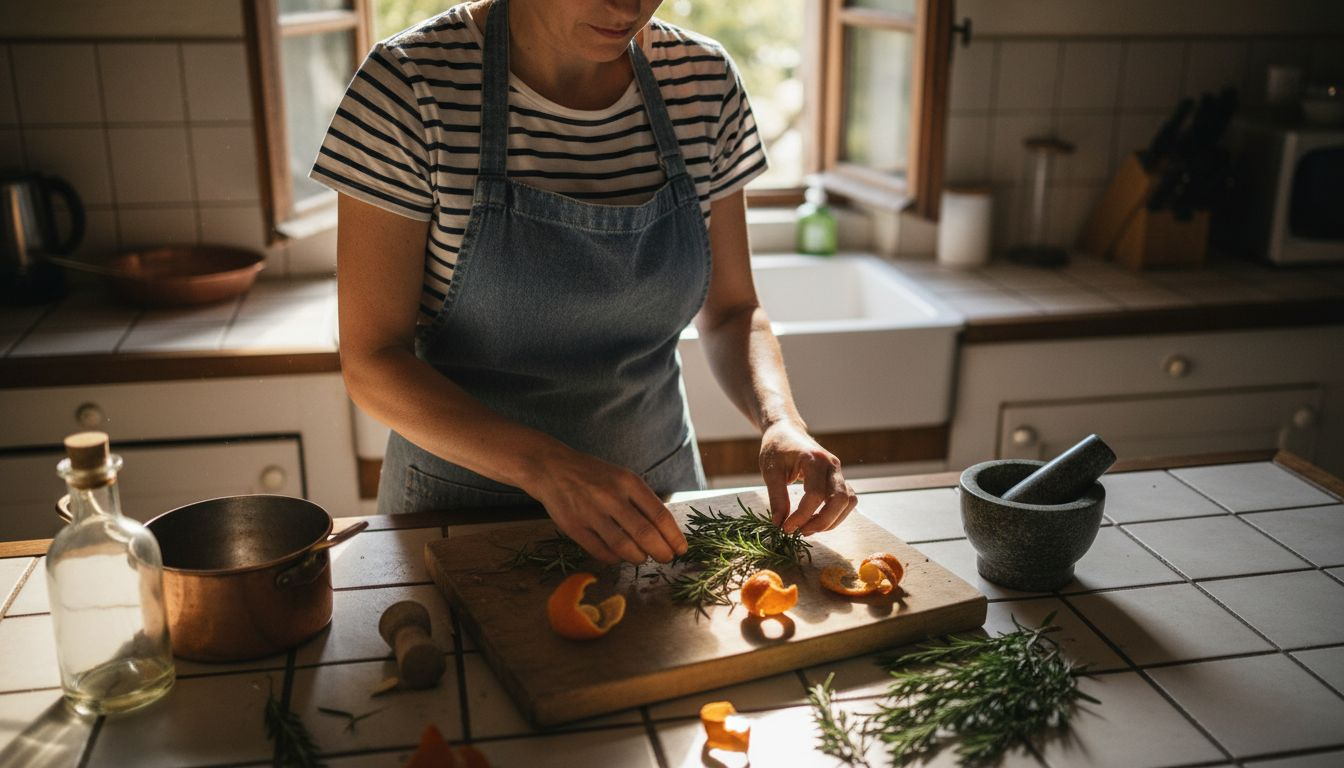
The production of Amaro is an artistic interplay of botany, chemistry, and patience. The process begins with the careful selection of ingredients. Production involves steeping herbs and spices in alcohol, followed by filtration, sweetening, and maturation over weeks or months. Each step significantly influences the final product.
Typical ingredients form the aromatic base of an Amaro:
- Gentian root provides intense bitterness and earthy notes
- Rhubarb brings fruity acidity and tart tones
- Cinchona bark contributes characteristic bitterness and tannins
- Orange peels add citrus freshness and essential oils
- Cardamom, anise, fennel, and other spices complement the complexity
After several weeks of maceration, the liquid is filtered to remove plant residues. Sweetening is usually done with sugar or honey to balance the bitterness and round out the mouthfeel. Subsequent maturation in tanks or barrels harmonizes the flavours and mellows sharp edges.
The Amaro production process varies considerably depending on the manufacturer and recipe. Some producers macerate different groups of herbs separately and combine them later, while others steep all ingredients together. The maturation period ranges from a few weeks to several years, with longer maturation usually producing softer profiles.
Pro Tip: The quality and dosage of the herbs used largely determine the flavour diversity and uniqueness of an Amaro. Look for products that transparently communicate their botanical origin.
The explanation of production and ingredients illustrates how much craftsmanship goes into each bottle. Over 40 different herbs can be combined in a single recipe, with each ingredient playing its own role in the overall picture. This complexity explains the enormous flavour diversity between different Amari.
Varieties, Flavour Profiles and Important Brands
The world of Amari is divided into different categories, each serving its own flavour profiles. Amari are complex and can range from mildly sweet to intensely bitter, often with additional floral or spicy notes. This variety allows you to find the perfect Amaro for your taste preferences.
Important Amaro categories include:
- Fernet: Intensely bitter with menthol and herbal notes, alcohol content around 40 percent
- Carciofo: Artichoke-based, milder and more herbaceous character
- Alpen-Amaro: Mountain herbs dominate, often with gentian and Alpine herbs
- Chinato: Cinchona bark emphasized, softer and wine-based
- Aperitivo-Amaro: Lighter, fruitier, for social enjoyment before meals
The following table compares important Amaro styles:
| Style | Flavour Profile | Alcohol Content | Typical Use |
|---|---|---|---|
| Fernet | Intensely bitter, mentholic, herbal | 38-42% | Digestif neat or in cocktails |
| Montenegro | Balanced bittersweet, citrus and spice notes | 23% | Versatile, neat or mixed |
| Cynar | Mildly herbaceous, artichoke-based | 16.5% | Aperitif with soda or in spritz |
| Averna | Sweetish, caramel, subtle bitterness | 29% | Digestif or with cola |
| Nonino | Elegant, grape-based, fruity | 35% | Premium digestif neat |
Well-known Italian brands have each developed their own signature. Amaro Montenegro offers a harmonious balance of bitterness and sweetness with over 40 botanical ingredients. Fernet Branca embodies intense bitterness with a distinctive menthol note. Cynar relies on mild artichoke bitterness, which also appeals to newcomers.
The Guide to Amaro Varieties helps you make the right choice for your preferences. The flavour profiles and varieties of Amaro show how diverse this spirit category can be. From gentle aperitifs to powerful digestifs, Amari cover the entire spectrum.
How to Enjoy Bitters: Use and Taste Experience
The ways to enjoy Amari are as diverse as their flavour profiles. Amaro is traditionally drunk neat at room temperature or slightly chilled as a digestif after dinner. This classic serving method allows the flavours to develop optimally and aids digestion.
Modern drinking culture has significantly expanded the possibilities of use. Amari excel in cocktails, where their complexity creates depth and balance. The Negroni combines Amaro with gin and vermouth to form a bittersweet classic. The Paper Plane uses Amaro Nonino for elegant fruitiness. Simple mixtures with soda or tonic transform Amari into refreshing long drinks.
Here are popular ways to enjoy:
- Neat at room temperature as a digestif after a rich meal
- Slightly chilled or on ice as a relaxing aperitif
- In classic cocktails such as Negroni, Boulevardier, or Black Manhattan
- With soda or tonic for a refreshing spritzer
- As an ingredient in culinary creations such as desserts or sauces
Pro Tip: For beginners, balanced Amari such as Montenegro or Averna are suitable, as they are harmoniously bittersweet and not overwhelming. Gradually increase the intensity.
Enjoying Amaro offers more than just taste; it conveys a cultural experience. Every sip tells a story of Italian tradition and craftsmanship. The popular Amaro drinking styles show you creative ways to incorporate these spirits. The tips for using Amaro will help you get the most out of your bottle.
Common Misconceptions about Italian Bitter Liqueurs
Several persistent misconceptions shape the perception of Amari and deter some interested parties from enjoying them. The most common misconception concerns bitterness itself. Not all Amari are extremely bitter; many are bittersweet and balanced. In fact, numerous varieties offer a harmonious balance that even convinces bitterness sceptics.
Another misconception concerns geographical origin. Amaro is not only produced in Italy, but Italian Amari are considered the benchmark. While the best and most traditional Amari come from Italy, producers worldwide are experimenting with their own interpretations. However, the Italian originals set the quality standard through experience and access to local herbs.
Important clarifications:
- Amari vary significantly in bitterness and are not uniformly bitter
- Modern Amari are pleasure products, no longer pure medicinal liqueurs
- Quality depends on the recipe and production, not just brand recognition
- Using them in cocktails is just as legitimate as enjoying them neat
Bitter liqueurs are more than medicine; they are luxury goods with cultural value. This perspective opens access for connoisseurs who seek authentic products with history. Clarifying the Amaro misconceptions helps you make informed decisions and overcome prejudices.
Italian Bitters in Germany: Market and Culture of Enjoyment
The German market for Italian Amari has experienced remarkable growth in recent years. Italian bitter liqueurs have a growing fan base in Germany among connoisseurs who appreciate quality and cultural background, which also promotes the import and availability of exclusive brands. This development reflects an increasing interest in authentic, handcrafted spirits.
Several factors drive this development:
- Growing awareness of quality and origin in spirits
- Cocktail culture integrates Amari as an essential ingredient in premium drinks
- Cultural interest in Italian lifestyle and enjoyment culture is increasing
- Availability of specialized retailers and online shops expands access
- Social media and bar scene create visibility for niche products
German connoisseurs particularly appreciate the stories behind the brands. Purchasing decisions are often based on the cultural and traditional background of the products. Transparent production, regional characteristics, and verifiable quality convince demanding consumers. These values perfectly combine with the demands of culturally interested pleasure drinkers.
The market development of Amari in Germany shows increasing import figures and a growing assortment in specialist shops. Online platforms democratize access to exclusive brands that were previously only available in Italy. German enjoyment culture is increasingly opening up to the diversity of Italian bitters and integrating them into local drinking habits.
Discover Exquisite Italian Bitters at Mezzanotte
Mezzanotte offers you a curated selection of handcrafted Italian spirits that enrich your moments of enjoyment. Our collection includes authentic Amari that combine tradition and quality. Each product tells its own story and brings Italian culture directly into your glass.

Discover the best Italian Amari in our assortment. Our blog provides you with insider knowledge for conscious product selection. The ultimate Amaro Guide supports you in discovering perfect companions for enjoyable moments. Whether enjoyed neat or in cocktails, our Amari set standards in quality and authenticity. Start your personal journey of discovery into Italian bitter enjoyment today.
Frequently Asked Questions about Italian Bitter Liqueurs
How long does an opened Amaro last?
An opened Amaro remains flavorful for about 12 to 18 months when stored in a cool, dark place. The high alcohol content and bitter substances naturally preserve the product. Carefully close the bottle after each use to minimize oxidation.
What distinguishes Amaro from other bitter liqueurs?
Italian Amari are characterized by specific herbal combinations and regional recipes, often passed down for centuries. The variety of botanical ingredients and the balance of bitterness and sweetness distinguish them from generic bitter liqueurs. Each Amaro reflects its region of origin through local herbs.
Which Amaro is best for cocktail beginners?
Amaro Montenegro or Averna are ideal entry-level options with balanced profiles. Their harmonious bitterness is not overwhelming and can be used versatilely in classic cocktails like Negroni or simple mixes. Both brands offer accessible complexity without extreme intensity.
Can Amaro be used for cooking?
Yes, Amaro is excellent for culinary applications. The bitterness complements desserts like chocolate cake or panna cotta with interesting depth. In sauces for game or beef, Amaro adds complex herbal notes. Slightly reduce the sweetness in recipes, as Amaro already contains sugar.
Why are some Amari recommended as a digestif?
Bitter substances stimulate the production of digestive enzymes and stomach acid, which aids in the digestion of fatty meals. This physiological effect explains the traditional use as a digestif. Enjoying it after a meal is thus more than tradition; it offers practical benefits for your well-being.
Recommendation
- Italian Bitter Liqueurs: A Guide to Traditions and Innovations 2026 – Mezzanotte | Distilleria & Spirits
- Discover the Best Italian Bitter Liqueurs: An Unmissable 2026 Selectio – Mezzanotte | Distilleria & Spirits
- Best Italian Amaro: A Guide to Excellence 2026 – Mezzanotte | Distilleria & Spirits
- Italian Bitter Liqueurs: History and Tradition of Italian Bitters – Mezzanotte | Distilleria & Spirits