

Have you ever wondered how to prepare a perfect Gin Tonic gin? Discover stories, trends 2026, recipes and mixology tips for cocktails for true connoisseurs
The Complete Guide to Gin and Tonic: Tips and Trends for 2026
Jan 7, 2026

Gin and Tonic is not just a cocktail, but a true icon that is winning over more and more enthusiasts among new artisanal gins, premium tonics and surprising botanicals.
This complete guide to gin and tonic 2026 takes you on a journey of discovery through the secrets of making the perfect gin and tonic, with tips from top bartenders, curiosities, and all the latest trends.
Did you know that gin consumption in Italy has grown 15% annually? Get ready to discover the history, original recipes, pairings, and exclusive tips to become a true expert. Read on and stay up-to-date on the latest industry news!
The History and Evolution of Gin and Tonic: From Origins to 2026 Trends
When you think of gin and tonic, you might picture a modern drink, but its history is surprisingly ancient and full of fascinating details. Ready to discover how this cocktail became the symbol of style and conviviality you know today? Let's retrace together the milestones and revolutions that transformed gin and tonic into a global phenomenon, up to the trends that will dominate 2026.

The historical roots of Gin and Tonic
Imagine 19th-century colonial India: British officers seeking a cure for malaria discover that quinine, found in tonic, is effective. To make it more palatable, they mix it with gin, creating the first gin and tonic. This combination quickly spread, becoming a social ritual among the elite.
Over time, gin evolved from an industrial spirit to a refined product, thanks to the evolution of distillation techniques and the rediscovery of botanicals. Gin and tonic thus became synonymous with elegance in English clubs and, later, in bars around the world.
Want to learn more about the origins and curiosities of this drink? Discover fascinating details in Gin History and Curiosities .
In Italy, gin and tonic consumption grew by 15% between 2020 and 2025, demonstrating a real boom in interest in this classic cocktail reinterpreted with a modern twist.
The revolution of recent years
In recent years, the world of gin and tonic has undergone a true revolution. Artisanal microdistilleries have brought experimentation back into fashion, showcasing unique botanicals like juniper from the Marche region or Sicilian citrus fruits. Don't you find this constant search for new flavor profiles fascinating?
Bartenders have played a key role, introducing innovative techniques and creative presentations that have made gin and tonic a staple in the trendiest cocktail bars. Tonic has also evolved, with the arrival of premium and even non-alcoholic versions, offering increasingly personalized experiences.
Today you can find gin and tonics made with local and sustainable ingredients, which tell an all-Italian story and satisfy the desire for authenticity of the most discerning consumers.
2026 trends in brief
Looking to the future, gin and tonic is preparing for new challenges and opportunities. Low-alcohol and non-alcoholic gins will be increasingly popular, catering to the desire to drink responsibly without sacrificing flavor. Sustainability and eco-friendly packaging will become standard, while home mixology will continue to grow, with bespoke cocktails created directly at home.
Do you like to experiment? In 2026, we'll see surprising pairings between gin and tonics and gourmet cuisine, as well as street food. Gin Experiences and guided tastings will be unmissable opportunities to discover new labels and tasting techniques.
In short, gin and tonic is not just a passing fad, but a constantly evolving universe, ready to amaze even the most demanding palates.
How to Choose the Perfect Gin for Your Gin and Tonic
Choosing the right gin for your gin and tonic has never been so exciting, but also a bit complicated. The selection has expanded dramatically: between artisanal labels, innovative botanicals, and new trends, the risk of confusion is real. But fear not, here's a compass to guide you through the types, flavors, and practical tips, so you can create the gin and tonic of your dreams.
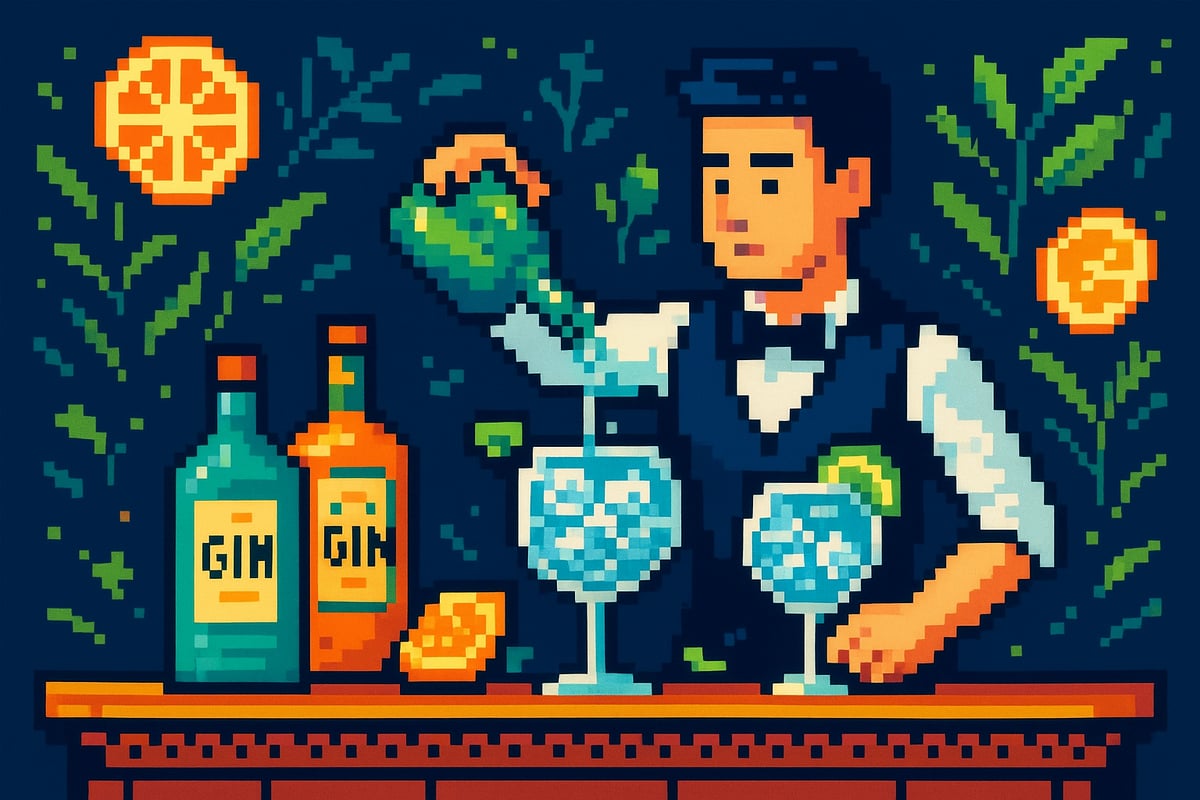
Types of gin and main differences
When you think of gin and tonic, the first question is: which type of gin should you choose? Here's an overview of the four most popular types:
Type of gin |
Main features |
Ideal for… |
|---|---|---|
London Dry |
Dry, classic, with a strong juniper aroma |
Traditional gin and tonic |
Distilled |
Distilled with botanicals added after |
Aromatic and creative variations |
Compound |
Flavored without redistillation |
Gin and tonic with an intense flavour |
Old Tom |
Sweeter and softer, often with sugar |
Slightly sweet gin and tonic |
The botanicals used (juniper, citrus, spices, herbs, flowers) are key to distinguishing one gin and tonic from another. Italian gins often focus on local ingredients like Sicilian lemon peel or Alpine juniper. In 2025, over 300 artisanal labels were available in Italy: a true paradise for those who love to experiment.
Selection criteria for a balanced Gin and Tonic
How do you know if a gin and tonic is truly balanced? First, consider the alcohol content: a gin that's too strong can overpower the tonic, while one that's too light risks going unnoticed. The aromatic profile is crucial: citrus for a fresh and lively gin and tonic, spice for a warmer and more enveloping version.
Bartenders recommend always choosing according to the season: in summer, opt for citrusy gins and light tonics; in winter, go bold with spicy gins and more intense garnishes. A tip? Try pairing your gin and tonic with small bites of food to bring out every aromatic note.
Don't forget to smell the gin before pouring it: smell is your first ally in understanding if you have a quality product in your hands.
The best labels to try in 2026
The gin and tonic scene in Italy is booming, with distilleries offering increasingly original bottles. Among the must-try Italian artisanal gins are those from the Marche region (with a balsamic profile), Piedmont (floral and delicate), and Sicily (explosion of citrus).
Internationally, English gins maintain a classic style, while Spanish and Japanese gins focus on exotic and innovative botanicals. If you're looking for modern alternatives, explore non-alcoholic and low-alcohol gins, perfect for a light yet flavorful gin and tonic.
Want to explore Italy's finest selection? Check out our selection of Italian artisanal gins , where you can discover new labels and trends for 2026.
How to taste and recognize a quality gin
Tasting a gin and tonic is a multisensory experience. Start with a visual analysis: the gin should be clear and free of impurities. On the nose, look for notes of juniper, but also secondary aromas like citrus, flowers, or spices.
On the palate, a quality gin is balanced, without excessive alcohol or artificial flavors. Comparative tastings, perhaps with friends, can help you recognize the differences between various gin and tonics.
Be careful not to make common mistakes, such as choosing overly aromatic gins or neglecting the quality of the tonic: the real secret is always balance.
Step-by-Step Guide: How to Make the Perfect Gin and Tonic
Making the perfect gin and tonic is a little ritual of pleasure, isn't it? It only takes a few steps, but every detail makes the difference between an ordinary cocktail and a memorable experience. Let's discover together how to do it, step by step, to always achieve a surprising result.
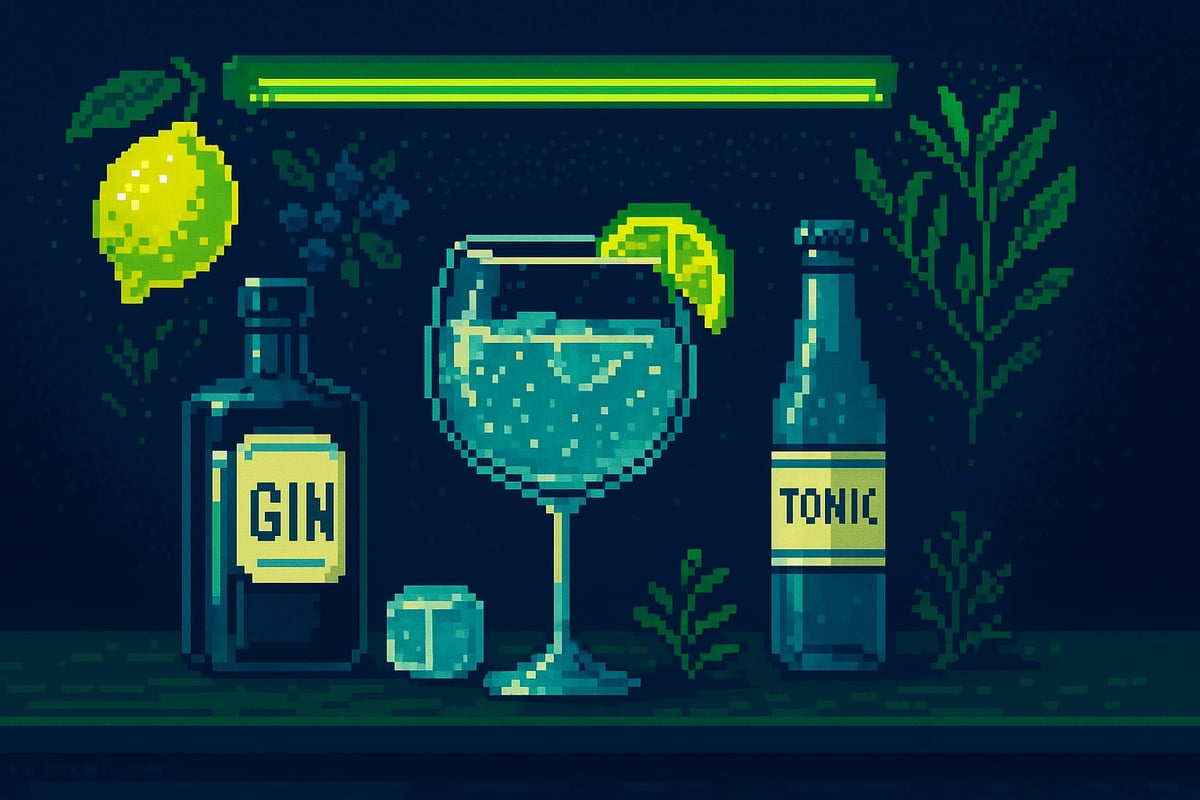
Step 1: Choose the right gin and tonic
Want your gin and tonic to be truly memorable? It all starts with the ingredients. Choose a gin that reflects your taste: citrusy, floral, spicy, or classic. Don't underestimate the tonic, because 60% of the success depends on it. Opt for tonics with natural ingredients and a lively carbonation.
Here are some pairings to try:
Citrus gin + neutral tonic: freshness guaranteed.
Floral gin + aromatic tonic: for an elegant touch.
Spiced gin + dry tonic: ideal for winter.
If you want to follow the trends, try gin and tonics with artisanal Italian gins or low-alcohol versions for a lighter evening.
Step 2: The ideal glass and the perfect ice
Presentation is as important as taste. Gin and tonic is best enjoyed in a balloon glass, which allows the aromas to unfold more fully, but a tumbler is also fine if you prefer a more classic style. Always chill the glass before use, perhaps by leaving it in the freezer for a few minutes.
The ice? It should be abundant and crystal clear. The more ice you use, the less it melts and the less it waters down your gin and tonic. Avoid small cubes or bagged ice, which melts too quickly.
Step 3: Proportions and mixing technique
The right amount makes the difference between a balanced gin and tonic and an unbalanced one. The classic rule is 1 part gin and 3 parts tonic, for example, 50 ml gin and 150 ml tonic. Pour in the ice first, then the gin, and finally the tonic, which should be added slowly over the back of a spoon to avoid losing the bubbles.
Stir gently with a bar spoon. Don't shake too vigorously, or you risk ruining the gin and tonic's carbonation and bouquet.
Step 4: Garnish and botanicals to personalize
Want to make your gin and tonic special? Choose the right garnish! Lemon or lime zest is a classic, but you can be bold with juniper berries, edible flowers, or spices like cardamom or pink pepper. Aromatic herbs, exotic fruits, and seaweed are also popular in 2026.
Gin Style |
Recommended Garnish |
|---|---|
Citrus |
Lemon, lime, orange |
Floral |
Edible flowers, lavender |
Spicy |
Pink pepper, cinnamon |
Marine |
Seaweed, cucumber |
Change the garnish according to the season or occasion, and transform every gin and tonic into a small work of art.
Step 5: Mistakes to avoid and expert advice
Even the most experienced can make mistakes. Never use poor-quality ice or warm glasses, as they risk watering down the gin and tonic. Avoid overly sweet or flavored tonics that overwhelm the gin's profile.
Don't be afraid to experiment, but always respect the balance between gin, tonic, and garnish. Remember: the perfect gin and tonic is born from attention to detail.
Focus: Step-by-step recipe for the classic Gin and Tonic
Here's the basic recipe for a perfect gin and tonic:
Ingredients
50 ml of quality gin
150 ml of premium tonic
Crystalline ice
Lemon or lime zest
Preparation
Chill the glass.
Fill with plenty of ice.
Pour the gin.
Add the tonic slowly.
Mix gently.
Decorate with your chosen garnish.
If you're looking for creative variations and expert advice, I recommend checking out the Original Gin and Tonic Recipe , where you'll find plenty of ideas for customizing your own gin and tonic. You can also try non-alcoholic, spiced, or fruity versions to wow your guests.
Gin and Tonic 2026: Trends, Botanicals, and Creative Variations
If you're wondering what the future of gin and tonic gin will look like, you've come to the right place. 2026 promises to be a year of great innovation, with new ingredients, mixology trends, and surprising pairings that will make every gin and tonic gin a unique experience. Ready to discover how to stand out among gin and tonic gin lovers?

New botanicals and trending ingredients
In 2026, emerging Italian botanicals will take center stage in gin and tonic gin. Myrtle, lavender, rosemary, and elderflower are increasingly becoming popular distilleries. Furthermore, marine and alpine botanicals, such as seaweed and mountain pine, bring freshness and minerality to gin and tonic gin, making it perfect for those seeking something new.
Experimentation continues with exotic fruits and rare spices, creating never-before-seen flavor profiles. If you'd like to learn more about the most innovative botanicals for your gin and tonic, I recommend reading the in-depth article on gin botanicals and aromas , where you'll find ideas for creating truly creative variations.
Non-alcoholic and low-alcohol Gin and Tonic
More and more people are looking for light yet flavorful alternatives. The non-alcoholic and low-alcohol gin and tonic segment is expected to grow 25% in 2025. Distilleries are responding with Italian and international non-alcoholic gins that retain aromas and complexity, ideal for a guilt-free gin and tonic.
Want to try? Choose a non-alcoholic base, add a quality tonic, use aromatic garnishes, and you'll get a full-bodied and surprising gin and tonic. Perfect for those who want to toast anytime, without sacrificing anything.
Advanced mixology and home bartending
In 2026, home mixology is taking over the world. Making a gin and tonic becomes almost a ritual thanks to advanced techniques like cold botanical infusions, cold brew herbs, and light smoking. Even at home, you can impress your friends with tools like jiggers, bar spoons, and garnish tongs.
Creative recipes abound: pink gin and tonic with rose petals, tropical versions with pineapple and passion fruit, or spiced with cardamom and pink pepper. Experiment, find your own signature, and transform gin and tonic into a signature cocktail.
Food pairing and gourmet combinations
Pairing gin and tonic with food is now a must. Thirty-five percent of consumers enjoy it with gourmet dishes, sushi, street food, or refined desserts. A citrusy gin and tonic enhances raw fish, while a spicy variant pairs well with ethnic flavors.
Here are some ideas to surprise your guests:
Gin and tonic with neutral tonic and lemon zest for seafood appetizers
Floral gin and tonic with fruit-based desserts
Spiced gin and tonic with Asian street food
Each pairing enhances the botanicals and makes the experience even more complete.
Experiences and tastings in 2026
Gin and tonic gin is becoming the focus of exclusive events: Gin Experiences, distillery tours, and mixology masterclasses are increasingly popular. In Italy and Europe, festivals dedicated to gin and tonic gin offer guided tastings and meetings with top artisan producers.
These experiences allow you to discover new labels and trends, interact with other enthusiasts, and sharpen your palate. Taking part in a tasting is the perfect way to take your gin and tonic to the next level, experiencing the most beloved cocktail in an engaging and timeless way.
Practical Advice from Bartenders: Secrets to a Masterful Gin and Tonic
Have you ever wanted to make a gin and tonic like a true pro, just like the ones you taste at the best cocktail bars? In this section, you'll discover the secrets that bartenders jealously guard, along with practical tips to impress your friends and answer frequently asked questions. Ready to become a gin and tonic master?
The tricks of the professionals
Every bartender has their own little secrets for elevating a gin and tonic from a simple drink to a work of art. The first trick? Choosing the perfect garnish. A dry gin calls for lemon or lime zest, while a floral gin pairs with edible flowers or juniper berries. Remember: the garnish isn't just for aesthetics, it complements the aroma of your gin and tonic.
The carbonation of the tonic makes all the difference. Professionals pour it delicately onto a bar spoon, preventing the precious bubbles from dissipating immediately. Temperature is crucial: a cold glass and crystal-clear ice, never ice water or ice cubes that are too small.
Want to create a truly unique gin and tonic? Customize the recipe with infusions of botanicals, spices, or exotic fruits. Presentation matters too: choose balloon glasses to enhance the aromas, pay attention to every visual detail, and don't neglect the lighting at your bar. Common mistakes to avoid include using overly sweet tonics or low-quality ice. If you want to discover the latest innovations in the gin industry , don't miss the latest mixology trends and new low-alcohol gins.
Tips for the home bartender
You can also make the perfect gin and tonic at home. Start with the tools: a jigger for precise measurement, a bar spoon for stirring without shaking, and tongs for garnish. Create your own Gin and Tonic Station with different gins, quality tonics, and a selection of fresh garnishes.
Want to impress your guests? Try homemade infusions: steep juniper berries, citrus peel, or aromatic herbs in gin for a few hours. You'll get unique and surprising aromas. Experiment with homemade syrups, like rosemary or pink pepper, to add a personal touch to your gin and tonic.
Here are some “wow” ideas:
Gin and tonic with rose petals and raspberry for a romantic variation
Gin and tonic spiced with cardamom and orange zest for winter evenings
Tropical Gin and Tonic with Pineapple and Basil for Summer
The key is to not be afraid to be bold, but always respect the aromatic balance. Gin and tonic is a versatile cocktail that lends itself to a thousand variations, so let yourself be inspired by the season and your mood.
Curiosities and frequently asked questions (FAQ)
Have you ever wondered why gin and tonic is served with so much ice? The abundant ice keeps the temperature low and slows dilution, ensuring a perfect drink every time.
Can I use any type of gin for my gin and tonic? In theory, yes, but each gin has a different flavor profile: experimentation is the key to finding your favorite.
What are the best Italian tonics? Today, the market offers artisanal tonics with local botanicals, perfect for enhancing gin and tonic gin and creating original pairings.
Finally, what are the differences between gin and tonic, gin lemon, and gin fizz? Gin and tonic is made with tonic water, gin lemon with lemonade, while the gin fizz adds fresh lemon juice and soda water for a more lively result.
Gin and Tonic and Culture: Curiosities, Stories, and Social Trends
Gin and tonic is much more than just a cocktail: in recent years it has become a true cultural phenomenon, the subject of memes, challenges on Instagram and TikTok, and even iconic scenes in films and TV series. Have you ever wondered why a photo of a gin and tonic with ice and colorful garnish gets so many likes? The answer is simple: it's beautiful to look at, easy to customize, and a symbol of modern conviviality.
Gin and Tonic in pop culture and social media
Gin and tonic is now a true social media sensation. On Instagram and TikTok, the hashtag #gintonic has surpassed millions of posts, with challenges dedicated to creative garnishes and videos in which bartenders explain how to make the perfect variation. Maybe you've shared your own creation or saved a reel to try at home!
In movies and TV series, gin and tonic often appears as a symbol of elegance and relaxation: think of exclusive party scenes or those moments when the protagonist takes a break after a long day. The visual presentation is everything: a balloon glass, crystalline ice, colorful botanicals, and a slice of citrus fruit, all captured in a photo that instantly becomes a trend.
According to Gin Trends in the Italian Market , gin and tonic is also conquering new social spaces: increasingly popular in restaurants, pizzerias and pop events, it is now the most Instagrammable drink of the moment.
Stories and anecdotes from the world of gin
When talking about gin and tonic, it's impossible not to mention some historical curiosities. In 18th-century England, the Gin Act attempted to limit gin consumption, but without much success: it gave rise to the famous "gin craze," an era in which gin was everywhere, often produced illegally. Today, however, gin and tonic is synonymous with quality and experimentation.
In Italy and Europe, iconic gin bars have sprung up, such as Jerry Thomas in Rome and Gin Palace in London, where every gin and tonic is served with a creative touch. These establishments are true temples for enthusiasts, places to discover new artisanal gins and be inspired by expert bartenders.
Guided tastings and Gin Experiences have also become opportunities for socializing and culture, with masterclasses sharing stories, anecdotes, and traditions related to gin and tonic. It's no surprise that more and more people are choosing to attend these events to experience the cocktail as a shared experience.
Future trends and market prospects
Looking to the future, gin and tonic gin will continue to evolve in line with new consumer trends. Demand for innovative botanicals, less sugar, and a greater focus on sustainability are pushing microdistilleries to experiment and offer increasingly creative products.
The Italian gin market is booming, with 25% growth over the last five years, as reported by Growth in Gin Consumption in Italy . This trend is also reflected in tastes: there's an increasing interest in gin and tonics with local botanicals, artisanal tonics, and unusual pairings.
The future of gin and tonic gin will be shaped by creativity, the pursuit of personalized experiences, and the central role of social media in spreading new trends. Whether you're a fan of tradition or a flavor explorer, gin and tonic gin will continue to be a staple of pop culture and your special evenings.
Helpful Resources and Insights: Where to Buy, Taste, and Learn
If you want to fully experience the world of gin and tonic, it's essential to know where to buy quality products, which events to attend, and where to find inspiration for new recipes. Here's a practical guide to essential resources to stay up-to-date and satisfy any curiosity.
Where to buy quality gin and tonic
To find the perfect gin and tonic, you can rely on specialized e-commerce sites like Tannico.it or Maltese.beer, where the selection of artisanal labels is extensive and up-to-date. Italian distilleries also often offer direct online shops, ideal for purchasing original products and supporting the local supply chain.
A tip? Always check the provenance and transparency on the label, because the gin and tonic market has grown significantly in recent years, thanks in part to exports of Italian spirits , which have seen a 187% increase in the last decade. This trend confirms the global interest in quality Italian-made products.
Events, tastings, and mixology courses
Want to discover the best gin and tonics firsthand? Join online and in-person masterclasses, dedicated festivals like the Gin Tonic Festival, or distillery tours, where you can taste and learn directly from producers and bartenders.
Many events offer the opportunity to explore new botanicals, learn the history of gin and tonic, and discover professional mixology techniques. Keep an eye on the dates of Italian festivals for immersive experiences and inspiration for your cocktails.
Gin books, podcasts and communities
The world of gin and tonic is brimming with mixology books, distillery histories, and creative recipe books. Among the most recommended titles are practical manuals and books dedicated to botanicals, perfect for delving into every aspect.
Don't forget podcasts and YouTube channels, where experts and enthusiasts share tips, tastings, and new gin and tonic recipes. Online communities, such as Facebook groups and themed forums, are ideal for discussing, asking for opinions, and staying up-to-date on trends.
Essential Gin and Tonic Glossary
To help you navigate the many nuances of gin and tonic, here's a quick glossary of the most useful terms:
Botany: Plant ingredients used to flavor gin and tonic gin.
Garnish: aromatic decoration in the glass.
Compound: gin obtained by infusion, not distilled.
Cold infusion: cold aromatic extraction technique.
London Dry: classic style of gin and tonic gin, dry and aromatic.
Knowing these terms will help you read labels better and experiment with new recipes with confidence.
Now that you've discovered all the secrets to making a truly unique Gin and Tonic, you're probably wondering which gin to choose to truly impress your friends, right? If you want to make a difference, why not start with the best Italian artisanal gins, born from passion and research, like the ones you just discovered in the guide? At Mezzanotte, we believe every Gin and Tonic should tell a special story. Take a look at our selection: here you can find authentic aromas, local botanicals, and an all-Italian soul ready to amaze you.