

Do you want to discover the secrets of gin gin and tonic Perfect for 2026 From history to bartender advice this guide will make you a true expert in just a few minutes
The Complete Guide to Gin and Tonic: Tips and Secrets 2026
Dec 31, 2025

Want to learn how to make the perfect gin and tonic and wow your guests in 2026? You're in the right place! This comprehensive guide will provide all the secrets, practical tips, trends, and variations to take your gin and tonic to the next level.
Whether you're a beginner or an expert, you'll learn how to choose quality ingredients, master preparation techniques, and customize every detail. You'll discover the history, step-by-step recipes, mistakes to avoid, the most innovative pairings, and what's new for 2026.
Get ready to become a true expert: read on and turn every gin and tonic you make into an unforgettable experience.
History and Origins of Gin and Tonic
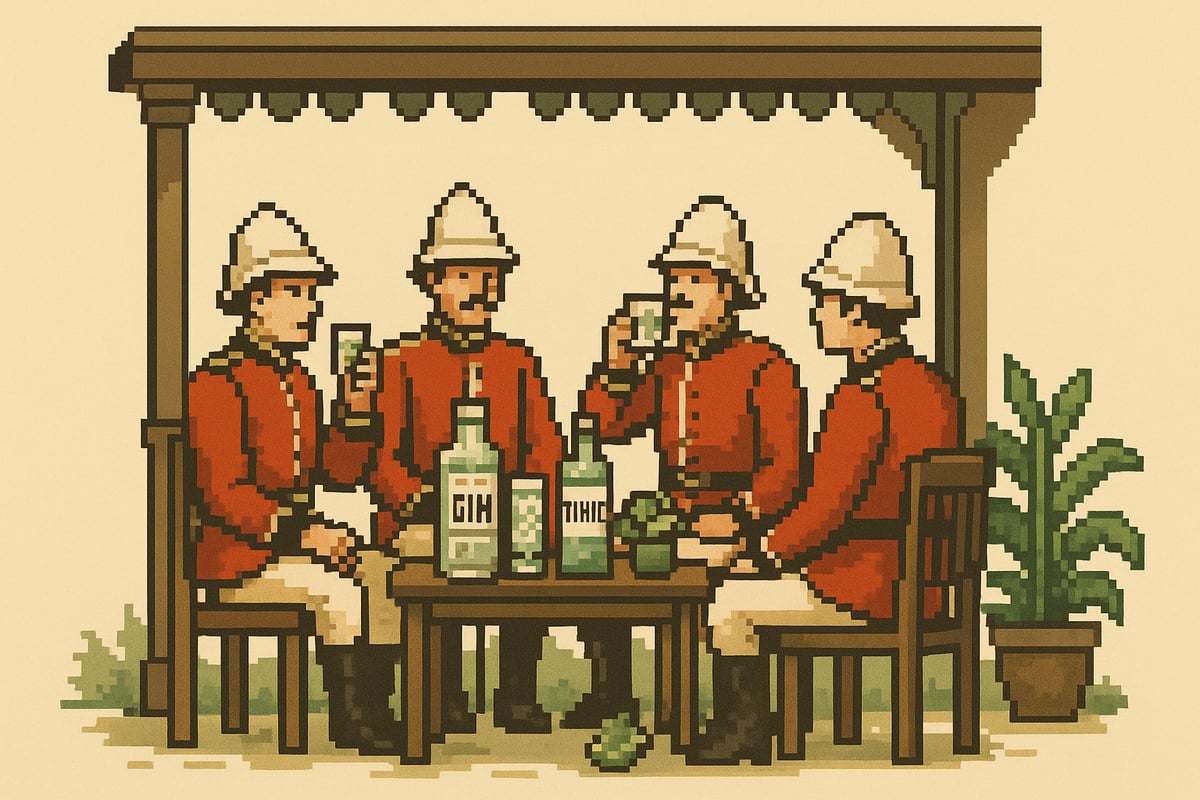
Have you ever thought that behind your gin and tonic lies a fascinating story, one of travel, discovery, and even medicine? To truly understand this cocktail, we need to start with its origins in the British colonies of India. Here, officers and soldiers sought an effective remedy for malaria, so they mixed quinine, bitter but essential, with water, sugar, and lime juice. And the gin? It was the touch that made everything more enjoyable, giving birth to what would become the gin and tonic.
Over time, gin and tonic evolved. The transition from medicine to iconic drink occurred in the early 1900s, when tonic became more pleasant and gin increasingly refined. In Europe, especially in England, gin and tonic began to be served in exclusive clubs, later conquering bars across the continent.
Curious to delve deeper into these historical events? You can discover surprising details in the section dedicated to gin history and curiosities .
Over the past ten years, mixology has experienced a veritable boom, and gin and tonic has made a comeback. In Italy alone, gin consumption has grown 25% in the last five years, a figure that speaks to how trendy it is to choose refined botanicals and quality ingredients. Today, every bar has its own version of gin and tonic, often designed to showcase the botanicals of artisanal gin.
In the world's best bars, gin and tonics are presented in spectacular ways. From Milan's rooftops to London's cocktail bars, you'll find versions with freshly picked mint, seasonal limes, and premium tonics. Some famous examples include the "Mediterraneo" gin and tonic with basil and lemon, or the "Botanical Garden" variation with edible flowers.
Looking to the future, the 2026 trend focuses on a return to origins: local ingredients, authentic botanicals, and an obsessive attention to quality. Want to wow your guests? Choose artisanal Italian gins and a tonic that enhances every aroma. Gin and tonic will continue to be the cocktail of the moment, increasingly personalized and presented as a true sensory experience.
Essential Ingredients for a Perfect Gin and Tonic
Choosing the right ingredients is the first step to creating a memorable gin and tonic. Every element, from the gin and tonic to the ice and garnish, contributes to creating a unique sensory experience. Want to know how to distinguish a mediocre gin and tonic from a memorable one? Let's explore the details that make the difference.
Gin: How to Choose the Right One
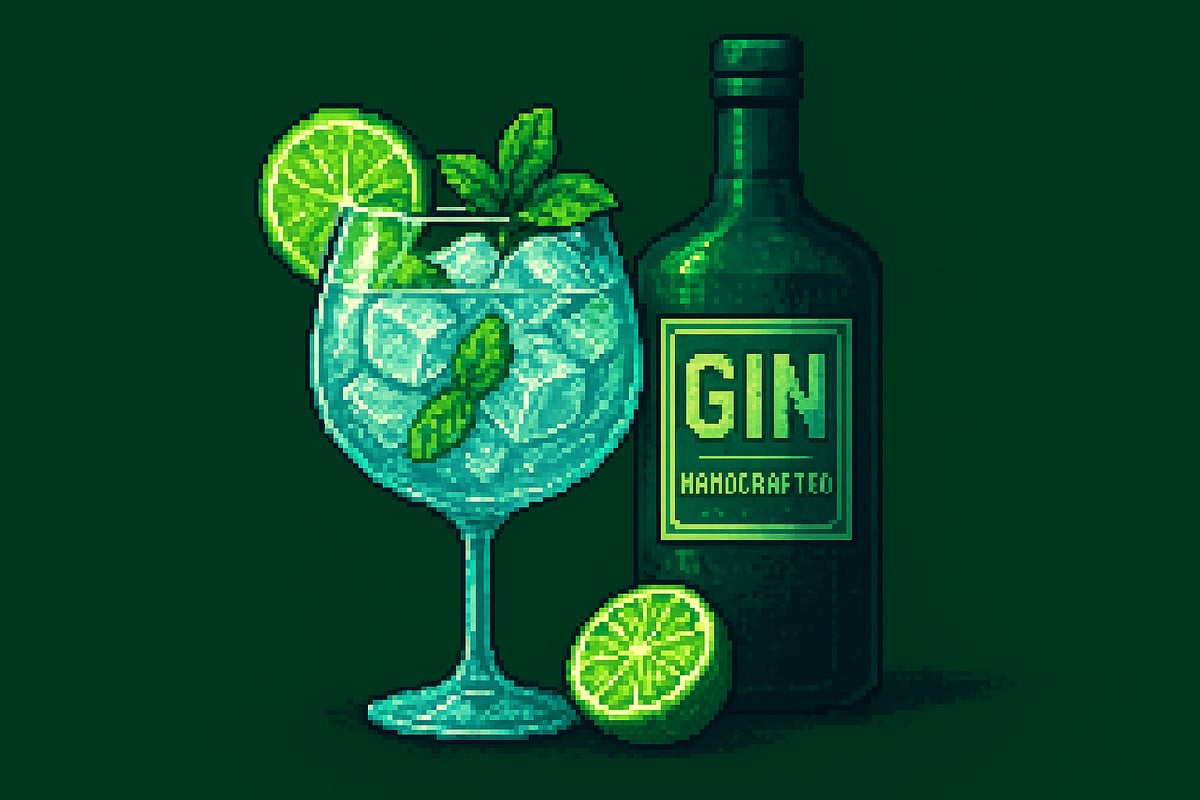
The foundation of every perfect G&T is obviously gin. But how do you choose the right one among the many varieties? Let's start with the classics: London Dry, Distilled, Contemporary, and flavored. Each is distinguished by the botanicals used and the aromatic profile, which can range from intense juniper to citrus, from spices to fresh herbs.
The main botanicals are essential: juniper, orange and lemon peel, coriander, angelica root, but also more exotic ingredients like pink pepper and lavender. In recent years, Italian artisanal gins have won international awards and are chosen by 65% of Italian bartenders for preparing G&Ts. Want to find out which are the best? Check out this selection of award-winning Italian artisanal gins .
When choosing, read the label carefully: look for the words "small batch" or "distilled," check the alcohol content, and the list of botanicals. A quality gin makes any gin and tonic richer and more harmonious.
Tonic: the choice that makes the difference
Tonic water is much more than just a simple addition: it can make or break your gin and tonic. Have you ever tried comparing commercial tonic water with artisanal tonic? The differences are striking: from the amount of bubbles to the sugar content, to the aromas.
Here's a quick comparison table:
Tonic Type |
Bubbles |
Sugar |
Aroma |
|---|---|---|---|
Classic |
Medium |
Medium |
Quinine decided |
Dry |
High |
Bass |
Dry, clean |
Flavored |
Variable |
Medium |
Citrus fruits, herbs |
Premium/Artisan |
High |
Bass |
Fresh botanicals |
For a modern gin and tonic, opt for dry or premium tonics, perhaps with local botanicals. In 2026, we'll see more and more Italian tonics with regional ingredients and less sugar, perfect for those who love a clean, balanced flavor.
Want to give your gin and tonic a creative twist? Try these garnishes:
Pink pepper for a spicy aroma
Cucumber slices for extra freshness
Ginger for a spicy twist
Edible flowers for a scenic effect
Ice and glass
Have you ever thought that ice could change the taste of gin and tonic? High-quality, crystal-clear ice in large cubes cools without overwatering. Filling the glass to the brim helps maintain the ideal temperature and preserve the tonic's bubbles.
Let's talk glasses: balloon, highball, or tumbler? The balloon is the favorite of 70% of trendy bars because it enhances the aromas and offers space for spectacular garnishes. The wide shape allows the gin and tonic's aromas to unfold and provides a superior olfactory experience. We prefer the tall tumbler or Collins glass!
Choose your favorite glass and quality ice: this way your gin and tonic will be perfect from start to finish.
Step-by-Step Recipe: How to Make the Perfect Gin and Tonic
Have you ever wanted to make a gin and tonic so good it tastes like it came straight from a trendy cocktail bar? In this guide, I'll walk you through every step, from choosing the ingredients to serving techniques, to help you make the perfect gin and tonic at home.

Step 1: Preparing the ingredients
The foundation of every unforgettable gin and tonic? Fresh, quality ingredients. Start with the gin: choose a bottle that inspires you, perhaps a London Dry or an Italian artisanal gin, and check the label for the botanicals. Why is it so important? The choice of gin defines the character of your gin and tonic.
Next, move on to the lime, making sure it's fresh. Wash it thoroughly and cut it just before using it, so it can release its full aroma. The mint, preferably peppermint or Moroccan mint, should be washed gently and dried thoroughly.
Don't forget the tonic: it's best to opt for a premium version, perhaps dry, to enhance the gin and tonic without overpowering its fresh notes. Want to learn more about the difference between gin and tonic? Discover all the details in our guide on the differences between gin and tonic .
Finally, prepare the ice and your tools: a jigger for measuring, a muddler for the mint, and a long spoon for the tonic. All set? Let's get started!
Step 2: Construction technique
The order of the ingredients is crucial for a balanced gin and tonic. Start by placing a few fresh mint leaves in the glass. Use the muddler to lightly crush the mint, without destroying it: this will release its essential oils without becoming bitter.
Add the gin, measuring out precisely (usually 50 ml for a standard drink). Then pour in the ice: choose large, compact cubes, filling the glass almost to the brim. This helps keep the gin and tonic cold and slows down the melting process.
Cut a lime wedge and squeeze it directly into the glass, then drop it in. The aroma of fresh lime will make the difference, giving your gin and tonic an unmistakable freshness.
Step 3: Adding the tonic
It's time for the tonic, the true soul of gin and tonic. Pour the tonic slowly along the rim of the glass or with a long spoon. This prevents the bubbles from dissipating, keeping the drink crisp and lively.
The classic ratio is 1 part gin and 2-3 parts tonic. You can adjust the amount according to your taste: want a more intense gin and tonic? Reduce the tonic. Prefer a lighter drink? Increase it slightly.
Remember that the temperature of the tonic is important: it must be very cold, fresh from the refrigerator. This will make the gin and tonic even more pleasant and refreshing.
Step 4: Decoration and serving
Presentation makes all the difference. For a spectacular gin and tonic, use a chilled balloon glass: freeze it for a few minutes before starting. Add a few decorations as a final garnish.
Want to impress your guests? Try garnishing your gin and tonic with pink peppercorns, ginger, or edible flowers. The ice should be crystal clear: if you use filtered water and special molds, you'll get perfect cubes that enhance your drink.
Serve immediately, perhaps on an elegant tray, and invite everyone to enjoy the gin and tonic slowly, to appreciate all its aromatic nuances.
Step 5: Tasting and evaluation
How do you recognize a successful G&T? Start with the look: the drink should be clear, with lively bubbles and a fresh garnish. Then move on to the nose: sniff the glass and look for the balance between the aromas of gin, lime, and mint.
On the palate, a perfect gin and tonic should be fresh, balanced, and never too sweet or dry. The garnish shouldn't overpower the other flavors but rather enhance the experience. Here's a simple sensory checklist:
I wait |
Smell |
Taste |
Freshness |
|---|---|---|---|
Clear |
Citrusy, balsamic |
Balanced |
Live bubbles |
Common mistakes to avoid
Even the most experienced can stumble into some mistakes. Here are the most common ones when preparing a G&T:
Using low-quality ice that melts quickly and waters down the drink
Pouring the tonic too quickly, losing the bubbles
Choosing a tonic that is too sweet and covers the gin notes
Now that you know all the tricks, you can really make a G&T worthy of a professional bartender. Ready to impress your friends?
Variants, Customizations and Trends 2026
Gin and tonic is undergoing a true revolution: now more than ever, you can customize your cocktail to suit your tastes, season, and occasion. Have you ever wondered how to make your G&T truly unique? Discover the trendiest variations, non-alcoholic options, seasonal twists, and food pairings that are taking 2026 by storm.

Pink, spicy and botanical Gin and Tonic
In 2026, the G&T is taking on new colors and aromas. The rosé version is now a must: simply choose a gin with floral botanicals, add a berry-infused tonic, and garnish with rose petals or edible flowers. The result? An Instagrammable cocktail, perfect for brunch and aperitifs.
If you love bold flavors, try the spicy version. Add pink peppercorn, fresh ginger, or a cardamom pod. The gin and tonic instantly changes character, becoming warmer and more enveloping. Then there's the botanical trend: use local herbs, like basil, thyme, or sage, for a truly Italian twist. An example? A G&T with fresh basil and Amalfi Coast lemon, a mix that smells of summer and the Mediterranean.
Here's a table with some ideas:
Variant |
Botanicals/Garnish |
Recommended tonic |
|---|---|---|
Rose |
Rose petals, strawberry |
Red berry tonic |
Spiced |
Pink pepper, ginger |
Dry or spicy tonic |
Botany |
Basil, thyme, sage |
Classic or citrus tonic |
The G&T thus confirms itself as the most versatile cocktail of the year.
Non-alcoholic and low-alcohol Gin and Tonic
Don't want to give up the pleasure of a gin and tonic but prefer a non-alcoholic or light version? No problem. In 2026, the growth of non-alcoholic gins is impressive: sales increased 20% in the last year alone. These spirits retain the aroma of the botanicals, but without the alcohol, and pair perfectly with premium tonics.
For a non-alcoholic G&T, pour 5cl of zero-alcohol gin, add ice, your favorite garnish, and top with dry tonic. The result is surprising, fresh, and aromatic, perfect for business lunches or aperitifs where you don't want to overdo it.
If you prefer a low-alcohol version, choose a lower-proof gin and add plenty of tonic. You'll get a lighter cocktail that's still packed with flavor. This trend perfectly addresses the desire to drink responsibly, without sacrificing the ritual of aperitivo.
Personalization for every season
The beauty of gin and tonic? You can adapt it to any season and occasion! In spring, try adding strawberries, basil, or edible flowers for a fresh and colorful touch. In summer, cucumber and lavender are perfect for enhancing freshness, while in fall, you can opt for apples, cinnamon, or orange zest. In winter, rosemary and orange add warm and enveloping notes.
If you're looking for holiday inspiration, try Christmas twists with spices and spectacular garnishes: you'll find plenty of ideas in our guide to gin-based Christmas cocktail recipes .
Here are some seasonal ideas:
Spring: G&T with strawberries and basil
Summer: gin and tonic with cucumber and lavender
Autumn: Gin with apple and cinnamon
Winter: G&T with orange and rosemary
Customizing your gin and tonic is the best way to surprise your friends on any occasion!
Innovative food pairings
Gin and tonic isn't just a star of aperitivo, it pairs perfectly with many modern dishes. More and more Italian chefs are offering creative pairings: fish tartare, sushi, tapas, and finger food are ideal for enhancing the aromatic notes of gin and tonic. The freshness of mint and the acidity of lime cleanse the palate between bites.
According to the latest statistics, 40% of Italian restaurants serve gin and tonic with tasting menus. The most popular pairings? Sushi with botanical gin and tonic, tuna tartare with a spicy twist, and tapas with the classic mint and lime twist.
Want to impress your guests? Prepare small tastings to share and choose a gin and tonic variation that showcases the ingredients. This way, your aperitif becomes a gourmet experience, perfect for any season.
Bartender Secrets and Expert Advice
Want to discover the secrets behind a flawless gin and tonic? Have you ever wondered what makes the cocktail served at the best bars truly special? Here, I'll take you behind the bar, exploring innovative techniques, tips from top bartenders, and the innovations that will revolutionize gin and tonic in 2026.
Advanced mixing techniques
Experienced bartenders use advanced techniques to distinguish their gin and tonic. The Rotavapor allows them to extract delicate aromas from the botanicals, personalizing each gin. Cold distillation enhances the fresh notes of mint and lime, making the cocktail more fragrant.
Another secret is rapid infusion: simply steeping fresh herbs in gin for a few minutes yields surprising aromatic nuances. Carefully macerating mint avoids bitter notes and releases only the finest essential oils. If you want to delve deeper into modern techniques, discover innovations in mixology and gin : many of them also influence the G&Ts you enjoy today.
Advice from the best Italian bartenders
What makes a gin and tonic at the bar unique? The answer lies in the details. According to many professionals, the quality of the ice is crucial: only large, clear cubes ensure freshness without watering down the cocktail.
Here are some practical tips:
-
Always use very chilled balloon or highball glasses.
Precise dosage: never overdo it with gin, balance is everything.
The mint should be crushed gently between your hands, not in the glass, to avoid bitterness.
Dramatic garnishes, such as edible flowers or cucumber slices, add a visual and olfactory touch.
As the experts say, "the perfect gin and tonic comes from attention to detail," from the choice of ingredients to the final presentation.
Curiosities and anecdotes from around the world
Gin gin and tonic is now a staple in cocktail bars in London, Milan, and Barcelona. In international competitions, the botanical and low-alcohol versions are increasingly winning awards. In 2025, the G&T ranked among the three most ordered cocktails in Italy, confirming its iconic status.
Here is a table with some curiosities:
City |
Most requested variant |
Famous event |
|---|---|---|
London |
Gin gin and tonic with cucumber |
London Gin Festival |
Milan |
Botanical Gin and Tonic |
Milan Mixology Week |
Barcelona |
Spiced Gin and Tonic |
Gin & Tonic Experience |
According to gin trends in the Italian market , gin and tonic is increasingly conquering restaurants and pizzerias, becoming a must even outside of the classic aperitif.
News and technologies 2026
2026 will bring big changes for G&Ts. Dedicated apps will help you experiment with new recipes at home, suggesting pairings and personalized mixing techniques. New Italian gins will focus on local botanicals, while innovative tonics will offer less sugar and more natural flavors.
Sustainability will be at the forefront: organic ingredients, recyclable packaging, and a focus on environmental impact. This will make the gin and tonic not only delicious, but also responsible. Get ready to see more and more green cocktails in trendy bars and at home.
Common Mistakes to Avoid and Frequently Asked Questions (FAQ)
Making the perfect G&T seems easy, but it's often the small details that make the difference. Have you ever wondered why your cocktail doesn't taste the same as the one at your favorite bar? Let's take a look at common mistakes, frequently asked questions, and some tips to become a true expert.
Most common mistakes in preparation
Even experienced gin and tonic drinkers can make some classic mistakes. Here are the ones to absolutely avoid:
Using low-quality ice, too small or already melted, which immediately waters down the drink.
Underestimating the importance of tonic water: a commercial and low-fizz choice compromises the experience.
-
Overdoing the gin or tonic will unbalance the flavor and mask the freshness of the mint.
Use garnish only for decoration, without thinking about the flavor it adds to the gin and tonic.
Opt for overly aromatic gins that cover up the herbaceous notes of mint.
Curious to know how many Italians are becoming enthusiasts? Gin consumption in Italy has grown significantly in recent years, a sign that more and more people are looking to perfect their gin and tonic recipe.
Frequently Asked Questions about Gin Gin Tonic
Every enthusiast has asked himself at least one of these questions:
What's the perfect ratio of gin to tonic? Usually 1:2 or 1:3, but you can experiment based on your taste.
Can you use dried mint? Better not; fresh mint adds a refreshing aroma.
What are the best gin brands for a G&T? Choose artisanal or award-winning gins, but personal taste also matters.
How should you store tonic water after opening? Keep it in the refrigerator and tightly closed to preserve the bubbles.
-
Can you make gin and tonic ahead of time? Better not, it should be served immediately to maintain its aroma and freshness.
Tips for serving at a large party? Have pre-measured ingredients and plenty of ice.
According to statistics on gin consumption outside the home , gin and tonic is among the most popular cocktails in Italian bars, a sign that there is no shortage of curiosity and the desire to experiment.
Useful insights for enthusiasts and beginners
Want to take your G&T tonic to the next level? Here's where to find inspiration and resources:
Premium ingredients: search online on specialized sites or in gourmet shops in your city.
Recommended books: “Gin - The Distillate Manual” and “Italian Mixology” are excellent starting points.
-
Events and festivals: every year in Italy there are fairs and masterclasses dedicated to gin gin and tonic, perfect for discovering new products and trends.
Statistics: Attendance at gin and tonic masterclasses has increased by 15%, a sign of growing interest. For more information, learn more about the growth of gin consumption in Italy .
Never stop experimenting: every gin gin and tonic is a journey through aromas, flavors, and stories to tell.
Have you seen how many nuances a perfect Gin Gin Tonic can have? After exploring the stories, techniques, and secrets to truly wow your guests in 2026, you might be wondering: "Which gin can I choose to make the difference?" Well, if you want to bring true Italian artisanal excellence to your glass, why not take a look at the gins created by those who truly understand every detail of distillation? Trust us, the choice of gin can transform any cocktail. Check out Mezzanotte's selection of artisanal gins and find inspiration for your next creation!