

Are you curious to find out how to prepare the perfect gin and tonic in 2026? Discover history, trends, ingredients and practical advice in a complete and updated guide.
The Ultimate Gin and Tonic Guide for 2026
Dec 20, 2025

Have you noticed how gin and tonic has made a comeback in trendy bars in 2026? This iconic cocktail has won over new generations thanks to creative mixology and top-notch ingredients.
In this guide, you'll discover everything you need to make the perfect gin and tonic. Explore its fascinating origins, the latest trends, and practical tips on ingredients and preparation techniques.
If you're curious to experiment with creative variations or want to learn the most surprising food pairings, you're in the right place. Ready to perfect your favorite drink? Follow this detailed guide and get inspired.
History and Evolution of Gin and Tonic
Gin and tonic has a fascinating history spanning continents, cultures, and trends. Have you ever wondered how a simple drink became a global icon? Let's explore it together, from its mysterious origins to the innovations revolutionizing 2026.
Origins of Gin and Tonic
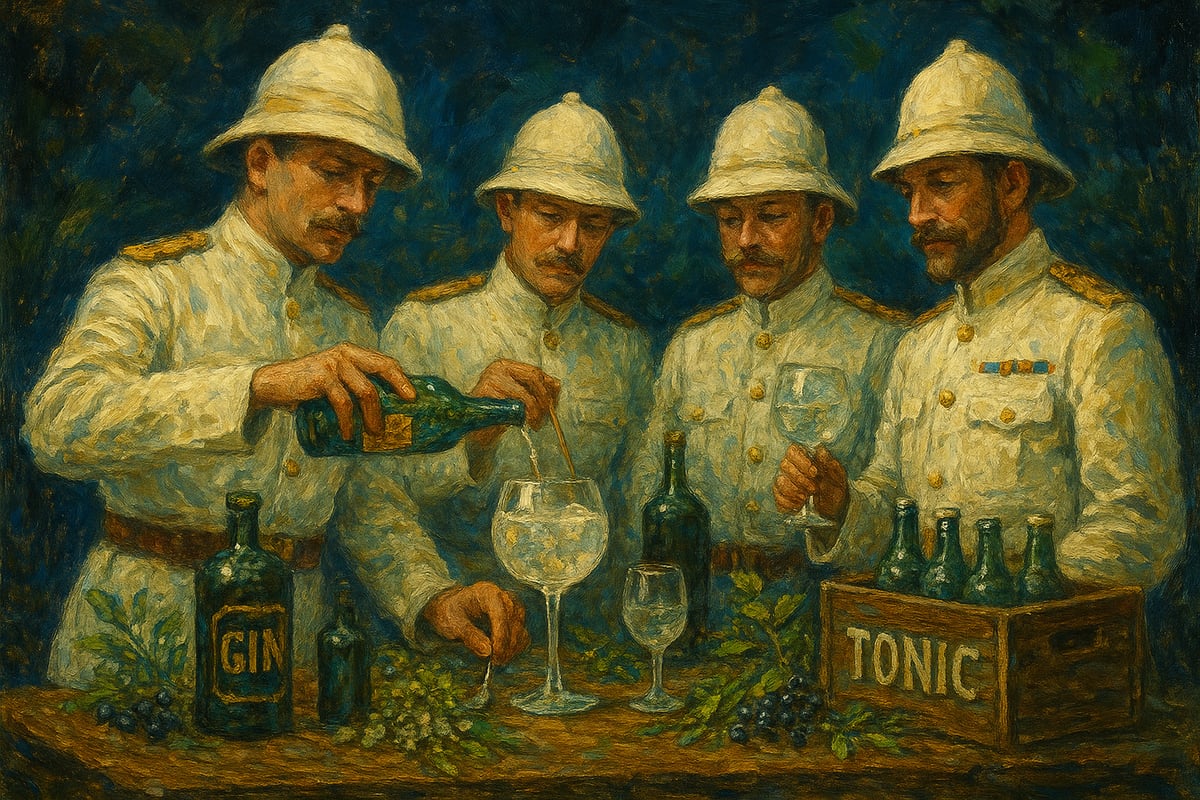
The origins of gin and tonic date back to British colonial India. English soldiers needed to protect themselves from malaria, and the solution was a medicine, also called "tonic," rich in quinine. However, its bitter taste wasn't everyone's cup of tea. To make it more pleasant and cheer up the sailors, gin, already beloved by the British, was added. Thus was born the gin and tonic, a combination born more out of necessity than pleasure.
Over time, this concoction has evolved from a medical remedy to a symbol of refinement. Curious anecdotes tell of how officers and gentlemen would challenge each other to create the tastiest version of the drink. If you'd like to delve deeper into these historical aspects and discover other curiosities, I recommend reading this interesting article on Gin History and Curiosities .
Global Diffusion and Pop Culture
After its colonial origins, the G&T conquered Europe in the twentieth century, finding its way into upscale bars and the living rooms of large cities. The drink began appearing in films, TV series, and at the most exclusive parties, becoming synonymous with elegance and conviviality.
In recent years, consumption data confirms steady growth: according to recent statistics, the G&T is among the most popular cocktails in the world. Pop culture has helped strengthen its image, making it the star of many evenings and social trends.
Innovations and Modern Renaissance
Between 2010 and 2020, gin and tonic experienced a true renaissance. The boom in microdistilleries and the search for increasingly sophisticated botanicals revolutionized the way we conceive this cocktail. Today, you can choose from hundreds of artisanal gins, each with a unique flavor profile.
At the same time, tonic water has undergone a transformation: premium versions have emerged, less sugary and richer in natural flavors. The G&T market has seen double-digit growth, driven by the desire to experiment with ever-new ingredients and techniques.
Gin and Tonic in 2026: New Trends
Fast forward to 2026, and gin and tonics are becoming a symbol of sustainability and innovation. Consumers are increasingly attentive to the provenance of ingredients and choose local gins and eco-friendly tonics. The new generations love experimenting, bringing new botanicals and creative preparations to trendy bars.
Market forecasts speak clearly: the G&T's popularity is set to continue growing, thanks to innovative mixology and a focus on quality. We're on the cusp of a new era for this cocktail, where tradition and the future meet in every sip.
Key Ingredients: Gin, Tonic (and Botanicals?)
Quality ingredients are at the heart of every truly memorable G&T. The right choice of gin, tonic, botanicals, and even ice can transform a simple drink into a true sensory experience. Let's discover together how to select and combine each element to maximize your gin and tonic.
How to Choose the Perfect Gin
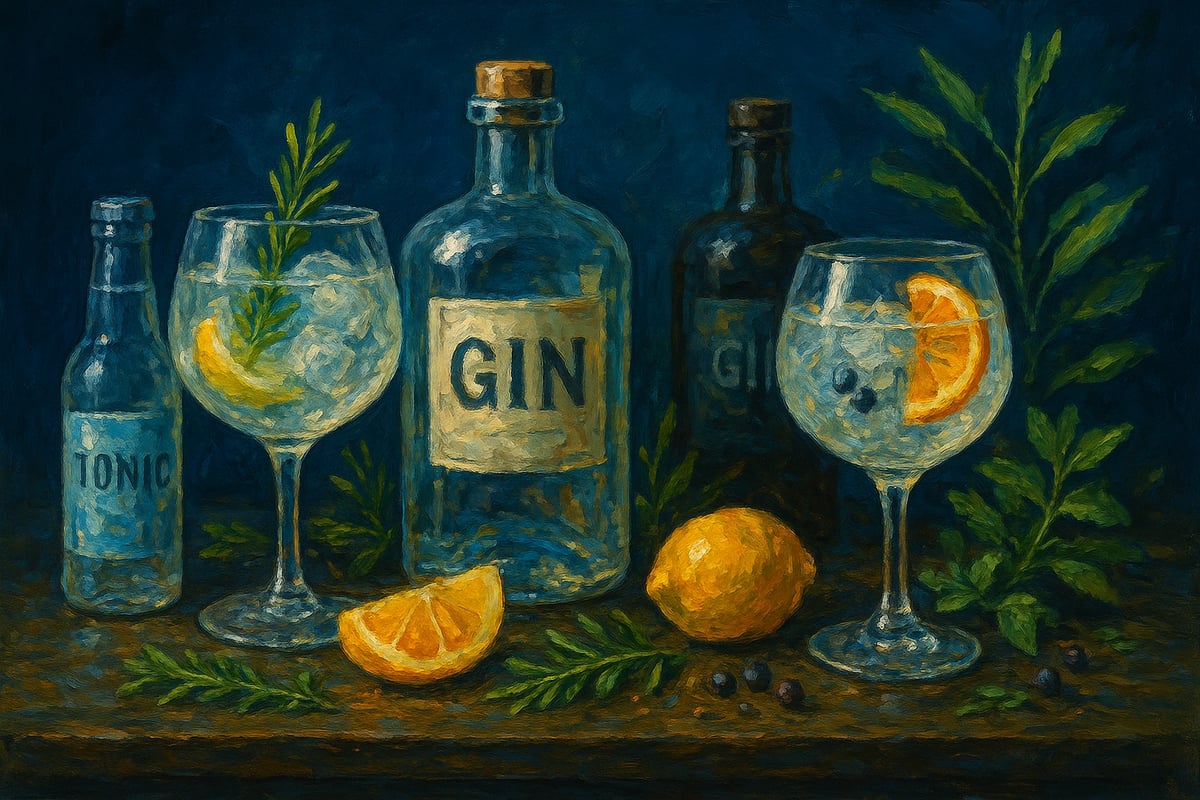
When it comes to gin and tonic, choosing the right gin is crucial. There are several main styles, each with unique flavor profiles:
|
Gin Style |
Aromatic Profile |
Distinctive Botanicals |
|---|---|---|
|
London Dry |
Dry, clean |
Juniper, citrus, coriander |
|
Old Tom |
Sweeter, softer |
Juniper, roots, spices and sugar |
|
New Western |
Innovative botanicals |
Flowers, spices, fruit |
A quality artisanal gin offers more complex and rounded notes than industrial products. Always look for award-winning labels or local distilleries, because the freshness of the botanicals makes all the difference.
If you'd like to learn more about how to evaluate price and features, you can read the guide "Pricing and Choosing Craft Gin ," which is very useful for those looking to elevate their gin and tonic. Choosing gin with quality botanicals will always yield superior results.
Tonic Water: Types and Characteristics
Tonic isn't just a base: it's a key ingredient that defines the character of your gin and tonic. The most common types include:
-
Classic tonic: balanced, with well-perceived quinine.
-
Dry tonic: less sugary, it enhances the gin without overpowering it.
-
Aromatic tonic: enriched with herbs or citrus fruits, perfect for creative variations.
-
Sugar-free tonic: ideal for those looking for a lighter drink.
Quinine, besides imparting the typical bitter aftertaste, enhances the botanical notes of gin and tonic. In 2026, the growth of artisanal tonics is impressive: more and more producers are experimenting with natural flavors, bringing sophisticated and balanced options to the market.
Choose a tonic that enhances the gin's character, avoiding overly sweet products that risk overpowering the drink's complexity. A well-thought-out gin and tonic pairing can really make a difference.
Botanicals and Garnish: The Finishing Touch
Botanicals are your G&T's signature. Citrus fruits like lime, lemon, orange, and grapefruit are classic garnishes, but you can experiment with:
-
Spices (pink pepper, cardamom, star anise)
-
Fresh herbs (basil, rosemary, mint)
-
Edible flowers (lavender, violet)
In 2026, the trend favors local and sustainable ingredients, often chosen based on seasonality. A trick? Try using two complementary garnishes: for example, lemon zest and a sprig of rosemary.
Don't overdo it: the garnish should enhance, not cover. The secret to a successful gin and tonic lies in the balance between the botanicals in the gin and those added on the spot.
The Importance of Water and Ice
Never underestimate the role of water and ice in a gin and tonic. The water used for the ice cubes should be filtered to avoid unwanted flavors. Crystalline, compact, and large ice melts more slowly and keeps the drink cold without diluting it too quickly.
Here are some practical tips:
-
Always use plenty of freshly made ice.
-
Avoid small or already melted cubes.
-
If possible, choose extra-large cubes or spheres.
A common mistake is using low-quality ice, which can ruin even the most refined gin and tonic. Remember that every detail, even the simplest, contributes to the final result and the tasting experience.
Preparation Techniques: Step by Step for the Perfect Gin and Tonic
Making the perfect gin and tonic is an art that combines technique, passion, and attention to detail. Want to learn how to transform a simple drink into a sensory experience? By following these steps, you'll be able to wow your guests and enhance every nuance of your G&T.
Choosing the Ideal Glass
Choosing the right glass is the first step to enhancing your gin and tonic. Bartenders recommend three main options: balloon, highball, and tumbler. Each has unique advantages.
|
Type of Glass |
Characteristics |
Advantages |
|---|---|---|
|
Balloon |
Wide, rounded |
Excellent aromatic perception, room for garnish |
|
Highball |
Tall, narrow |
Maintains freshness, ideal for classic portions |
|
Tumbler |
Short, sturdy |
Perfect for more intense variations |
The balloon glass is beloved for its ability to amplify the aromas of the G&T, while the highball enhances its freshness and carbonation. The tumbler, on the other hand, lends itself to more full-bodied interpretations. Choose your glass based on the experience you want to offer, and don't forget that presentation matters almost as much as taste.
Perfect Dosage: Gin, Tonic, and Proportions
The secret to a balanced gin and tonic lies in the proportions. The golden rule? A gin-to-tonic ratio that enhances both, without overpowering the botanical aromas.
A 1:3 ratio is often used (for example, 50 ml of gin and 150 ml of tonic), but personal preference makes a difference. If you prefer a bolder gin and tonic, you can opt for 1:2. Experiment with different ratios to find the perfect balance.
To get the most out of your gin, always choose quality artisanal gins. Find inspiration in the Mezzanotte artisanal gin collection , which offers award-winning labels ideal for any G&T recipe. Remember to always measure your ingredients for true bartender precision.
Pouring Order and Mixing Technique
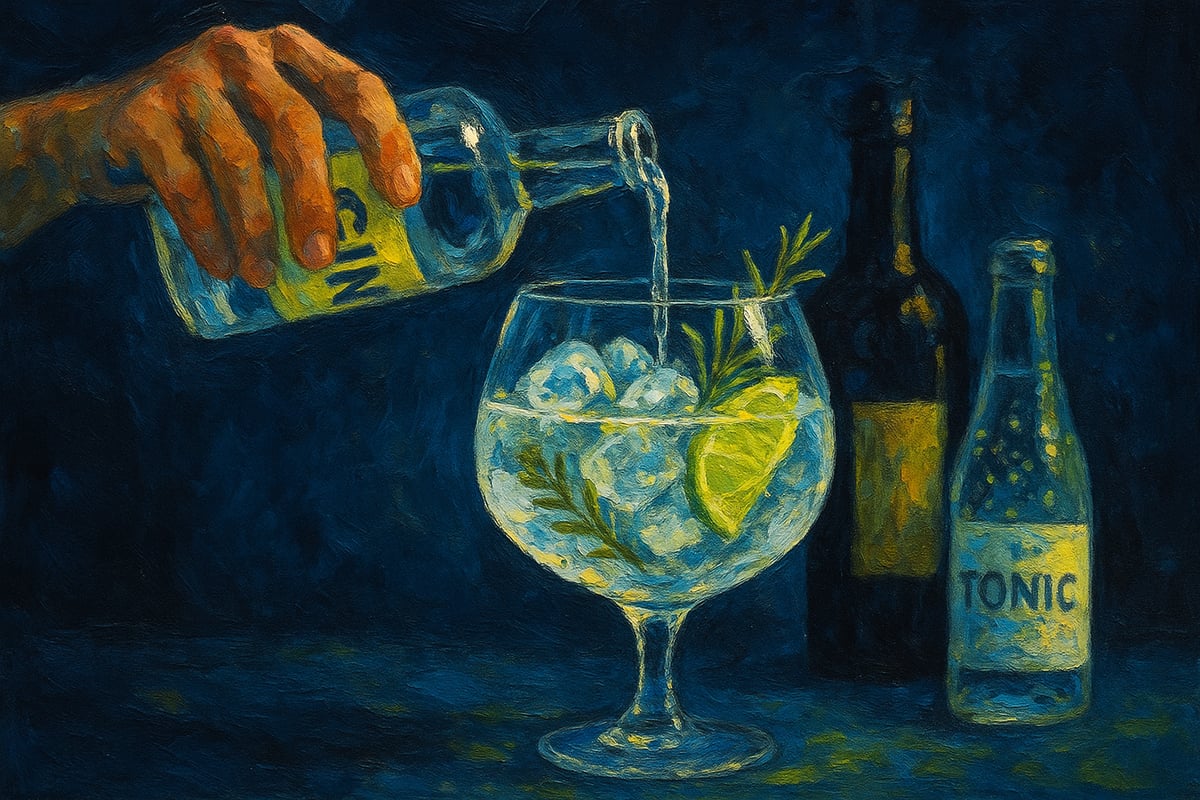
The order of ingredients also makes a difference in preparing a G&T. Always start by filling the glass with plenty of high-quality, crystal-clear ice. Then pour in the gin, letting it cool slightly before adding the tonic.
Pour the tonic slowly, perhaps by sliding the liquid over the rim of the glass, to preserve the bubbles. Avoid over-stirring: a gentle swirl of the spoon is enough to blend the gin and tonic without losing its freshness.
This little ritual enhances the aromas and ensures lively carbonation until the last sip. Have you ever wondered why some gin and tonics seem more fizzy than others? Often, the secret lies in the pouring technique.
Refining with Garnish and Flavors
The garnish is the personal signature of every gin and tonic. Citrus, herbs, spices, or flowers: anything can transform the drink and make it unique. Add the garnish immediately after pouring the tonic, to allow the aromas to unfold with the bubbles.
For a professional touch, try sprinkling citrus peel essential oils directly onto the surface of the G&T. This technique, much loved by mixologists, enhances the freshness and complexity of the flavor profile.
2026 trends favor local and sustainable garnishes: fresh rosemary, edible flowers, juniper berries. Remember that quantity makes all the difference: a few well-chosen ingredients enhance a gin and tonic, while too much risks overpowering the main aromas.
Mistakes to Avoid in Preparation
Even the most experienced can make mistakes when making gin and tonic. Here are the most common ones and how to avoid them:
-
Low-quality or too-melted ice: Use only large, crystal-clear cubes.
-
Cheap or low-quality gin: always choose artisanal spirits for a superior result.
-
Tonic too sweet or flat: Choose premium tonics with natural quinine and balanced flavors.
-
Excessive or invasive garnish: maintain balance so as not to cover up the identity of the gin and tonic.
If you notice your gin and tonic quickly losing its fizz or becoming cloudy, check the quality of the ice and the pouring order. With these tips, every glass will be a small masterpiece.
Creative and Signature Gin and Tonic Variants 2026
Gin and tonic has never been more creative than it is in 2026. New trends are revolutionizing the scene, bringing exotic flavors, lighter versions, and a focus on sustainability. If you're curious about how to customize your G&T, here you'll find ideas that go far beyond the usual limits.
Gin and Tonic with Exotic Botanicals
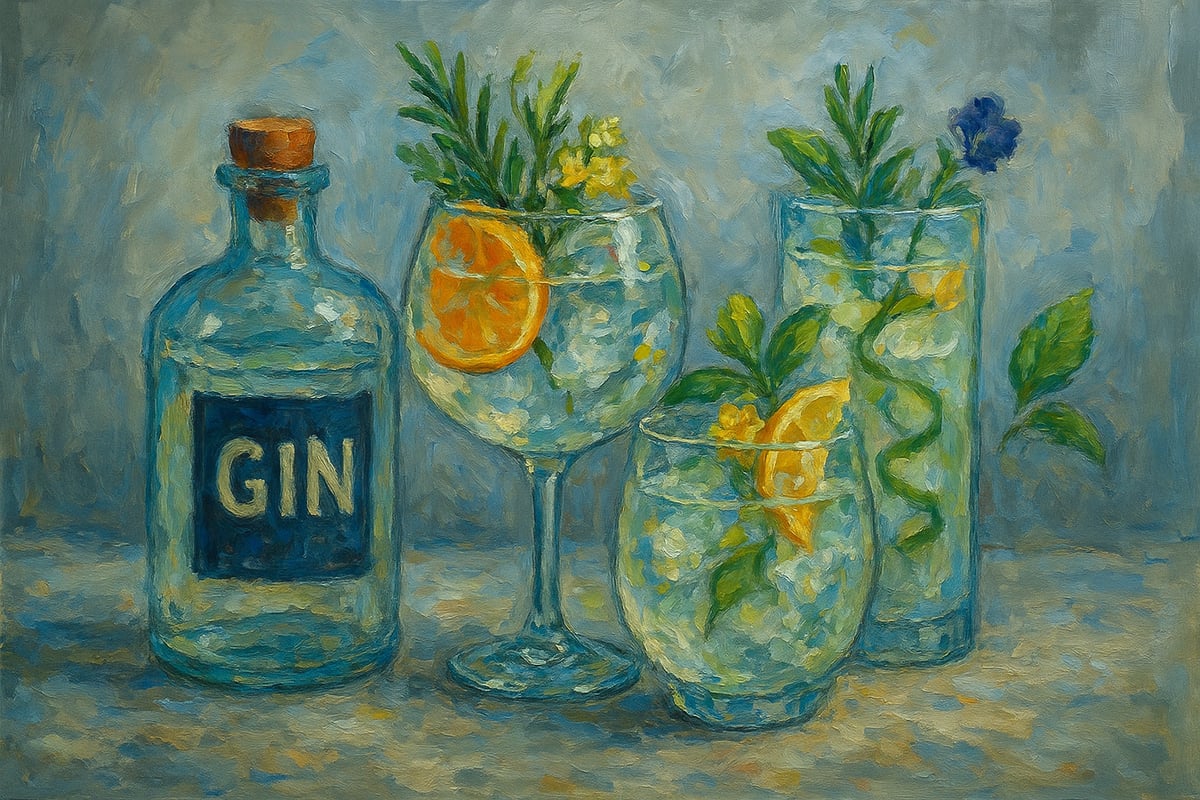
Want to wow your guests? Gin and tonics with exotic botanicals are the latest trend. In 2026, mixologists and enthusiasts are seeking ingredients like pink peppercorn, yuzu, lavender, black cardamom, and goji berries. These botanicals transform gin and tonics into a sensory journey.
Here are some ideas:
-
Pink pepper and grapefruit peel : for a pungent, citrusy aroma.
-
Yuzu and fresh coriander : oriental notes and decisive freshness.
-
Lavender and Lemon : perfect for those seeking floral elegance.
Statistics confirm that gin and tonic with rare botanicals is among bartenders' favorites in 2026. If you want to learn more about mixology trends for 2026 , you'll find ideas for experimenting with new pairings.
Gin and Tonic Low-Alcohol and Non-Alcoholic
Gin and tonic isn't just for those who want a classic drink, but also for those who love lighter or alcohol-free versions. In 2026, the growth of non-alcoholic gin and tonic alternatives is impressive. More and more young adults are choosing low-ABV cocktails to enjoy the G&T experience without excess.
Examples of trendy combinations:
-
Non-alcoholic gin, dry tonic, rosemary and lime
-
Low-ABV gin, aromatic tonic, ginger and cucumber
-
Gin and tonic mocktail with botanical tonic water, elderflower, and mint
Consumption statistics show that non-alcoholic gin and tonic has become a staple at evenings with friends and in trendy bars. You too can experiment with these variations for a light yet flavorful aperitif.
Regional and Local Gin and Tonic
The gin and tonic takes on an Italian feel thanks to regional gins and local botanicals. Each region offers inspiration: from Ligurian rosemary gin to Sicilian blood orange gin. Regional recipes showcase local areas and traditions, giving the G&T a new identity.
Here are some regional ideas:
|
Region |
Main Botany |
Recommended Garnish |
|---|---|---|
|
Sicily |
Blood Orange |
Orange zest and thyme |
|
Liguria |
Rosemary |
Fresh rosemary |
|
Piedmont |
Juniper and hazelnut |
Lemon zest |
Many venues offer signature gin and tonics inspired by local produce. This trend makes each tasting unique and allows you to discover new, locally sourced flavors.
Sustainable and Green Gin and Tonic
In 2026, gin and tonic is going green. Focusing on organic ingredients and a local supply chain has become a priority for those who love this cocktail. They choose artisanal gins made with local botanicals, tonics without refined sugars, and garnishes made from food waste or sustainable crops.
Some examples of sustainable practices:
-
Use of recyclable bottles and eco-friendly packaging.
-
Reducing waste, for example by reusing citrus peels for garnishes.
-
Collaborations with local producers for fresh and traceable ingredients.
Sustainable gin and tonics are appreciated not only for their taste, but also for their positive environmental impact. Two key words here: The green G&T represents the future of conscious cocktails, offering an authentic and environmentally friendly experience.
Food Pairings and Sensory Experiences
Discovering the best way to enjoy a gin and tonic also means exploring the world of food pairings and sensory experiences. Have you ever wondered why this cocktail has become the perfect companion for so many dishes and situations? In this section, I'll guide you through classic pairings, new trends, and ideas for experiencing gin and tonic with all your senses.
Classic Pairings: Italian and International Cuisine
Gin and tonic pairs surprisingly well with Italian and international cuisine. Imagine a seafood appetizer, like oysters or salmon carpaccio, paired with the fresh aroma of a G&T: the effect is a true symphony of flavors.
Here are some pairings that enhance gin and tonic:
-
Crostini with smoked salmon and dill
-
Sushi and sashimi with ginger and wasabi
-
Spanish tapas, such as fried calamari and olives
-
Fresh and aged cheeses, especially goat's cheese
The choice of botanicals in your gin and tonic can be tailored to the dish: citrus for fish, rosemary for cheese, pink peppercorn for shellfish. Many restaurants offer tasting menus that explore these very pairings, making your experience even more complete.
Multisensory Tasting Experiences
In 2026, a gin and tonic isn't just a cocktail, it's a multisensory experience. Have you ever tried it in a bar where the music, aromas, and lighting are designed to enhance every sip?
Current trends see more and more venues offering themed evenings, where the G&T is accompanied by selected playlists, room fragrances with notes of citrus or spices, and lighting displays that change depending on the drink. These experiences heighten the perception of aromas and make the tasting experience engaging, almost theatrical.
According to recent data, premium bar patrons are increasingly seeking immersive experiences. It's not uncommon to find events where gin and tonics are paired with artistic performances or sommelier-led tastings.
Events and Masterclasses: Learning from the Professionals
Want to take your passion for gin and tonic to the next level? Taking a mixology course or masterclass can radically change your approach. In Italy, gin and tonic workshops are constantly growing, with hundreds of events organized each year.
During these classes, you'll have the opportunity to learn preparation techniques, the secrets to choosing the right ingredients, and discover creative variations. Some events, like the Mixology Experience 2026 , dedicate ample space to beverage pairing and the art of pairing a G&T with sophisticated dishes. Participating offers you the chance to meet like-minded expert bartenders and enthusiasts, discussing recipes and trends.
Gin and Tonic at Home: Tips for Hosting
Hosting a gin and tonic evening with friends can turn into a sensory journey without leaving home. Prepare a selection of different gins, tonics, and garnishes, invite guests to create their own pairings, and offer a blind tasting to discover new flavors together.
You can enrich the evening with sensory games, like guessing the botanicals, or pairing each gin and tonic with a specially designed small dish. This way, even at home, gin and tonic becomes the protagonist of an unforgettable experience.
Expert Advice and Future Trends
Have you ever wondered what makes gin and tonic truly unique in 2026? Industry experts are redefining the boundaries of this iconic cocktail, anticipating trends and sharing secrets to make it ever more surprising. In this section, you'll discover how bartenders, innovative technologies, and new habits are changing the way we experience the G&T. Ready to discover what the future holds?
Interviews and Opinions of Trendy Bartenders
Speaking with some of the most influential bartenders in Italy and around the world, a clear trend emerges: gin and tonic is constantly evolving. Professionals recommend experimenting with Italian artisanal gins, infused with local botanicals, and don't be afraid to try out unusual garnishes.
Here are some trends shared by experts:
-
Always choose a quality gin, even better if it's local.
-
Use the tonic carefully to maintain balance and freshness.
-
Personalize your G&T with seasonal garnishes, such as blood orange zest or rosemary.
-
Try innovative techniques like spraying essential oils to enhance scents.
Many bartenders emphasize the importance of listening to the customer, adapting the gin and tonic to personal tastes, to offer a tailor-made experience.
Innovations in the World of Gin and Tonic
In 2026, the technological revolution in the world of gin and tonic is evident to all. Events like Mixology Attraction 2026 have become the go-to place for those who want to discover the latest innovations.
Among the most interesting innovations we find:
|
Technology |
Description |
|---|---|
|
Ultrasonic distillation |
Enhances the aromas of botanicals naturally |
|
Functional tonics |
Enriched with probiotics and superfoods |
|
Eco-friendly packaging |
Biodegradable bottles and compostable caps |
Tonics are evolving, becoming not only healthier but also more sustainable. Gin producers are investing in rare botanicals and unprecedented infusion techniques, offering new dimensions to gin and tonic.
Tips for Choosing and Storing Ingredients
To create a flawless G&T, carefully selecting the right ingredients is crucial. Experts recommend always reading labels to recognize quality gin and tonics. A good gin should be clear, aromatic, and well-balanced.
Here are some practical suggestions:
-
Store gin bottles in a cool, dark place.
-
Use fresh tonics, avoiding bottles that have been open for too long.
-
Garnishes must be prepared freshly, so as not to lose their aroma and freshness.
-
Avoid reusing ice, so as not to alter the flavour of the gin and tonic.
By following these tips, your gin and tonic will always maintain its distinctive character and aromatic profile.
Gin and Tonic in Lifestyle 2026
Gin and tonic has become a staple of modern social life. According to the latest research, gin consumption in Italy has grown by 25% in the last five years, confirming a true national passion ( Growth of Gin Consumption in Italy ). This trend is also reflected in bars, where gin and tonic is suitable for every occasion.
In 2026, the G&T became a symbol of conviviality and innovation. Young adults chose it for its versatility and customization options. Themed G&T evenings are increasingly popular, as are dedicated workshops and events.
Looking to the future, gin and tonic is expected to continue to evolve, meeting the needs of a public increasingly attentive to quality, sustainability, and creativity.
If this guide has you craving all the nuances of a G&T, you're in good company! We've seen how choosing the right gin really makes a difference and how every detail, from botanicals to tonic, is crucial to creating your perfect drink. Why not try an Italian artisanal gin born from passion and creativity? If you want to bring home the authentic and unique flavor of Mezzanotte, I recommend browsing here:
Discover our Gins
Get inspired and create your own Gin Tonic like a true gin lover!