

Discover the true definition of gin and tonic, its fascinating colonial history, optimal ratios, and how to choose artisanal gins and premium tonics for a perfect cocktail.
Gin and tonic definition: complete guide for enthusiasts 2026
Mar 19, 2026

Many believe that gin and tonic is simply about mixing two ingredients in a glass. This simplistic view, however, ignores a fascinating history dating back to the British colonies in the 19th century, a rich and nuanced preparation culture, and an evolution towards craft spirits that transforms this cocktail into a true sensory experience. Understanding the authentic definition of gin and tonic, its optimal proportions, and its cultural variations will allow you to fully appreciate this timeless classic and create personalized versions that reveal the full complexity of botanicals.
Table of Contents
- What is Gin and Tonic? Definition and Ingredients
- Historical Origin of Gin and Tonic: From Colonial Remedy to Aperitif Icon
- Variations in Proportions and Styles: Balance and Tastes Across Cultures
- Preparing a Perfect Gin and Tonic: Tips for Craft Spirits Enthusiasts
- Explore Our Exclusive Selection of Craft Gin and Vodka
- What are the Frequently Asked Questions about Gin and Tonic?
Key Takeaways
| Point | Details |
|---|---|
| Classic composition | Gin and tonic combines gin, carbonated tonic water containing quinine, ice, and a citrus garnish in a highball glass. |
| Medicinal origin | Created in the 19th century by British officers in India to mask the bitterness of anti-malarial quinine. |
| Standard ratios | Proportions vary from 1:2 to 1:4 depending on the culture, with the classic being 1:3 for balancing strength and freshness. |
| Ingredient choice | Craft gins and premium tonics determine 90% of the cocktail's final quality. |
| Cultural variations | The British style favors strong ratios while the Spanish approach prefers more tonic and elaborate garnishes. |
What is Gin and Tonic? Definition and Ingredients
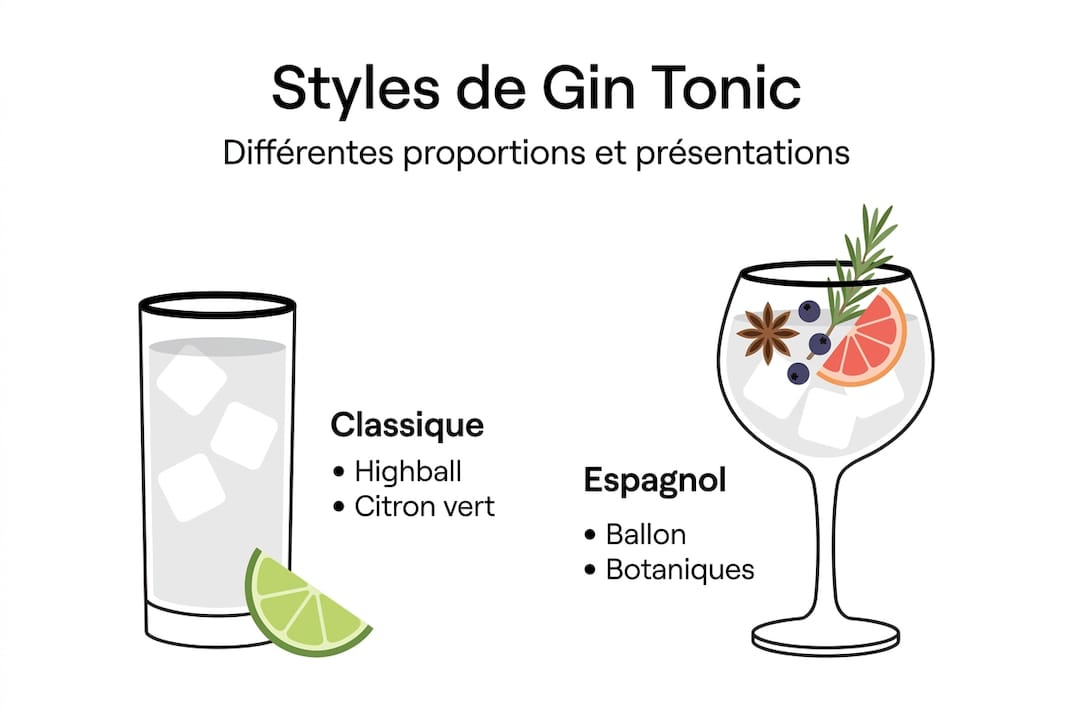
The gin and tonic is a highball cocktail made of gin and tonic water served over ice, usually garnished with lime. This seemingly simple definition hides a precise structure that determines the final aromatic balance. Gin provides the botanicals and alcohol, while tonic water contributes the characteristic bitterness of quinine, refreshing bubbles, and often complementary aromas.
Gin itself is a neutral spirit redistilled with botanicals, including the mandatory juniper which legally defines the category. Craft distillers add dozens of other botanical ingredients such as coriander, angelica, citrus, or regional herbs to create distinct aromatic profiles. This diversity explains why two gins produce radically different gin and tonics even with the same tonic.
Modern tonic water descends directly from the first medicinal waters containing quinine extracted from the South American cinchona bark. Today, premium tonics precisely dose quinine and incorporate natural sugars, botanical extracts, and essential citrus oils. The quality of the tonic influences up to 70% of the final taste, which justifies the attention paid to its selection.
The classic lime garnish fulfills three essential functions. It adds a tangy note that balances bitterness, releases aromatic essential oils upon contact with the drink, and provides an attractive visual dimension. Some prefer lemon for a milder acidity, while others explore botanical garnishes like cucumber, rosemary, or juniper berries depending on the chosen gin's profile.
The highball format distinguishes gin and tonic from other gin-based cocktails such as martini or negroni. This tall, narrow glass preserves the bubbles longer and allows for gradual dilution with ice. The airy presentation creates a refreshing experience ideal for aperitifs, unlike short, concentrated cocktails intended for contemplative tasting.
Historical Origin of Gin and Tonic: From Colonial Remedy to Aperitif Icon
The history of gin and tonic begins in the British colonies of Asia in the 19th century, where malaria decimated European troops and administrators. Military doctors prescribed quinine, an alkaloid extracted from the South American cinchona bark, as an anti-malarial prophylactic. The problem lay in its extreme bitterness, which made daily intake difficult to bear.
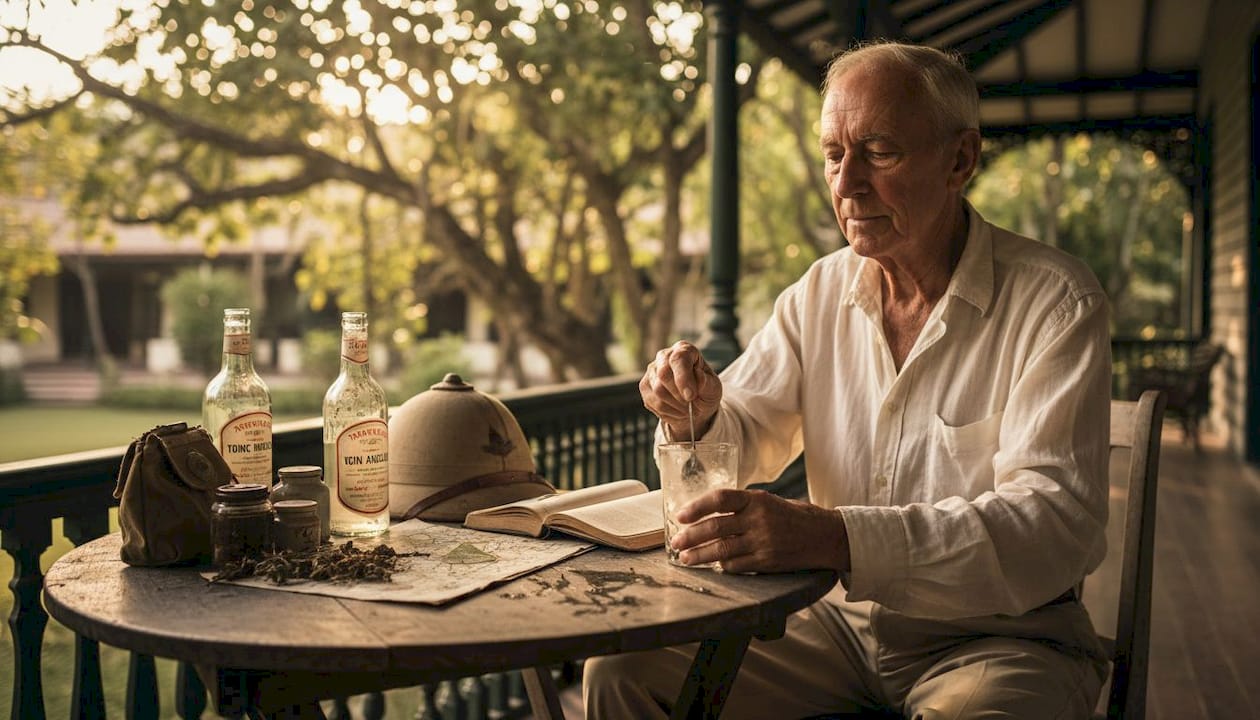
British officers invented the gin and tonic to mask the bitterness of quinine in tonic water against malaria. They mixed their daily ration of quinine with sugar, sparkling water, lemon, and their gin ration. This innovation transformed a medical chore into a pleasant social ritual, laying the foundations for a cocktail that would span centuries.
The evolution from remedy to cultural cocktail accelerated with the return of colonials to the mainland. They brought this tropical happy hour habit back to London clubs, where gin and tonic became a symbol of exoticism and colonial adventure. British distilleries adapted their gin recipes to better harmonize with tonic, creating the London Dry styles that still dominate today.
The industrial production of tonic water by Schweppes from 1870 democratized the cocktail beyond military and aristocratic circles. Standardization allowed for widespread distribution throughout the British Empire and then worldwide. Gin and tonic became ingrained in British culture as a national drink, to the point that Winston Churchill reportedly declared that gin and tonic had saved more British lives and minds than all the doctors in the Empire.
“Gin and tonic enabled the British Empire to rule the world by protecting its officers from malaria while maintaining their morale in difficult tropical climates.”
Today, this medicinal origin fascinates craft spirits enthusiasts who rediscover the importance of quinine and historical botanicals. Contemporary distillers draw inspiration from colonial recipes to create gins with complex profiles that interact with modern tonics, perpetuating a tradition born out of medical necessity.
Variations in Proportions and Styles: Balance and Tastes Across Cultures
The standard ratios vary from 1:2 to 1:4, with the classic being 1:3 with 50ml of gin to 150ml of tonic. This proportion balances alcoholic strength, quinine bitterness, and sparkling freshness without any single element dominating. A tighter ratio like 1:2 is suitable for mild, floral gins that risk being overwhelmed, while a 1:4 tempers Navy Strength gins at 57% ABV.
Traditional British culture favors ratios between 1:1 and 1:3, creating stronger, more botanically concentrated gin and tonics. Britons often use less ice and minimalist lemon or cucumber garnishes, allowing the gin to fully express itself. This approach is perfectly suited to classic London Dry gins whose crisp juniper and citrus profiles can handle a strong presence.
Spain revolutionized gin and tonic preparation since the 2000s with a radically different style. Spanish bars adopt 1:4 or even 1:5 ratios, served in giant balloon glasses filled with crushed ice. They accompany these lengthened versions with elaborate garnishes such as fresh herbs, whole spices, exotic fruits, and edible flowers that create a spectacular visual and olfactory experience.
The adaptation of the ratio also depends on the type of gin and its aromatic concentration. A French craft gin with 25 botanicals requires more tonic than a minimalist London Dry to avoid aromatic saturation. Barrel-aged gins that develop vanilla and woody notes balance better with tighter ratios that respect their complexity acquired in the barrel.
Pro tip: Always pour the tonic slowly down the side of the glass after adding the gin and ice. This technique preserves the CO2 bubbles that carry aromas to the nose and maintains sparkling vibrancy longer. Stir gently once with a bar spoon to homogenize without damaging the bubbles.
| Style | Gin:tonic Ratio | Ice | Typical Garnish | Flavor Profile |
|---|---|---|---|---|
| Classic British | 1:2 to 1:3 | Medium cubes | Simple lime wedge | Strong, botanically dominant, dry |
| Modern Spanish | 1:4 to 1:5 | Abundant crushed ice | Elaborate multi-ingredient | Light, aromatic, visual |
| Mediterranean | 1:3 | Large cubes | Fresh herbs, citrus | Balanced, herbaceous, refreshing |
| Navy Strength | 1:4 | Standard cubes | Expressed lemon zest | Powerful but diluted, complex |
Understanding these cultural variations allows you to adapt your gin and tonic recipe balance according to the occasion and your guests' preferences. Experiment with different ratios, noting your impressions to identify your personal sweet spot between alcoholic strength and refreshment.
Preparing a Perfect Gin and Tonic: Tips for Craft Spirits Enthusiasts
The selection of gin is the first critical decision for discerning enthusiasts. Prioritize French organic craft gins with varied tonics to explore unique botanicals and avoid excessive dilution with large ice cubes. French craft distilleries produce exceptional gins that incorporate regional botanicals such as Provençal lavender, Alpine juniper, or Corsican citrus, creating profiles impossible to replicate industrially.
The choice of tonic deserves as much attention as the gin, as it represents three-quarters of the final volume. Premium tonics like Fever Tree, Fentimans, or Thomas Henry precisely dose quinine and use natural cane sugar rather than high-fructose corn syrup. Some thematic tonics, such as elderflower, Mediterranean, or aromatic versions, are specifically formulated to harmonize with particular gin families.
The temperature and quality of the ice directly influence dilution and thus the evolution of the cocktail. Use medium-sized cubes made with filtered water to avoid chlorinated tastes. Too small ice cubes melt quickly and water down the cocktail, while giant spheres excessively slow down the dilution necessary to open up the aromas. Fill the glass three-quarters with ice before adding the liquids.
Garnish technique varies depending on the aromatic profile of the chosen gin:
- Citrus gins: expressed lemon or pink grapefruit zest above the glass
- Floral gins: rose petals, elderflower, or fresh lavender
- Herbaceous gins: rosemary, Thai basil, or lightly clapped mint leaves
- Spicy gins: cinnamon stick, star anise, or pink peppercorns
- Classic gins: simple squeezed and dropped lime wedge
Pro tip: Prepare your mise en place before starting. Take the gin and tonic out of the refrigerator 10 minutes beforehand so they reach 8 to 10°C, the optimal temperature that preserves volatile aromas while maintaining freshness. Gin that is too cold masks its botanical nuances, while lukewarm tonic instantly loses its bubbles upon contact with ice.
The assembly order follows a precise logic to maximize flavor integration. Start by chilling the glass with ice and a little water, which you will discard. Add fresh ice, pour the gin directly onto the cubes to cool it immediately, then slowly incorporate the tonic. Finish with the garnish, expressing or clapping it to release its essential oils into the headspace of the glass.
Enthusiasts of botanicals in gin will appreciate experimenting with audacious combinations. A Mediterranean gin with notes of thyme and rosemary pairs perfectly with an herbal tonic and a green olive garnish. This food pairing approach applied to gin and tonic opens up endless possibilities to personalize your experience according to the seasons and occasions.
Developing your palate with a gin tasting guide will allow you to identify the subtle nuances revealed by a well-constructed gin and tonic. Note your favorite combinations in a tasting journal, documenting the gin, tonic, ratio, garnish, and your sensory impressions to gradually refine your technique.
Explore Our Exclusive Selection of Craft Gin and Vodka
Now that you've mastered the fundamentals of the perfect gin and tonic, discover how Mezzanotte's Italian craft spirits transform this classic into a unique sensory experience. Our collection of Italian craft gin brings together exceptional distillates crafted with rare Mediterranean botanicals and ancestral distillation techniques.

Each gin in our range tells a story inspired by mythology, pop culture, and Italian regional traditions. The complex aromatic profiles incorporate ingredients such as Sicilian citrus, Apennine herbs, and innovative botanicals that create memorable gin and tonics. Our internationally award-winning distillers guarantee unparalleled artisanal quality for discerning enthusiasts.
Complete your bar with our selection of Italian craft vodka distilled with the same passion for excellence. Visit the Mezzanotte store to explore our entire catalog and order your favorite craft spirits directly. Transform every gin and tonic into a taste adventure with products that celebrate the art of Italian distillation.
What are the Frequently Asked Questions about Gin and Tonic?
How to choose the best tonic for a gin and tonic?
Prioritize premium tonics with a balanced quinine content between 60 and 80 mg/L, which provides the characteristic bitterness without dominating. Read labels to identify tonics using natural cane sugar rather than artificial sweeteners, which alter the flavor profile. Harmonize the tonic style with your gin: neutral versions suit complex gins, while flavored tonics complement minimalist gins.
What is the ideal ratio for a successful gin and tonic?
The classic 1:3 ratio represents the best compromise for most gins and palates, meaning 50ml of gin to 150ml of tonic. Adjust according to your personal preferences: increase to 1:2 if you like strong cocktails with pronounced botanicals, or extend to 1:4 for a lighter, more refreshing version ideal in summer. Also consider the alcoholic strength of the gin: Navy Strength at 57% requires more tonic than standard 40% versions.
Is a gin and tonic a light or strong cocktail?
With a standard 1:3 ratio and a gin with 40% alcohol, a gin and tonic has an alcohol by volume of approximately 10%, similar to a glass of wine. This moderate strength positions it between light cocktails like the spritz and strong cocktails like the martini or negroni. The perception of strength also depends on the volume served: a 300ml Spanish gin and tonic contains more absolute alcohol than a 180ml British format, despite a more diluted ratio.
Can any gin be used for a gin and tonic?
Technically yes, but the quality of the gin directly determines the quality of the final cocktail. Low-end gins produced with artificial flavors create flat and chemical-tasting gin and tonics, while artisanal gins distilled with real botanicals offer depth and complexity. Avoid sweet Old Tom gins or fruity sloe gins, which unbalance the classic structure of the cocktail. Invest in quality gin-based cocktails to maximize your tasting pleasure.
Which garnish should be favored depending on the style of gin and tonic?
The garnish should amplify the dominant botanicals of the gin without masking them. For a classic London Dry with pronounced juniper, opt for a simple lime wedge that provides citrusy freshness. Floral gins harmonize with rose petals or elderflower, while herbaceous Mediterranean gins call for fresh rosemary or thyme. Always express citrus zests over the glass to release the aromatic essential oils before placing them in the cocktail.
Recommendation
- How to taste a legendary gin: expert guide 2026 – Mezzanotte | Distilleria & Spirits
- 6 best gin-based cocktails to discover – Mezzanotte | Distilleria & Spirits
- Gin tasting guide 2026: master the art of tasting – Mezzanotte | Distilleria & Spirits
- Gin and Tonic Drink: An Essential Guide for 2026 – Mezzanotte | Distilleria & Spirits