

Aromatic components of gin: discover botanicals, varieties, extraction techniques, and sensory profiles chosen by European artisanal distillers.
Gin's Aromatic Components: The Soul of Craft Spirits
Feb 27, 2026

Discovering the true essence of a craft gin means approaching the world of botanicals with a keen eye and alert nostrils. For spirits enthusiasts and European connoisseurs, the aromatic component represents much more than a mere scent: it is cultural heritage and technical mastery encapsulated in a glass. In these pages, you will find the key elements to recognize, appreciate, and evaluate every nuance that makes a premium gin unique.
Table of Contents
of contents
- What is the Aromatic Component of Gin?
- Key Botanicals and Aromatic Ingredients
- Extraction and Craft Distillation Techniques
- Sensory Profiles and Identity of Premium Gins
- Common Mistakes in Using Aromatic Botanicals
Key Points
| Point | Details |
|---|---|
| Aromatic Component | The aromatic component is fundamental to the gin's identity and varies based on the botanicals used. Understanding the different aromatic phases enhances the tasting experience. |
| Quality Botanicals | The choice of botanicals determines the complexity of the gin; fewer high-quality ingredients can outperform many inferior ones. |
| Distillation Techniques | The method of aroma extraction significantly influences the final gin profile. Techniques like maceration and vapor distillation capture different nuances. |
| Proper Storage | Storing botanicals in airtight containers and optimal conditions preserves the freshness and effectiveness of the aromas. |
What is the aromatic component of gin?
The aromatic component represents the beating heart of every craft gin, that intangible quality that transforms a spirit into a complete sensory experience. It's not just the scent you perceive when you uncork the bottle, but a complex symphony of volatile molecules interacting with each other during distillation.
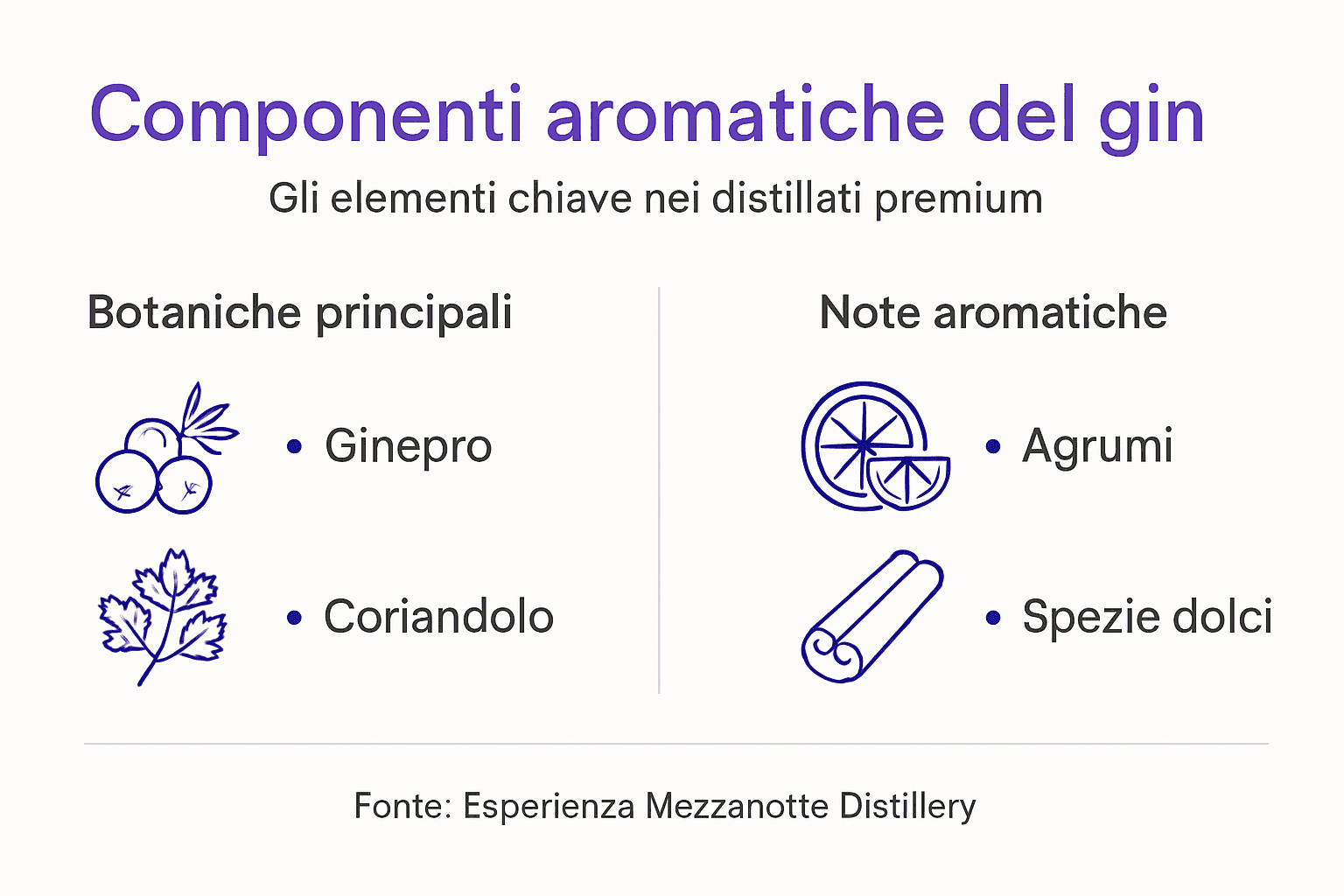
Each botanical contributes its characteristic aromas, creating that olfactory signature that makes one gin recognizable from another. Juniper provides green and resinous notes, citrus peels offer acidic freshness, while spices like cardamom or coriander add depth and complexity.
When we talk about the aromatic component, we mainly mean:
- Main olfactory profile: the dominant notes that emerge on the first nose
- Mid-aromas: the nuances that appear after the first few seconds
- Base aromas: the persistent notes that linger on the skin and in the glass
- Aromatic evolution: how the scent changes over time, especially when the gin is diluted with water or ice
The difference between vodka and gin in terms of aromatic profile lies precisely here: while vodka aims for aromatic neutrality, gin celebrates the complexity of its botanical ingredients.
The art of craft distillation consists of capturing and preserving every aromatic nuance during the process of extracting vapors from botanicals.
In distillation, volatile aromatic molecules rise with the vapor and are condensed along with ethyl alcohol. Timing is crucial: lighter aromas emerge at the beginning, while heavier, more complex ones arrive towards the end.
For a European collector who appreciates premium spirits, understanding the aromatic component means being able to recognize the quality of the raw materials used, the distiller's mastery, and the authenticity of the botanical formula.
Professional tip: When tasting a new craft gin, give your nose at least 30 seconds to identify the three distinct aromatic phases, then taste small quantities to grasp how the aromas evolve in your mouth.
Key botanicals and aromatic ingredients
Botanicals are the true protagonists of any craft gin. It's not a matter of quantity, but of quality and synergy between the ingredients chosen by the distiller.
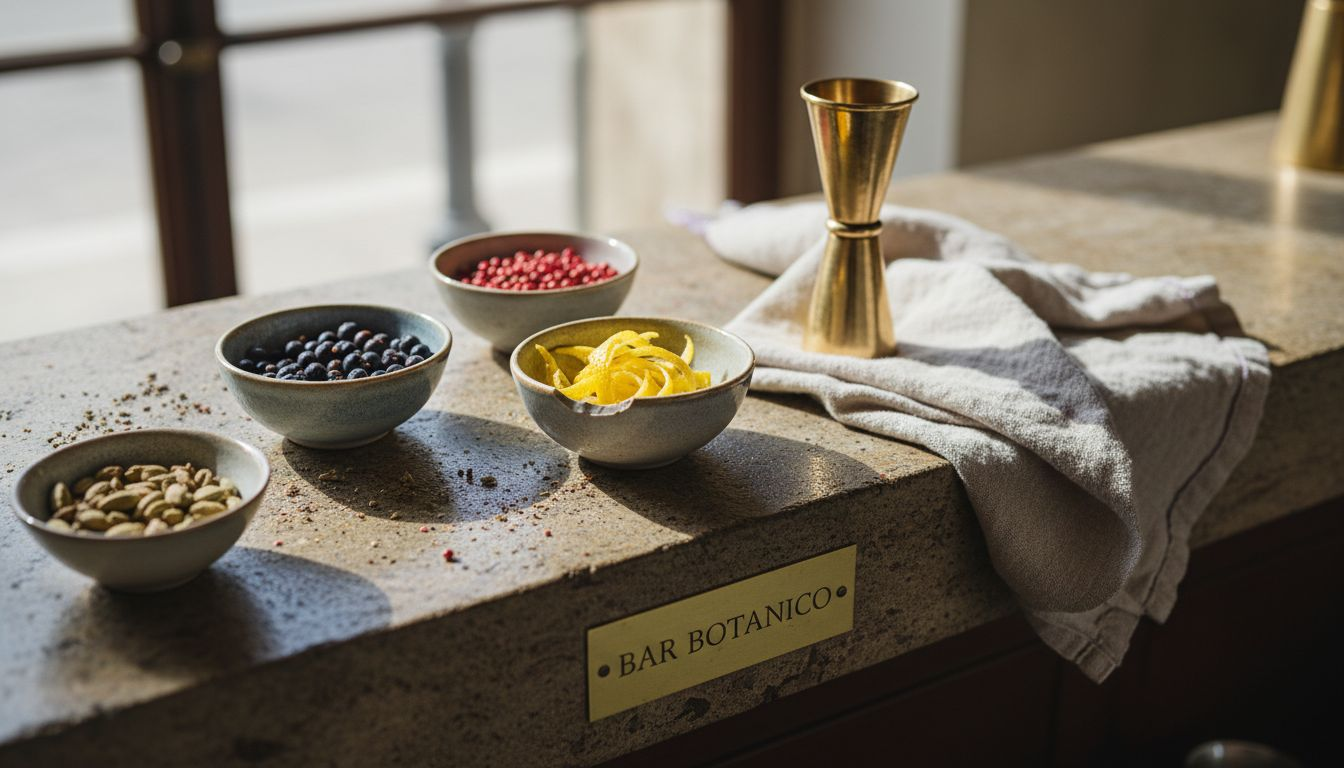
Juniper remains the fundamental botanical, the one that legally characterizes gin. It imparts green, resinous, and slightly peppery notes that form the aromatic backbone.
Citrus fruits (lemon, orange, grapefruit peel) provide bright freshness and natural acidity. These volatile aromas are captured during distillation and create that crisp sensation that makes gin ideal for cocktails.
Spices add depth and complexity:
- Coriander: floral and slightly spicy notes
- Cardamom: warm, almost mentholated aromas with herbaceous nuances
- Cinnamon: spicy sweetness and roundness on the palate
- Nutmeg: earthy depth and slight sweetness
- Pepper: a peppery kick that awakens the palate
Aromatic herbs like chamomile, iris, and lavender confer floral elegance and a delicate aromatic persistence that characterizes more sophisticated gins.
The best botanical ingredients come from specialized suppliers who maintain rigorous quality standards, as each botanical directly influences the final profile of the distillate.
When tasting craft cocktails made with premium gin, a European collector immediately recognizes the balance between these botanicals. A well-constructed formula does not feature dominant ingredients, but a harmonious fusion.
Some distillers include more unusual botanicals such as Sichuan pepper, fresh ginger, or even tobacco notes to create distinctive signature gins. Botanical notes are also combined in cocktail pairings, where the choice of ingredients becomes even more strategic.
The proportion of botanicals varies significantly among different producers. A gin might contain 5 ingredients or 15, but what matters is how they integrate during distillation.
Professional tip: Taste gin neat, at room temperature, to identify the individual botanicals before using it in cocktails; this develops your ability to recognize ingredients and appreciate the distiller's work.
Extraction and craft distillation techniques
Craft distillation is an art that requires precision, patience, and a deep understanding of chemical processes. It's not just about heating and cooling, but about controlling every variable to capture the desired aromas.
There are two main methods for extracting botanical aromas:
- Maceration distillation: botanicals steep in raw alcohol for several hours before distillation, allowing prolonged contact
- Vapor distillation: botanicals are suspended above boiling water, capturing aromatic vapors without direct contact
- Cold infusion: some delicate botanicals are left to macerate without heat to preserve volatile aromas
The timing of distillation is crucial. Lighter aromas (citrus, flowers) emerge at the beginning of the process, while heavier spices follow later. A master distiller knows perfectly when to cut unwanted vapors—those initial and final fractions that could compromise the profile.
Here is a summary of the main methods of aroma extraction in craft gin:
| Extraction method | Ideal botanicals | Main advantage | Possible limitations |
|---|---|---|---|
| Maceration | Spices, robust roots | Deep aromatic extraction | Risk of extracting bitter notes |
| Vapor distillation | Citrus, delicate flowers | Fresh and crisp aromas | Less extraction of heavy aromas |
| Cold infusion | Very volatile botanicals | Maximum aroma preservation | Less complex profile |
The final quality of the gin depends on the distiller's ability to separate the "heads," "hearts," and "tails" of the distillation, retaining only the aromatically pure fractions.
Temperature control during condensation influences which aromatic molecules solidify. Different temperatures capture different aromatic nuances from the same botanicals.
Craft distillers like those represented in Metodo Mezzanotte use small copper pot stills that allow for granular control over every aspect of the process. These are not compromises, but conscious choices to achieve superior aromatic complexity.
The ratio between alcohol and botanicals varies strategically. A different ratio extracts entirely different aromatic profiles from the same plant.
Some distillers create "gin concentrates" that are then diluted with neutral spirit, while others prefer to distill everything together in a single pass.
Research and development continue within European craft distilleries. Each batch represents an opportunity to refine technique and discover new botanical synergies.
Professional tip: When tasting different craft gins, try to identify the dominant "aromatic fractions"; this allows you to recognize the distillation method used and appreciate the technical details behind each bottle.
Sensory profiles and identity of premium gins
Every premium gin possesses a unique sensory identity, an aromatic signature that makes it instantly recognizable to the nose and palate of those who taste it attentively.
The sensory profile is not random, but the result of deliberate choices regarding botanical selection, distillation method, and the ratio of ingredients. A gin might have an "elegant floral" profile, another a "fresh citrus" profile, and a third a "warm spicy" profile.
Premium gins are distinguished by:
- Aromatic complexity: many layers of scent that reveal themselves over time
- Balance: no single botanical overly dominates the others
- Persistence: aromas linger in the mouth and on the skin even after swallowing
- Evolution: the profile changes when you add ice or dilution
- Recognizable character: a profile that remains consistent from one tasting to the next
Sensory perception begins visually. A premium gin often presents a brilliant and crystalline color, without turbidity. The appearance already communicates something about the cleanliness of the distillation process.
On the nose, the first impressions emerge: initial freshness, deep notes, spices, flowers. These layers progressively unfold in the first 10-15 seconds.
In the mouth, complexity increases further. The taste buds perceive sweetness, acidity, bitterness, and that tactile sensation experts call "mouthfeel." A premium gin doesn't burn, but caresses the palate.
The identity of a premium gin is built through coherence: each botanical serves a precise purpose within the overall formula, creating harmony instead of confusion.
Premium Italian and international gins represent different approaches to sensory creation. Some emphasize classic botanical tradition, others interpret the genre in a contemporary and bold way.
Olfactory memory plays a crucial role. When you taste the same gin weeks later, your brain instantly recognizes it. This is a sign of a well-defined and coherent sensory identity.
The quality of the materials used profoundly influences the final profile. Fresh, unoxidized botanicals, precisely extracted, accurate alcohol dilutions: every detail counts in sensory construction.
Professional tip: Create a "personal sensory map" for your favorite gins: write down the notes you perceive on the first nose, after 30 seconds, in the mouth, and on the finish, so you will develop a more conscious tasting vocabulary.
Common mistakes in using aromatic botanicals
Even the most passionate collectors make mistakes in the use and storage of aromatic botanicals. These mistakes compromise the final profile of the gin and spoil the tasting experience.
The most frequent mistake is using oxidized or stale botanicals. Air and light degrade essential oils, transforming fresh aromas into flat, dull notes. A lemon peel months old will not deliver the crisp freshness that characterizes a quality gin.
Common mistakes include:
- Excess of heavy botanicals: adding too many spices obscures delicate profiles
- Incorrect proportions: an erroneous ratio between alcohol and botanicals extracts aromas poorly
- Incorrect maceration time: too little doesn't extract enough, too much creates bitterness
- Inadequate storage: botanicals exposed to light, heat, and humidity quickly lose quality
- Random mixing: combining botanicals without logic creates confused and inconsistent profiles
Many believe that more botanicals equals better quality. This is false. A gin with 5 perfectly balanced ingredients easily surpasses one with 20 chaotic ingredients.
Accelerated oxidation occurs when botanicals are not stored in airtight containers. Exposure to air transforms fresh aromas into stale, almost "cooked" notes.
Some make the mistake of overheating during distillation. Too high temperatures destroy the most delicate volatile aromas, leaving only heavy, burnt notes.
Below is a table comparing common mistakes in managing aromatic botanicals and strategies to avoid them:
| Common mistake | Consequence on gin | Effective solution |
|---|---|---|
| Oxidized botanicals | Dull scent, flattened aromas | Store in airtight containers |
| Overdosing spices | Unbalanced aromatic profile | Precisely weigh each botanical |
| Exposure to light/humidity | Rapid degradation of oils | Store in a cool, dark place |
| Excessive temperature | Loss of volatile aromas | Rigorous control in distillation |
| Use of low-quality water | Aromas masked by impurities | Use filtered or mineral water |
A well-made gin is not the result of many ingredients, but of the mastery in selecting a few excellent ingredients and making them work together in harmony.
The water used for dilution greatly influences the final result. Poor quality water introduces undesirable notes that mask the carefully crafted botanical profile.
Even premium gins require proper storage after purchase. Bottle upright, away from direct light, at a stable temperature: these details preserve quality over time.
Many forget that botanical balance is seasonal. Some fresh ingredients available in summer may not be ideal for a year-round formula.
Professional tip: Always purchase botanicals from certified specialized suppliers, store them in airtight containers in a cool, dark place, and check their freshness with an initial sniff before using them in any recipe.
Discover the Aromatic Soul of Craft Gins with Mezzanotte
The real challenge in the world of craft gin is recognizing and appreciating the richness of the aromatic component that gives life to each distillate. It is often difficult to find a product that combines the quality of botanicals, sensory balance, and respect for artisanal tradition. For enthusiasts looking for an authentic and profound experience, knowing every detail of the olfactory profile and distillation techniques can make all the difference.
Immerse yourself in our collection at Italian Artisan Gin | Unique Botanicals – Mezzanotte Spirits, where each distillate tells a story and possesses its exclusive aromatic signature. Here you will find premium gins carefully selected to guarantee fresh, balanced, and persistent aromas, created by master distillers who master the art of distillation in its most refined nuances.

Don't let your experience be limited to a simple sip. Explore our exclusive range of craft gins that enhance the botanical soul of each distillate now on Mezzanotte. Take advantage of the opportunity to buy unique products online, perfect for collectors and connoisseurs of authentic flavors. Experience the art of distillation, transform every tasting into a journey, and choose your perfect gin today.
Frequently Asked Questions
What is the aromatic component of gin?
The aromatic component of gin is the set of volatile molecules that give the distillate its distinctive character. It includes the main olfactory profile, median aromas, base notes, and how they evolve over time.
Which botanicals are commonly used in gin?
The most common botanicals in gin include juniper, citrus fruits like lemon and orange, spices like coriander and cardamom, and aromatic herbs like chamomile and lavender. Each contributes unique aromas to the gin's profile.
What is the importance of the distillation method in gin quality?
The distillation method significantly affects gin quality, as it determines which aromatic molecules are extracted. Techniques such as maceration or steam distillation can influence the final aromatic notes.
How should I taste a craft gin to grasp all its nuances?
To taste a craft gin, allow yourself at least 30 seconds to identify the aromatic phases: the main profile, the median nuances, and the base notes. Taste small quantities to perceive how the aromas evolve in the mouth.
Recommendation
- Difference between vodka and gin: aromas and stories compared – Mezzanotte | Distillery & Spirits
- Step-by-step cocktail with craft gin: easy guide – Mezzanotte | Distillery & Spirits
- Italian Gin Guide: Discover the Secrets of 2026 – Mezzanotte | Distillery & Spirits
- 6 types of cocktail garnishes you absolutely need to know – Mezzanotte | Distillery & Spirits
- Red Tea Pu-Erh Summer Spirit