

Learn how to identify craft spirits with clear steps to distinguish authentic and exclusive products and choose the best option before buying.
How to identify unique and authentic artisan spirits
Feb 24, 2026

Finding an authentic artisanal spirit in Central Europe goes far beyond mere taste. Each bottle encapsulates not only a unique organoleptic profile but also a story rooted in the cultural identity of its origin. For those seeking exclusivity and authenticity when buying online, preparing the environment and refining the senses is the first step to discerning nuances and appreciating narratives that make each spirit an incomparable sensory and cultural experience.
Table of Contents
- Step 1: Preparing the environment and senses for tasting
- Step 2: Examining labeling and design with attention to detail
- Step 3: Analyzing the aroma and organoleptic profile
- Step 4: Verifying the origin and cultural narrative of the spirit
Quick Summary
| Key Point | Explanation |
|---|---|
| 1. Prepare your environment properly | Choose a quiet and well-lit place for tasting. This enhances the perception of flavors and aromas. |
| 2. Take care of your physical and emotional state | Conduct the tasting when you are fresh and alert, as fatigue can reduce your sensory sensitivity. |
| 3. Examine the liquor label | Observe the design, print quality, and details that tell the product's story. |
| 4. Appreciate the aromas before tasting | Take time to identify the aromatic layers, which enhances your appreciation of the spirit. |
| 5. Verify the origin and narrative | Research the history behind the spirit, ensuring its connection to local traditions and cultural authenticity. |
Step 1: Preparing the environment and senses for tasting
Before tasting an artisanal spirit, you need to create the right conditions. Your physical environment and sensory capacity determine how well you perceive the unique nuances of each drink.
Start with the physical space. Choose a quiet room, away from noise and distractions that could affect your concentration. A serene environment allows your mind to fully focus on the tasting experience.
Lighting is critical for evaluating the spirit. Make sure there is natural or clear white light to appreciate the color, clarity, and tones of the distillate. A dark room or one with yellowish light distorts what you see and affects your overall perception.
Eliminate competing odors from the environment. Open windows to ventilate, avoid spaces with strong perfumes, aromatic foods, or smoke. Your sense of smell is crucial in tasting, and extraneous aromas interfere with the delicate profiles you are trying to detect.
Now prepare your personal senses. The function of taste depends on your taste buds and how your brain processes sensory information. To optimize this, you need to cleanse your palate before starting.
Perform these preliminary steps:
- Rinse your mouth with lukewarm, unflavored water 10 minutes before tasting.
- Eat a small piece of toast or an apple to neutralize food residues.
- Avoid caffeinated drinks, alcohol, or any strong food in the hour before.
- Breathe deeply several times to calm the nervous system.
Sensory preparation also includes cleansing your nose. Your nostrils are as important as your palate. Breathe fresh air, move outdoors briefly if possible, and allow your sense of smell to reset.
Pay attention to your general physical state. Do not taste when you are tired, sick, or emotionally upset. Your senses work best when you feel fresh and alert.
The factors influencing sensory perception during an artisanal spirit tasting are summarized below:
| Key Factor | Impact on experience | Example of effect |
|---|---|---|
| Ambient lighting | Affects color appreciation | A lighter golden hue |
| Ambient odors | Modify olfactory perception | Lingering perfume dominates |
| Physical and emotional state | Decreases sensory sensitivity | Fatigue reduces nuances |
| Palate preparation | Optimizes flavor detection | Neutral taste, greater clarity |
| Nasal hygiene | Improves aroma identification | Easier to notice floral notes |
Dedicate 15 minutes to preparing your environment and your senses. This initial time increases sensory clarity and allows you to detect nuances you might otherwise miss.
Once the space is ready and your senses prepared, you will be in optimal condition to appreciate the aromatic and gustatory complexity of unique artisanal spirits.
Professional tip: Keep a notebook nearby during the tasting to jot down your first impressions while your senses are still sharp. Immediate notes capture details you easily forget after trying several spirits.
Step 2: Examining labeling and design with attention to detail
The label of an artisanal spirit tells a story. As you observe the bottle, examine each visual and textual element that reveals the authenticity and care behind the product.
Start by observing the overall quality of the design. Artisanal spirit labels reflect the distiller's identity. A carefully crafted graphic design communicates that someone took time with every aspect of creation. Look for visual coherence, clean typography, and an aesthetic that makes sense for the type of spirit it contains.
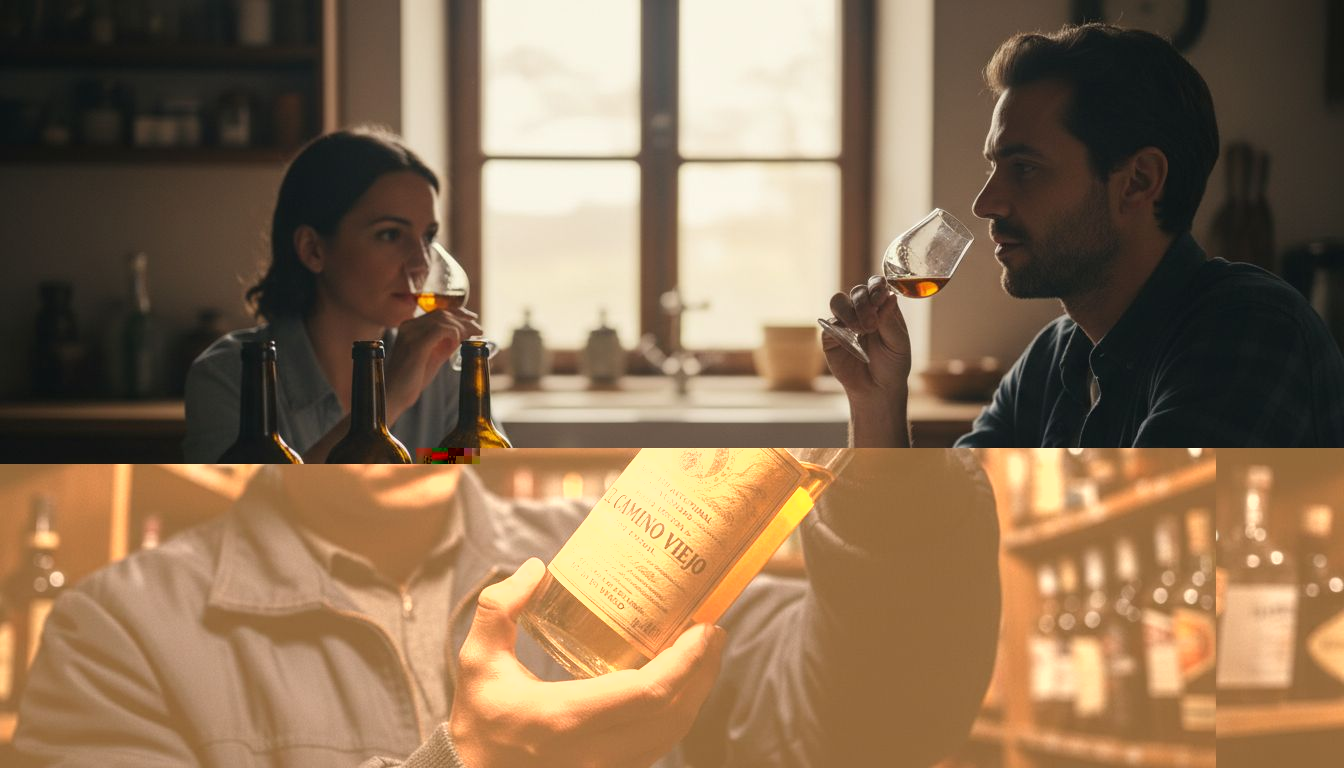
Analyze the precision of the printing. Hold the label up to the light. The lines should be clear and sharp, with no frayed edges or misregistered colors. Poor printing suggests a lack of professional attention, while impeccable printing indicates serious artisanal standards.
Check the label materials. Touch the surface. Is it thick or thin paper? Is there a special texture, a matte, satin, or glossy finish? Authentic spirit labels often use sustainable printing techniques that combine visual quality with environmental responsibility.
Read all information carefully:
- Product name and distiller
- Alcohol content and exact volume
- Geographical origin and country of production
- Main ingredients or production techniques
- Lot numbers or production date
- Awards, certifications, or international recognition
The information must be complete and legible. Legitimate artisanal spirits do not hide data about their content or origin.
Look for unique narrative elements. Many artisanal producers in Central Europe incorporate stories and illustrations that connect with the consumer. A label that tells a specific story, referencing cultural inspirations or mythology, is a sign that the distiller invested in meaning beyond basic sales.
Inspect the alignment and symmetry. The label should be centered on the bottle, without strange tilts or air bubbles. Seemingly minor details reveal the producer's quality control.
A well-executed label is not cosmetic. It is evidence that artisanal care extended to every aspect, including how they present their work.
Compare with other bottles from the same producer if possible. Consistent labels in design and quality suggest an established and professional business.
Here is a comparison of criteria for evaluating authenticity on an artisanal spirit label:
| Authenticity Criterion | Positive sign | Suspicious sign |
|---|---|---|
| Material and finish | Thick paper with special texture | Thin paper, poor printing |
| Narrative and illustration | Coherent cultural story | Artificial, generic stories |
| Technical information | Clear and verifiable data | Absence of lot or origin |
| Alignment and symmetry | Centered label without bubbles | Off-center, visible bubbles |
| Awards or certifications | Renowned recognitions | Little recognizable awards |
Professional tip: Photograph the label from various angles before buying online. Tactile details and print gloss are difficult to evaluate in photos, but a clear gallery helps you verify information and compare with other producers.
Step 3: Analyzing the aroma and organoleptic profile
Aroma is the gateway to the complexity of an artisanal spirit. Before tasting, take time to explore what your nose reveals about the authenticity and quality of the product.
Bring the glass to your nose without breathing deeply yet. Capture the first aromatic impression, what tasters call the initial nose. What aromas do you immediately recognize? Do you notice floral, fruity, herbal, or spicy elements? This first sensory reaction is valid and revealing.
Now breathe more intensely. The volatile compounds of the spirit are released into the air when you gently swirl the glass or when the alcohol evaporates. These compounds are key to identifying ingredients, production techniques, and authenticity.
Apply this evaluation technique:
- Breathe deeply once and note the aromatic layers you perceive.
- Wait 30 seconds, let your nose rest.
- Bring the glass back and breathe slowly two or three times.
- Observe how the aromas evolve with aeration.
Look for complexity and evolution. Legitimate artisanal spirits reveal new layers of aroma as the product breathes. Industrial distillates tend to present a static and predictable aromatic profile.
Identify aromatic families. Do you detect notes of specific fruits, aged wood, exotic spices, or regional herbs? A rich organoleptic profile suggests quality ingredients and careful processes. The ability of your sense of smell and taste working together is what allows you to distinguish a unique spirit from a generic one.
Try this differentiating approach:
- Aromas that change as the glass warms in your hand.
- Notes that appear only after several seconds of exposure to air.
- Aromatic intensity that remains consistent, without fading quickly.
- Absence of chemical, perfumed, or overly synthetic odors.
Evaluate the aromatic intensity. Is the aroma delicate or potent? Well-crafted artisanal spirits present crisp aromas without being overwhelming. An overly strong or unpleasant aroma can indicate problems in distillation or storage.
Mentally compare with commercial spirits you already know. Does this artisanal distillate present distinct profiles? The sensory difference is often evident when you learn what to look for.
Aromas that evolve over time are the signature of a genuine artisanal spirit. Aromatic complexity is impossible to fake with industrial processes.
Professional tip: Keep a mental or written list of the aromatic families you recognize in each spirit. After trying 5 or 6 artisanal distillates, your nose will be trained to detect subtleties you initially missed.
Step 4: Verifying the origin and cultural narrative of the spirit
An authentic artisanal spirit tells a story that goes beyond taste. The geographical origin and cultural narrative are evidence that the product has real roots and a genuine purpose behind its creation.
Start by researching the place of origin of the distillate. Where does it truly come from? A legitimate artisanal spirit will be clear about its geographical provenance, mentioning specific regions, towns, or local traditions. Producers with cultural pride openly communicate where they make their products.
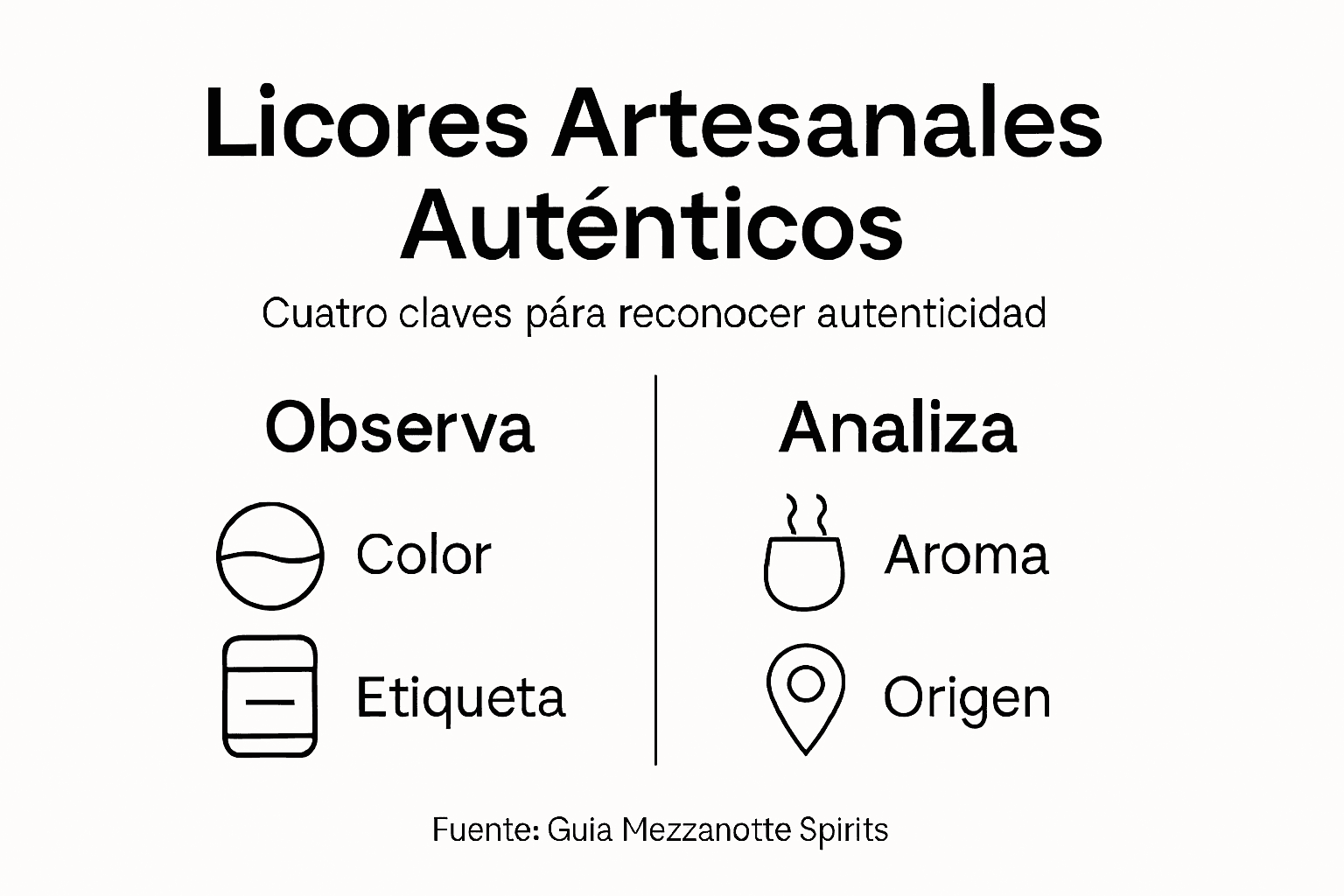
Look for information about the producer's history. How long have they been in business? What is the motivation behind its creation? Genuine artisanal distillers have narratives connected to their territory, family traditions, or deep cultural inspirations. These stories are not invented for marketing but are authentic roots.
Check for these key elements:
- Name of the distiller or distillery with a specific location
- Documented history of how the project began
- Connection to local traditions, regional ingredients, or ancestral techniques
- Recognition in the local community or regional awards
- Transparency about production methods
Research the cultural narrative of the spirit. Many distillers in Central Europe create products inspired by myths, local stories, or cultural heritage. This inspiration is not superficial but integral to the product's design. The documentation of regional distilling identities demonstrates how origin and culture are fundamental to understanding authenticity.
Look for real connections between the spirit and its cultural context. Do the ingredients come from the mentioned region? Does the narrative reflect local traditions or legends? Does the producer actively participate in their community? These authentic connections distinguish legitimate artisanal spirits from products that adopt an artisanal aesthetic without real substance.
Check for international awards or recognitions that validate quality. A culturally legitimate artisanal distillate has often won awards in serious competitions, not in catalogs of dubious reputation.
A spirit without a clear narrative or with a story that seems fabricated is a red flag. Cultural authenticity cannot be convincingly imitated.
Talk to the producer if possible. Buy online directly from their website when you can. This direct connection allows you to ask questions about origin, ingredients, and cultural inspiration.
Professional tip: Research on social media or spirit blogs if the producer shares content about their processes, ingredients, and cultural connection. Stories consistently told over time are more reliable than narratives that change with each description.
Discover and enjoy authentic artisanal spirits with Mezzanotte
Identifying a unique artisanal spirit requires attention to details such as sensory preparation, aroma analysis, and the cultural value behind the product. We know you are looking for an authentic tasting experience that reveals the true essence of each distillate and that you value the narrative that accompanies each bottle.
At Mezzanotte Spirits, you'll find a curated catalog of Italian Craft Spirits | Gin, Vodka, Bitters – Mezzanotte Spirits, where each spirit reflects artisan tradition and a deep cultural history. We guarantee products with exquisite design and international recognition to make your sensory experience unique and unforgettable.

Don't miss the opportunity to explore spirits with identity, complex aroma, and genuine origin. Visit Italian Artisan Vodka | Distilled Purity – Mezzanotte Spirits to discover artisanal vodkas that elevate your palate and connect with the true culture of distillation. Start your adventure today at https://mezzanotte.shop and experience the art of spirits like never before.
Frequently Asked Questions
How can I prepare my environment for a craft spirits tasting?
To properly prepare your environment, choose a quiet space, illuminated with natural or clear white light, free from competing odors. Dedicate at least 15 minutes to ensure an optimal atmosphere that enhances your tasting experience.
What details should I look for on the label of a craft spirit?
Examine the quality of the design, printing, and materials. Look for complete information, such as the product name, alcohol content, and the producer's story; these details are indicative of the spirit's authenticity.
How do I identify aromas in a craft spirit?
Slowly inhale the initial aroma and note your first impressions. Then, let the spirit breathe and observe how the aromas evolve; this will help you discern the complexity of the organoleptic profile.
What cultural information should I look for when evaluating a craft spirit?
Research the geographical origin, the producer's history, and the connection to local traditions. A clear and authentic cultural narrative highlights the spirit's authenticity and quality.
What signs indicate that a spirit is truly artisanal?
A truly artisanal spirit features a carefully designed label, unique narrative details, and transparent production. Verify that it contains information about the origin and the production methods used, as well as awards or recognitions in serious competitions.
How can I train my senses for a better spirits tasting?
Perform palate and nose cleansing exercises, such as rinsing your mouth with lukewarm water and breathing fresh air. Practice with different spirits and take notes on the aromas and flavors you identify; this will significantly improve your detection ability in future tastings.
Recommendation
- 7 Extraordinary Best Italian Artisanal Liqueurs of 2026 – Mezzanotte | Distilleria & Spirits
- Mezzanotte Method | How our artisanal spirits are born – Mezzanotte | Distilleria & Spirits
- Custom Liqueur: How to Create Your Own Custom Spirit with Distilleria – Mezzanotte | Distilleria & Spirits
- Best Amaro Liqueurs: A Guide to Italian Excellence 2026 – Mezzanotte | Distilleria & Spirits