

Discover how to choose top-quality Italian amaros using clear criteria on ingredients, tradition, and aromatic profile for tasting and collecting.
How to choose the best Italian amari in 2026
Mar 7, 2026

The Italian amaro market offers hundreds of labels, making the choice complex for those seeking authenticity and superior quality. This article guides you through clear criteria for selecting distinctive artisanal amari, considering ingredients, production tradition, and aromatic profile. You will discover what characteristics distinguish excellent products and how to pair them with your tasting or collection needs.
Table of Contents
- How to choose the best Italian amari: essential criteria
- The main high-quality Italian amari
- Amaro comparison: aromas, price, and recipes
- How to integrate Italian amari into your tasting and collection experience
- Summary and practical tips for choosing the perfect Italian amaro
- Discover Mezzanotte's selection of artisanal spirits
- Frequently asked questions about the best Italian amari
Key Points
| Point | Details |
|---|---|
| Local botanical ingredients | Over 70% of artisanal amari use Italian botanicals to ensure authenticity and territorial typicality. |
| Distinctive aromatic profile | Amaro ranges from balanced sweet-bitter to intensely bitter, with choices suitable for novices and experts. |
| Tradition and awards | Historic producers with international awards offer guarantees of quality and certified artisanal craftsmanship. |
| Versatility of use | Choose based on the occasion: post-meal digestivo, base for creative cocktails, or exclusive collector's item. |
| Value for money | The 15-30 euro range offers excellent quality, while limited editions exceed +40% for unique characteristics. |
How to choose the best Italian amari: essential criteria
Selecting a quality Italian amaro requires attention to specific elements that determine its authenticity and value. Knowing these criteria allows you to navigate consciously among the numerous market offerings.
Botanical ingredients and territorial origin
Superior quality Italian amari use local botanicals such as gentian, rhubarb, cinchona, and aromatic herbs harvested in specific territories. The geographical origin of the ingredients directly influences the final aromatic profile. Artisanal producers value local raw materials, creating authentic ties with local tradition. Always check the ingredient list on the label to identify the presence of natural elements versus artificial flavors.
Producer's history and certifications
Production tradition represents a reliable indicator of consistent quality over time. Distilleries with decades or centuries of experience have refined recipes handed down through generations. International awards, such as gold medals in specialized competitions, confirm excellence recognized by industry experts. Research information on the company's history and awards obtained before making a purchase.
Aromatic profile and alcohol content
The balance between sweetness and bitterness defines the identity of each amaro. Some offer softer, more accessible notes, ideal for those new to the genre. Others present intense and complex characteristics, appreciated by experienced palates. The alcohol content generally varies between 20% and 35%, influencing body and aromatic persistence. Consider your personal preferences and the intended use when choosing.
Economic considerations and availability
Artisanal quality amari are positioned in different price ranges. The 15-25 euro category offers excellent products for regular consumption. Limited editions or special productions can exceed 40 euros, justified by rare ingredients or prolonged aging. Evaluate the value for money based on the expected frequency of use and tasting goals.
Pro Tip: Start with medium-intensity amari to gradually educate your palate, then explore more complex variants as you develop sensitivity to aromatic nuances.
The main high-quality Italian amari
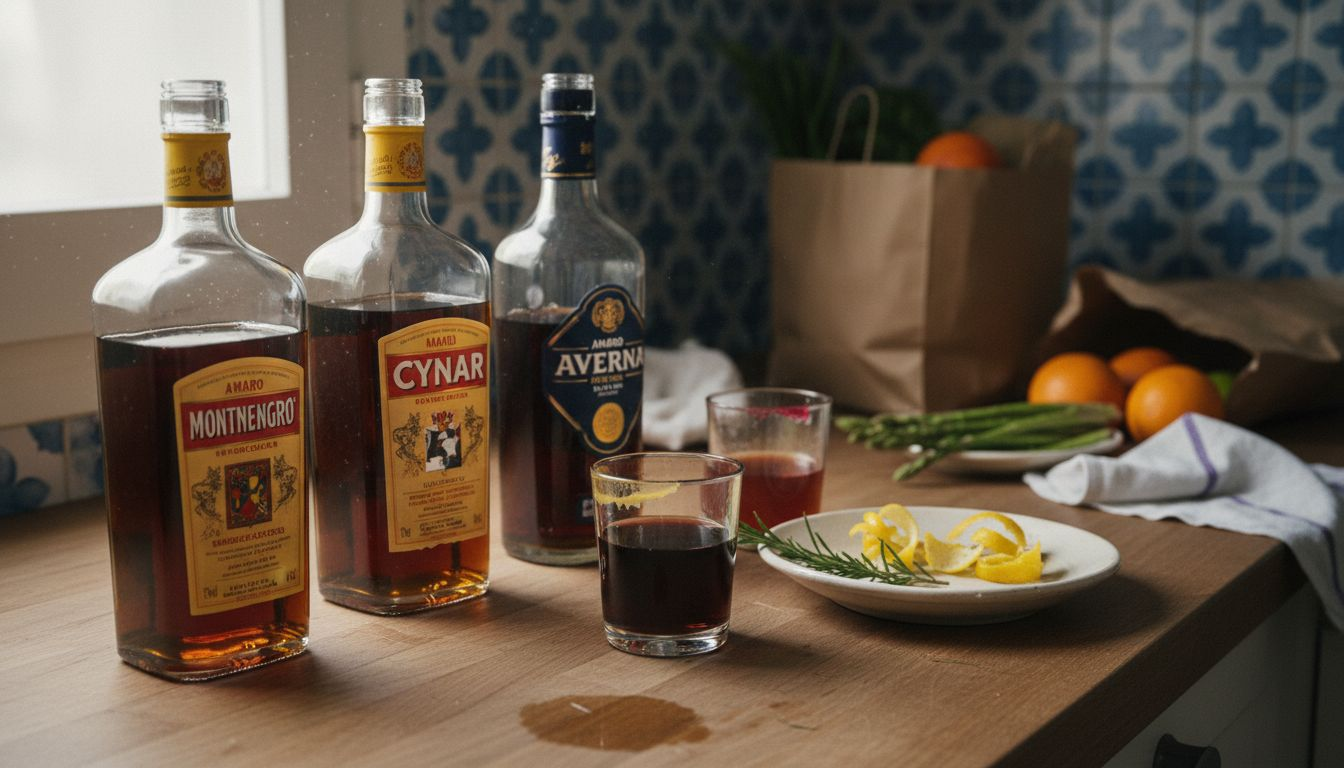
The landscape of the best Italian artisanal amari features iconic labels that represent national production excellence. Knowing the distinctive characteristics of each facilitates the choice based on personal tastes and intended use.
Amaro Averna
Originating in Sicily, it stands out for a balanced sweet-bitter profile with notes of citrus and Mediterranean spices. Its 29% vol. alcohol content makes it versatile both neat and in cocktails. It represents an excellent introductory choice for those exploring the world of amari, thanks to its aromatic accessibility. Its affordable price positions it as a quality everyday option.
Amaro Ramazzotti
With a Milanese recipe from 1815, it combines 33 herbs and roots into a complex and enveloping bouquet. Notes of bitter orange and rhubarb create aromatic depth appreciated both as a digestivo and a base for classic cocktails. The 30% vol. alcohol content ensures structure and persistence. It represents a timeless classic of Italian liqueur heritage.
Amaro Montenegro
Defined as “the taste of life,” it offers a balanced aroma with 40 selected botanical ingredients. Natural sweetness blends with refined bitter notes, creating an elegant sensory experience. Ideal served cold as a digestivo or in sophisticated cocktails. The brand's communication emphasizes Italian identity and conviviality.
Il Cattivo
An intense amaro characterized by pronounced bitterness and aromatic complexity intended for experienced palates. Selected botanical ingredients create a decisive profile with dominant herbaceous and spicy notes. It represents a choice for connoisseurs seeking distinctive and memorable tasting experiences. Limited artisanal production enhances its exclusivity.
Amaro Lucano
With over 120 years of history, it maintains high quality standards through artisanal production faithful to the original recipe. Lucanian herbs confer a unique territorial character, with a balance between sweetness and bitterness. Its versatility makes it suitable for both neat consumption and creative mixing. The connection with Lucanian tradition represents added cultural value.
Amaro comparison: aromas, price, and recipes
Direct comparison between different labels highlights significant differences that guide the choice based on specific needs. Analyzing aromas, ingredients, and economic positioning facilitates informed purchasing decisions.
Aromatic differences and botanical ingredients
Averna favors Sicilian citrus and sweet spices, resulting in a softer and more immediate profile. Ramazzotti emphasizes rhubarb and cinchona, creating greater complexity and depth. Montenegro balances sweetness and bitterness through an articulated blend of 40 botanicals. Il Cattivo focuses on intense bitter herbs for evolved palates. The geographical origin of the ingredients determines distinctive territorial characteristics.
Price ranges and positioning
| Amaro | Price Range | Characteristics | Recommended Use |
|---|---|---|---|
| Averna | 15-20 euros | Balanced sweet-bitter, accessible | Novices, daily consumption |
| Ramazzotti | 18-23 euros | Complex, aromatic | Versatile: digestivo and cocktails |
| Montenegro | 20-25 euros | Refined, balanced | Special occasions, tasting |
| Il Cattivo | 25-35 euros | Intense, for experts | Collection, evolved palates |
| Lucano | 17-22 euros | Traditional, territorial | Regular use, cultural appreciation |
Limited editions achieve increases of 40% compared to standard versions, justified by rare ingredients or special aging. Consider your available budget and expected frequency of use when making your selection.
Versatility in cocktails and recipes
Ramazzotti and Montenegro excel as bases for classic Italian cocktails such as Negroni Sbagliato or Americano. Averna lends itself to sweeter, fruitier mixes, suitable for palates less accustomed to bitterness. Il Cattivo requires careful balancing in complex cocktails intended for connoisseurs. Lucano maintains its character in traditional Lucanian mixes. Evaluate the primary intended use to guide your choice among the best amari available.
Pro Tip: Purchase smaller bottles to test different aromatic profiles before investing in standard sizes, thereby optimizing the balance between exploration and expenditure.
How to integrate Italian amari into your tasting and collection experience
Maximizing the value of Italian amari requires attention to serving methods, storage, and contextual use. Following correct practices enhances organoleptic qualities and preserves the investment over time.
-
Post-meal digestivo: Choose amari with an alcohol content of 28-32% vol. and a balanced profile to aid digestion without heaviness. Serve at room temperature or slightly chilled in tumbler glasses.
-
Pre-meal aperitif: Opt for less intense and more aromatic variations, served with ice and a citrus peel to stimulate the appetite. A lower alcohol content is appropriate.
-
Cocktail base: Prioritize amari with a distinctive but balanced character, capable of harmoniously integrating with other ingredients without dominating the composition.
-
Pure tasting: Reserve the most prized and complex labels for dedicated moments, serving at controlled temperature in appropriate glasses that enhance the aromas.
Collection criteria
Artisanal spirits enthusiasts consider several factors when building a significant collection. Limited editions offer added value for rarity and unique, irreplicable characteristics. The producer's history and international awards increase collectible interest. Bottles with distinctive design and cultural storytelling enrich the aesthetic dimension of the collection. Document provenance, purchase date, and specific characteristics to enhance the accumulated heritage.
Optimal storage and service
Keep bottles upright, away from direct light and excessive heat. The ideal storage temperature is between 15°C and 20°C. Once opened, consume within 12-18 months to preserve aromatic freshness. Serve amari between 10°C and 18°C depending on intensity: lower temperatures mitigate perceived bitterness. Use clean, odorless glasses to avoid altering organoleptic characteristics.
Cultural experiences and deeper understanding
Exploring Italian amari means connecting with regional traditions and centuries-old production stories. Participate in guided tastings to develop sensitivity to aromatic nuances. Deepen your knowledge of the botanicals used and production techniques. Share discoveries with other enthusiasts to enrich your personal perspective. The cultural approach transforms consumption into a valuable educational and social experience.
Summary and practical tips for choosing the perfect Italian amaro
Synthesizing the collected information facilitates targeted purchasing decisions based on personal profile and specific objectives. Consider these conclusive elements to guide you among the best Italian amari available.
Comparative summary table
| Criterion | For novices | For regular consumers | For collectors |
|---|---|---|---|
| Aromatic profile | Balanced sweet-bitter | Complex and versatile | Intense and distinctive |
| Price range | 15-22 euros | 20-28 euros | 30+ euros |
| Recommended examples | Averna, Montenegro | Ramazzotti, Lucano | Il Cattivo, limited editions |
| Priority | Gustatory accessibility | Value for money | Uniqueness and history |
Recommendations for specific profiles
Those new to amari should start with balanced labels like Averna or Montenegro, characterized by natural sweetness that mitigates bitterness. The moderate alcohol content facilitates a gradual approach. Experienced consumers appreciate the complexity of Ramazzotti or the territoriality of Lucano, suitable for both neat consumption and creative mixing. Collectors seek limited productions, bottles with distinctive storytelling, and international awards that certify their excellence.
Final purchasing tips
Always favor producers with documented history and transparency regarding the ingredients used. Check for awards or recognitions that attest to the quality acknowledged by industry experts. Consider the intended versatility of use: an amaro for daily consumption requires different characteristics than one intended for special occasions. Gradually explore different types to identify personal preferences before investing in premium bottles. Acquired knowledge transforms purchasing into a conscious and satisfying choice.
Discover Mezzanotte's selection of artisanal spirits
Now that you know the criteria for selecting quality Italian amari, explore the curated collection of artisanal spirits available on Mezzanotte.shop. You will find distinctive distillates with strong cultural identity and engaging storytelling, perfect for enriching your tasting experience.

Beyond amari, discover artisanal gin and artisanal vodka inspired by unique cultural themes. Each product represents the encounter between Italian artisanal tradition and contemporary creativity. The selection favors quality certified by international awards and producers with proven experience. Consciously purchase spirits that tell authentic stories and offer memorable sensory experiences.
Frequently asked questions about the best Italian amari
How to recognize a quality Italian artisanal amaro?
Check for the use of natural botanical ingredients clearly listed on the label, avoiding products with artificial flavors. Research information about the producer to confirm production tradition and awards obtained in specialized competitions. An authentic artisanal amaro presents a stratified aromatic complexity and a balance between sweet and bitter components.
What are the most common uses of Italian amari?
Amaros excel as digestifs served after meals to aid digestion, thanks to the properties of the herbs used. They represent versatile bases for classic Italian cocktails such as Negroni, Americano, or Milano-Torino. Some enthusiasts collect them for their historical value, distinctive bottle design, or rare limited editions.
How to best store an amaro for tasting or collecting?
Keep bottles upright away from direct light and heat sources, ideally between 15°C and 20°C. Once opened, consume within 12-18 months to preserve optimal aromatic freshness. For sealed collector bottles, a dark environment and stable temperature guarantee prolonged conservation without quality deterioration.
Are Italian amaros suitable for cocktails?
Absolutely, many amaros are fundamental ingredients in classic international cocktails. Ramazzotti and Montenegro offer excellent versatility in balanced mixes. Choose amaros with a distinctive but not dominant aromatic profile to integrate them harmoniously with other ingredients. Experiment with different proportions to find your preferred balance.
What criteria should beginners follow when choosing an amaro?
Prioritize amaros with a balanced sweet-bitter profile like Averna or Montenegro, which are accessible without being intimidating. Opt for moderate alcohol content between 25% and 30% vol. for a gradual approach. Start by serving them slightly chilled or with ice to mitigate perceived bitterness. Progressively explore more intense variations as your palate adapts to the genre's characteristics.
Recommendation
- Italian Craft Amaros: 30% Growth Since 2023 – Mezzanotte | Distilleria & Spirits
- Discover the Best Italian Bitter Liqueurs: An Unmissable 2026 Selection – Mezzanotte | Distilleria & Spirits
- Best Italian Amaro: A Guide to Excellence 2026 – Mezzanotte | Distilleria & Spirits
- Discover the 8 Best Italian Liqueurs to Try in 2026 – Mezzanotte | Distilleria & Spirits