

Master the tasting of legendary gin with this expert guide: ideal temperature, advanced sensory techniques, and mistakes to avoid for an authentic experience.
How to Taste a Legendary Gin: Expert Guide 2026
Mar 7, 2026

Tasting a mythical gin requires much more than just a sip. The subtle aromas, rare botanicals, and fascinating history surrounding each bottle demand a methodical approach to reveal all their sensory dimensions. This guide will teach you how to prepare your space, master expert techniques, and avoid common mistakes that mask the aromatic complexity of these exceptional artisanal spirits.
Table of Contents
- Introduction to Mythical Gin
- Preparing Your Tasting Space
- Tasting Steps
- Advanced Sensory Techniques
- Mistakes to Avoid for a Successful Tasting
- Preparation and Storage of Mythical Gin
- The Importance of History and Context
- Conclusion and Expected Results
- Discover Our Selection of Mythical Artisanal Gin
- Frequently Asked Questions
Key Takeaways
| Point | Details |
|---|---|
| Ideal Temperature | Maintain between 12°C and 15°C to fully reveal aromas without altering taste. |
| Glass Choice | Using a clean tulip glass concentrates scents towards the nose and enhances olfactory perception. |
| Recommended Duration | Devoting 10 to 15 minutes allows for identification of all evolving aromatic nuances. |
| Historical Context | Integrating mythological history significantly enriches the sensory and emotional experience. |
| Common Mistakes | Avoid tasting too cold, adding sugar, and rushing, which mask subtleties. |
Introduction to Mythical Gin
Mythical gin is distinguished by its meticulous artisanal production and its deep roots in cultural or mythological narratives. Unlike standardized industrial gins, these spirits tell a story through each carefully selected ingredient. Artisanal distillers draw on ancestral traditions, local legends, or mythological references to create unique aromatic profiles.
The concept of mythical gin rests on three fundamental pillars. Firstly, artisanal origin guarantees meticulous attention to detail and superior quality. Secondly, the connection to mythological or cultural stories transforms each tasting into a narrative journey. Thirdly, the use of rare and local botanicals creates aromatic signatures impossible to replicate on a large scale.
Understanding this cultural dimension allows for a full appreciation of distillation choices. Every technical decision, from the choice of botanicals to the maceration time, reflects a coherent artistic vision. History is not just marketing; it truly influences sensory and emotional perception during tasting. To master the art of tasting, one must first recognize this narrative dimension.
Mythical gins often incorporate symbolic ingredients linked to the stories they embody. A gin inspired by Greek mythology might use Chios mastic, while a spirit celebrating Norse legends would include arctic berries. These botanical choices tell a sensory story consistent with the cultural narrative of the product.
Preparing Your Tasting Space
The quality of your environment directly influences your ability to perceive aromatic nuances. A well-prepared space eliminates sensory distractions and maximizes focus on the spirit. Start by choosing a quiet room, away from interfering odors such as perfumes, candles, or strong foods.
Room temperature plays a critical role in the expression of aromas. Maintaining it between 12°C and 15°C allows the full aromatic complexity to be revealed without numbing the taste buds. A temperature that is too cold masks subtle notes, while excessive heat only brings out the alcohol. Use a thermometer to check your gin's temperature before starting.
The choice of glass determines the intensity of your olfactory experience. The tulip glass concentrates volatile compounds towards your nose thanks to its flared then narrowed shape. Its wide base allows for liquid aeration, while the narrow opening channels aromas. Avoid wide cocktail glasses that disperse scents into the ambient air.

Absolute cleanliness of glasses remains non-negotiable. Wash each glass with hot water without scented soap, then rinse thoroughly. Dry with a clean microfiber cloth to avoid any residue. Traces of detergent or residual odors completely distort aromatic perception. To appreciate how valued local botanicals influence taste profiles, an immaculate glass is essential.
Natural lighting helps to observe the gin's color and clarity. Place a white background behind your glass to better appreciate the chromatic nuances. Make sure you have still water at room temperature to cleanse your palate between tastings.
Tasting Steps
A structured tasting gradually reveals the different facets of mythical gin. Follow these steps in order to build a complete understanding of the spirit.
-
Visual Observation: Tilt the glass against a white background to examine the color and clarity. A mythical gin may exhibit slightly golden hues or coppery reflections depending on the botanicals used. Look for brilliance and the absence of suspended particles.
-
First Olfaction: Bring the glass to your nose without swirling the liquid. Inhale gently to identify dominant notes without saturating your olfactory receptors. Move the glass away, wait a few seconds, then sniff again to capture secondary aromas.
-
Optional Aeration: Add a few drops of still water or a fresh citrus zest to release essential oils. Let it rest for 20 to 30 seconds to allow aromatic compounds to diffuse. This step often reveals hidden notes beneath the initial alcohol.
-
Progressive Tasting: Take a small sip and let the liquid spread across your entire tongue. Identify the initial notes, then the flavors that develop in the mid-palate. Swallow slowly and focus on the aromatic persistence in retro-olfaction.
-
Temporal Observation: Wait 10 to 15 minutes to capture the full evolution of aromas in the glass. Some mythical gins reveal surprising tertiary notes after a few minutes of aeration. Take notes to remember your sensory impressions.
Pro Tip: Inhale through your mouth after swallowing the gin to amplify retro-olfaction. This technique projects aromas towards your nasal cavity and reveals nuances imperceptible during simple tasting. To delve deeper into these sensory tasting tips, practice this method regularly.
Advanced Sensory Techniques
Experienced tasters use specific techniques to amplify their aromatic perception. Adding citrus zests releases volatile compounds that interact with the gin's botanicals. Lightly squeeze a lemon, grapefruit, or orange zest over the glass to extract essential oils. These oils float on the surface and subtly modify the aromatic profile.
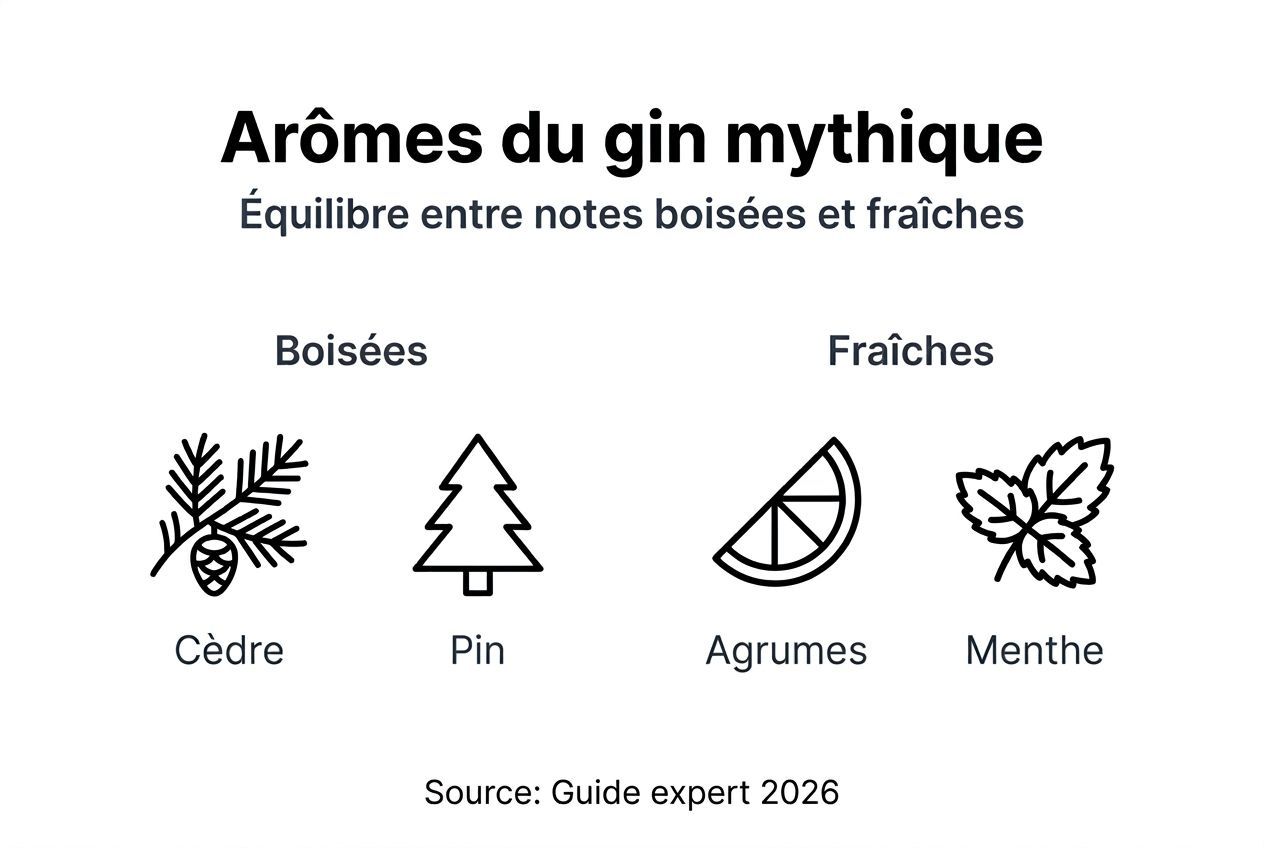
The balance between woody, spicy, and fresh notes constitutes the signature of a successful mythical gin. Woody notes often come from juniper, while spices like cardamom or coriander add complexity. Citrus and fresh herbs balance these elements with liveliness. Identify each aromatic layer separately before appreciating their overall harmony.
The optimal aeration time varies depending on the gin. Start with 20 to 30 seconds after pouring the spirit. Observe how the aromas evolve every 2 to 3 minutes. Some mythical gins require up to 5 minutes to reveal their full complexity. To understand how botanicals and active polyphenols influence this evolution, study your gin's composition.
| Condition | Dominant Aromatic Profile | Perceived Intensity |
|---|---|---|
| Without zest | Juniper, woody notes | Medium to strong |
| With lemon | Lemon freshness, lightness | Strong to very strong |
| With orange | Sweetness, aromatic roundness | Medium to strong |
| With grapefruit | Subtle bitterness, liveliness | Strong |
Pro Tip: Test several citrus varieties in separate sessions to discover which combination enhances your favorite mythical gin. Note your observations to create your own personal tasting reference.
Mistakes to Avoid for a Successful Tasting
Several common mistakes compromise the tasting experience and mask the qualities of mythical gin. Tasting too cold is the most frequent error. A gin straight from the freezer numbs the taste buds and completely negates the perception of subtle aromas. Always respect the ideal temperature range between 12°C and 15°C.
Adding sugar, tonic, or other ingredients before pure tasting irrevocably alters your sensory perception. Always taste the gin neat first to understand its natural profile. You can then experiment with accompaniments, but only after having captured the spirit's original essence.
Neglecting thorough cleaning of glasses causes olfactory contamination that completely distorts the analysis. Detergent residues, traces from previous tastings, or simply dust interfere with delicate aromas. Always rinse thoroughly and dry with a clean cloth dedicated solely to this purpose.
Rushing the tasting prevents a complete observation of evolving nuances. Allow at least 10 to 15 minutes per gin to capture all aromatic dimensions. Mythical gins often reveal their best qualities after several minutes of aeration.
Ignoring the history and cultural context of gin significantly reduces the richness of the sensory and emotional experience.
To avoid these common pitfalls, consult a complete tasting guide that details best practices for different styles of artisanal gins.
Preparation and Storage of Mythical Gin
Proper storage preserves the aromatic qualities of mythical gin over the long term. Always store bottles vertically in a cool, dark place. Direct light, particularly UV rays, gradually degrades delicate aromatic compounds and alters the spirit's color.
The ideal storage temperature is between 15°C and 20°C. Avoid abrupt thermal variations that can cause liquid expansion and contraction, promoting oxidation. A closed cupboard away from heat sources like radiators or household appliances is perfectly suitable.
Once opened, a bottle of mythical gin retains its optimal qualities for about 3 years. Gradual oxidation slowly modifies the aromatic profile after opening. Always reseal the stopper tightly immediately after use to minimize contact with oxygen. If possible, transfer the gin to a smaller bottle when the level drops below half to reduce air space.
The impact of storage on taste quality becomes noticeable after several months of excessive oxidation. Fresh notes fade first, followed by a general decrease in aromatic intensity. A well-preserved gin maintains its complexity and vibrancy much longer. To understand how the origin of ingredients influences aromatic stability, research the provenance of the botanicals.
Note the opening date on the label to track the spirit's evolution. Some tasters compare the same gin at different stages of preservation to observe natural aromatic transformations.
The Importance of History and Context
Mythological storytelling deeply enriches the tasting experience by creating an emotional connection with the spirit. The cultural narratives associated with gin activate mental associations that directly influence sensory perception. A gin inspired by Norse legends will evoke icy landscapes and warm spices, preparing your mind to recognize these notes.
Authentic storytelling significantly increases the perception of quality. 67% of enthusiasts prefer a gin with a strong mythological storytelling that is consistent with its aromatic profile. This preference goes beyond mere marketing; it reflects a deep desire for cultural connection and an immersive experience.
Artisanal distillers who anchor their creations in true stories add an extra dimension to tasting. Every sip becomes a chapter in the story being told. Botanical choices take on new meaning when understood as narrative symbols rather than mere technical ingredients.
To maximize your appreciation, educate yourself on the mythological origin of the gin before tasting. Read associated legends, discover cultural symbols integrated into the bottle's design, and understand why certain botanicals were chosen. This intellectual preparation considerably enriches your sensory experience by creating bridges between flavors and meanings.
Key figure: Artisanal gins with an authentic mythological history benefit from a better perception of quality and authenticity among 67% of passionate consumers surveyed in a recent study.
The culture of mythical gin transforms simple consumption into cultural exploration. Each tasting becomes an opportunity to learn, to travel mentally, and to connect with ancestral traditions reinterpreted by contemporary artisans.
Conclusion and Expected Results
By rigorously applying these tasting techniques, you will develop an increased sensitivity to the fine and subtle aromas of mythical gins. Your palate will gradually refine to identify notes you previously did not perceive. This sensory progression transforms each tasting into an enriching discovery.
The overall experience is significantly enhanced when you combine tasting technique with cultural knowledge. The aromatic, visual, and narrative dimensions merge to create a moment of complete pleasure. You will appreciate not only the taste but also the history, artisanal craftsmanship, and creative vision behind each bottle.
Enhanced cultural appreciation allows you to contextualize each gin within its mythological and technical universe. You will understand why certain botanical combinations work harmoniously and how distillers translate abstract concepts into concrete flavor profiles. This deep understanding transforms the passive consumer into an enlightened taster.
Regularly experiment with different mythical gins to continuously refine your palate. Each tasting builds your personal reference and hones your preferences. Document your impressions, compare your notes over time, and share your discoveries with other enthusiasts to mutually enrich your experiences.
Discover Our Selection of Mythical Artisan Gin
After mastering these expert tasting techniques, extend your sensory journey with our exclusive collection of Italian artisan gins at Mezzanotte. Each spirit tells an authentic mythological story through carefully selected rare botanicals.

Our partner distillers draw inspiration from Italian legends and pop culture to create unique aromatic profiles impossible to replicate industrially. From local botanicals to traditional distillation techniques, each bottle embodies the artisanal excellence you have learned to recognize. Also explore our range of Italian artisan vodkas to diversify your tasting experiences while maintaining the standards of quality and cultural authenticity you seek.
Frequently Asked Questions
What are the criteria for recognizing a mythical gin?
A mythical gin combines verifiable artisanal origin, authentic cultural history or legend attached to the product, and unique botanical ingredients creating a distinctive aromatic profile. The consistency between narrative and technical distillation choices confirms authenticity. These elements together create a sensory and cultural experience impossible to replicate industrially.
How to choose the ideal glass for tasting?
The tulip glass remains the optimal choice because its shape effectively concentrates volatile aromas towards your nose. The narrowed opening channels the aromatic compounds, while the widened base allows for progressive aeration of the liquid. Its design promotes maximum capture of olfactory subtleties while offering a comfortable grip. To delve deeper into these techniques, consult our complete gin tasting guide.
Why is it important to maintain the temperature between 12°C and 15°C?
A temperature that is too low numbs the taste buds and completely masks the delicate aromas of the mythical gin. The ideal range between 12°C and 15°C allows for the optimal expression of complex aromatic notes without the alcohol dominating the perception. This thermal compromise reveals the full personality of the spirit while preserving the sensory sensitivity necessary for a detailed analysis.
Recommendation
- Gin Tasting Guide 2026: Mastering the Art of Tasting – Mezzanotte | Distillery & Spirits
- 6 Best Gin-Based Cocktails to Discover – Mezzanotte | Distillery & Spirits
- Collector's Gin 2026: Complete Guide for 90% More Accuracy – Mezzanotte | Distillery & Spirits
- Understanding London Dry Gin: Complete Guide 2026 – Mezzanotte | Distillery & Spirits