

Discover how to store homemade liqueurs and preserve their quality. Follow our guide to keep aromas and flavors intact in every sip.
How to store artisan liqueurs and preserve their quality
Apr 26, 2026

TL;DR:
- Proper storage protects the aroma, color, and history of craft spirits.
- Liqueurs should be stored upright, away from light, and at appropriate temperatures.
- Labeling and monitoring aging time enhances the liqueur and ensures its quality over time.
You spent weeks selecting the right herbs, balancing the sugars, and finding the perfect distillate. Then, a few months later, you open that special bottle and something feels off: the aroma is flat, the color faded, the complexity gone. This happens more often than you think, and almost always, the recipe isn't to blame. It's the storage. Every craft liqueur carries a story, a region, a precise hand. Storing it incorrectly means erasing all of this. This guide shows you, step by step, how to protect each bottle and ensure that every sip still tells its story.
Table of Contents
- What you need to store craft liqueurs correctly
- Practical steps for storing every type of craft liqueur
- Labeling, dating, and resting: how to enhance your creation
- Common mistakes to avoid and quality control
- Our perspective: storage is storytelling
- Where to find the best Italian craft liqueurs
- Frequently asked questions about storing craft liqueurs
Key Points
| Point | Details |
|---|---|
| Upright position | Craft liqueurs are best stored upright, not on their side like wine. |
| Protection from light | Light is the worst enemy: choose dark bottles or protective coverings. |
| Variable shelf life | Shelf life depends on the type of liqueur: clear ones up to 2 years, creamy ones only a few months. |
| Importance of labeling | Always label with bottling date and recipe to enhance the bottle's value. |
| Quality control | Follow an odor, color, and clarity checklist before consumption. |
What you need to store craft liqueurs correctly
Now that you know the value of proper storage, let's see what you need to get started.
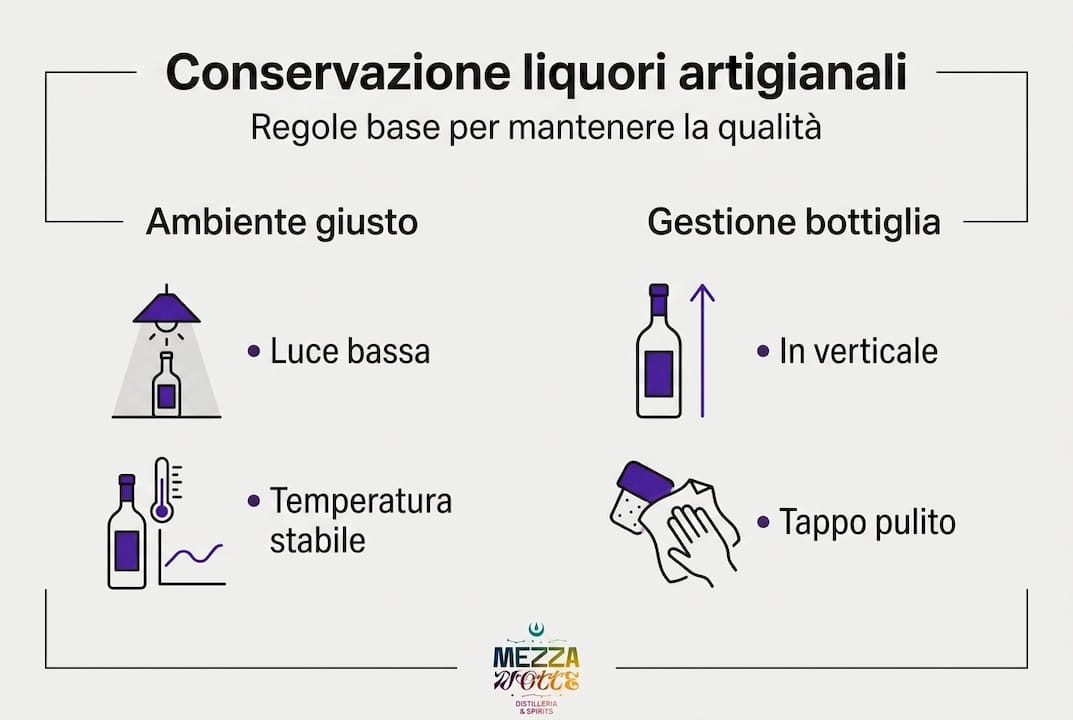
The first thing to know is simple but often overlooked: craft liqueurs should be stored upright, unlike wine. Keeping a bottle on its side exposes the cork to prolonged contact with the liquid, accelerating the deterioration of the cork or silicone and allowing oxygen to infiltrate. The result is premature oxidation that irreversibly alters aromas and flavors.
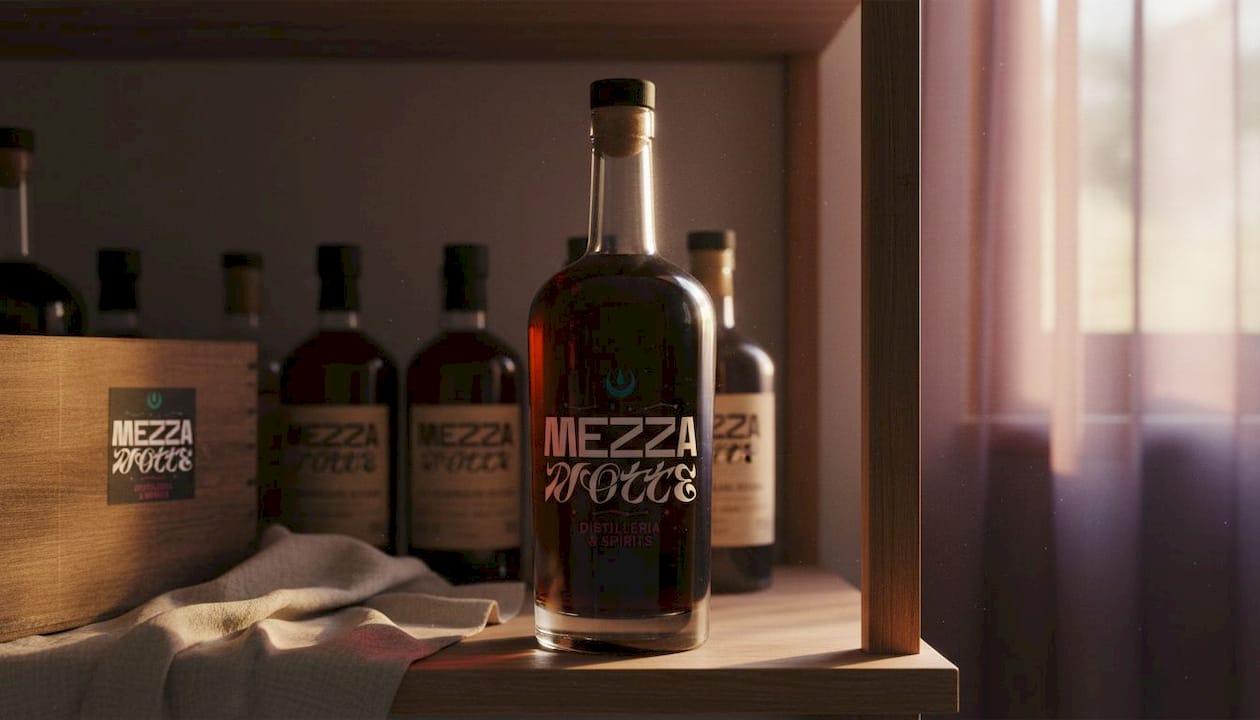
The second enemy is light. UV light alters the aromas, color, and chemical composition of liqueurs, especially those made with herbs, fruits, or spices. Just a few weeks of direct exposure can compromise months of work. Always choose a dark or covered place, away from windows and artificial heat sources.
Useful tools and materials
Here is a list of tools every enthusiast should have:
- Dark glass bottles (amber or green): naturally filter UV rays
- Aluminum foil or opaque bags: useful for transparent bottles already purchased
- Cellar thermometer: to monitor the ambient storage temperature
- Moisture-resistant adhesive labels: for noting date, type, and aromatic notes
- Replacement airtight stoppers: essential if the original stopper deteriorates
- Wooden crates or insulated boxes: protect against sudden temperature changes
Understanding craft distillation techniques also helps to understand why certain liqueurs are more sensitive to light and heat than others.
Ideal temperature by type
| Liqueur Type | Ideal Temperature | Refrigerator Needed? |
|---|---|---|
| Clear Liqueurs (gin, vodka) | 15 to 20 °C | No |
| Bitters and Amari | 14 to 18 °C | No |
| Cream Liqueurs | 2 to 6 °C | Yes |
| Fruit-based infusions | 12 to 16 °C | Optional |
| High-proof Liqueurs (>40%) | 15 to 20 °C | No |
For creamy liqueurs, such as those made with cream or eggs, refrigeration is mandatory. For all others, a cool, dark environment is sufficient. The gin storage guide elaborates on specifics for botanical spirits.
Pro Tip: If you don't have a cellar, use the inside of a closet away from radiators and windows. Even a thick cardboard box in a cool corner of the house can make a difference compared to an exposed shelf.
It's also worth noting that protecting artisanal recipes is an increasingly relevant legal aspect for amateur and professional producers, especially when it comes to liqueurs with typical ingredients or geographical denominations.
Practical steps for storing every type of craft liqueur
After gathering everything you need, it's time to apply the specific storage rules for each liqueur.
Not all craft liqueurs behave the same way over time. The main variable is the alcohol content: the higher it is, the longer the liqueur will keep because alcohol acts as a natural preservative. But there are many other differences to consider.
How to store clear liqueurs
Clear liqueurs, such as craft gins and botanical vodkas, are relatively stable. However, the botanical aromas present in many gins are sensitive to light and heat. Follow these steps:
- Store upright in a dark, cool place
- Use dark glass bottles if possible, or wrap transparent ones with aluminum foil
- After opening, consume within 12 months to preserve botanical aromas
- Keep the cap tightly closed after each use, even if the bottle is almost full
How to store amari and bitters
Amari are among the longest-lasting craft liqueurs thanks to the combination of alcohol, sugar, and vegetable tannins. The history of Italian amari is rich with examples of bottles that improve with age, just like a good structured red wine.
- Store away from light, preferably in a cellar or cupboard
- Avoid temperature fluctuations greater than 5 °C between day and night
- After opening, consume within 18 months to enjoy maximum complexity
- Observe the color over time: a quality amaro maintains its deep hue
How to store cream liqueurs
Here the rules change dramatically. Cream liqueurs require refrigeration and should be consumed within weeks or at most 3 to 6 months after production. Cream and eggs are perishable ingredients that no alcohol content can fully stabilize long-term.
Comparative table: shelf life by type
| Type | Unopened Shelf Life | After Opening | Notes |
|---|---|---|---|
| Limoncello and citrus liqueurs | 1 to 2 years | 6 months | Refrigerate after opening |
| Amari and bitters | Up to 5 years | 18 to 24 months | Improve with age |
| Fruit-based infusions | 1 to 2 years | 6 to 12 months | Depends on alcohol content |
| Cream liqueurs | 6 months | 3 to 6 months | Always refrigerated |
| Craft gins and vodkas | 2 to 3 years | 12 months | Away from light |
The guide to flavored liqueurs offers further details on the aromatic differences that emerge with prolonged storage. Even stories about Italian spirits show how historical producers have developed specific aging techniques for each category.
It's interesting to note that the differences between PDO and PGI also influence the recommended storage methods for certain certified liqueurs, as production specifications often include precise instructions on storage.
Pro Tip: To recognize a deteriorated liqueur, trust your nose first. A sour, moldy, or wet cardboard smell is a clear sign. Then observe the color: if it has become unexpectedly cloudy or has lost intensity, it's best not to risk it.
Labeling, dating, and resting: how to enhance your creation
Once you've implemented the storage steps, the next step is to enhance and monitor your craft liqueurs.
Many enthusiasts focus on the recipe and forget everything that comes after bottling. Yet, this phase is as crucial as the production itself. A craft liqueur without a label is like a book without a cover: it exists, but it tells nothing.
Why label every bottle
Labeling with the bottling date is the first step to monitoring maturation and knowing exactly when to consume each bottle. Post-bottling stabilization takes two weeks to a month: during this period, aromas settle, components integrate, and the liqueur reaches its definitive balance.
Follow these steps for professional labeling:
- Always write the bottling date legibly, with an indelible pen or printed label
- Indicate the precise name of the liqueur (e.g., "Alpine Herb Amaro," "Sorrento Limoncello")
- Note the calculated alcohol content, useful for estimating shelf life and storage conditions
- Add a note on the main ingredients or the technique used, especially for seasonal variations
- Include the bottle number if you produced a limited batch, to track aromatic progression over time
“Every carefully labeled bottle is a living archive. Not only does it tell you what's inside, but it reminds you who you were when you created it.”
The value of post-bottling resting
This aspect is often underestimated. After bottling, the liqueur goes through a phase of controlled micro-oxidation that rounds out harsh edges and better integrates aromatic components. Opening a bottle too early means losing this evolution.
For collectors, labeling becomes even more important. The guide to collecting spirits shows how serious collectors keep detailed records for each bottle, with tasting notes updated over time. This approach transforms the cellar into a true sensory archive.
The history of Italian spirits teaches that large distilleries have always kept precise records: not for bureaucracy, but because they knew that memory is part of the product's value. Even for those who produce at home, noting the recipe or the name of the artisan who contributed to the creation adds real sentimental value.
The certified quality of liqueurs also comes through accurate documentation, and this principle applies equally to large producers and those who bottle at home.
Pro Tip: Create a technical sheet for each batch, even if it's just on a laminated piece of paper attached to the bottle. Note: date, ingredients, estimated alcohol content, nose and palate notes at the time of bottling. Re-reading it after six months will give you valuable information about the product's evolution.
Common mistakes to avoid and quality control
To prevent small errors from compromising months of craft work, let's now delve into the most common risks.
In storing craft liqueurs, it's often not ignorance that causes damage, but automatic habits. We treat liqueurs as we treat water or fruit juice, without thinking about their specificities. Here are the most frequent mistakes and how to avoid them.
Mistakes never to make
- Leaving bottles in direct light: light is the main enemy for craft liqueurs, more than time itself. A bottle exposed to the sun for a few weeks can lose aromas that took months to develop.
- Storing bottles on their side like wine: prolonged contact between high-proof liquid and the cork accelerates the deterioration of the sealing material.
- Using deteriorated or poorly airtight stoppers: even a small air infiltration is enough to initiate irreversible oxidation.
- Storing near heat sources: stoves, ovens, refrigerators (on the outside), and even strong lamps alter the temperature and accelerate internal chemical reactions.
- Forgetting open bottles for months: each opening introduces oxygen. After each use, close immediately and airtight.
- Ignoring signs of deterioration: dull or unexpectedly cloudy color, sour or stale odor, flat or altered taste are all warning signs.
How to recognize a liqueur that is still of quality
A good craft liqueur stored correctly maintains these characteristics over time:
- Color: vibrant and uniform, without abnormal deposits (unless specified by the recipe)
- Scent: recognizable and consistent with the original ingredients, without acidic or stale notes
- Clarity: transparent or with the expected turbidity, never with unexpected floating particles
- Taste: balanced, with sweetness and bitterness in the right proportion
It's worth remembering that alcohol over 20% vol acts as a natural preservative along with sugars, which means that high-proof spirits forgive minor storage inaccuracies better than lighter ones.
The tasting of Italian spirits is also a quality control tool: learning to taste methodically allows you to immediately recognize when something is wrong, before deterioration is complete.
Our point of view: preservation is storytelling
There's something technical guides never say clearly enough: preserving a craft liquor isn't just a matter of chemistry or temperature. It's a cultural act. Every bottle you carefully protect carries within it a territory, a season, a hand that chose those herbs and no others.
We believe that choosing craft spirits also means taking responsibility for storing them correctly. A poorly preserved liquor isn't just a ruined product: it's an interrupted story.
The real difference between an enthusiast and a mere consumer lies precisely here. Those who truly love craft spirits know that every bottle is a living object, evolving over time and deserving continuous attention. It's not paranoia: it's respect. Respect for the distiller, for those who cultivated the ingredients, for the tradition that bottle represents.
Proper storage is the simplest and most tangible way to honor all of this. And when you open that bottle after months of waiting and still feel every note in its place, you understand why it's worth it.
Where to find the best Italian craft liqueurs
If you've read this far, you already know how to protect every bottle. Now only one thing is missing: having bottles that are truly worth preserving.

On Mezzanotte Spirits you will find a selection of Italian craft spirits with a precise aromatic identity and a story to tell. From the craft gin collection, with selected botanicals and unique sensory profiles, to the craft vodka collection, each product is designed for those who want to experience drinking as an authentic experience. Each bottle is accompanied by information on its origin and its aromas, so you can immediately apply the tips in this guide and store it in the best way. Discover the catalog and find your next spirit to cherish.
Frequently asked questions about the storage of craft liqueurs
How long does a homemade craft liqueur last?
On average it lasts 1 to 2 years unopened, but well-preserved craft amaros can last up to 5 years while maintaining excellent quality.
Is it necessary to keep all craft liqueurs in the fridge?
Only creamy liqueurs made with cream or eggs absolutely require refrigeration; for all others, a cool, dark place is sufficient.
Why is it important to label bottles and mark the date?
Labeling with the bottling date allows you to monitor maturation and consume each liqueur at the peak of its aromatic expression.
How do I know if a craft liqueur should be discarded?
Dull colors or unusual turbidity, altered odor, or the presence of mold are unmistakable signs: in these cases, it's best not to consume it and dispose of it correctly.
Recommendation
- Spirits Distillation Guide 2026: Avoid 40% Common Mistakes – Mezzanotte | Distillery & Spirits
- Does gin go in the fridge? Guide to best preservation – Mezzanotte | Distillery & Spirits
- Why choose craft spirits in 2026: unique quality – Mezzanotte | Distillery & Spirits
- Guide to flavored liqueurs: flavors, stories, and uses – Mezzanotte | Distillery & Spirits