

Discover what makes premium vodka stand out: raw materials, distillation, taste. Belvedere vs Grey Goose comparison, artisanal production and quality criteria 2026.
What makes a premium vodka? Quality 2026
Mar 12, 2026

Vodka is often considered a neutral alcohol without its own character, but premium vodkas prove otherwise. High-quality spirits in this category exhibit unique profiles through carefully selected raw materials, precise distillation techniques, and artisanal production. This article explains which factors differentiate premium vodka from standard products and why vodka fundamentals and alcohol content offer more than mere neutrality. You will learn how grain type, water source, and distillation shape the taste and what philosophies renowned brands pursue.
Table of Contents
- The Foundation: Raw Materials and Their Significance for Premium Vodka
- Distillation Techniques and Their Influence on Taste and Texture
- Premium Vodka Compared: Belvedere and Grey Goose
- Artisanal Production and the Role of Culture and Storytelling
- Discover Artisanal Premium Vodkas at Mezzanotte
- What Makes a Premium Vodka? Frequently Asked Questions
Key Insights
| Point | Details |
|---|---|
| Raw Material Quality | Premium vodka relies on selected grains and pure spring water, which define its taste and texture. |
| Distillation Technique | The number and type of distillation significantly influence purity, creaminess, and aromatic complexity. |
| Brand Philosophies | Belvedere focuses on quadruple distillation for a creamy texture, Grey Goose on single distillation for elegance. |
| Natural Flavors | Premium producers avoid additives and rely on terroir and artisanal methods. |
| Cultural Value | Storytelling, certifications, and design enhance the exclusivity of premium vodkas. |
The Foundation: Raw Materials and Their Significance for Premium Vodka
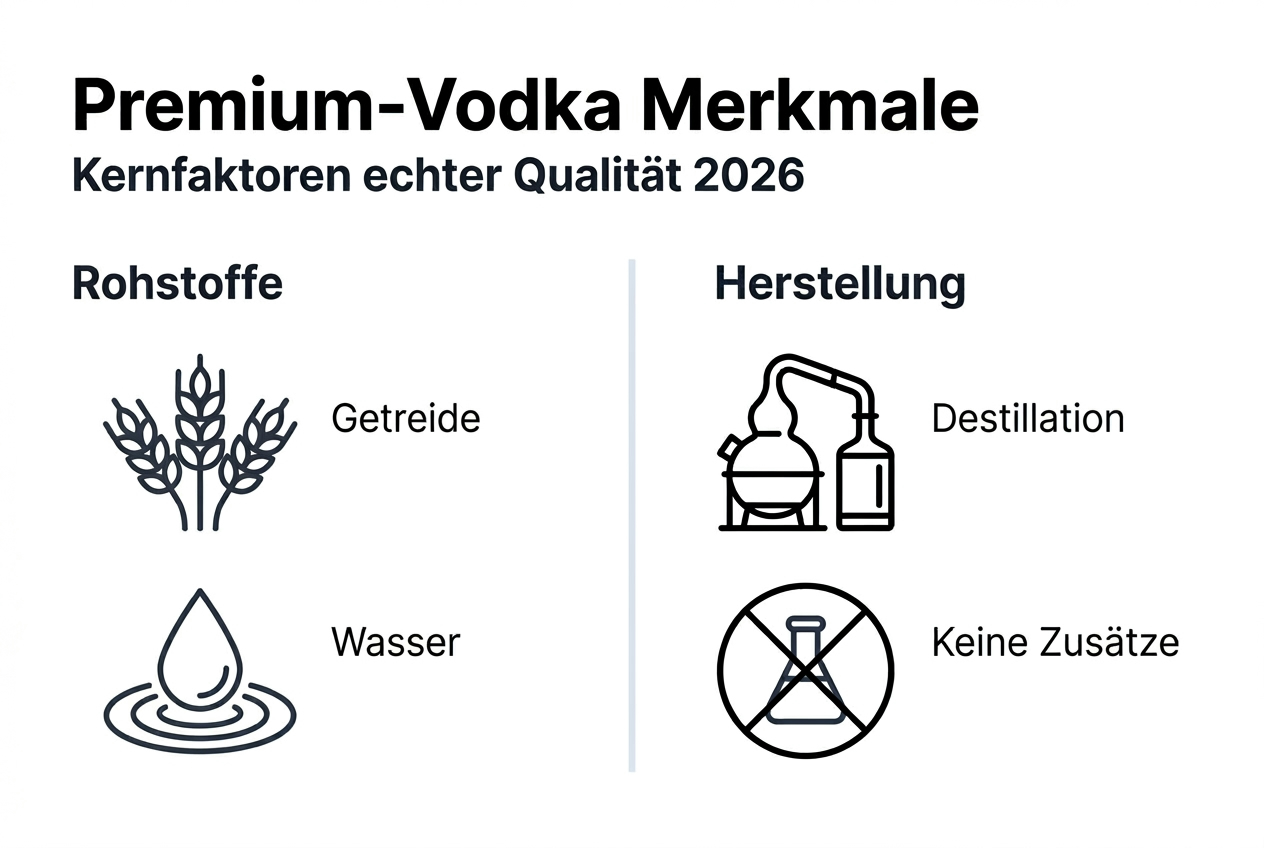
The quality of a premium vodka begins with its raw materials. High-quality grains like rye or wheat from specific growing regions form the base. Belvedere Vodka is made from 100% Polish rye from Mazowsze, while Grey Goose uses French winter wheat. These differences are not just marketing but fundamentally shape the character.
Water accounts for up to 60 percent of the finished vodka and directly influences purity and mouthfeel. Belvedere uses artesian water from Polish springs, which is naturally filtered and contains minerals. Such water sources contribute to the silky texture that characterizes premium vodkas. The production of Grey Goose shows how French spring filtration enhances elegance.
The type of grain determines the flavor profile:
- Rye produces spicy, peppery notes with a robust character
- Wheat delivers mild, slightly sweet aromas and a soft texture
- Potatoes offer a creamy mouthfeel with earthy undertones
- Barley brings bready, malty nuances
Premium vodkas completely forgo glycerin, sweeteners, or artificial flavors. The taste comes solely from raw materials and processing. This purity distinguishes premium from standard products, which often use additives for flavor correction.
Pro Tip: Pay attention to terroir information, similar to wine. Growing region, soil quality, and climate significantly influence grain aromas, making each premium vodka unique.
Distillation Techniques and Their Influence on Taste and Texture
After raw material selection, the distillation technique determines the final quality. Grey Goose is distilled once in a continuous column distillation, while Belvedere is distilled four times, giving them distinct characters. Single distillation in modern column systems achieves extreme purity with precise flavor control.
Quadruple distillation using traditional copper pot stills creates a creamier texture and more complex flavor layers. Copper chemically reacts with sulfur compounds, removing undesirable notes while preserving delicate aromas. Multiple distillations provide purity, traditional pot stills preserve aroma. The choice between these two approaches defines the brand philosophy.
The process of multi-stage distillation:
- First distillation separates alcohol from the mash at low temperatures
- Second distillation increases purity and removes fusel oils
- Third distillation refines texture and aroma profile
- Fourth distillation polishes the vodka for maximum elegance
Each stage reduces unwanted compounds and concentrates desired characteristics. Artisanal distillation requires precise timing and temperature sensing that machines alone cannot provide.
"Vodka is not neutral, but an expression with restraint. The art lies in showing character without dominating." This philosophy separates premium producers from mass producers.
The height of distillation also affects the result. Column distillation achieves over 95 percent alcohol content, creating an almost neutral base. Pot stills operate at lower concentrations and preserve more of the original grain characteristics. Premium brands consciously choose their method based on the desired profile.
Premium Vodka Compared: Belvedere and Grey Goose
Belvedere and Grey Goose represent different premium philosophies. Belvedere is based on Dankowskie Gold Rye from Poland, a heritage grain with intense character. The quadruple distillation through copper pot stills and artesian water create its creamy signature. Belvedere offers a creamy texture, vanilla, and peppery notes, Grey Goose is lighter and more neutral.

Grey Goose uses French winter wheat from Picardy and is distilled once in a column still. The water comes from natural springs in Gensac-la-Pallue and is filtered through limestone. This combination creates exceptional purity with subtle sweetness.
| Feature | Belvedere | Grey Goose |
|---|---|---|
| Grain | Dankowskie Gold Rye | Winter Wheat Picardie |
| Distillation | Quadruple, Copper Pot Stills | Single, Column Distillation |
| Water | Artesian Water Poland | Spring Water Gensac-la-Pallue |
| Taste | Creamy, Vanilla, Pepper | Neutral, Slight Sweetness, Clean |
| Price | 35-45 Euro per 0.7l | 40-50 Euro per 0.7l |
| Certification | Kosher, Gluten-Free | Premium Quality Label |
Taste impressions and usage:
- Belvedere is suitable for martinis that require character
- Grey Goose excels in classic cocktails with a subtle vodka role
- Belvedere appeals to connoisseurs who appreciate complexity
- Grey Goose serves lovers of elegant neutrality
Both brands forgo additives and rely on natural quality. The vodka tasting tips help consciously perceive differences. Price and philosophy are justified by consistent craftsmanship.
Pro Tip: Choose Belvedere for drinks where vodka plays a starring role. Use Grey Goose when you seek perfect balance without a dominant spirit. Your taste goal determines the right choice.
Artisanal Production and the Role of Culture and Storytelling
Artisanal methods ensure the quality that defines premium vodkas. Small batches allow precise control at every step of production. Transparency about origin and methods builds trust among discerning consumers. Belvedere is kosher, gluten-free, avoids added sugar, and emphasizes natural origin.
Certifications target specific audiences. Kosher status guarantees religious requirements, gluten-free addresses health needs. These attributes are not just labels but demonstrate consistent production standards without compromise.
Storytelling connects enjoyment with culture. The Polish vodka tradition at Belvedere tells of centuries of distillation art. Grey Goose intertwines French savoir-faire with luxury. Such narratives make premium vodka more than just a drink.
Design enhances the premium feel:
- Bottle design reflects brand identity and origin
- Packaging communicates value and craftsmanship
- Labels tell the story behind the product
- Presentation influences purchasing decisions and enjoyment experience
Sustainability is gaining importance in premium spirits. Local raw materials reduce the carbon footprint, traditional methods preserve craft knowledge. Consumers pay not only for taste but for values and authenticity. The premium spirits craft culture connection clearly shows these dimensions.
Advantages of artisanal production:
- Quality control at every stage ensures consistency
- Flexibility for innovations and limited editions
- Preservation of traditional distillation techniques
- Direct connection between producer and consumer
Culture and craftsmanship make premium vodka an experience that goes beyond pure consumption. These aspects justify higher prices and create loyal communities of enthusiasts.
Discover Artisanal Premium Vodkas at Mezzanotte
Now that you understand what distinguishes premium vodka, discover the artisanal vodkas at Mezzanotte. Our assortment combines Italian distillation art with the highest quality standards. Each bottle tells a story of tradition, innovation, and cultural heritage.

Our artisanal Italian vodkas showcase the diversity that premium spirits can offer. From characterful rye varieties to elegant wheat distillates, you will find profiles for every occasion. The producers adhere to the principles described in this article: pure raw materials, precise distillation, no additives.
Complement your spirits collection with Italian artisan gins, which follow a similar quality philosophy. Mezzanotte brings you artisanal excellence directly from the producer. Each product has been selected for enthusiasts who appreciate authenticity and taste. Discover premium spirits that combine character with refinement.
What Makes a Premium Vodka? Frequently Asked Questions
What does the choice of grain mean for vodka taste?
The type of grain fundamentally shapes the flavor profile and texture. Rye produces spicy, peppery notes, while wheat delivers mild sweetness and a velvety texture. The origin of the grain also influences the aromatic nuances through terroir.
How does distillation influence the quality of premium vodka?
Multiple distillations increase purity and creaminess, while single column distillation creates precise neutrality with elegance. Copper pot stills preserve more of the grain character, while modern columns achieve extreme purity. The choice of method directly defines the brand philosophy.
Why is the water source important for premium vodka?
Water accounts for 60 percent of vodka and significantly influences mouthfeel and purity. Artesian spring water brings natural minerals that refine texture. Limestone filtration creates a special softness that distinguishes premium vodkas.
What role do additives play in premium vodkas?
True premium vodkas completely forgo glycerin, sweeteners, or flavors. Taste comes solely from raw materials and distillation. Additives signal inferior quality and disqualify a product as a true premium vodka.
How do consumers recognize genuine premium vodkas in stores?
Look for transparent information on raw materials, origin, and distillation method. Certifications such as kosher or gluten-free demonstrate production standards. Premium brands openly communicate their philosophy and avoid vague advertising promises. Price alone does not guarantee quality, but true premium vodkas justify their cost through demonstrable craftsmanship.
Recommendation
- What are Premium Spirits? Understanding Craft, Culture – Mezzanotte | Distilleria & Spirits
- What Does Premium Gin Mean? Quality Meets Culture – Mezzanotte | Distilleria & Spirits
- Premium Italian Gin 2026: 73% Value Local Botanicals – Mezzanotte | Distilleria & Spirits
- Top 6 Vodka Cocktails in 2026 for Mixology Enthusiasts – Mezzanotte | Distilleria & Spirits