

Discover vodka: EU regulations, raw material influences, production steps, and cultural significance. Learn to recognize artisanal vodkas with storytelling.
What is vodka? 37.5% alcohol & artisanal pleasure 2026
Mar 1, 2026

Many consider vodka to be a flavorless spirit without character. However, high-quality, artisanal vodkas reveal subtle nuances shaped by raw materials, distillation methods, and cultural heritage. This guide explains the origin, production process, legal requirements, and shows how to recognize and enjoy authentic vodkas with unique storytelling.
Table of Contents
- Definition and Legal Framework of Vodka
- Raw Materials and Their Influence on Flavor
- Production and Quality Characteristics of Vodka
- History and Cultural Significance of Vodka
- Artisanal Vodkas with Cultural Storytelling
- Application of Vodka in Cocktails and Pure Enjoyment
- Discover Artisanal Vodkas at Mezzanotte
- Frequently Asked Questions about Vodka
Key Insights on Vodka
| Point | Details |
|---|---|
| EU Definition | Vodka must have at least 37.5% alcohol content and be distilled from agricultural raw materials. |
| Raw Material Influence | Rye imparts spicy notes, potatoes create a creamy texture, modern varieties also use grapes. |
| Quality Factors | Multiple distillation and activated carbon filtration remove impurities and ensure pure taste. |
| Cultural Roots | The name means 'little water' and comes from Slavic countries with deeply rooted tradition. |
| Craft Trend | Italian producers combine traditional methods with regional character and creative storytelling. |
Definition and Legal Framework of Vodka
The EU Spirits Regulation defines vodka as a spirit with at least 37.5% alcohol content, produced by distillation from agricultural raw materials such as grain or potatoes. Its sensory properties are largely neutralized. This legal basis provides clarity on quality standards and protects consumers from misleading products.
Traditionally, producers use rye, wheat, or potatoes as raw materials. The production of distilled spirits follows strict process steps that ensure purity and flavor. Sensory neutrality does not mean complete tastelessness, but rather the absence of dominant aromas.
EU reforms expanded the range of raw materials. Producers can now use alternative plants, but must clearly label them on the bottle. This flexibility allows for innovative creations without violating fundamental principles.
Key points of the regulation:
- Minimum alcohol content of 37.5% Vol. as an absolute lower limit
- Traditional raw materials include grain and potatoes
- Neutralization of sensory properties as a quality characteristic
- Clear labeling mandatory for atypical raw materials
- Distinction between legal neutrality and actual flavor profile
The legal framework creates transparency while allowing for artisanal diversity. Consumers benefit from reliable standards, while producers retain creative freedom.
Raw Materials and Their Influence on Flavor
The choice of raw materials fundamentally shapes the taste and texture of vodka. Rye imparts spicy, peppery notes and dominates in Eastern European traditions. Potatoes create creamy, full-bodied profiles with a mild inherent taste, particularly valued in Poland and Ukraine. Modern producers experiment with grapes, apples, or sugar beets for innovative flavor worlds.
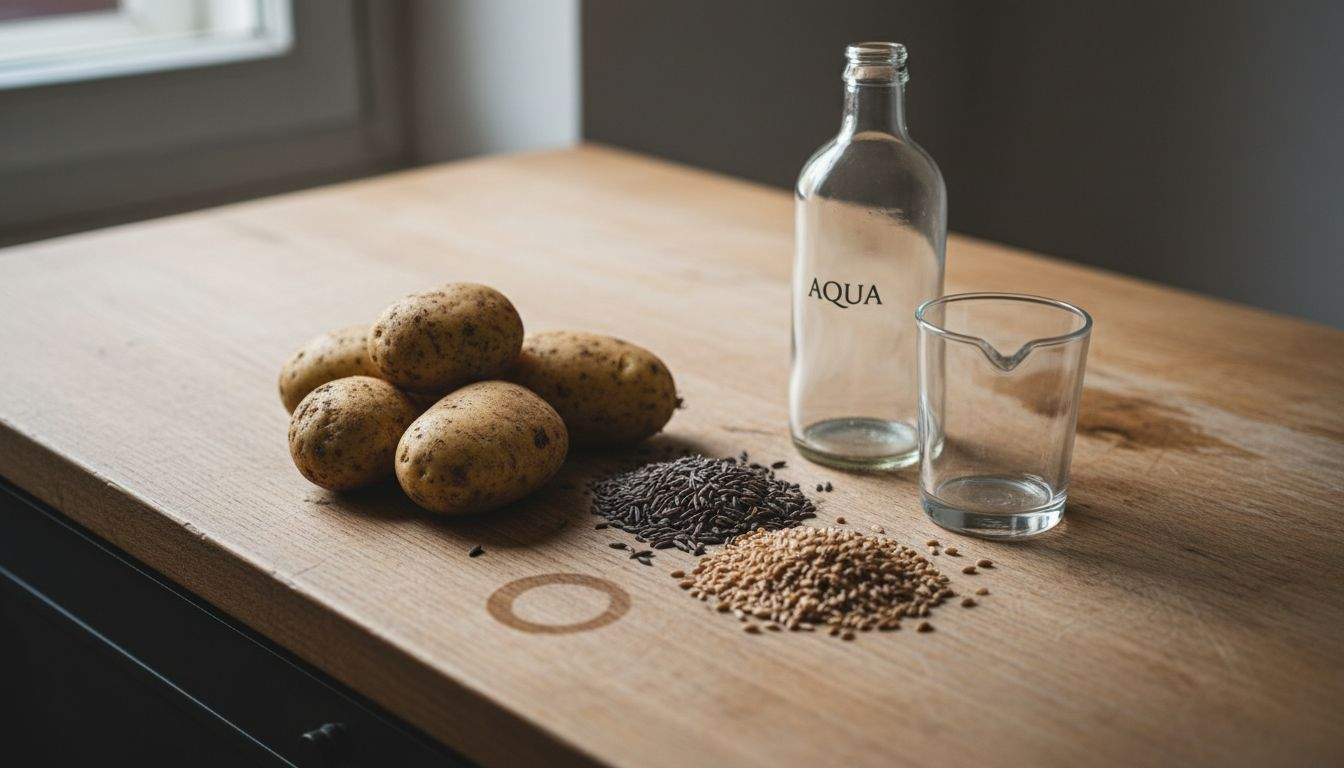
Water accounts for about 60% of the final product and significantly influences texture and purity. Spring water from mineral-rich regions gives vodka softness and smoothness. The differences in raw materials are particularly evident when enjoyed neat.
High-quality vodkas differ in raw materials and water quality, which characterize their character and aroma. Rye provides earthy spiciness, while potatoes create a velvety finish. These nuances often remain hidden when vodka is only used in mixed drinks.
| Raw Material | Flavor Profile | Texture | Typical Origin |
|---|---|---|---|
| Rye | Spicy, peppery, earthy | Clear, slightly sharp | Russia, Poland |
| Potatoes | Mild, creamy, full-bodied | Velvety, soft | Poland, Ukraine |
| Wheat | Neutral, slightly sweet | Smooth, clean | Western Europe |
| Grapes | Fruity, floral | Light, elegant | Italy, France |
Pro tip: For pure enjoyment, choose vodka based on its raw material to experience its full flavor potential. Rye vodka pairs well with savory dishes, potato vodka harmonizes with mild dishes.
The quality of the raw materials determines the final quality. Organically grown ingredients without pesticides deliver purer flavors. Artisanal producers emphasize local sourcing and traditional farming methods, which are reflected in the taste.
Production and Quality Characteristics of Vodka
The production process of spirits involves several precise steps that guarantee purity and quality. First, raw materials are mashed, during which enzymes convert starch into fermentable sugar. Yeast ferments this sugar into alcohol, creating a mash with about 8 to 10% alcohol content.
Multiple distillation is the core of vodka production. Each pass removes impurities, fusel alcohols, and undesirable aromatic compounds. High-quality producers distill three to five times to achieve maximum purity. These processes increase production costs but significantly improve the taste.
Activated carbon filtration follows distillation and ensures a crystal-clear appearance and a smooth finish. Activated carbon binds residual impurities and polishes the vodka at a molecular level. Some producers also use silver filtration for an antimicrobial effect.
The most important production steps:
- Mashing raw materials with water and enzymes for starch conversion
- Fermentation by yeast over several days until the desired alcohol concentration
- First distillation to separate alcohol and water
- Multiple distillation cycles to remove fusel alcohols and impurities
- Activated carbon filtration for purity and a smooth character
- Dilution with water to the standard drinking strength of 40% Vol.
- Resting period to harmonize the flavors before bottling
Since a reform, the EU Spirits Regulation also allows vodkas made from other raw materials such as grapes, as long as this is clearly stated on the label. This expansion promotes innovation without compromising quality.
The alcohol content is typically 40% Vol., some premium varieties reach 45% or more. The quality characteristics of vodka include clarity, a mild aftertaste, and transparent product information. Sensory neutrality is achieved through careful process design, not through chemical additives.
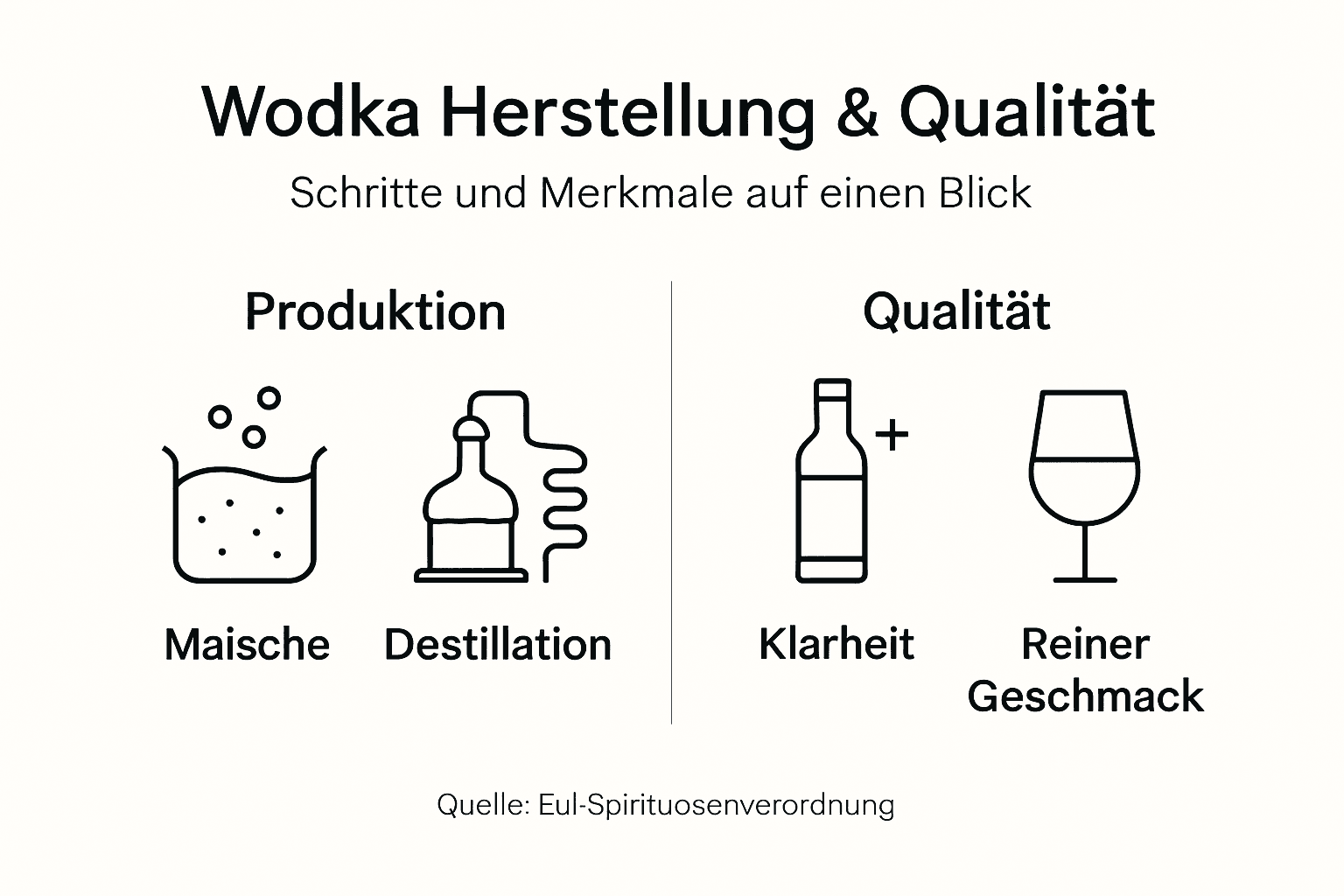
Pro tip: You can recognize quality by its crystal-clear appearance, absence of chemical odor, and smooth finish without a burning sensation. Check the label for raw material information and distillation methods.
Artisanal producers transparently document every step. They use traditional copper pot stills instead of industrial column stills, which takes more time but preserves finer aromas.
History and Cultural Significance of Vodka
The name vodka comes from Slavic and means 'little water', referring to its clear, watery appearance and neutral taste. The spelling varies depending on the language: Wodka in German, Vodka in Anglo-American regions. This linguistic origin closely links the drink to its Eastern European homeland.
Vodka originated in Russia and Poland, where it has held social and ritual significance for centuries. Farmers distilled it from surplus grain, while nobles refined recipes with herbs and spices. The history of vodka reflects the eventful development of Eastern Europe.
In Russian and Polish traditions, vodka symbolizes hospitality and joy of life. At weddings, funerals, and religious festivals, it is served in small glasses, often accompanied by hearty dishes such as pickled herring or black bread. These rituals strengthen community and cultural identity.
Cultural peculiarities:
- Vodka as a symbol of joy of life and tradition in Slavic cultures
- Ritual significance at festivals, weddings, and social gatherings
- Historical role as an everyday drink and remedy in rural regions
- Cult status as a national drink in Russia, Poland, and Ukraine
"Vodka is not just a drink, but a cultural element that connects generations and preserves traditions. Its clarity symbolizes purity, its strength stands for vitality."
This deep cultural rooting distinguishes vodka from many other spirits. While gin or whisky are often associated with the upper class and sophistication, vodka remains a folk drink with an authentic origin. Modern producers honor this tradition by combining historical recipes with contemporary techniques.
Artisanal Vodkas with Cultural Storytelling
The demand for artisanal spirits with regional character is continuously growing. Consumers are looking for authentic products that tell stories and honor traditional craftsmanship. Italian brands like Mezzanotte combine traditional production with creative flavor notes and cultural narratives.
Storytelling forms the heart of artisanal vodka production. Each bottle tells a story of origin, craftsmanship, and the people behind the product. This emotional connection creates value beyond pure taste. Consumers feel part of a larger story, not just buyers.
Innovative flavors emerge from new raw materials and experimental processes. Italian producers use local ingredients such as alpine spring water or regionally grown grains. These elements give vodka an unmistakable character and connect it to its homeland.
Characteristics of artisanal vodkas:
- Small production batches for individual quality control
- Transparent origin information and documented production processes
- Creative raw material combinations for unique flavor profiles
- Design-oriented bottles that visualize cultural themes
- Quality understanding in artisanal spirits with a focus on sustainability
Mezzanotte shows how tradition and modernity can merge. The brand is inspired by mythology, anime, and pop culture, without neglecting the artisanal foundation. This balance appeals to lovers of high-quality spirits who are looking for more than just a drink.
Artisanal vodkas fundamentally differ from industrial mass products. They require more time, expertise, and passion. The result is spirits with soul that appeal to the palate as much as the imagination.
Application of Vodka in Cocktails and Pure Enjoyment
Vodka forms the ideal cocktail base due to its neutral characteristics. It supports other ingredients without overpowering them and perfectly balances sweetness and acidity. Classics like Moscow Mule, Bloody Mary, or Cosmopolitan masterfully utilize this property. The Vodka in Cocktails section shows diverse recipes.
Pure enjoyment reveals the true quality of vodka. Serving temperature significantly influences the perception of aromas: ice-cold, vodka appears neutral and refreshing; at room temperature, subtle nuances unfold. Connoisseurs swirl the glass lightly to release aromas.
The standard alcohol content of about 40% Vol. ensures a balanced drinking strength. This concentration allows for pure enjoyment without excessive sharpness, yet remains powerful enough for complex cocktails. Premium varieties with higher alcohol content are particularly suitable for purists.
Usage possibilities:
- As a neutral cocktail base for countless mixed drinks and long drinks
- Neat at different temperatures to unfold various aromas
- In gastronomy as a versatile base for creative creations
- As a digestif after hearty meals to aid digestion
- In molecular cuisine for aromatic infusions and essences
Vodka brings clarity to cocktails and allows other ingredients to shine. Fresh herbs, citrus fruits, or berries harmonize perfectly with its reserved nature. Bartenders appreciate the flexibility and predictability of high-quality vodka.
For optimal enjoyment, store vodka cool and dark. Opened bottles retain their quality for months, as the high alcohol content acts as a preservative. Also try high-quality vodka neat to discover subtle nuances such as sweetness, creaminess, or peppery notes.
Discover Artisanal Vodkas at Mezzanotte
You now understand what defines genuine vodka: raw material quality, careful production, and cultural heritage. Mezzanotte offers an exclusive selection of artisanal vodkas that embody these principles. Each bottle combines traditional distillation art with regional character and creative storytelling.

Mezzanotte's blog provides in-depth insights into vodka history and varieties, helping you make informed purchasing decisions. Practical vodka cocktail tips expand your repertoire and show you how to best use artisanal spirits. Discover authentic Italian distillates that combine quality and passion in every bottle.
Frequently Asked Questions about Vodka
What distinguishes artisanal vodka from industrial?
Artisanal vodka is produced in small batches with personal quality control and traditional distillation methods. Industrial production uses column stills for mass production, often with shorter maturation processes. Artisans carefully select raw materials and transparently document every step, while large producers focus on efficiency and standardization.
How do I recognize authentic vodka with a cultural background?
Look for transparent information on origin, brand identity stories, and references to traditional production methods. Authentic producers communicate their cultural roots through design, naming, and product descriptions. More information about vodka helps with the assessment. Check whether the brand uses regional raw materials and emphasizes artisanal values.
Can vodka also be made from raw materials other than grain or potatoes?
Yes, EU reforms allow alternative agricultural raw materials such as grapes, apples, or sugar beet. However, these must be clearly labeled on the bottle. Innovative producers experiment with unconventional ingredients to create unique flavor profiles. The legal minimum alcohol content of 37.5% applies regardless of the raw material.
What is the best way to drink vodka neat?
Serve high-quality vodka slightly chilled or at room temperature in small glasses. Icy temperatures suppress aromas, while moderate chilling preserves subtle nuances. Swirl the glass lightly to release scents. Take small sips and let the vodka glide over your tongue to fully perceive texture and taste.
Which cocktails are typical with vodka?
Classics include Moscow Mule with ginger beer and lime, Bloody Mary with tomato juice and spices, and Cosmopolitan with cranberry juice and Cointreau. Vodka Martini, White Russian, and Espresso Martini are also among the popular variations. The neutral base allows for countless creative combinations with fruits, herbs, or liqueurs.
Recommendation
- Discover vodka: history, varieties, and tasting | Distilleria Mezzanotte – Mezzanotte | Distilleria & Spirits
- Top 6 Cocktail con Vodka nel 2026 per Appassionati di Mixology – Mezzanotte | Distilleria & Spirits
- Traditional Gin Production: Craftsmanship and Character – Mezzanotte | Distilleria & Spirits
- Gin Types: 4 Types and 57% Alcohol for Intense Enjoyment – Mezzanotte | Distilleria & Spirits