

Discover what makes an Italian artisanal bitter unique: over 30 botanicals, a 40-day process, and a perfect balance between bitterness and sweetness.
What characterizes a craft bitter: 30 unique botanicals
Mar 1, 2026

Many believe that bitters are too bitter to be enjoyed on their own. The truth is that an artisanal Italian bitter achieves a surprising balance between bitterness and sweetness thanks to over 30 carefully selected natural botanicals. This complex profile transforms every sip into a unique sensory experience that connects tradition, culture, and the art of distillation. Discover what truly distinguishes an authentic artisanal bitter.
Table of Contents
- Key Points
- Introduction to artisanal bitter and its cultural significance
- Botanical ingredients that define an artisanal bitter
- Artisanal bitter production process
- Specific organoleptic and sensory characteristics
- Comparison with industrial and commercial bitters
- The cultural and functional value of artisanal bitter in Italy
- Common myths about artisanal bitter and how to recognize an authentic one
- How to enjoy and pair an artisanal bitter
- Explore the best artisanal bitters and Italian spirits at Mezzanotte
- Frequently asked questions about artisanal bitter
Key points
| Point | Details |
|---|---|
| Natural botanicals | An artisanal bitter is made with over 30 botanical ingredients including gentian, rhubarb, and wormwood. |
| Artisanal process | Maceration can last up to 40 days, ensuring deep flavor extraction without chemical additives. |
| Sensory balance | The balance between bitterness and sweetness allows it to be consumed alone or in classic Italian cocktails. |
| Cultural value | It is an essential part of Italian digestive and social tradition since monastic times. |
| Verifiable authenticity | It is distinguished from industrial bitters by complex natural aromas, absence of colorants, and a slow process. |
Introduction to artisanal bitter and its cultural significance
Artisanal bitter represents much more than a drink in Italy. It is a symbol of cultural identity deeply rooted in the country's history and gastronomic tradition. Since the Middle Ages, monks and families developed secret recipes that combined local botanicals with knowledge about digestive properties.
This tradition transformed bitter into an ancestral component linked to digestive rituals after hearty meals. Italian families consider it an essential part of the aperitivo moment, that social ritual that precedes dinner. Artisanal preparation was passed down from generation to generation, preserving techniques that defined the unique character of each region.
Modern mixology has revitalized interest in these artisanal spirits. Bartenders and cocktail lovers seek authentic bitters that add complexity and depth to their creations. This resurgence connects centuries-old tradition with contemporary appreciation for exceptionally high-quality products.
Artisanal bitter fulfills multiple functions in Italian culture:
- Facilitates digestion after heavy traditional meals
- Marks important social moments such as family gatherings
- Represents regional pride for unique local recipes
- Serves as a base for emblematic cocktails like the Negroni
- Preserves ancestral botanical knowledge about medicinal plants
Botanical ingredients that define an artisanal bitter
The complexity of an artisanal bitter lies in its exceptional botanical composition. A typical artisanal bitter contains over 30 botanicals, including juniper, rhubarb, gentian, and wormwood. Each ingredient plays a specific role in the final profile, from providing bitterness to adding distinctive aromatic notes.
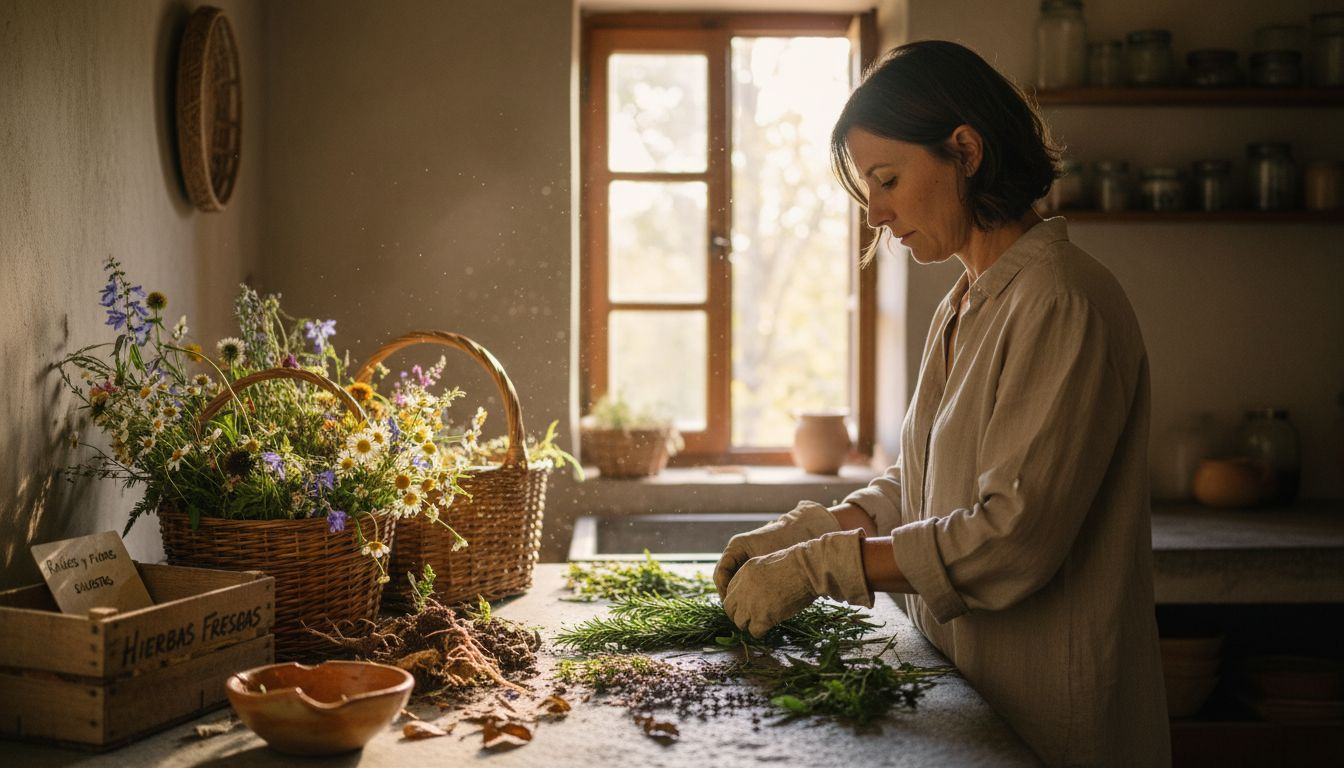
Master distillers select botanicals from verified regional sources. This traceability ensures authenticity and superior quality. Roots like gentian and rhubarb provide the characteristic bitterness that defines bitter, while citrus peels provide freshness and sensory balance.
Aromatic herbs such as wormwood, mint, and rosemary add complex herbal dimensions. Spices like cinnamon, cardamom, and clove enrich the aromatic bouquet. This careful combination creates layers of flavor that are progressively revealed with each sip.
The quality of the botanical ingredients directly impacts the organoleptic and digestive properties. Fresh and properly stored botanicals maintain their essential oils intact. This results in a bitter with greater aromatic intensity and functional effectiveness.
Key botanicals include:
- Bitter roots: gentian, rhubarb, angelica for base bitterness
- Citrus: bitter orange, lemon, grapefruit for balance and freshness
- Herbs: wormwood, mint, sage for herbal complexity
- Spices: cinnamon, cardamom, anise for aromatic depth
- Flowers: chamomile, lavender for delicate notes and softness
Professional tip: Look for bitters that specify the origin and variety of their main botanicals. This transparency indicates genuine artisanal commitment.
Artisanal bitter production process
The production process radically differentiates an artisanal bitter from an industrial one. An artisanal bitter is distinguished by a slow process, use of natural ingredients, and absence of additives. This traditional methodology requires patience and deep technical knowledge passed down through generations.
Maceration is at the heart of the artisanal process. Botanicals are steeped in high-proof alcohol for periods that can extend up to 40 days. This prolonged time allows for the complete extraction of essential oils, resins, and aromatic compounds that define the character of the bitter.
The artisanal process follows these essential steps:
- Selection and preparation of fresh botanicals according to season
- Maceration in high-quality neutral alcohol for weeks
- Careful filtering to remove sediment while preserving essential oils
- Optional aging in wooden barrels to soften profiles
- Alcohol content adjustment through controlled dilution
- Manual bottling without pasteurization or preservatives
The strict absence of chemical additives distinguishes artisanal production. No artificial colorings, synthetic sweeteners, or industrial flavorings are used. The natural color comes exclusively from the macerated botanicals, creating shades ranging from amber to intense red.
Some producers add an aging period in barrels. This optional step adds softness and additional complexity through micro-oxygenation. The woods used, generally oak or chestnut, contribute subtle toasted notes without dominating the botanical profile.
Professional tip: An authentic artisanal bitter shows slight natural turbidity when shaken. This characteristic indicates the presence of essential oils not aggressively filtered.
Specific organoleptic and sensory characteristics
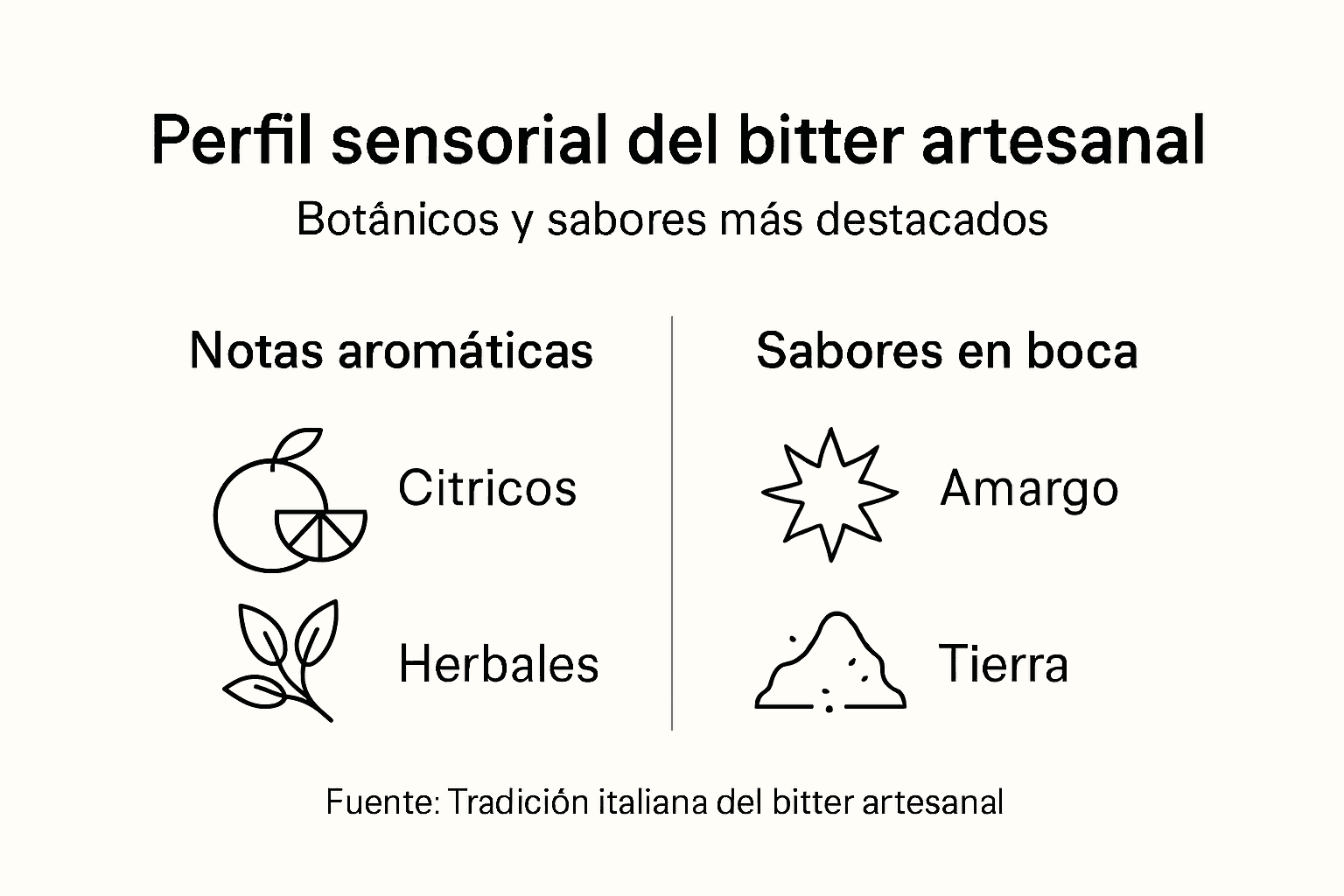
The sensory profile of an artisanal bitter directly reflects the quality of ingredients and process. Artisanal bitter presents a balance between marked bitterness, contained sweetness, and notes of citrus, rhubarb, and wormwood. This sensory harmony allows it to be enjoyed both neat and as a component of sophisticated cocktails.
The aroma reveals complex layers that evolve in the glass. Initially, fresh citrus notes of bitter orange and grapefruit predominate. Then herbal aromas of wormwood, mint, and sage emerge. Finally, spicy nuances of cinnamon and cardamom are perceived, adding depth.
On the palate, the sensory profile shows remarkable balance. The initial bitterness comes from gentian and rhubarb, activating taste receptors that prepare the digestive system. This sensation is quickly softened by natural sweetness that avoids excessive astringency. The finish lingers with clean herbal and citrus freshness.
The natural color derives exclusively from macerated botanicals. Rhubarb stalks contribute intense reddish tones. Bitter orange peels contribute golden amber nuances. This organic coloring varies slightly between batches, reflecting artisanal authenticity.
Distinctive sensory characteristics:
- Balanced bitterness that stimulates without being aggressive
- Subtle natural sweetness that complements without dominating
- Persistent citrus freshness in the aftertaste
- Herbal complexity with multiple aromatic layers
- Slightly oily texture from natural essential oils
"An authentic artisanal bitter reveals something new in every sip. The botanical complexity creates a sensory experience that evolves from the initial aroma to the lingering finish, clearly distinguishing it from one-dimensional industrial products."
Comparison with industrial and commercial bitters
Understanding the differences between artisanal and industrial production helps identify genuine quality. Artisanal bitter differs by slow maceration, natural ingredients, and absence of additives. This distinction directly impacts sensory experience, nutritional value, and the satisfaction of the demanding consumer.
Industrial bitters prioritize production efficiency over sensory quality. They use rapid infusions with concentrated extracts that reduce production time from weeks to hours. This method sacrifices aromatic complexity and depth of flavor in exchange for consistency and volume.
| Characteristic | Artisanal Bitter | Industrial Bitter |
|---|---|---|
| Maceration time | 30-40 days | 24-48 hours |
| Botanicals | 30+ fresh natural | 10-15 extracts |
| Additives | None | Colorants, preservatives |
| Process | Manual in batches | Automated continuous |
| Sensory profile | Complex and evolving | Uniform and simple |
| Price | Higher | Economical |
The quality of botanicals makes fundamental differences. Artisanal producers select ingredients of verified origin and optimal season. The differences in production are clearly manifested in the final product.
Industrial bitters frequently use:
- Standardized extracts instead of fresh botanicals
- Artificial colorants to achieve uniform tonality
- Synthetic sweeteners that mask excessive bitterness
- Chemical preservatives to extend shelf life
- Flavorings that simulate botanical complexity
The consumption experience differs significantly. An artisanal bitter reveals aromatic layers that evolve in the glass and on the palate. Its texture presents a natural oily body from essential oils. Industrial bitters show a flat and predictable profile without significant sensory evolution.
Professional tip: Gently shake the bitter in the bottle. If slight turbidity appears and slowly settles, it indicates the presence of natural essential oils characteristic of artisanal production.
The cultural and functional value of artisanal bitter in Italy
Bitter transcends its function as a drink to become an Italian cultural symbol. Bitter has monastic origins and a digestive function with importance in Negroni and Americano cocktails. This historical heritage links artisanal bitter with centuries-old gastronomic traditions that define Italian identity.
Medieval monks developed the first recipes combining botanical knowledge with medicinal needs. These formulas were passed down to families who perfected the methods according to regional characteristics. Each area of Italy developed its distinctive style based on available local botanicals.
The digestive function represents the original cultural value of bitter. Bitter compounds stimulate the production of digestive enzymes and bile, facilitating the digestion of abundant traditional meals. This functional property explains its ritual consumption after important family dinners.
Artisanal bitter occupies a central position in Italian aperitivo culture. This social moment before dinner brings friends and family together around drinks that stimulate appetite and conversation. Bitter mixed with vermouth and soda creates the Spritz, an emblematic drink of this tradition.
Classic Italian mixology fundamentally relies on artisanal bitter:
- Negroni: equal parts gin, red vermouth, and bitter
- Americano: bitter, red vermouth, and soda
- Negroni Sbagliato: bitter, vermouth, and prosecco
- Milano Torino: bitter and vermouth in balanced proportions
- Garibaldi: bitter and freshly squeezed orange juice
These cocktails reflect the importance of bitter in Italian gastronomic identity. Each region proudly celebrates its local versions, defending traditional recipes against industrial standardization. Artisanal bitter preserves this invaluable cultural diversity.
Common myths about artisanal bitter and how to recognize an authentic one
Several erroneous beliefs surround artisanal bitter, confusing consumers seeking authentic products. Dispelling these myths helps make informed decisions and genuinely appreciate artisanal quality. Not all bitters are excessively bitter; the sensory balance allows for direct consumption without mixing.
The most common myth claims that all bitters are impossible to drink on their own. The reality is that a well-made artisanal bitter presents a balance between bitterness and sweetness that facilitates direct consumption. The botanical complexity offers a satisfactory sensory experience without the need for mixers.
Another common mistake assumes that artisanal and commercial bitters are equivalent. This belief ignores fundamental differences in process, ingredients, and final result. Artisanal production invests significantly more time and resources that directly impact quality and price.
Many consumers believe that intense color always indicates the use of artificial colorants. However, botanicals like rhubarb and citrus peels naturally produce vibrant hues. The key is to verify producer transparency regarding the ingredients used.
To recognize an authentic artisanal bitter, evaluate these criteria:
- Complete list of natural botanicals on the label
- Indication of prolonged maceration time
- Explicit absence of colorants and preservatives
- Slight variation between batches indicating manual production
- Complex aroma with multiple identifiable layers
- Slightly oily texture due to essential oils
- Premium price reflecting artisanal production cost
Pro tip: Read the ingredient list carefully. If E-codes followed by numbers (E150, E211) appear, it indicates the presence of industrial additives incompatible with genuine artisanal production.
Authenticity is also evident in presentation details. Artisanal producers frequently use thick glass bottles, carefully designed labels, and visible batch numbering. These elements reflect pride in the product and commitment to exceptional quality.
How to enjoy and pair an artisanal bitter
Maximizing the experience with artisanal bitter requires knowing optimal consumption and pairing methods. Artisanal bitter is enjoyed moderately on its own or in cocktails with citrus and vermouth. This versatility allows exploring its full sensory profile according to personal preferences and occasion.
Direct consumption reveals the full botanical complexity of artisanal bitter. Serve it at room temperature in a lowball glass with a large ice cube that dilutes slowly without excessive watering. This presentation allows appreciating the aromatic evolution as the ice gradually tempers the initial bitterness.
Classic Italian cocktails represent the traditional way to enjoy artisanal bitter. The Negroni perfectly balances botanical gin, sweet red vermouth, and bitter in equal proportions. The Americano lightens the profile with soda, creating a refreshing drink ideal for an aperitif.
Recommended pairings that complement the bitter's profile:
- Fresh citrus: orange, grapefruit, and lemon enhance aromatic notes
- Italian vermouth: both sweet red and dry white balance bitterness
- Artisanal gin: complementary botanicals create additional complexity
- Prosecco: bubbles elevate freshness for lighter versions
- Olives and anchovies: salinity contrasts brilliantly with bitterness
Moderation is key to fully appreciating artisanal bitter. Consuming small quantities before or after meals takes advantage of its digestive properties without saturating taste receptors. One or two ounces are enough to effectively stimulate digestion.
Respecting cultural rituals significantly enriches the experience. Share bitter with friends during aperitivo, that Italian social moment that celebrates conversation and connection. This practice transforms the consumption of a simple drink into a memorable cultural experience.
Pro tip: Before drinking, gently swirl the glass and inhale deeply. This preliminary step activates olfactory receptors and prepares taste buds to perceive the full aromatic complexity of artisanal bitter.
Explore the best artisanal bitters and Italian spirits at Mezzanotte
Now that you understand what characterizes an authentic artisanal bitter, it's time to experience these exceptional spirits personally. At Mezzanotte, you'll find a curated selection of the best Italian artisanal amari 2026, each with a unique aromatic identity and verifiable tradition.

Our collection features bitters made using traditional methods with over 30 natural botanicals. Each product tells stories of master distillers who preserve centuries-old family recipes. Consult our complete guide to amaro bitter 2026 to delve into tasting techniques and pairings.
Also discover the history and tradition of Italian bitters that transform each sip into an authentic cultural connection with Italy.
Frequently asked questions about artisanal bitter
What is the main difference between an artisanal bitter and an industrial one?
Artisanal bitter uses over 30 natural botanicals macerated for 30 to 40 days without chemical additives. Industrial ones use standardized extracts, artificial colorants, and accelerated processes of 24 to 48 hours that sacrifice sensory complexity.
How can I identify an authentic artisanal bitter when buying?
Check the full list of natural ingredients on the label without E-codes for additives. An authentic bitter shows slight turbidity when shaken, has a complex aroma with multiple layers, and a higher price reflecting manual production. The indication of prolonged maceration time confirms authenticity.
What is the best way to serve and pair an artisanal bitter?
Serve it at room temperature with a large ice cube in a lowball glass or mix it in classic cocktails like a Negroni. Ideal pairings include fresh citrus, Italian vermouth, and artisanal gin. One or two ounces after meals take advantage of its digestive properties without saturating the palate.
How long does the artisanal process last and how does it affect the flavor?
Artisanal maceration lasts between 30 and 40 days, allowing for complete extraction of essential oils and aromatic compounds. This prolonged time creates sensory complexity with multiple layers of flavor that evolve in the glass. Shorter processes produce flat, one-dimensional profiles.
Which botanicals are most important and what is their function?
Gentian and rhubarb provide a base bitterness that stimulates digestion. Citrus fruits like bitter orange provide balance and freshness. Herbs like wormwood add herbal complexity. Spices like cinnamon and cardamom create aromatic depth. This balanced combination defines the unique character of each artisanal bitter.
Recommendation
- 6 types de liqueurs bitter à découvrir pour amateurs – Mezzanotte | Distilleria & Spirits
- What is Italian bitter: history, flavor, and culture – Mezzanotte | Distilleria & Spirits
- How to identify unique and authentic artisanal liqueurs – Mezzanotte | Distilleria & Spirits
- Italian Bitter Liqueurs: A Guide to Traditions and Innovations 2026 – Mezzanotte | Distilleria & Spirits