

Avoid common tasting mistakes and discover the full aroma profile of artisanal vodkas with professional techniques and precise step-by-step instructions.
Taste Vodka Properly: Avoid 70% More Mistakes
Mar 4, 2026

Many spirits enthusiasts miss out on valuable sensory experiences because they incorrectly taste craft vodka. Over 70% of amateurs make mistakes such as serving at overly cold temperatures, using unsuitable glasses, or drinking too hastily. Craft vodka offers delicate aroma profiles that can only be appreciated with the correct tasting method. This article will show you step-by-step how to optimally taste craft vodka and avoid common mistakes.
Table of Contents
- Key Takeaways for Vodka Tasting
- What You Need for the Perfect Vodka Tasting
- The Sensory Evaluation: Steps and Methods
- Recognizing Special Characteristics of Craft Vodka
- Common Mistakes in Vodka Tasting and How to Avoid Them
- Expected Results and How to Evaluate Your Tasting
- Discover Craft Vodka with Mezzanotte
- Frequently Asked Questions about Vodka Tasting
Key Takeaways for Vodka Tasting
| Point | Details |
|---|---|
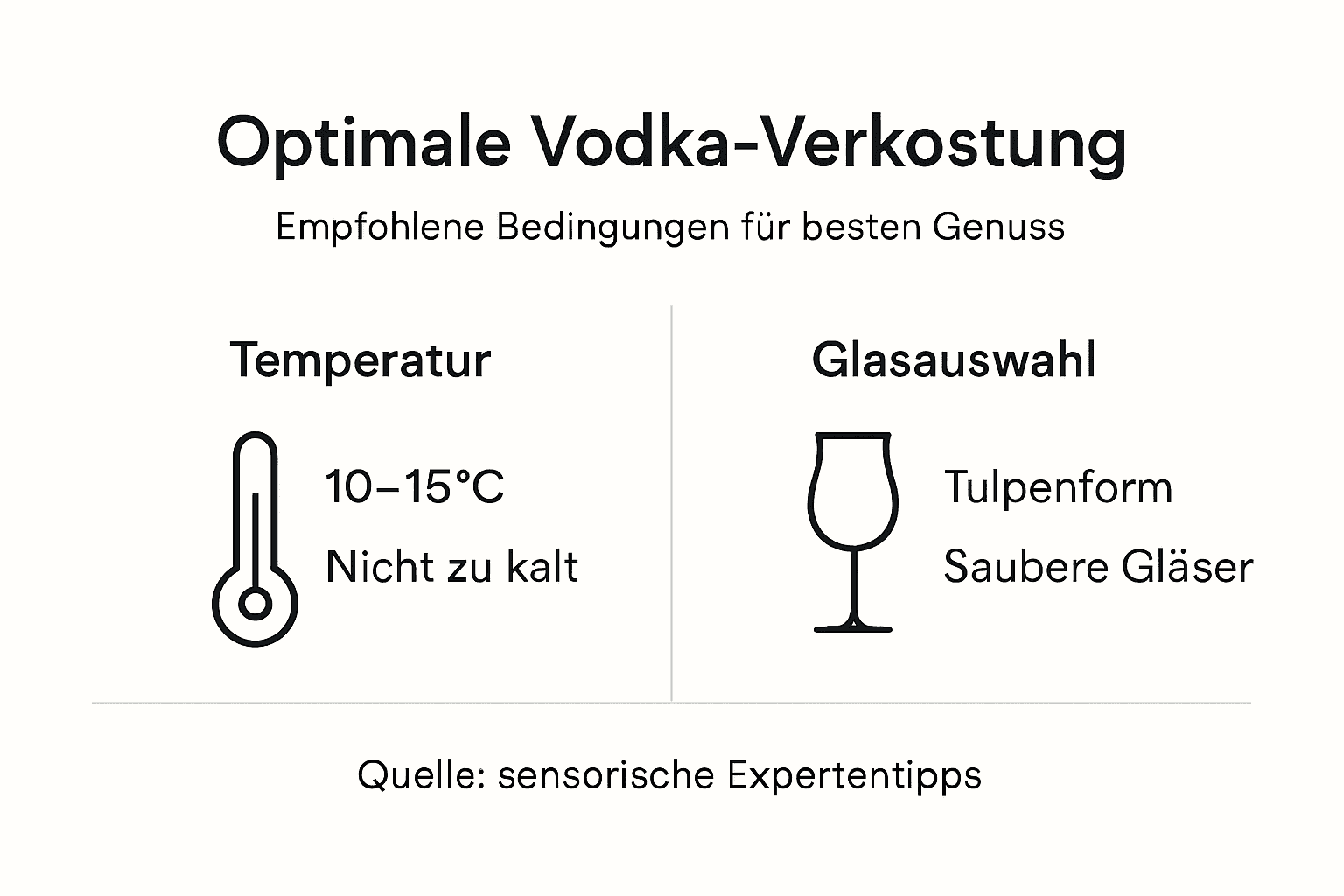
| Correct Temperature | Tasting at 10-15°C allows for optimal aroma perception without cold interference. |
| Suitable Glasses | Tulip-shaped glasses (120-150 ml) concentrate aromas and significantly improve sensory analysis. |
| Sensory Method | Repeated smelling at short intervals and slow, deliberate tasting sharpen perception. |
| Palate Neutralization | Neutralizing water at room temperature between samples increases sensory accuracy. |
| Common Mistakes | Serving too cold, wrong glasses, and quick drinking significantly reduce tasting quality. |
What You Need for the Perfect Vodka Tasting
The right equipment and preparation are crucial for a meaningful tasting.
Temperature greatly influences your taste perception. Vodka should be served at 10-15°C to release aromas without cold interference. Vodka that is too cold numbs the taste buds and masks delicate nuances. Vodka that is too warm tastes alcoholic and harsh.
Between samples, you need neutralizing water. Water at room temperature (20-22°C) increases sensory accuracy between different samples. Rinse your mouth briefly and take a small sip to avoid flavor overlaps.
The tasting room should be free of distracting odors. Avoid perfume, scented candles, or strong cooking smells. Good lighting helps you assess the clarity and viscosity of the vodka. Daylight or neutral white light are ideal.
Pro Tip: Warm the glass in your hand for 30 seconds before you begin tasting. Body heat activates volatile aroma compounds and significantly enhances the sensory experience.
Checklist for Preparation
- Provide tulip-shaped glasses (120-150 ml)
- Chill vodka to 10-15°C
- Neutralizing water at room temperature
- Ventilate the tasting room and clear it of distracting odors
- Notebook for sensory impressions
- White paper or cloth as background for visual assessment
Optimal Tasting Conditions
| Parameter | Recommended Value | Purpose |
|---|---|---|
| Vodka Temperature | 10-15°C | Aroma release without cold interference |
| Glass Volume | 120-150 ml | Aroma collection and swirling ability |
| Water Temperature | 20-22°C | Palate neutralization |
| Room Temperature | 18-20°C | Comfortable tasting environment |
| Lighting | Daylight/neutral | Clear visual assessment |
The Sensory Evaluation: Steps and Methods
A professional tasting follows a clear structure. The four main steps are appearance, aroma, taste, and finish, to fully capture quality and nuances. Each step provides important information about the production and quality of the vodka.
1. Visual Analysis
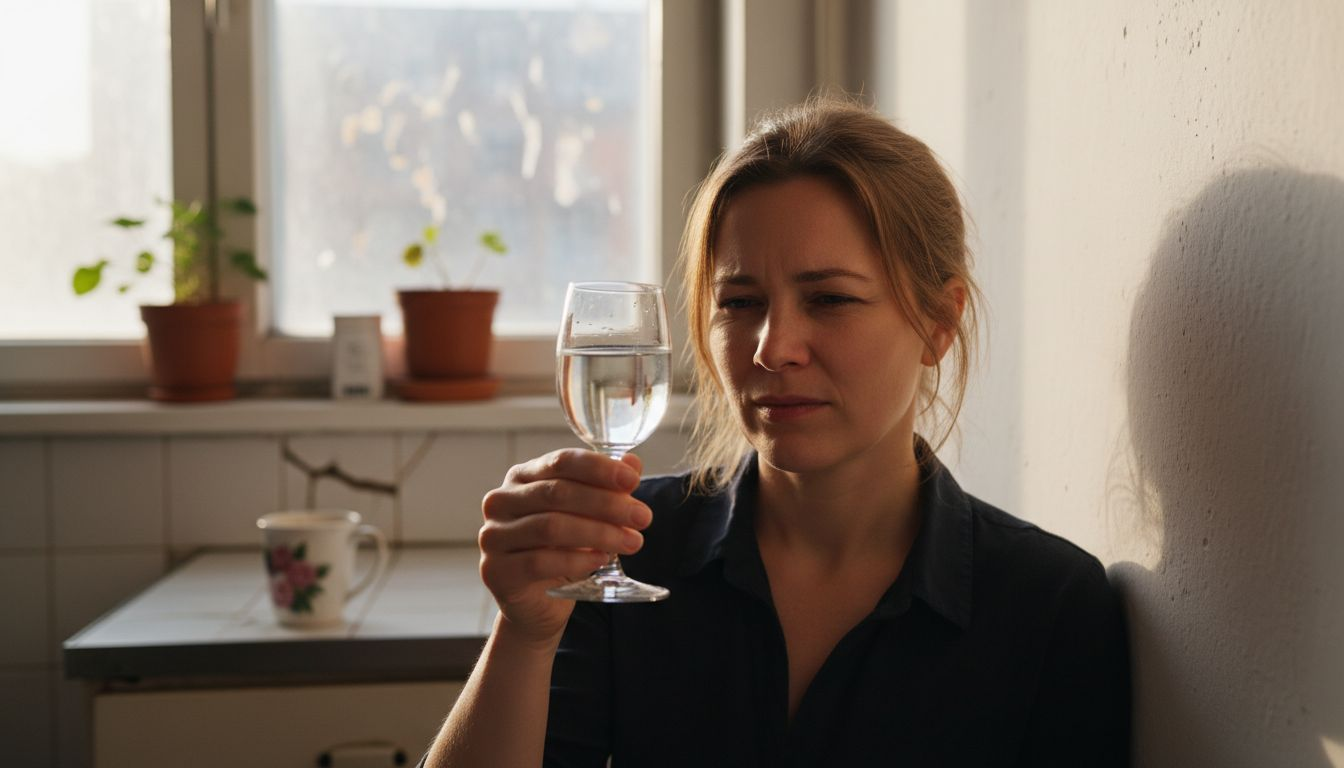
Hold the glass against a white background and assess the clarity. High-quality vodka is crystal clear without cloudiness or sediment. Swirl the glass lightly and observe the viscosity. Slowly running legs indicate a higher alcohol content or an oilier texture.
2. Aroma Analysis
The aroma is evaluated repeatedly at short intervals (10-15 seconds) to identify complex aromas distinctly. First, smell with some distance from the rim of the glass. Slowly bring it closer and inhale briefly through your nose. Pause and repeat.
Pay attention to different layers of aroma. The first nose often reveals fruity or sweet notes. Deeper layers reveal grainy, peppery, or mineral nuances. Note your impressions immediately before they fade.
Pro Tip: Slightly open your mouth when smelling. This technique connects the sense of smell and taste and significantly enhances aroma perception.
3. Taste Evaluation
Take a small sip and distribute it throughout your mouth. Let the vodka rest on your tongue for 5-10 seconds before swallowing. Different areas of the tongue perceive different taste components.
Pay attention to the texture. Craft vodka often feels creamier and smoother than industrial products. Note whether the taste is mild, sweetish, fruity, or grainy. Sharp or burning sensations indicate lower quality or too young distillation.
4. Evaluate the Finish
The finish provides information about quality and complexity. Observe how long taste impressions remain after swallowing. A long, pleasant finish with developing nuances characterizes high-quality vodka. A short or unpleasantly burning finish indicates quality defects.
Pay attention to the warmth in your throat. A gentle, non-aggressive warmth is desirable. A sharp burn or scratchiness indicates insufficient filtration or too rapid distillation.
Between Samples
- Neutralize your palate with water at room temperature
- Wait 2-3 minutes between different vodkas
- Note impressions immediately after each sample
- Limit tastings to 3-4 different vodkas per session
Recognizing Special Characteristics of Craft Vodka
Craft vodka stands out with finer aromatics thanks to natural filtration and multiple distillations. The differences from industrial products are noticeable in all sensory areas. Craft distilleries prioritize raw material quality and gentle processing.
Natural filtration through activated charcoal or quartz sand removes impurities without destroying aroma compounds. Industrial vodka is often over-filtered, making it neutral but stripping it of character. Craft Italian vodka exhibits typical characteristics such as gentle sweetness, fruity notes, and grain aromas.
The texture differs significantly. Craft vodka feels creamier and silkier in the mouth. Industrial products often seem thinner and more watery. The viscosity of craft vodkas is higher, visible in the slower-running legs in the glass.
Sensory Differences in Comparison
| Feature | Craft Vodka | Industrial Vodka |
|---|---|---|
| Aroma Variety | Complex with multiple layers | Neutral to simple |
| Texture | Creamy, silky | Thin, watery |
| Taste Profile | Mild, sweetish, grainy | Sharp, one-dimensional |
| Finish | Long, developing | Short, burning |
| Filtration | Natural, gentle | Industrial, intensive |
Recognizing Typical Aroma Profiles
- Grainy Notes: Recognizable as wheat, rye, or barley base
- Fruity Nuances: Citrus, green apple, or pear with high-quality processing
- Sweet Components: Honey or vanilla due to gentle distillation
- Mineral Tones: Purity of the used water perceptible
- Peppery Accents: Natural spiciness without aggressive burning
Craft distilleries often experiment with different grain types or filtration methods. This variety makes every tasting a journey of discovery. Pay attention to the harmony between sweetness, sharpness, and aromatic depth.
Common Mistakes in Vodka Tasting and How to Avoid Them
Over 70% of amateurs make mistakes such as overly cold temperatures, unsuitable glasses, and too hasty drinking. These errors prevent a meaningful assessment and waste the potential of high-quality vodkas. The good news: with awareness and simple adjustments, you can avoid these pitfalls.
Temperature Mistakes
Vodka that is too cold (below 10°C) numbs taste buds and completely masks aromas. Many serve vodka directly from the freezer, which reduces sensory perception by up to 80%. Vodka that is too warm ( above 18°C) tastes harshly alcoholic and unpleasant. The golden mean is 10-15°C.
Let frozen vodka stand at room temperature for 15-20 minutes before tasting. A thermometer helps to achieve the optimal temperature. With time, you will develop a feel for it.
Glass Mistakes
Wide tumblers or shot glasses are unsuitable for sensory analysis. They allow aromas to dissipate too quickly and do not concentrate scent molecules. Tulip-shaped glasses concentrate aromas at the rim of the glass and allow for precise smelling. Investing in suitable glasses pays off immediately.
Rinse glasses only with hot water without detergent. Detergent residues massively distort taste and smell. Polish glasses with lint-free cloths to avoid streaking.
Tasting Mistakes
Hasty drinking prevents differentiated perception. Take your time for each step: seeing, smelling, tasting, aftertaste. Each step needs at least 30 seconds of concentrated attention. Interruptions by conversations or distractions disrupt sensory analysis.
Don't forget to neutralize between samples. Mistakes in palate neutralization lead to flavor overlaps and incorrect evaluations. Use still water at room temperature, never sparkling water or flavored beverages.
Pro Tip: Taste in small groups of 2-3 people. Exchanging sensory impressions sharpens perception, but too large groups distract and disturb concentration.
Environmental Mistakes
- Strong odors in the room (perfume, food, candles) distort aroma perception
- Poor lighting prevents correct visual assessment
- Too loud or hectic environment disturbs concentration
- Tasting after heavily spiced meals impairs the sense of taste
- Too many different samples (more than 5) overwhelm the senses
Expected Results and How to Evaluate Your Tasting
A full tasting takes 20-30 minutes per vodka to comprehensively recognize nuances. This time seems long, but it is necessary for a differentiated evaluation. Rushing distorts results and wastes high-quality vodka.
Assessment Criteria
Systematically evaluate aroma sharpness, harmony between sweetness and sharpness, and finish length. Create a scale from 1-10 for each aspect. Note specific aromas instead of vague descriptions. "Green apple with a hint of honey" is more helpful than "fruity-sweet."
The harmony between the elements indicates quality. A vodka can have intense aromas that, however, appear unbalanced. A harmonious vodka combines all components into a coherent overall impression. Pay attention to whether individual aspects dominate or if everything is in balance.
Typical Tasting Characteristics
| Characteristic | High Quality | Medium Quality | Low Quality |
|---|---|---|---|
| Clarity | Crystal clear | Slightly cloudy | Cloudiness visible |
| Aroma Intensity | Complex, multi-layered | Recognizable, simple | Weak or sharp |
| Texture | Creamy, silky | Smooth | Thin, watery |
| Taste | Harmonious, developing | Balanced | One-dimensional, burning |
| Finish | Long (>30 sec.), warm | Medium (15-30 sec.) | Short (<15 sec.), sharp |
Evaluation in Steps
- Note your impressions immediately during the tasting, not afterwards
- Evaluate each aspect (appearance, aroma, taste, finish) individually
- Assign points on a scale of 1-10 for each area
- Create an overall rating as an average or weighted sum
- Compare with previous tastings to train your sensory memory
Interim samples with neutral water are crucial when tasting multiple vodkas. Without neutralization, taste impressions overlap and distort evaluations. Rinse thoroughly after each vodka and wait 2-3 minutes before continuing.
Develop sensory accuracy
Your sensory accuracy improves with each tasting. Initially, you might only recognize broad differences between "good" and "bad." With practice, you'll identify specific aromas and precisely evaluate nuances. Keep a tasting journal and compare notes over months.
Quality in artisanal vodka is demonstrated by consistency: every bottle from the same batch should taste identical. Fluctuations indicate unreliable production processes. High-quality distilleries guarantee consistent quality for years.
Discover artisanal vodka with Mezzanotte
The tasting techniques from this article will help you fully enjoy and precisely evaluate high-quality artisanal vodkas. Mezzanotte offers an exclusive selection of Italian vodkas with intense aroma profiles and characteristic craftsmanship. Every product in the range has been selected according to strict quality criteria.

In the online shop, you will find detailed information about the production, raw materials, and taste profiles of each vodka. The product descriptions will help you find the perfect vodka for your preferences. From fruity-mild to spicy-complex profiles, there is something for every taste. Discover artisanal Italian vodka with unique character and exceptional quality. Benefit from expert knowledge and high-quality spirits for unforgettable moments of enjoyment.
Frequently asked questions about vodka tasting
What is the ideal temperature for vodka tastings?
The optimal temperature is 10-15°C for the best aroma perception. Vodka that is too cold numbs the taste buds and completely masks fine nuances. Let frozen vodka stand at room temperature for 15-20 minutes before tasting.
Why are tulip-shaped glasses better than shot glasses?
Tulip-shaped glasses (120-150 ml) concentrate aromas at the rim of the glass and allow for precise smelling. Shot glasses let aromas dissipate too quickly and do not allow for swirling. The correct glass shape improves sensory analysis by up to 60%.
How can I neutralize my palate between different vodkas?
Use still water at room temperature (20-22°C) between samples. Rinse your mouth briefly and take a small sip. Wait 2-3 minutes before tasting the next vodka to allow your taste buds to fully regenerate.
How long should a vodka tasting last?
A full tasting requires 20-30 minutes per vodka for comprehensive sensory detection. Limit tasting sessions to 3-4 different vodkas to avoid sensory overload. Quality takes time and focused attention.
How do I recognize handcrafted vodka during tasting?
Craft vodka shows more complex aroma profiles with multiple layers, a creamier texture, and a longer, harmonious finish. Look for natural sweetness, fruity or grainy notes, and a velvety mouthfeel. Industrial vodka often appears neutral, thin, and has a short, sharp finish.
Recommendation
- What is Vodka? 37.5% Alcohol & Craft Enjoyment 2026 – Mezzanotte | Distilleria & Spirits
- Distilled Spirits Guide: Mastering Italian Distillates – Mezzanotte | Distilleria & Spirits
- Cócteles con vodka: 3 recipes for 70% of mixologists 2026 – Mezzanotte | Distilleria & Spirits
- Discover vodka: history, varieties, and tasting | Distilleria Mezzanotte – Mezzanotte | Distilleria & Spirits