

Discover the best Italian spirits of 2026: award-winning Grappas, innovative Gins and Amari with Mediterranean botanicals for discerning connoisseurs.
Top Italian Distillates: Exclusive Delights 2026
Mar 21, 2026

Italy is home to some of the most fascinating and artisanally demanding distillates in the world. From multi-award-winning grappas to innovative Mediterranean gins and barrel-aged amari, the Italian spirits landscape offers a diversity that delights collectors and connoisseurs alike. The challenge lies in identifying the true top products from this abundance, which impress not only with taste but also with cultural narrative and artisanal excellence. This article introduces you to the most important selection criteria and presents the best Italian distillates for 2026.
Table of Contents
- Key takeaways
- Evaluation Criteria for Italian Distillates
- Top 5 Italian Grappas 2026: Premium Preparations and Differences
- Innovative Gins and Amari: Mediterranean Botanicals and New Accents
- Comparison of Award-Winning Distillates: Regional Flair and Flavor Profiles
- Discover Exclusive Italian Distillates at Mezzanotte
- Frequently Asked Questions
Key Insights
| Point | Details |
|---|---|
| Criteria for High-Quality Distillates | Artisanal copper distillation, selection of the best fractions, and regional narrative are key quality indicators. |
| Selection of Multi-Awarded Spirits | The article presents multi-award-winning grappas as well as innovative amari and gins. |
| Tradition and Innovation | The comparison shows how classic distillation methods and new botanicals shape the profile. |
| Certifications and Recommendations | Pro Tip Look for distillates with DOC or IGP certification, as these ensure regional authenticity and facilitate orientation for different connoisseur profiles. |
Evaluation Criteria for Italian Distillates
Artisanal production processes form the foundation of exceptional Italian spirits. Discontinuous distillation in copper stills allows precise control over aroma development and purity. Only the best fractions of the distillate are used, while the heads and tails are discarded. This method requires experience and time, but guarantees unparalleled quality.
Regional uniqueness and cultural history play a central role in evaluation. Polis Whisky combines Venetian Grappa tradition with local history, while Friulian distilleries draw on centuries-old herbal recipes. These cultural narratives not only enhance emotional connection but also document authentic production traditions.
Maturation time and barrel aging fundamentally transform distillates. Grappas aged in former Amarone or Port wine barrels develop complex tannin and fruit aromas. The type of wood, toasting, and aging duration significantly influence color, texture, and flavor profile. Premium distillates often age for three to ten years, with Single Barrel Editions offering particular uniqueness.
Innovative botanicals redefine modern Italian gins and amari. Mediterranean plants like Tuscan juniper, Sicilian citrus fruits, or Sardinian myrtle impart regional character. In amaro, alpine herbs, gentian roots, and rhubarb notes provide characteristic bitterness. The balance between tradition and innovation determines market relevance.
Evaluation criteria in competitions such as Alambicco d’Oro include sensory analysis, production transparency, and innovation. Juries assess nose, palate, finish, and overall harmony according to standardized protocols. Awards signal objective quality and help collectors make purchasing decisions.
Pro Tip: Look for distillates with DOC or IGP certification. These protected designations of origin guarantee regional authenticity and controlled production standards.
Top 5 Italian Grappas 2026: Premium Preparations and Differences
Marzadro Giare Amarone dominates the top of Italian Grappas 2026. This Grappa won Best Gold at the 42° Alambicco d’Oro ANAG 2025 and impresses with traditional batch distillation from Amarone pomace. Aging in cherry wood barrels imparts intense notes of dried fruits, vanilla, and spices. With 41% alcohol content, it offers a powerful yet balanced character.
Nonino ÙE® Acquavite d’Uva Riserva is one of Italy's finest grappas and was awarded at Bibenda 2026. This Acquavite is distilled from whole grapes instead of pomace and aged for five years in barriques. The result is a silky texture with aromas of honey, apricot, and oak. The Nonino family perfected this technique over generations.
Sibona Grappa Ris. Botti da Porto from Piedmont represents Single Barrel excellence. Each bottle comes from a single Port wine barrel, guaranteeing unique flavor variations. The Grappa shows intense Port wine influences with notes of red berries, chocolate, and tobacco. Collectors appreciate the limited availability and individual barrel numbering.
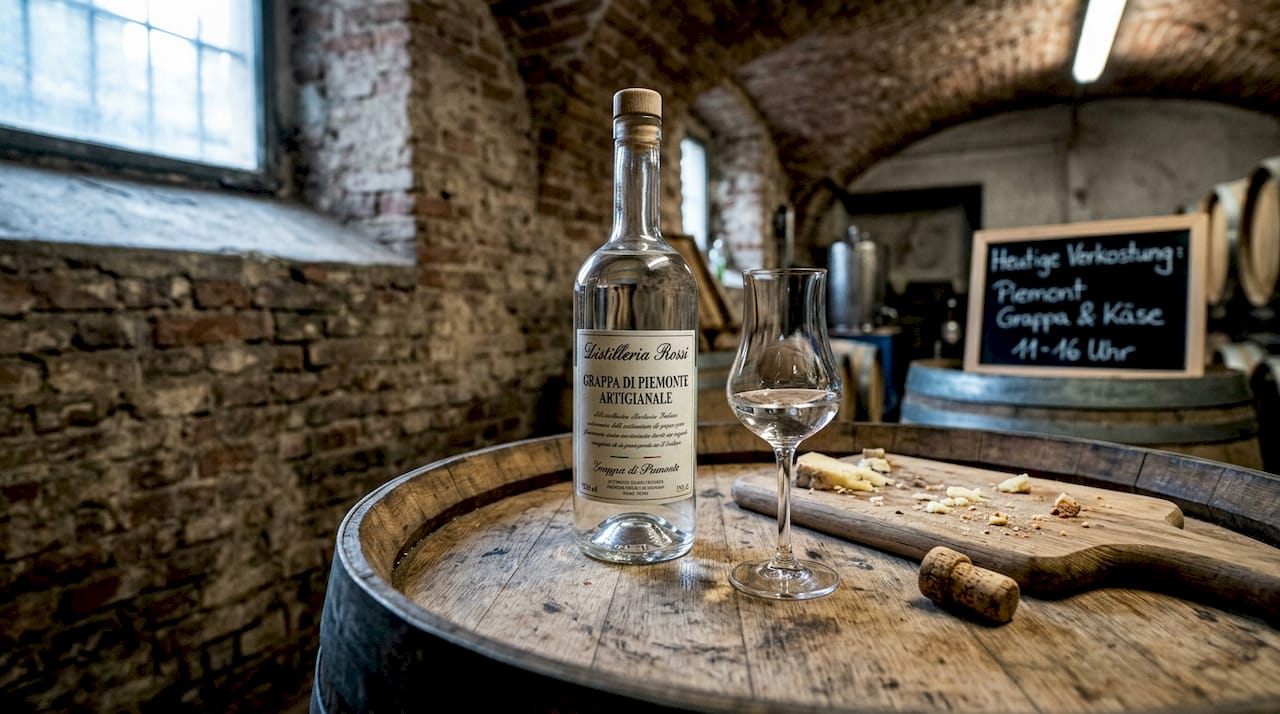
Berta Amarone Ròndena Riserva combines Piedmontese distillation art with Venetian wine culture. Multi-year aging in former Amarone barrels creates exceptional complexity. Aromas of cherry, plum, cinnamon, and leather merge into a full-bodied experience. This Grappa is perfect as a digestif or for special occasions.
| Grappa | Region | Aging | Special Feature | Alcohol |
|---|---|---|---|---|
| Marzadro Giare Amarone | Trentino | Cherry Wood | Alambicco d’Oro Gold | 41% |
| Nonino ÙE® Riserva | Friuli | 5 Years Barrique | Whole Grapes | 43% |
| Sibona Porto | Piedmont | Port Wine Barrel | Single Barrel | 44% |
| Berta Amarone Ròndena | Piedmont | Amarone Barrel | Multi-year | 43% |
| Poli Sarpa Oro | Veneto | Acacia Wood | Venetian Tradition | 40% |
Regional differences significantly shape the character and style of Italian grappas. Venetian distillates emphasize floral and fruity notes, while Piedmontese grappas impress with wood influence and structure. Friulian producers combine both approaches with innovative aging techniques. This diversity makes Italy the leading grappa nation.
Pro Tip: Store high-quality grappas upright at a constant temperature. Unlike wine, distillates do not further develop in the bottle but will oxidize if stored improperly.
Innovative Gins and Amari: Mediterranean Botanicals and New Accents
Stone Gin by Purapietra revolutionizes Italian gin production through consistent regionality. The gin uses Tuscan and Umbrian juniper as well as rare Mediterranean botanicals like Pompia, a Sardinian citrus fruit. Maceration takes place in terracotta amphorae, creating mineral notes and exceptional texture. With only 500 numbered bottles per batch, Stone Gin is a coveted collector's item.
Amaro Nonino Quintessentia embodies Friulian herbal tradition and wood aging in perfection. The recipe is based on gentian, rhubarb, and alpine herbs, supplemented with grappa distillate. Two years of aging in Limousin oak barrels give it an amber hue and a velvety mouthfeel. This Amaro works neat, on the rocks, or as a base for cocktails like the Negroni Sbagliato.
The contrast between traditional grappas and innovative spirits defines the Italian distillate landscape of 2026. While grappas rely on centuries-old techniques, gin and amaro producers experiment with new botanicals, aging methods, and presentation forms. Both approaches are valid and appeal to different collector profiles.
| Category | Main Ingredients | Production | Aroma Profile | Usage |
|---|---|---|---|---|
| Gin | Juniper, Mediterranean Botanicals | Maceration, Distillation | Fresh, citrusy, herbaceous | Cocktails, Tonic |
| Amaro | Herbs, Roots, Grappa | Maceration, Wood Aging | Bitter, spicy, complex | Digestif, Mixed Drinks |
The value for collectors lies equally in authenticity and innovation. Limited editions with regional botanicals document Italian biodiversity and distillation art. Producers like Purapietra or Nonino combine tradition with contemporary design, making these spirits coveted objects. Numbered bottles and vintage indications further increase collector value.
Pro Tip: Compare gins and amari by nosing before tasting. The aroma development in the glass reveals much about the quality and complexity of the botanicals used.
Comparison of Award-Winning Distillates: Regional Flair and Flavor Profiles
The leading Italian distillate producers represent different regional philosophies and production methods. Marzadro from Trentino focuses on traditional batch distillation with modern quality controls. Nonino from Friuli combines innovation with family tradition since 1897. Berta and Sibona from Piedmont rely on barrel aging and Single Barrel editions. This diversity allows collectors to explore different styles.
| Producer | Region | Method | Specialty | Awards |
|---|---|---|---|---|
| Marzadro | Trentino | Batch Distillation | Giare Amarone | Alambicco d’Oro Gold |
| Nonino | Friuli | Whole Grapes | ÙE® Riserva | Bibenda 2026 |
| Sibona | Piedmont | Single Barrel | Porto Aging | Gambero Rosso |
| Berta | Piedmont | Barrel Aging | Amarone Ròndena | Alambicco d’Oro |
| Purapietra | Tuscany | Terracotta | Stone Gin | World Gin Awards |
Regional characteristics fundamentally influence flavor profiles. Venetian spirits emphasize artisanal tradition and floral elegance. Piedmontese distillates show wood influence and structured complexity. Friulian producers experiment with aging techniques and botanical combinations. Tuscan gins use Mediterranean flora for mineral freshness.
Flavor profiles range from fruity and floral to woody and herbaceous. Young grappas offer clear grape aromas and vibrant freshness. Aged variants develop vanilla, caramel, and spice notes through wood contact. Gins present juniper, citrus, and regional botanicals in different balances. Amari combine bitterness with sweet and spicy elements.
Recommendations for different connoisseur profiles:
- Beginners: Nonino ÙE® Riserva for accessible complexity and silky texture
- Traditionalists: Marzadro Giare Amarone as the epitome of classic grappa art
- Innovation seekers: Purapietra Stone Gin for Mediterranean botanical diversity
- Collectors: Sibona Single Barrel for uniqueness and limited availability
- Cocktail enthusiasts: Amaro Nonino Quintessentia as a versatile mixing ingredient
Crucial purchasing criteria include origin certification, distillation method, aging period, and awards. Transparency about ingredients and production processes signals quality awareness. Limited editions and numbered bottles offer authenticity and potential for value appreciation. Price-performance ratio should reflect production effort and rarity.
Discover Exclusive Italian Distillates at Mezzanotte
Are you looking for artisanal Italian spirits that impress with quality and cultural depth? Mezzanotte offers a curated selection of Italian artisan gins and vodkas that combine Mediterranean botanicals and innovative distillation techniques. Each product tells its own story and combines traditional craftsmanship with contemporary design.

Discover distillates with unique aroma profiles, from fresh citrus notes to complex herbal compositions. Perfect for connoisseurs who value authenticity and exclusivity. Collectors will find limited editions and award-winning spirits that represent Italian distillation art at the highest level. Browse the Mezzanotte Shop and experience Italian spirits culture in all its diversity.
Frequently Asked Questions
What quality features are particularly important for Italian distillates in 2026?
Artisanal distillation in copper stills, regional origin of raw materials, and transparent production processes form the basis. Awards in competitions like Alambicco d’Oro or Bibenda signal objective quality. Barrel aging and maturation time significantly influence complexity and flavor profile.
How do traditional grappas differ from modern Italian gins?
Grappas are distilled from grape pomace and emphasize wine origin and aging. Modern gins use juniper and Mediterranean botanicals for fresh, herbaceous profiles. Grappas are suitable as a digestif, while gins are primarily used for cocktails. Both categories showcase Italian distillation excellence in different ways.
What influence do regional botanicals have on the taste?
Mediterranean plants like Tuscan juniper, Sicilian citrus fruits, or alpine herbs impart characteristic regionality. Terroir, climate, and harvest time influence aroma intensity and complexity. Rare botanicals like Pompia or myrtle create unique flavor profiles that industrial products cannot replicate. This authenticity makes regional spirits particularly valuable.
What makes an Italian distillate a collector's item?
Limited editions with numbering, single barrel editions, and international awards increase collector value. Cultural storytelling, elaborate design, and artisanal excellence create an emotional connection. Transparency about production and origin documents authenticity. Value appreciation potential arises from rarity and proven quality.
How to best enjoy high-quality Italian distillates?
Serve grappas at room temperature in tulip-shaped glasses to concentrate aromas. Combine gins with high-quality tonic and suitable botanicals as a garnish. Enjoy amari neat or on ice as a digestif. Take time for nosing and conscious tasting. Quality distillates deserve attention and should not be overwhelmed by overly complex cocktails.
Recommendation
- Distilled Spirits Guide: Mastering Italian Distillates – Mezzanotte | Distilleria & Spirits
- Top 5 distillerie.it Alternatives 2026 for Connoisseurs of Italian – Mezzanotte | Distilleria & Spirits
- Italian Distilling Tradition: Pomace and Mastery 2026 – Mezzanotte | Distilleria & Spirits
- Steps to Buy Quality Distillates Online 2026 – Mezzanotte | Distilleria & Spirits