

Discover the 6 cocktail trends for 2026: premium agave spirits, functional mixology, innovative techniques, and artisanal production for unique creations.
Cocktail Trends 2026: A Guide for Innovative Enthusiasts
Mar 21, 2026

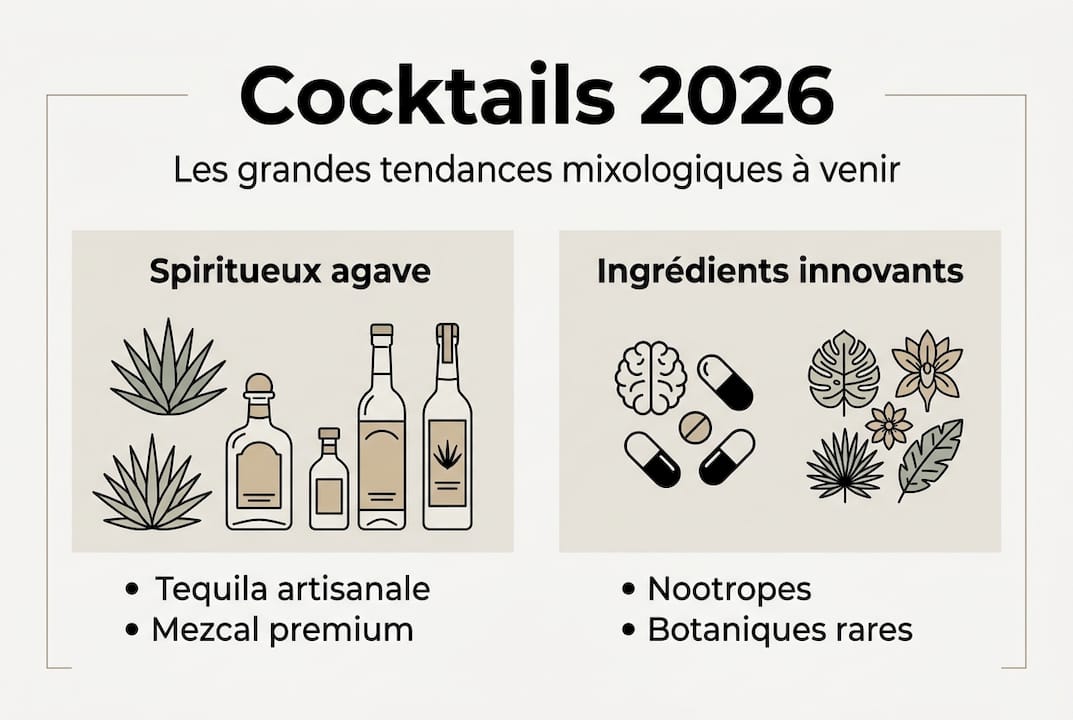
The spirits market is undergoing a spectacular transformation. Agave spirits are set to reach $18.58 billion by 2032, while nootropic-infused functional cocktails are redefining modern mixology. These developments reveal a new paradigm where artisanal quality, cognitive benefits, and cultural narratives converge. This guide explores six key trends shaping the world of craft cocktails in 2026, from innovative techniques to premium spirits that are transforming your tasting experience.
Table of Contents
- Key Takeaways
- The Rise of Agave Spirits: Craft Tequila and Mezcal
- The Growing Appeal of Functional and Wellness Cocktails
- Valuing Premium Spirits and Craft Production 2026
- Innovative Techniques and Ingredients for Unique Cocktails
- Explore Our Selection of Craft Spirits for Cocktails
- Frequently Asked Questions about 2026 Cocktail Trends
Key Points
| Point | Details |
|---|---|
| Rise of Agave Spirits | Agave spirits are experiencing sustained growth with craft tequila and mezcal, strengthening craftsmanship and terroir. |
| Functional Cocktails on the Rise | Nootropic and prebiotic infusions offer cognitive and digestive benefits, redefining bar offerings. |
| Local Craft Spirits | Craft and local production highlights terroir and traditional methods, favoring small batches. |
| Innovative Techniques and Ingredients | Techniques such as stone oven cooking and copper pot distillation enrich profiles and open creative possibilities. |
| Personalized Responsible Practices | Consumers seek personalized options and alcohol-free alternatives for more conscious consumption. |
The Rise of Agave Spirits: Craft Tequila and Mezcal
Agave spirits dominate the mixology scene with remarkable progress. Tequila shows a CAGR of 6% and mezcal 11%, reflecting the growing appetite for these complex distillates.
The fundamental distinction lies in production. Tequila comes exclusively from blue agave grown primarily in Jalisco, while mezcal uses various agave varieties in several Mexican regions. 100% agave versions guarantee superior aromatic purity, without the addition of industrial sugars.
Terroir plays a central role. Small producers favor ancestral methods: stone oven cooking for mezcal, natural fermentation, distillation in copper stills. These artisanal processes create unique flavor profiles, impossible to replicate industrially.
Cocktails directly benefit from this quality. A smoky mezcal transforms a classic Negroni, while a reposado tequila brings a vanilla complexity to contemporary margaritas. This versatility explains their massive adoption in innovative bars.
Characteristics of premium agave spirits:
- 100% agave certification without additives
- Small batch controlled production
- Aging in selected barrels
- Complete terroir traceability
- Distinctive aromatic profiles
Pro tip: Look for "artesanal" or "ancestral" labels on mezcal bottles. These designations guarantee traditional methods and superior quality.
| Type | Agave Used | Region | Aromatic Profile |
|---|---|---|---|
| Tequila Blanco | Blue agave | Jalisco | Herbal, peppery, fresh |
| Mezcal Espadín | Espadín agave | Oaxaca | Smoky, earthy, complex |
| Tequila Reposado | Blue agave | Jalisco | Vanilla, caramel, woody |
Modern craft cocktails integrate these spirits as a narrative base. Each bottle tells a story of terroir, family craftsmanship, and preserved tradition, elements that enthusiasts actively seek.
The Growing Appeal of Functional and Wellness Cocktails
Functional mixology is revolutionizing the cocktail experience. Nootropic and prebiotic infusions transform drinks into vehicles for cognitive and digestive benefits, meeting the expectations of more conscious consumption.
These cocktails incorporate active ingredients: L-theanine for relaxation, ginseng for energy, kombucha for probiotics, adaptogens like ashwagandha for stress management. Science meets mixology in balanced creations.
Avant-garde bars offer menus segmented by benefits. "Focus" cocktails to stimulate concentration, "calm" versions to promote relaxation, "digest" options to accompany meals. This functional approach redefines the traditional menu.
Alcohol itself is evolving. Low or no-alcohol spirits are gaining ground, allowing enjoyment of complex flavors without undesirable effects. This trend aligns perfectly with mindful consumption.
Popular functional ingredients:
- Nootropics: L-theanine, lion's mane, ginkgo biloba
- Adaptogens: ashwagandha, rhodiola, reishi
- Prebiotics: kombucha, water kefir, plant fibers
- Botanicals: chamomile, lavender, lemon balm
- Antioxidants: goji berries, açaí, matcha
Pro tip: Start with simple infusions. A gin infused with chamomile and lavender honey creates a soothing cocktail without excessive complexity. Infuse for 24 hours for optimal aromas.
"Functional mixology never sacrifices taste for benefits. Aromatic balance remains paramount; active ingredients must integrate harmoniously into the overall flavor profile."
This approach is part of a holistic vision of wellness. Customizing a cocktail becomes an act of self-care, where each ingredient contributes to a beneficial experience. Consumers seek this additional dimension, transforming the cocktail moment into an intentional ritual.
Valuing Premium Spirits and Craft Production 2026
Premium spirits are distinguished by precise criteria that guarantee exceptional quality. Total transparency on origin, production methods, and ingredients becomes non-negotiable for discerning enthusiasts.
Craft production favors small, controlled batches. Unlike industrial distilleries that produce millions of liters, artisans create a few hundred bottles per batch. This meticulous control allows for adjusting every parameter for consistent quality.
Local and organic ingredients define authenticity. A premium Italian gin uses regional botanicals: Tuscan juniper, Sicilian citrus, alpine herbs. This territorial approach creates profiles impossible to replicate elsewhere.
Narrative amplifies perceived value. Each bottle tells the story of the distiller, the terroir, and cultural inspirations. Consumers are not just looking for a spirit, but a complete narrative experience that enriches the tasting moment.
| Criterion | Craft Spirit | Industrial Spirit |
|---|---|---|
| Production Volume | Small batches (hundreds) | Large scale (millions) |
| Ingredients | Local, organic, traceable | Standardized, imported |
| Process | Traditional methods | Full automation |
| Customization | Batch adjustments | Fixed uniform recipe |
| Narrative | Detailed unique story | Generic marketing |
The criteria defining a premium spirit also include sustainability. Responsible producers adopt ecological practices: energy-efficient distillation, recyclable packaging, support for local communities. This ethical dimension strongly resonates with conscious consumers.
Steps to identify an authentic craft spirit:
- Verify complete ingredient traceability
- Look for organic or fair trade certifications
- Identify the distiller's name and story
- Examine transparency regarding production methods
- Confirm limited production volumes
- Evaluate consistency between narrative and product
Terroir profoundly influences the final character. The water used, the aging climate, local wild botanicals create a unique taste signature. This geographical dimension transforms each spirit into an ambassador of its region of origin.
Innovative Techniques and Ingredients for Unique Cocktails
Mixology techniques are rapidly evolving, offering unprecedented creative possibilities. Controlled fermentation transforms fruit juices into complex shrubs, adding depth and natural acidity to cocktails. This ancestral method is making a strong comeback.
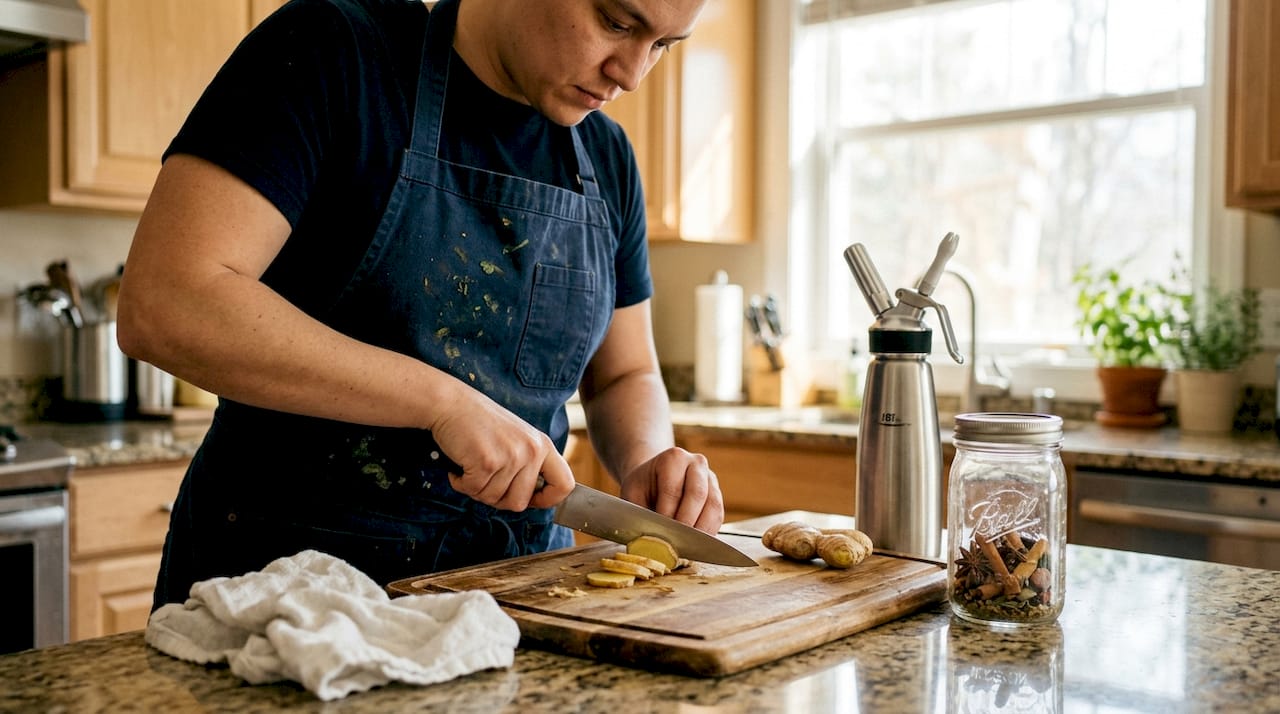
Vacuum infusions accelerate aromatic extraction. In a few hours, you get infused spirits that would normally take several weeks. The technique preserves delicate volatile notes, impossible to capture by traditional maceration.
Rare ingredients create distinctive signatures. Hand-harvested wild botanicals, artisanal bitters with unique profiles, local plant hydrosols. These narrative elements transform a standard cocktail into a memorable creation.
Clarification by centrifugation produces visually surprising cocktails. A transparent Bloody Mary retains all its aromatic complexity while defying visual expectations. This technique illustrates the fusion of science and art.
Emerging mixology techniques in 2026:
- Fat washing for texture and umami flavors
- Forced carbonation for controlled effervescence
- Accelerated aging in miniature barrels
- Rotary distillation for pure extracts
- Spherical gelification for innovative textures
Pro tip: Master classic techniques first before exploring innovations. A perfect balance of sweet, sour, bitter, and alcohol remains the foundation of any great cocktail, regardless of the technique used.
Personalization becomes accessible. The best gin-based cocktails come in versions adapted to individual preferences. Adjust bitterness, modify botanicals, vary garnishes to create your personal signature.
Flavor pairings are becoming more sophisticated. Understanding the difference between gin and vodka allows choosing the optimal base for each creation. Gin brings botanical complexity, vodka offers a neutral canvas for other flavors.
International trends show a convergence towards authenticity. Flashy techniques give way to approaches respectful of ingredients, where each element shines without excessive artifice. This minimalist philosophy values intrinsic quality.
Explore Our Selection of Craft Spirits for Cocktails
You've just discovered the trends redefining modern mixology. Now, transform this knowledge into concrete experiences with spirits that embody these values of authenticity and innovation.
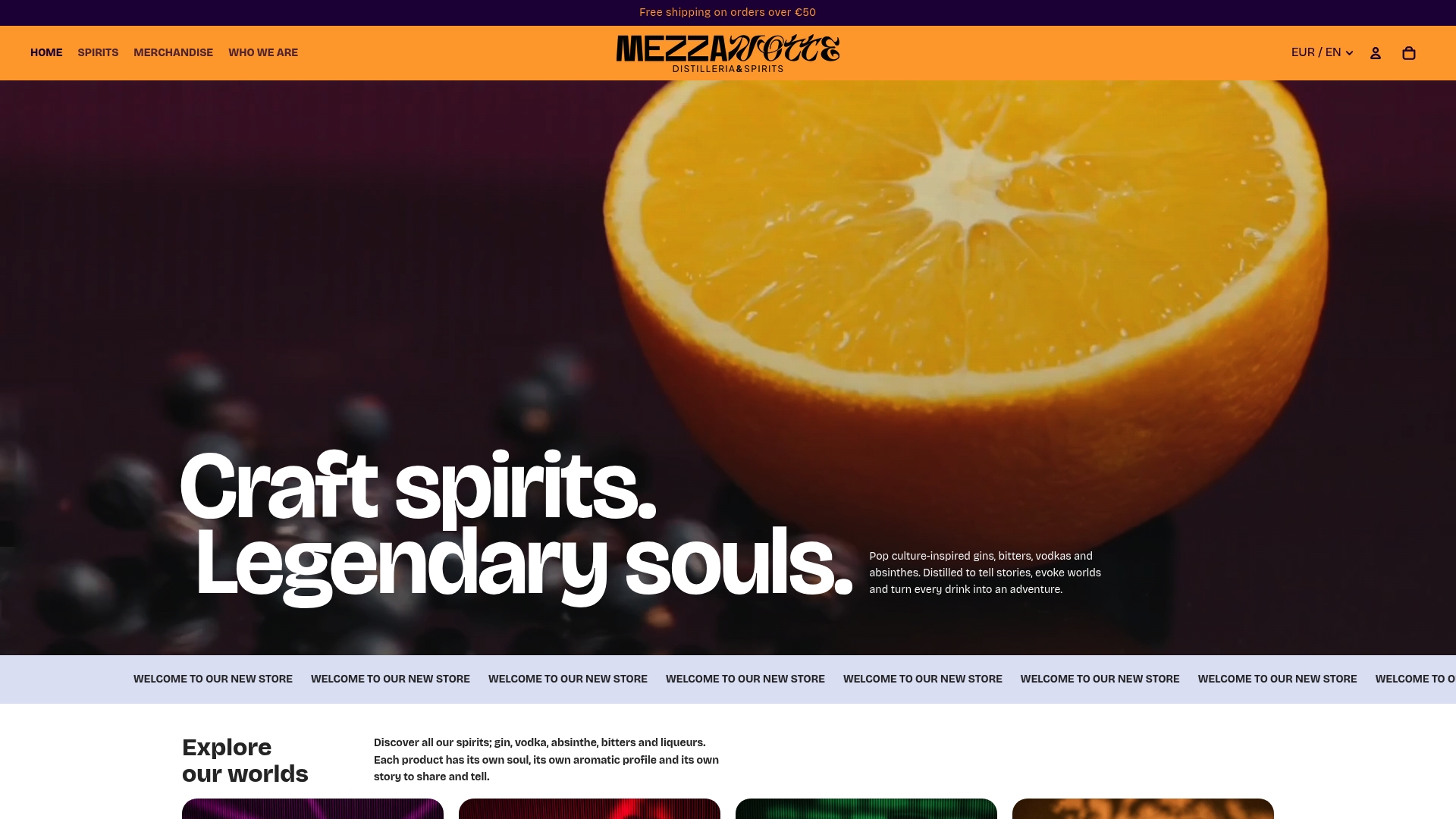
Our collection of Italian craft gins brings together unique creations inspired by pop culture, ancient myths, and regional traditions. Each bottle tells a story, uses local botanicals, and offers aromatic profiles impossible to find elsewhere. These premium spirits integrate perfectly into the functional and narrative cocktails you wish to create.
Also discover our range of craft vodkas that redefine this often-underestimated spirit. Distilled with precision, these vodkas offer exceptional purity while retaining the character of their original ingredients. Perfect as a neutral base for your innovative creations or enjoyed neat to appreciate their intrinsic quality.
Frequently Asked Questions about 2026 Cocktail Trends
What is the difference between craft tequila and mezcal?
Tequila exclusively uses blue agave from Jalisco, while mezcal comes from various agave varieties grown in several Mexican regions. Mezcal generally undergoes stone oven cooking, which creates its characteristic smoky notes, absent in tequila. Both require 100% agave certification to guarantee premium quality.
What are the benefits of functional cocktails?
Functional cocktails incorporate active ingredients like nootropics to improve concentration, adaptogens to manage stress, and prebiotics to aid digestion. These elements transform the cocktail into a wellness experience without sacrificing taste enjoyment. L-theanine, for example, provides alert relaxation while softening the effects of alcohol.
How to recognize an authentic premium spirit?
Verify complete ingredient traceability, look for organic certifications, and identify the distiller with their story. Premium spirits show total transparency about their production methods, use quality local ingredients, and produce in small, controlled batches. Consistent and detailed storytelling distinguishes authenticity from superficial marketing.
What techniques can make a cocktail unique?
Vacuum infusions accelerate aromatic extraction while preserving delicate notes. Controlled fermentation creates complex shrubs with natural acidity. Fat washing adds surprising texture and umami flavors. Clarification by centrifugation produces visually intriguing transparent cocktails. Master classic balances first before exploring these innovations.
Where to find innovative craft spirits?
Look for platforms specializing in craft distillates that value storytelling and quality. Collections dedicated to small producers offer unique creations impossible to find in large distribution. Favor websites that detail the origin, production methods, and the story behind each bottle to guarantee authenticity.
Recommendation
- Craft Cocktails Guide: Master Recipes and Techniques 2026 – Mezzanotte | Distilleria & Spirits
- How to personalize an Italian cocktail in 2026 – Mezzanotte | Distilleria & Spirits
- 7 London Dry Gin Cocktails to Try in 2026 – Mezzanotte | Distilleria & Spirits
- Top 6 Vodka Cocktails in 2026 for Mixology Enthusiasts – Mezzanotte | Distilleria & Spirits