

Discover 5 types of artisanal Italian vodka with unique profiles, native grains, and award-winning design. Complete guide to choosing your perfect vodka.
Artisanal Italian Vodka: 5 Types with 40% More Aroma
Mar 3, 2026

Choosing an authentic artisanal Italian vodka can be a challenge when you're looking for quality, cultural history, and distinctive design in a single product. The artisanal revolution in Italy has created vodkas with unique aromatic profiles that combine native grains, mountain waters, and fascinating cultural narratives. This article guides you step-by-step to identify the best types of artisanal Italian vodka according to your preferences and consumption occasions.
Table of Contents
- Criteria for choosing an artisanal Italian vodka
- Types and characteristics of artisanal Italian vodka
- Sensory and use comparison of artisanal Italian vodkas
- Design, cultural narrative, and market positioning
- Comparative summary and recommendations by use
- Discover and buy authentic artisanal Italian vodka at Mezzanotte
- Frequently asked questions about types of artisanal Italian vodka
Key Points
| Point | Details |
|---|---|
| Ingredient origin | Native grains and high-mountain water define purity and distinctive aromatic profile |
| Unique varieties | Each type offers different sensory notes, from toasted hazelnut to Mediterranean freshness |
| Design and narrative | Cultural history and packaging elevate the consumption experience and add collectible value |
| Sensory comparison | Analyzing texture, flavor, and distillation method helps choose the ideal vodka for each use |
| Price range | The Italian artisanal premium segment is accessible, with options between 25 and 50 euros |
Criteria for choosing an artisanal Italian vodka
Selecting a high-quality artisanal Italian vodka requires understanding what factors determine its authenticity and excellence. The first fundamental criterion is the grain used. The importance of grain origin and types used directly influences the aromatic profile and final texture. Artisanal Italian vodkas stand out for using ancient varieties such as Russello, Senatore Cappelli, monococco, and Gentil Rosso, each contributing unique notes ranging from subtle hints of hazelnut to more robust bodies.
The second criterion is the origin of the water. High-mountain water, pure and low in minerals, becomes a decisive factor in achieving the characteristic smoothness. Italian artisanal producers select specific sources from the Alps or Apennines to ensure absolute purity. Artisanal distillation, usually triple or quadruple, defines the degree of smoothness and the complexity of the final body.
Bottle design and cultural narrative are critical differentiators in the artisanal market. International awards received by many Italian vodkas for their design confirm that packaging is not incidental but an integral part of the experience. Look for brands that tell authentic stories linked to regional tradition, local myths, or pop culture. To delve deeper into this aspect, consult how to identify authentic artisanal spirits.
Professional tip: Check that the label mentions the specific type of grain used and the region of origin of the water. These details are clear signs of transparency and artisanal quality.
In addition, consider these essential factors when evaluating options:
- Artisanal production certifications and recent international awards
- Transparency in the distillation process and number of cycles performed
- Presence of detailed information on native Italian ingredients
- Reviews from mixology experts and specialized spirits critics
With these clear criteria, you will better understand each type of artisanal Italian vodka presented below and make informed decisions based on your personal preferences.
Types and characteristics of artisanal Italian vodka
Artisanal Italian vodka is distinguished by its diversity of regional ingredients and unique production methods. Italian vodkas use ancient regional grains and high-mountain water to create unique flavors not found in mass production. Prominent brands like Eugin, Altamura Distilleries, Verità, Blu Lie, and Masca have revolutionized the Italian artisanal landscape with innovative and authentic proposals.
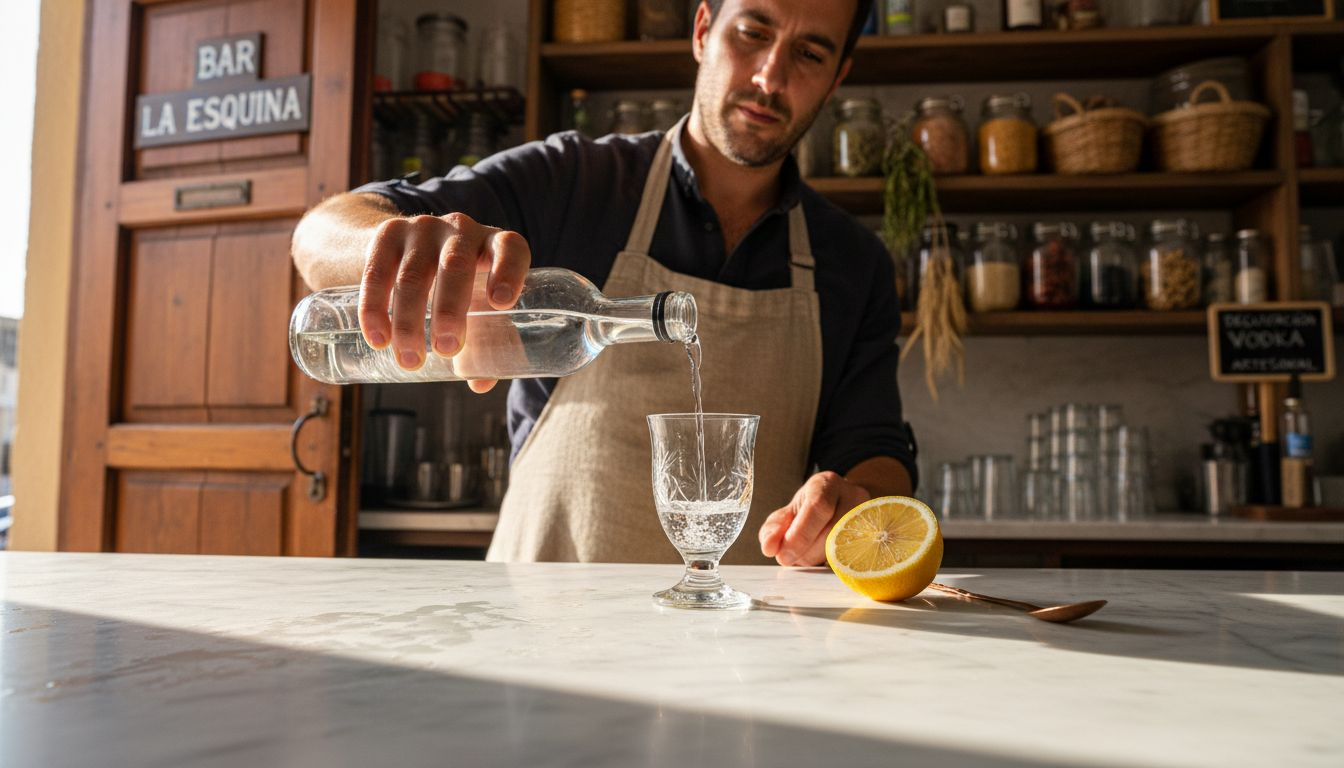
Eugin Vodka uses native grains from southern Italy, creating a smooth profile with slight sweet notes that make it ideal for sophisticated cocktails. Altamura Distilleries works with Senatore Cappelli durum wheat from Puglia, resulting in a medium-bodied vodka with subtle toasted notes. Verità Vodka stands out for its triple distillation with alpine spring water, offering exceptional purity perfect for tasting neat or on the rocks.
Blu Lie, produced in Trieste, integrates local cultural narratives into its exclusive design and offers fresh Mediterranean aromatic expressions. Masca Vodka blends artisanal distillates to create complex aromatic profiles that combine tradition with innovation. This unique technique results in a vodka with layers of flavor that evolve on the palate.
The use of ancient grains marks significant differences:
- Russello contributes toasted hazelnut notes and a silky texture
- Senatore Cappelli generates a robust body with subtle herbaceous nuances
- Monococco offers delicate freshness and lightness on the palate
- Gentil Rosso creates more complex profiles with floral hints
High-mountain water from the Alps or Apennines contributes to the characteristic smoothness, reducing the harshness typical of industrial vodkas. To learn more about the evolution of these varieties, visit history and varieties of artisanal Italian vodka.
Innovation in the Italian artisanal sector is also reflected in experimentation with distillation techniques. Some producers perform quadruple distillation to maximize purity, while others prefer triple distillation to preserve the aromatic characteristics of the grain. If you are interested in better understanding the differences with other spirits, consult differences between vodka and gin.
Sensory and use comparison of artisanal Italian vodkas
Analyzing the textures, flavors, and distillation methods helps you select the artisanal Italian vodka that best suits your occasion and personal taste. The diversity in sensory profiles and textures according to region and method creates options for every preference, from tasting neat to preparing complex cocktails.
| Brand | Texture | Flavor Profile | Method | Recommended Use |
|---|---|---|---|---|
| Verità | Silky and smooth | Pure, neutral with sweet notes | Triple distillation | Neat on ice or classic Martini |
| Eugin | Balanced | Subtle sweet notes, grain | Triple distillation | Sophisticated cocktails, premium mixes |
| Blu Lie | Fresh and light | Mediterranean, soft citrus | Quadruple distillation | Moscow Mule, refreshing drinks |
| Altamura | Medium body | Toasted, herbaceous | Triple distillation | Neat tasting, Negroni Bianco |
| Masca | Complex | Aromatic layers, evolving on the palate | Blend of distillates | Creative cocktails, experimentation |
Regional differences are significant. Vodkas from northern Italy, near the Alps, tend to be lighter and fresher thanks to alpine meltwater. Those from the south, made with hard grains like Senatore Cappelli, have a fuller body and toasted notes. Each region contributes its unique identity to the final product.
To maximize your experience according to the occasion, follow this practical guide:
- Neat tasting: Choose Verità or Altamura, serve chilled in a lowball glass
- Classic cocktails: Eugin works perfectly in a Cosmopolitan or premium Vodka Tonic
- Refreshing summer drinks: Blu Lie shines in a Moscow Mule or vodka Spritz
- Mixological experimentation: Masca allows for innovative combinations with herbs and spices
- Gift for collectors: Any with premium design and distinctive cultural narrative
Professional tip: Taste the vodka neat first to identify its characteristic notes before using it in cocktails. This helps you choose complementary ingredients that enhance, rather than mask, its unique profile.
The distillation technique directly impacts the final result. Triple distillation balances purity with the preservation of grain aromas. Quadruple distillation maximizes smoothness but can reduce aromatic complexity. Italian artisanal producers select the method according to the desired profile and the grain used.
To inspire you with specific preparations, explore artisanal Italian vodka cocktail recipes that leverage the unique characteristics of each variety.
Design, cultural narrative, and market positioning
The design and cultural history behind each bottle add tangible value that goes beyond the liquid. Storytelling as a competitive differentiator in niche markets elevates perception and builds loyalty among consumers seeking complete experiences, not just products.
Artisanal Italian vodkas have won international awards not only for quality but also for bottle design. These recognitions confirm that packaging communicates brand values and tradition. Blu Lie stands out for its exclusive design and local narrative that connects with Trieste's maritime history, creating an immersive cultural experience.
Each artisanal Italian brand builds its identity around specific cultural elements:
- Verità links its name and minimalist design to the search for purity and truth in distillation
- Eugin integrates references to southern Italian agricultural tradition into its label and narrative
- Blu Lie celebrates Adriatic heritage with illustrations that evoke the sea and local legends
- Masca incorporates elements of pop culture and modernity in its contemporary presentation
For collectors and pop culture enthusiasts, these bottles become conversation pieces that adorn personal bars. The value for collectors increases when production is limited or the narrative connects with current cultural trends. The consumption experience is enriched by knowing the story behind each spirit.
Careful design also reflects Italian regional identity. Artisanal producers use local iconography, colors that evoke specific landscapes, and typographies that refer to regional graphic traditions. This level of detail communicates authenticity and commitment to excellence in every aspect of the product.
Consumer loyalty is built when the brand offers a coherent narrative that resonates with personal values. Lovers of artisanal Italian vodka value knowing who is behind the product, what specific ingredients are used, and what cultural history is preserved. This transparency generates trust and justifies the premium price.
Comparative summary and recommendations by use
After analyzing criteria, types, and sensory characteristics, this final comparative table helps you make the best decision according to your specific occasion and preference.
| Brand | Grain | Water | Sensory Profile | Approx. Price | Best For |
|---|---|---|---|---|---|
| Verità | Italian wheat | Alps | Pure, neutral, smooth | 35-40€ | Neat tasting, Martini |
| Eugin | Southern grains | Apennines | Subtle sweet, balanced | 30-38€ | Premium cocktails, mixes |
| Blu Lie | Select wheat | Local springs | Fresh, Mediterranean | 38-45€ | Moscow Mule, collectors |
| Altamura | Senatore Cappelli | Puglia | Toasted, medium body | 32-40€ | Neat, Negroni Bianco |
| Masca | Artisanal blend | High mountain | Complex, aromatic layers | 40-50€ | Experimentation, creativity |
The average price between 25 and 50 euros in the Italian artisanal premium segment makes these vodkas accessible to enthusiasts looking for quality without reaching extreme luxury prices. This quality-price ratio positions artisanal Italian vodka as a smart option compared to more expensive but less distinctive international brands.
Specific recommendations for your situation:
- If you're looking for the purest vodka to taste: Verità offers exceptional neutrality with alpine smoothness
- For sophisticated cocktails at home: Eugin provides subtle notes that complement ingredients without dominating them
- If you value design and cultural narrative: Blu Lie and Altamura combine liquid quality with authentic storytelling
- For a gift to a connoisseur: Masca impresses with its complex profile and contemporary presentation
- If you're starting your exploration: Eugin offers versatility and balanced pricing for experimentation
To confidently purchase these artisanal Italian vodkas, visit specialized online stores that guarantee authenticity and proper storage. Explore options at buy artisanal Italian vodka with secure shipping and detailed descriptions of each variety.
Professional tip: Start with a mid-range bottle like Eugin or Altamura to familiarize yourself with the Italian artisanal profile. Then expand your collection to more specific options based on your identified preferences.
If you want to delve deeper into the history and evolution of these varieties before buying, consult exploring Italian vodka varieties to understand the complete cultural context.
Discover and buy authentic artisanal Italian vodka at Mezzanotte
Now that you know the criteria, types, and characteristics of the best artisanal Italian vodkas, it's time to apply this knowledge. Mezzanotte offers a curated selection of artisanal Italian vodka with certified quality and unique cultural narratives that transform every glass into a memorable experience.

Our specialized platform features artisanal Italian spirits with authentic storytelling and internationally awarded design. Every bottle in our catalog has been selected for its excellence in ingredients, distillation technique, and commitment to Italian artisanal tradition. We offer secure shipping, detailed descriptions of sensory profiles, and personalized attention to help you choose the perfect vodka for your occasion.
Explore our complete collection and discover exclusive offers for high-quality spirits enthusiasts. To delve deeper into the world of artisanal vodka before your purchase, visit our guide on artisanal Italian vodka with additional information on history, production, and current trends in 2026.
Frequently Asked Questions about Types of Artisan Italian Vodka
What makes artisan Italian vodka unique?
Artisan Italian vodka stands out due to its use of ancient native grains such as Russello, Senatore Cappelli, and monococco, which provide unique aromatic profiles impossible to replicate with industrial grains. High-mountain water from the Alps or Apennines guarantees exceptional purity and distinctive smoothness. Furthermore, small-batch production with artisanal triple or quadruple distillation preserves organoleptic characteristics that mass productions lose.
How to choose Italian vodka according to the occasion?
For pure tasting or on the rocks, select triple-distilled vodkas with a neutral profile like Verità, which are renowned for their smoothness. If you are preparing classic cocktails, choose balanced options like Eugin that complement ingredients without overpowering them. For refreshing summer drinks, vodkas with fresh Mediterranean notes like Blu Lie work perfectly. If you are looking for a gift for collectors, prioritize premium design and cultural narrative like Masca or Altamura.
Where to buy quality artisan Italian vodka?
Purchase from specialized online stores that guarantee authenticity, proper storage, and secure shipping of premium spirits. Platforms specializing in artisan Italian spirits offer curated selections with detailed descriptions of sensory profiles and ingredient origins. Verify that the store provides transparent information about producers, awards received, and distillation processes to ensure you are buying genuine products.
What are the differences between the grains used in Italian vodka?
Russello contributes toasted hazelnut notes with a silky texture, ideal for pure tasting. Senatore Cappelli generates a more robust body with subtle herbaceous nuances, perfect for characterful cocktails. Monococco offers delicate freshness and lightness on the palate, preferred for refreshing mixes. Gentil Rosso creates complex profiles with floral hints, appreciated by connoisseurs seeking unique sensory experiences.
Does bottle design influence product quality?
While design doesn't directly determine liquid quality, it is a reliable indicator of the producer's commitment to excellence in all aspects. Artisan brands that invest in internationally awarded design generally maintain the same quality standard in ingredients and distillation. Packaging communicates values of authenticity, tradition, and attention to detail that reflect the production philosophy. For collectors, design adds cultural and experiential value that enriches consumption beyond taste.
Recommendation
- Top 6 Vodka Cocktails in 2026 for Mixology Enthusiasts – Mezzanotte | Distilleria & Spirits
- Vodka Cocktails: 3 recipes for 70% of mixologists 2026 – Mezzanotte | Distilleria & Spirits
- 5 Types of Artisan Italian Gin 2026: Expert Guide – Mezzanotte | Distilleria & Spirits
- What characterizes an artisan bitter: 30 unique botanicals – Mezzanotte | Distilleria & Spirits