

Discover why gin dominates mixology in 2026: from the rise of craft gins to low-ABV trends and innovative techniques that transform each drink into a unique sensory experience.
Why gin is in vogue: trends and culture 2026
Mar 20, 2026

Gin has experienced explosive growth in recent years, becoming the preferred spirit for a new generation of consumers. Sales of artisanal gin grew +60% in Argentina between 2019 and 2024, while in Spain and other European markets, the gin and tonic has become the emblematic cocktail of bars and social events. This phenomenon is not by chance: it responds to a unique combination of artisanal innovation, visual aesthetics, refined cocktail culture, and a search for authentic experiences by increasingly demanding consumers.
Table of Contents
- Key points about the gin trend
- The gin and tonic revolution: versatility and aesthetics
- The rise of artisanal gins and premiumization
- Gin in classic cocktails and trends in 2026
- Global outlook and gin market perspectives in 2026
- Discover our collection of Italian artisanal gin
- Frequently asked questions about the gin trend
Key points about the gin trend
| Point | Details |
|---|---|
| Gin and tonic drives popularity | Its versatility and aesthetic presentation make it the most shared cocktail on social media and in premium bars |
| Rise of artisanal gins | More than 300 national brands in Argentina and sustained growth in production with local and sustainable botanicals |
| Importance in classic cocktails | Gin regains prominence in Martini and Negroni, driven by precise techniques and Low-ABV trends |
| Moderate global growth | Stable market with +2% in volume 2024 and a focus on premium, with Latin America leading regional expansion |
The gin and tonic revolution: versatility and aesthetics
The gin and tonic has transformed into much more than a simple drink: it is a complete sensory experience that combines taste, aroma, and visual presentation. The gin and tonic is the fourth most chosen cocktail in Argentina, driven by constant innovation in premium tonics and botanical garnishes that personalize each drink. This versatility allows the cocktail to be adapted to different palates, from citrusy and fresh profiles to spiced and herbal combinations that surprise even the most experienced drinkers.
Innovation in tonics has been fundamental to this boom. Specialized brands now offer versions with specific botanicals, different levels of bitterness, and even tonics with floral or fruity flavors that complement the notes of the base gin. This diversity allows for endless combinations, turning each gin and tonic into a unique creation that reflects the personal style of the consumer or bartender. The essential gin and tonic guide explores these combinations in practical detail.
The visual aesthetics of the gin and tonic play a crucial role in its current popularity. Balloon glasses, filled with spherical or large block ice, decorated with colorful and aromatic garnishes, have become viral content on Instagram and other social platforms. This visual dimension is not superficial: it reflects the care and attention to detail that characterize contemporary gin culture, where every element has a specific sensory purpose.
The most popular garnishes include:
- Citrus fruits like pink grapefruit, lime, and lemon, which provide freshness and balanced acidity
- Aromatic herbs like rosemary, basil, and thyme, which intensify herbal notes of the gin
- Edible flowers like lavender and rose petals, which add an olfactory dimension
- Whole spices like pink pepper, cardamom, and star anise, for more complex profiles
- Cucumber and ginger, which offer freshness and a spicy touch respectively
Professional tip: Choose your tonic according to the gin's profile. For classic London Dry gins, a neutral tonic highlights the base botanicals. For gins with intense floral or citrus botanicals, try tonics with lower bitterness that do not compete with those flavors. The garnish should complement, not dominate, the main notes of the spirit.
The cocktail trends for 2026 confirm that personalization and visual presentation will remain fundamental pillars. Consumers seek memorable experiences that they can share, and the gin and tonic offers exactly that combination of quality, aesthetics, and versatility that defines today's premium beverage culture.
The rise of artisanal gins and premiumization
The explosion of artisanal gins represents one of the most significant changes in the spirits market of the last decade. With more than 300 national brands in Argentina alone and hundreds more in Spain, Italy, and other producing countries, artisanal gin has evolved from an exclusive niche to a mainstream category that redefines expectations of quality and authenticity. This growth responds to consumers seeking products with history, transparent production techniques, and a genuine connection to their origin.
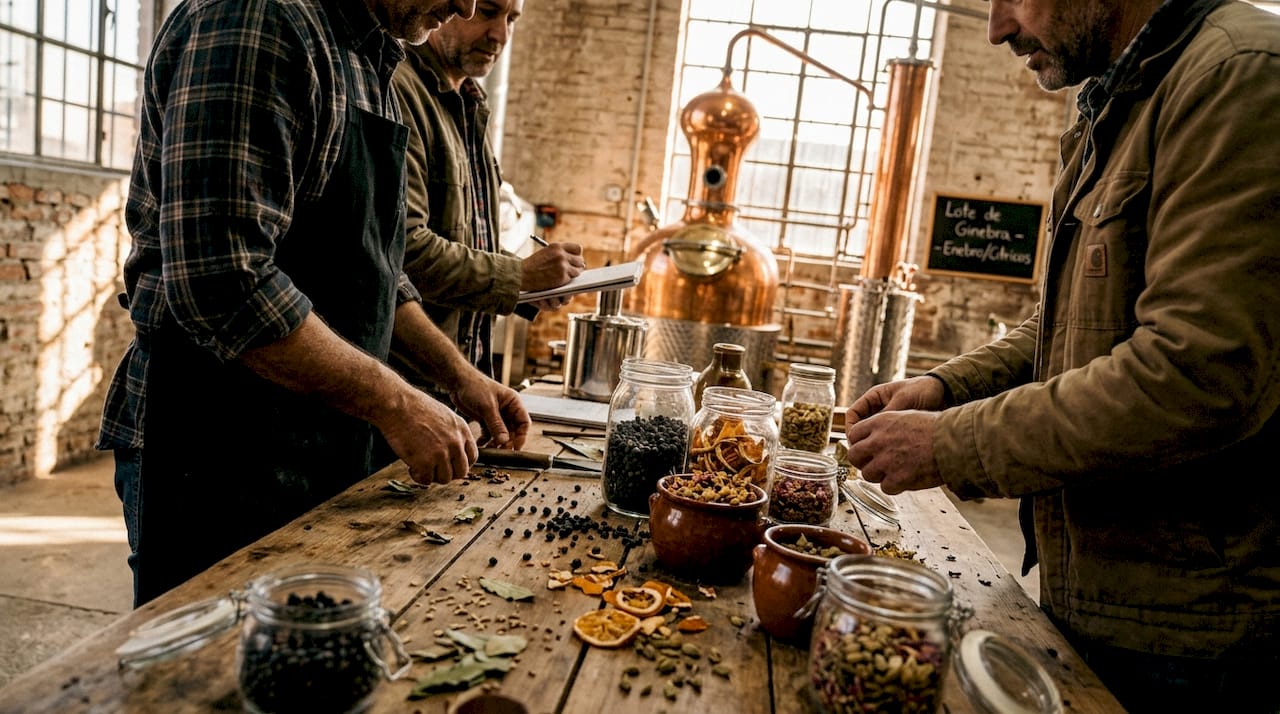
The preference for local and sustainable ingredients marks a fundamental difference between artisanal gins and mass industrial production. Small and medium-sized distilleries use native botanicals, from wild juniper to regional aromatic herbs, creating unique flavor profiles that reflect the cultural identity of each place. This approach not only generates distinctive products but also supports local supply chains and sustainable agricultural practices that resonate with conscious consumer values.
| Characteristic | Artisanal Gin | Industrial Gin |
|---|---|---|
| Production | Small batches, careful distillation | Mass volume, automated processes |
| Botanicals | Manual selection, traceable origin | Standardized blends, mass purchasing |
| Average price | €35-80 per bottle | €15-25 per bottle |
| Innovation | High, constant experimentation | Limited, established formulas |
The artisanal gin consumer seeks much more than an alcoholic beverage: they seek authenticity, exclusivity, and a cultural connection with the product. This profile values the storytelling behind each bottle, from the history of the distillery to the provenance of each botanical used. Premiumization is not just about higher prices, but about a complete experience that includes thoughtful label design, limited presentations, and the possibility of discovering flavors not found in mass productions.
The impact on prices and global positioning has been remarkable. While industrial gins compete mainly on price and availability, artisanal gins build value through differentiation and perceived quality. This shift has raised the overall market standard, forcing even large brands to launch premium lines or special editions that mimic the artisanal approach. The use of botanicals in gin explores how these choices define the unique character of each spirit.
Highlighted examples include:
- Argentine distilleries using yerba mate and Andean citrus to create distinctive South American profiles
- Spanish producers incorporating orange blossom, Mediterranean rosemary, and olives in their recipes
- Italian brands reviving amari and bitter traditions to create complex hybrid gins
- New entrants in Mexico and Chile experimenting with agaves, chilies, and native tropical fruits
Professional tip: When choosing an artisanal gin, research the distillery's history and the botanicals used. The best brands are transparent about their production process and ingredient sourcing. A genuine artisanal gin should have its own personality, not try to mimic classic profiles. Artisanal production and techniques offers insights into these distinctive methods.
The 2024 gin market report confirms that premiumization will continue to be the main growth driver, with consumers willing to pay more for products that offer authentic experiences and verifiable quality. This cultural shift has democratized access to high-end spirits, making artisanal gin an accessible category for enthusiasts who value craftsmanship over mass production.
Gin in classic cocktails and trends in 2026
Gin has regained its dominant position in classic cocktails, driven by a new generation of bartenders rediscovering historical recipes and adapting them with contemporary techniques. In the United States, the Martini is boosting gin over vodka thanks to a more artisanal culture and appreciation for the botanical complexity that only gin can offer. This trend is replicated globally, with the Negroni experiencing a similar revival in Europe and Latin America, where consumers seek balanced bitterness and sophisticated flavor profiles.
The trend towards low-alcohol beverages, known as Low-ABV, is transforming how gin is consumed. Gin spritzes, lengthened versions of classic cocktails, and mixtures with vermouth and bitter allow for prolonged cocktail experiences without the impact of strong alcohol. This approach responds to cultural changes where responsible consumption and moderation are valued as much as taste and quality. Cocktails with London Dry Gin demonstrate this versatility in classic and modern applications.
Innovation in preparation techniques has elevated gin cocktails to levels of scientific precision. Fat-washing, where aromatic fats infuse the spirit to create silky textures and complex flavors, has become common in high-end bars. Shrubs, fermented fruit vinegars that add acidity and depth, offer alternatives to fresh citrus. Cocktail clarification using centrifugation or milk washing produces crystal-clear drinks with intense flavors and striking presentations. These creative cocktail techniques require precision but generate memorable results.
The cultural shift towards sensory experiences and precise rituals has turned gin cocktail preparation into an almost ceremonial act. From the exact temperature of the ice to the stirring or shaking method, every detail influences the final result. This level of attention reflects respect for the base spirit and the desire to extract its maximum potential. The sensory art of cocktail making explores this experiential dimension that defines current culture.
| Type of gin | Profile | Best use in cocktails |
|---|---|---|
| London Dry | Dry, prominent juniper, classic | Martini, traditional gin and tonic, Aviation |
| Contemporary/New Western | Diverse botanicals, secondary juniper | Creative cocktails, fruit mixes |
| Old Tom | Slightly sweet, historical | Tom Collins, Martinez, vintage cocktails |
| Navy Strength | High proof (57%+), intense | Negroni, Last Word, cocktails with dilution |
| Non-alcoholic | Botanicals without ethanol | Mocktails, responsible consumption, Low-ABV |
Steps to prepare a perfect gin Martini:
- Chill the Martini glass in the freezer for at least 15 minutes before serving
- Combine 60ml London Dry Gin with 10ml dry vermouth in a mixing glass with ice
- Stir gently for 30 seconds to chill without over-diluting
- Strain into the chilled glass and express lemon peel oils over the surface
- Add an olive or lemon twist as a final garnish
Trends for 2026 indicate that experimentation will continue, but with a greater emphasis on sustainability and full utilization of ingredients. Bartenders are creating syrups and cordials with fruit and herb parts that were traditionally discarded, reducing waste while generating unique flavors. Non-alcoholic gins and low-ABV versions will continue to gain ground, offering options for consumers seeking cocktail experiences without alcoholic compromise.
Global outlook and gin market perspectives in 2026
The global gin market has reached a maturity phase after the explosive boom of previous years, with moderate but sustained growth focused on premium segments and emerging markets. Global growth was +2% in volume during 2024 and +1% in the first months of 2025, reflecting stabilization after years of accelerated expansion. This shift does not indicate decline, but rather an evolution towards more selective and conscious consumption, where quality outweighs quantity as a decisive purchasing factor.
Latin America stands out as the most dynamic growth region, with a compound annual growth rate (CAGR) of +1.3% projected until 2030. Argentina leads this movement with its robust ecosystem of artisanal producers and a consumer culture that values experimentation and local products. Spain maintains its position as a mature market with high per capita consumption, while Mexico and Chile emerge as promising territories where premium cocktail culture is rapidly expanding.
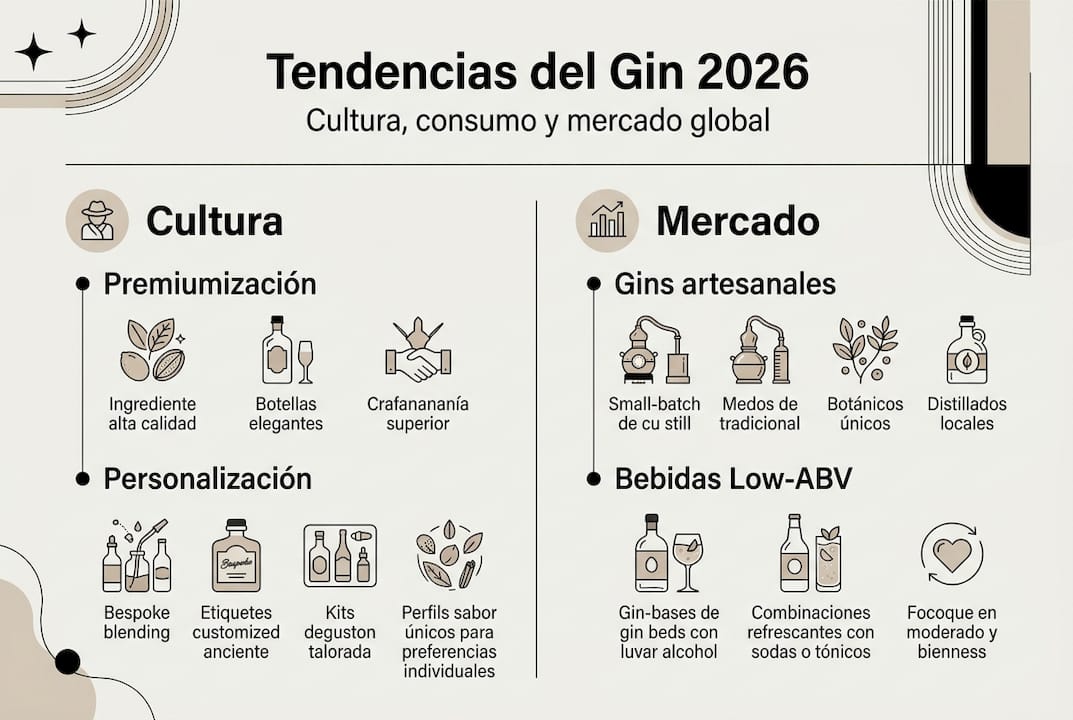
| Region | Growth 2024-2026 | Market Value 2026 | Dominant Trend |
|---|---|---|---|
| Western Europe | +0.8% CAGR | €4.2 billion | Premiumization and local gins |
| North America | +1.5% CAGR | $2.8 billion | Classic cocktails and craft spirits |
| Latin America | +1.3% CAGR | $890 million | Artisanal production and native botanicals |
| Asia-Pacific | +2.1% CAGR | $1.6 billion | Adoption of Western cocktail culture |
Projections for Spain indicate a stable market with opportunities in ultra-premium segments and limited editions that appeal to collectors and enthusiasts. Argentina faces economic challenges but maintains strong domestic demand and growing export potential to neighboring markets. The Argentina gin market report details these dynamics with in-depth sectoral analysis.
Factors affecting market maturation include saturation in some segments, where the proliferation of brands makes genuine differentiation difficult. Consumers are becoming more educated and selective, preferring brands with clear value propositions over unsubstantiated novelties. Product diversification, with non-alcoholic gins, low-ABV versions, and seasonal expressions, allows producers to capture different consumption occasions and demographic segments.
Market consolidation is also underway, with large groups buying successful craft distilleries to access their innovation capabilities and craft credibility. This trend creates tensions between authenticity and scale, but also injects resources that allow small producers to expand without losing identity. The balance between commercial growth and the preservation of artisanal values will be crucial for the future of the sector.
Mid-term prospects are optimistic for brands that manage to communicate authentic value, maintain consistent quality, and adapt to the changing preferences of increasingly sophisticated consumers. Gin has evolved from a passing fad to an established category with solid foundations, positioning itself as the premium spirit par excellence for the next decade.
Discover our collection of Italian craft gin
If this journey through gin culture and trends has piqued your curiosity, we invite you to explore our selection of Italian craft spirits that embody precisely the values of authenticity and quality we have discussed. At Mezzanotte, we offer craft gin made with selected botanicals and traditional techniques that respect the essence of each ingredient.

Our collection reflects the passion for craft distillation and the cultural storytelling that defines contemporary gin. Each bottle tells a unique story, from the selection of juniper to the final notes you discover in every sip. We complement our offering with Italian craft vodka and official merchandise for those who appreciate the culture of premium spirits. Discover how Italian tradition meets innovation in every product we carefully select for enthusiasts like you.
Frequently asked questions about the gin trend
Why is gin and tonic so popular right now?
Gin and tonic combines flavor versatility, striking visual aesthetics, and ease of customization, making it the ideal cocktail for the social media era. Constant innovation in premium tonics and botanical garnishes allows for the creation of unique experiences tailored to every palate, while its presentation in balloon glasses generates attractive visual content that boosts its popularity in bars and social events.
What is the difference between craft gin and traditional gin?
Craft gin is produced in small batches with manual selection of traceable botanicals and careful distillation techniques that prioritize quality over volume. Unlike industrial productions that use standardized formulas and automated processes, craft gins reflect the identity of the territory and the distiller's vision, creating unique flavor profiles impossible to replicate massively. This approach generates products with their own personality and genuine cultural connection.
How to choose the right gin for different cocktails?
For classic cocktails like Martini or Negroni, choose London Dry with prominent juniper for structure and traditional character. For creative mixes with fruits or herbs, Contemporary gins with diverse botanicals offer greater versatility and complement fresh ingredients without overpowering them. If you are preparing gin and tonics, consider the profile of the tonic and garnish: floral gins pair better with soft tonics, while spicy gins can handle more bitter tonics.
What gin cocktail trends are expected in 2026?
Key trends include greater adoption of Low-ABV beverages for prolonged and responsible consumption, precise preparation techniques like fat-washing and clarification that elevate sensory complexity, and the use of sustainable ingredients with full utilization of fruits and herbs. Non-alcoholic gins and hybrid versions will continue to gain ground, while classic mixology will experience a renaissance with historical recipes adapted using contemporary methods that respect the original essence.
Recommendation
- Why use botanicals in gin for unique flavor in 2026 – Mezzanotte | Distilleria & Spirits
- Why Collect Gin: Culture, Design, and Identity – Mezzanotte | Distilleria & Spirits
- Gin Trends 2026: 72% Prefer Sustainable Premium Products – Mezzanotte | Distilleria & Spirits
- The Complete Guide to Online Gin Shop: Discover What’s New for 2026 – Mezzanotte | Distilleria & Spirits