

Discover the step-by-step method for tasting Italian craft gins and spirits. Sensory phases, mistakes to avoid, and measurable results in 20-40 minutes.
Italian Distillate Tasting Method: Practical Guide 2026
Mar 6, 2026

Many enthusiasts skip essential steps when tasting craft spirits, missing out on the aromatic complexities and cultural narratives that make Italian gins and liqueurs unique. A structured tasting method reveals hidden aromas and stories that would otherwise remain unexplored. This guide teaches you step-by-step how to apply objective sensory criteria to fully appreciate the aromatic components of craft gin and pop culture-inspired liqueurs.
Table of Contents
- Key Points
- Introduction to Tasting Italian Spirits
- Prerequisites and Preparation for Effective Tasting
- Step-by-Step Tasting Method
- Common Mistakes and How to Avoid Them
- Expected Results and How to Evaluate Them
- Discover Italian Craft Gin and Vodka on Mezzanotte
- FAQ on the Italian Spirits Tasting Method
Key Points
| Point | Details |
|---|---|
| Sensory Phases | Tasting is divided into three stages: visual, olfactory, and gustatory evaluation. |
| Correct Preparation | Requires a specific glass, controlled temperature between 16-18°C, and a neutral environment. |
| Frequent Mistakes | Adding ice or tasting too quickly distorts the true aromatic profile. |
| Measurable Results | After three guided sessions, olfactory precision improves by 50-65%. |
| Optimal Duration | An effective session requires 20-40 minutes to properly analyze each spirit. |
Introduction to Tasting Italian Spirits
Technical tasting is based on sensory criteria such as aromatic profile, intensity, and balance to evaluate the quality and complexity of craft gins, vodkas, and liqueurs. Unlike informal tasting, this systematic approach combines objective parameters with subjective impressions to build a complete sensory map of the spirit.
The main purposes of technical tasting include:
- Evaluating the quality of raw materials and distillation expertise
- Recognizing the balance between botanical and alcoholic components
- Identifying aromatic complexity and gustatory persistence
- Appreciating the cultural narrative embedded in the product
Italian craft spirits convey authentic stories, often inspired by myths, anime, and pop culture. Storytelling adds value to the sensory experience, transforming each sip into a cultural as well as a gustatory journey.
Tasting becomes a multisensory experience when you combine technical analysis with narrative context. Each botanical tells a story of a territory, each aromatic note reveals an artisan's choice.
Understanding the aromatic components of craft gin means recognizing juniper, citrus, spices, and herbs that define the product's distinctive character. For liqueurs and bitters, local botanicals and regional traditions create unique profiles that deserve methodical attention during tasting.
This systematic approach elevates appreciation from simple consumption to a true cultural experience, allowing you to grasp nuances that would go unnoticed with a superficial taste.
Prerequisites and Preparation for Effective Tasting
Before you begin, organize your environment and tools to ensure accurate sensory evaluation. Preparation eliminates variables that distort perceptions and compromise results.
Glass Selection
Using specific glasses improves aromatic and gustatory perception. Tulip-shaped glasses or neutral tasting glasses with a narrow rim concentrate aromatic vapors towards the nose. Ideal capacity: 150-250 ml to allow liquid rotation without spillage.
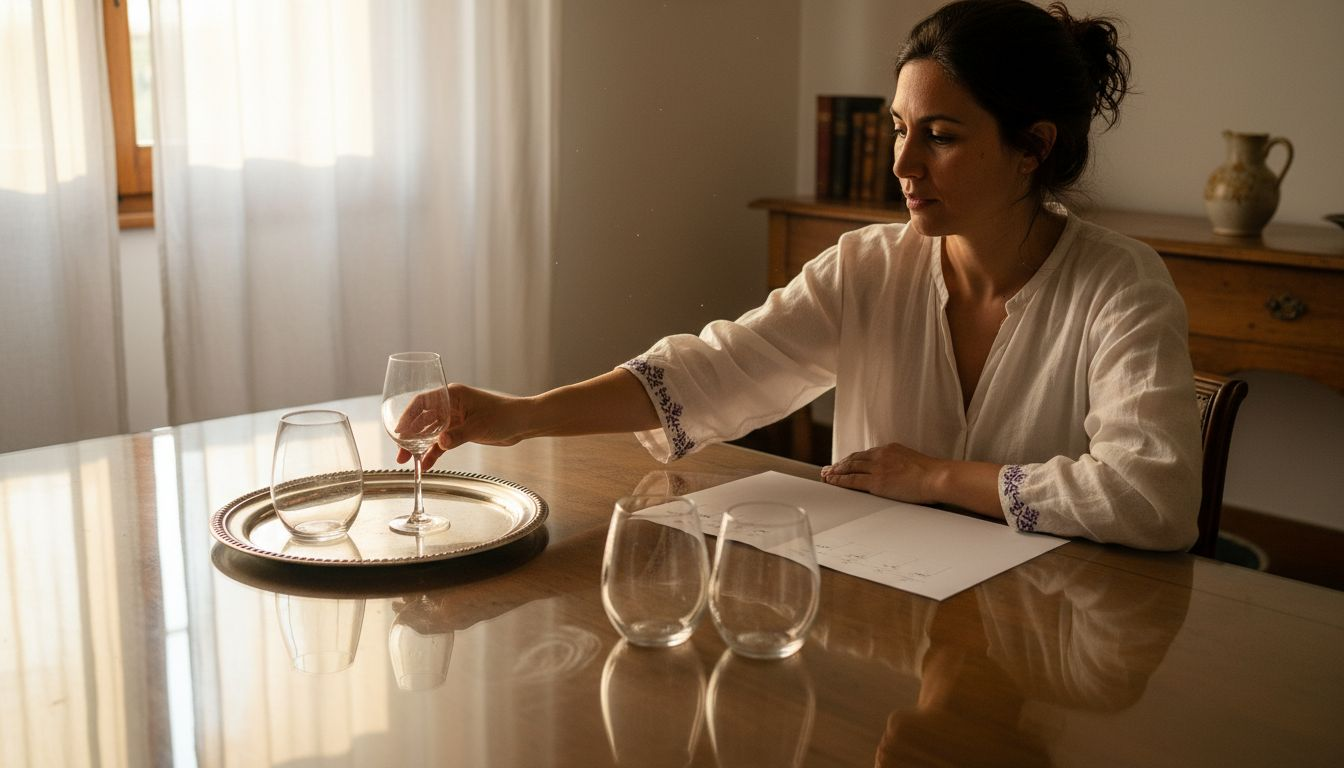
Avoid colored or decorated glasses that alter visual evaluation. Transparent, thin glass transmits the true temperature of the spirit.
Serving Temperature
Tasting at the correct temperature is essential to release aromas without altering the organoleptic profile. Optimal temperatures:
| Spirit Type | Ideal Temperature | Reason |
|---|---|---|
| Craft Gin | 16-18°C | Enhances botanicals without suppressing delicate notes |
| Bitter Liqueurs | 8-12°C | Balances sweetness and bitter components |
| Craft Vodka | 10-14°C | Reveals purity and texture without masking defects |
Tasting Environment
Choose a neutral space, well-lit with natural light, free from odors (perfumes, cooking, smoke). A comfortable ambient temperature between 18-22°C allows concentration without physical distractions.
Remove auditory and visual distractions. White surfaces aid accurate chromatic evaluation of the spirit.
Dedicated Time
Allocate at least 20-40 minutes for a complete session. Haste compromises olfactory and gustatory analysis, phases that require prolonged attention to identify secondary and tertiary notes.
Pro Tip: Prepare a tasting sheet before you start. Note immediate impressions for each sensory phase before your olfactory memory becomes saturated. This improves progressive awareness and creates a personal archive for future comparisons.
The craft gin tasting tips emphasize the importance of preparing everything beforehand: clean glasses, plain water to rinse the palate, neutral paper for notes. Preventive organization avoids interruptions that break sensory concentration.
Following the Italian gin guide, you can discover the distinctive characteristics of national productions that deserve this accurate preparation to be fully appreciated.
Step-by-Step Tasting Method
After preparing your environment and tools, follow this sensory protocol for a complete analysis of the spirit.
1. Initial Preparation
Pour 30-40 ml of the spirit at the correct temperature into the chosen glass. Let it rest for 1-2 minutes to allow oxygenation and aromatic stabilization.
2. Visual Evaluation
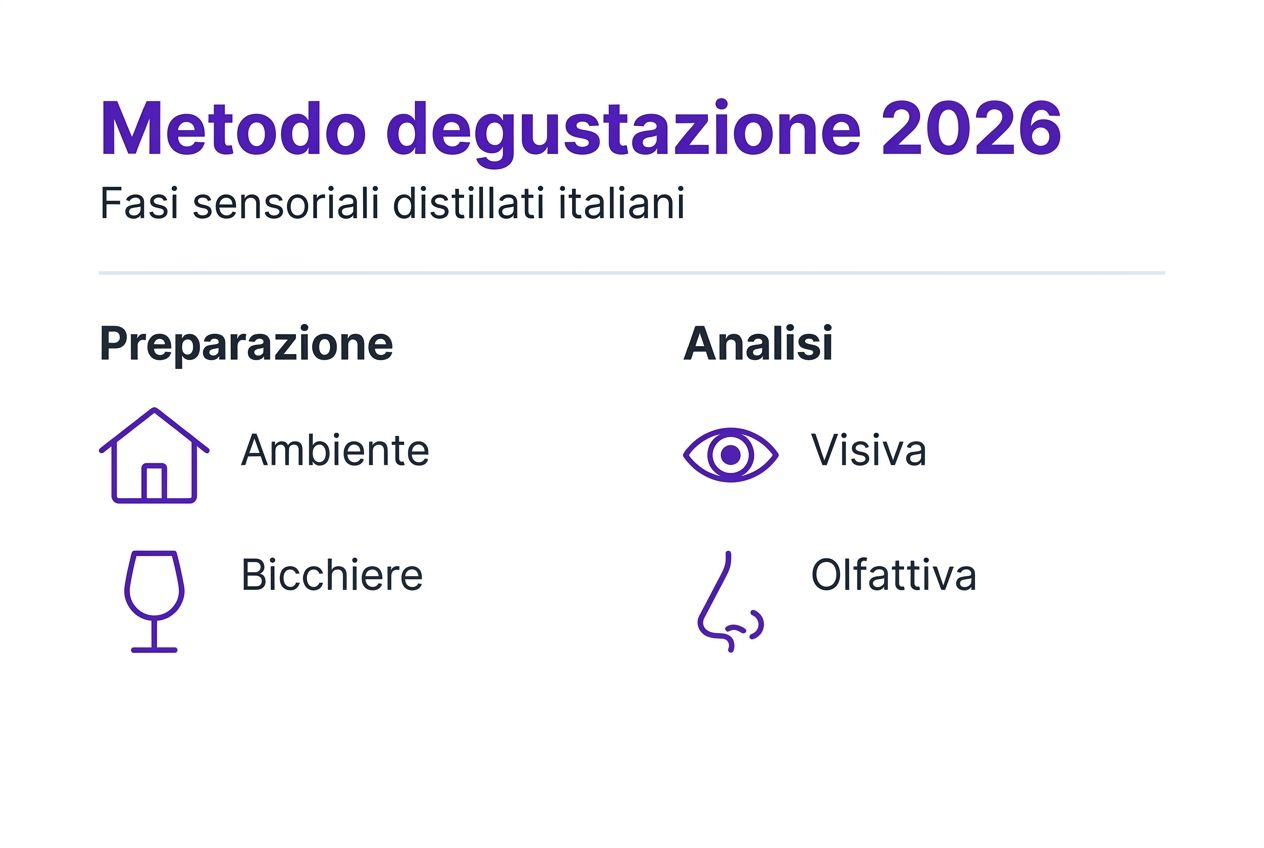
The first phase consists of visual evaluation to recognize clarity, color, and consistency, which indicate quality and processing.
| Parameter | What to observe | Meaning |
|---|---|---|
| Clarity | Transparency without cloudiness | Indicates accurate filtration and stability |
| Color | Shades from clear to amber | Reveals aging or botanicals used |
| Consistency | Viscosity when rotating the glass | Shows alcohol content and sugar presence |
| Legs | Speed of descent along the sides | Suggests alcohol content and texture |
Tilt the glass against a white surface to evaluate chromatic nuances. Craft gins tend to be transparent with slight greenish reflections from botanicals. Liqueurs show more intense colors derived from infusions.
3. Olfactory Evaluation
Gently swirl the glass to release volatile aromatic molecules. Bring your nose to the rim and inhale slowly with your mouth slightly open to avoid alcoholic saturation.
Identify notes in sequence:
- First impression (top notes): immediate aromas, often citrus or herbaceous
- Second pass (heart notes): dominant botanicals, spices, florals
- Third pass (base notes): deeper, earthy, or resinous scents
Note at least 3-5 distinctive botanicals. In Italian craft gins, look for juniper, Mediterranean citrus, alpine herbs, or local spices that characterize the profile.
Olfactory analysis accounts for 70-80% of the tasting experience. Dedicate adequate time to this phase to avoid missing the aromatic complexity that defines the quality of the spirit.
4. Gustatory Tasting
Take a small sip (5-7 ml) and distribute it across your entire tongue to activate taste receptors. Focus on:
- Attack: initial sensations upon contact with the palate
- Development: evolution of flavors as the liquid warms in your mouth
- Balance: harmony between sweet, bitter, acidic, salty
- Intensity: perceived strength of the components
- Persistence: duration of the aftertaste after swallowing
Slightly draw air through your teeth to oxygenate the spirit in your mouth. This amplifies aromatic perceptions and reveals hidden notes.
5. Final Evaluation
After swallowing, wait 20-30 seconds and evaluate the aftertaste. A correct process takes time: an efficient session lasts 20-40 minutes for accurate analysis.
Consider the narrative context of the spirit. If inspired by pop culture or Italian myths, reflect on how the sensory profile reflects the story told by the producer.
6. Systematic Annotation
Record immediate impressions for each phase. Repeating this method on 3-4 different spirits in the same session refines comparative sensitivity and builds sensory memory.
To delve deeper into production techniques that influence the final profile, consult the 2026 spirits distillation guide where you discover how artisanal choices impact perceived quality.
Recognizing the aromatic components of craft gin becomes easier with constant practice. Each session improves your ability to isolate and name individual botanicals within the overall profile.
Common Mistakes and How to Avoid Them
Even with careful preparation, some mistakes compromise the accuracy of the tasting. Recognizing them allows you to correct them immediately.
Skipping the olfactory phase
About 40% of beginners go straight to tasting, missing most of the sensory information. The nose identifies complexity that taste alone cannot detect. Always dedicate 3-5 minutes to olfactory analysis before bringing the glass to your lips.
Premature use of ice
Avoiding ice during the first tasting is crucial to avoid altering the original sensory profile. Excessive cold numbs taste buds and suppresses volatile aromas. Evaluate the pure spirit before experimenting with dilutions or chilling.
Not respecting serving temperature
Serving gin at 8°C instead of 16-18°C hides delicate botanicals. Too high a temperature (above 20°C) emphasizes burning alcohol that masks balance. Use a thermometer to check the true temperature of the spirit.
Tasting in an unsuitable environment
Environmental odors (coffee, perfumes, food) interfere with olfactory perception. Inadequate lighting also distorts chromatic evaluation. Always choose a neutral and controlled space.
Failure to take notes
Olfactory memory declines rapidly. Without written notes, comparisons between different spirits become inaccurate. Use a structured sheet for each evaluation.
Tasting too many products
More than 4-5 spirits per session saturates receptors and reduces accuracy. It is better to analyze 2-3 products with a rigorous method than to superficially taste 10 samples.
Pro Tip: Rinse your palate with plain water between spirits. Wait at least 5 minutes before moving on to the next product. This restores gustatory sensitivity and prevents aromatic overlaps.
To understand how to avoid technical problems during production that affect final tasting, read avoid common distillation errors where defects that an experienced taster immediately recognizes are analyzed.
Expected Results and How to Evaluate Them
By applying a systematic method, you achieve measurable improvements in sensory skills and cultural appreciation of craft spirits.
Aromatic Recognition Ability
After 3-4 guided sessions, you should be able to identify at least 5 distinctive botanical notes in complex gins. Typical progression:
- Session 1: recognize 2-3 dominant aromas (juniper, citrus)
- Session 3: identify 5-6 components including secondary notes
- Session 5+: distinguish territorial nuances and production techniques
Improved Olfactory Precision
Studies on beginner tasters show a 50-65% improvement in olfactory precision after three guided sessions. Measure progress by comparing initial notes with subsequent evaluations of the same spirit.
Session Duration and Efficiency
An efficient session lasts 20-40 minutes to evaluate several spirits with a complete method. If you spend less time, you are likely skipping critical phases. Beyond 50 minutes, sensory fatigue reduces accuracy.
Sensitivity to Complex Balances
With constant practice, you perceive disharmonies that initially went unnoticed: excessive sweetness not balanced by bitterness, an overly aggressive alcoholic note, a flat finish without persistence. This critical sensitivity distinguishes an experienced taster from an occasional consumer.
Appreciation of Cultural Context
An important qualitative benchmark is the ability to connect the sensory profile to the cultural narrative of the spirit. Recognize territorial botanicals, understand the artisan's stylistic choices, appreciate references to pop culture or local traditions.
Building a Personal Archive
After 10-15 documented tastings, you possess a sensory database that allows for significant comparisons. You identify production styles, personal preferences, and the evolution of your palate over time.
To apply these skills to specific categories, explore the best Italian amaro guide where the technical method reveals the complexity of Italian craft bitter liqueurs.
Evaluate progress every 5 sessions by comparing initial sheets with recent analyses. The goal is not just to recognize more aromas, but to develop a personal sensory language that enriches the cultural experience of drinking.
Discover Italian Craft Gin and Vodka on Mezzanotte
Now that you know the structured method for technical tasting, put your acquired skills into practice with authentic selections of Italian craft spirits.
Mezzanotte.shop offers craft gin and craft vodka produced with selected Italian botanicals and meticulous attention to quality. Each bottle tells a unique story, often inspired by myths, anime, and pop culture that add a narrative dimension to the sensory experience.
Ideal products for applying the visual, olfactory, and gustatory evaluation phases described in this guide. Discover complex aromatic profiles that reveal artisanal mastery and Italian tradition reinterpreted with contemporary creativity. Perfect for enthusiasts seeking authenticity, complexity, and stories to tell with every tasting.
FAQ on Tasting Italian Spirits
How to choose the ideal glass for this tasting?
Use a tulip-shaped glass or a neutral tasting glass with a capacity of 150-250 ml and a narrow rim. This shape concentrates aromatic vapors towards the nose, enhancing olfactory perception. Transparent and thin glass allows for accurate chromatic evaluation and transmits the true temperature of the spirit without interference.
Why avoid ice in the first tasting phase?
Ice lowers the temperature beyond the optimal level, suppressing volatile aromas and numbing the taste buds. Furthermore, progressive dilution alters the alcohol content and balance between components. Always evaluate the pure spirit at the correct temperature before experimenting with cold or diluted variations.
How long does a session last to properly taste a spirit?
A complete session requires 20-40 minutes to analyze 2-3 spirits using a structured method. Less time means skipping critical phases like deep olfactory analysis. Beyond 50 minutes, sensory fatigue reduces the accuracy of subsequent evaluations.
What is the best way to recognize botanicals in gin?
Gently swirl the glass and inhale slowly with your mouth slightly open to avoid alcohol saturation. Identify aromas in sequence: immediate top notes (citrus), dominant heart notes (juniper, herbs), deep base notes (spices, resins). Note every perception and compare it with the producer's technical sheets.
How to improve olfactory sensitivity with experience?
Consistent practice is essential: taste 2-3 spirits every week, noting detailed impressions. Study individual botanicals (smell fresh juniper, citrus peels, spices) to build olfactory memory. Compare notes between sessions to measure progress. After 10-15 documented tastings, you will recognize distinct aromatic patterns and production styles.
Can I taste multiple spirits in the same session?
Yes, but limit to 3-4 samples to avoid sensory saturation. Rinse your palate with plain water between products, waiting at least 5 minutes. Start with more delicate spirits and proceed towards more intense or complex profiles to preserve progressive sensitivity.
Recommendation
- Spirits Distillation Guide 2026: Avoid 40% Common Errors – Mezzanotte | Distilleria & Spirits
- Distilled Spirits Guide: Mastering Italian Distillates – Mezzanotte | Distilleria & Spirits
- Tips for Tasting Craft Gin: 57% More Sensory Experience – Mezzanotte | Distilleria & Spirits
- Complete Guide to Craft Gin Types: Informed Choice 2026 – Mezzanotte | Distilleria & Spirits