

Discover professional techniques, Italian botanicals, and food pairings to taste craft gin like an expert and enhance every sip.
Tips for tasting gin: 57% more sensory experience
Mar 2, 2026

Many believe that tasting gin simply means choosing a good cocktail or drinking it neat with ice. In reality, professional tasting requires technique, specific tools, and knowledge of botanicals to fully appreciate Italian artisanal gins. This article will guide you through selection criteria, essential equipment, multisensory techniques, and gastronomic pairings to transform every sip into a complete and memorable sensory experience.
Table of Contents
- Key Tips for Tasting Italian Craft Gin
- Selection Criteria for Italian Craft Gin
- Equipment and Tools for Refined Tasting
- Multisensory Tasting Techniques for Craft Gin
- Aromatic Profile and Local Botanicals in Italian Gins
- Food Pairings and Practical Tasting Tips
- Comparison and Selection of the Best Italian Craft Gins for Specific Occasions
- Discover the Best Italian Craft Gins with Mezzanotte
- Frequently Asked Questions about Tasting Italian Craft Gin
Key Tips for Tasting Italian Craft Gin
| Point | Details |
|---|---|
| Conscious Selection | Recognizing style, botanicals, and alcohol content helps in choosing unique and superior quality gins. |
| Appropriate Tools | Specific glasses and controlled temperature enhance the distillate's aromas and flavor profiles. |
| Multisensory Tasting | Sight, smell, and taste combined reveal the aromatic nuances of Italian botanicals. |
| Territorial Botanicals | Local ingredients like Amalfi citrus and Mediterranean spices characterize Italian craft gins. |
| Gastronomic Pairings | Traditional foods and balanced cocktails amplify the sensory experience and enhance aromatic notes. |
Selection Criteria for Italian Craft Gin
Choosing a quality Italian craft gin requires attention to precise parameters that distinguish excellent products from mediocre ones. The minimum legal alcohol content is 37.5% vol., while Navy Strength variants can reach 57%, offering superior body and intensity.
The label tells a lot about the gin you are about to taste. Read it carefully to identify the style, which can be London Dry, Old Tom, or Contemporary, each with distinctive characteristics. London Dry follows strict production rules, while Contemporary allows for more creativity in botanicals.
The botanicals used define the aromatic identity of the spirit. For an authentic Italian experience, look for gins that highlight local ingredients such as lemons from the Amalfi Coast, Tuscan rosemary, or Ligurian basil. These elements confer uniqueness and tell the territorial story of the product.
The bottle design and accompanying narrative are reliable indicators of craftsmanship. Distillers who invest in storytelling and curated presentation usually dedicate the same attention to the quality of the spirit. Always evaluate the price-quality ratio considering the occasion of use, botanicals, and aromatic complexity. To delve deeper into the distinctive characteristics of Italian spirits, consult our Italian gin guide.
Pro Tip: When choosing a gin for tasting, prefer bottles with detailed information about botanicals and the production process, a sign of transparency and quality.
Equipment and Tools for Refined Tasting
The right glass can radically transform your tasting experience. A tumbler glass is ideal for releasing the gin's aromas thanks to its shape, which favors aeration. Other common glasses include the highball for long cocktails, the copa de balon for aromatic gin and tonics, and the Martini glass for classic cocktails.
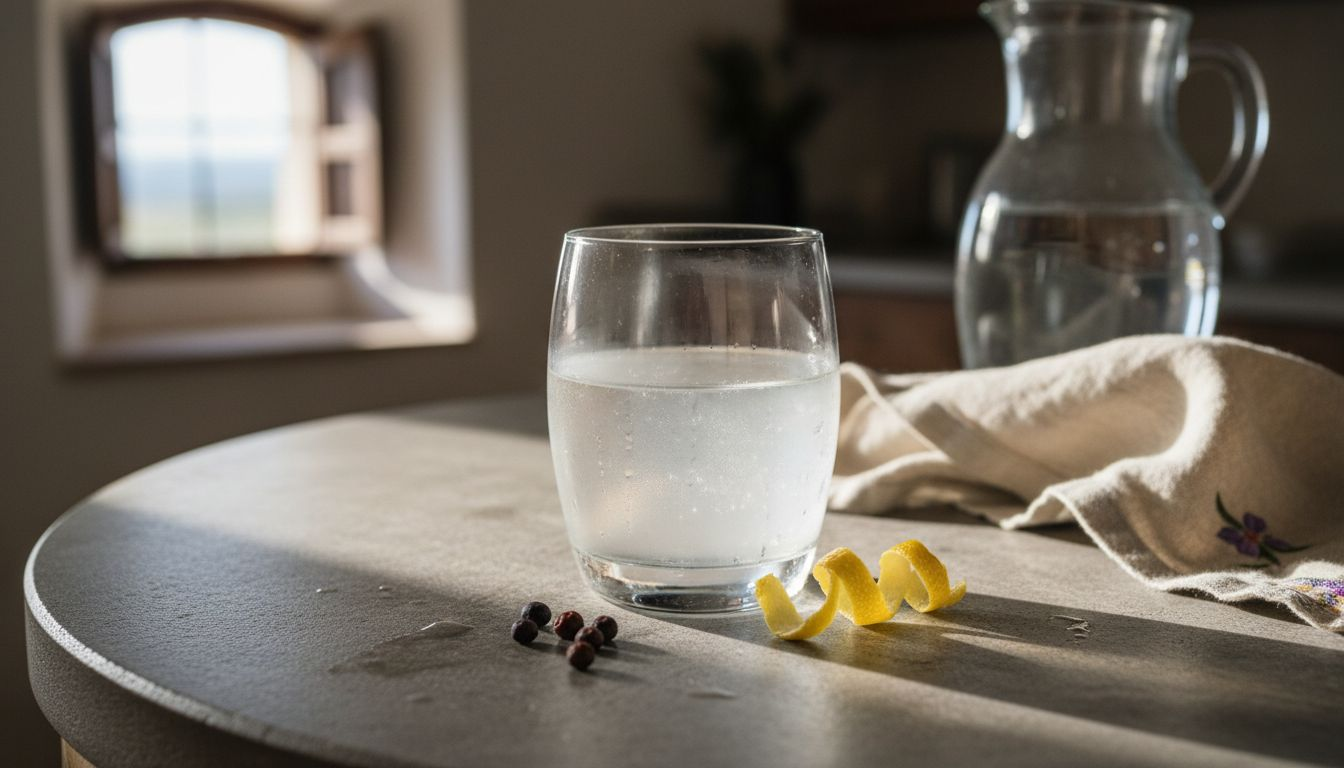
Each type of glass has a specific function. The low and wide tumbler allows the liquid to be swirled and volatile aromas to be released. The copa de balon, with its large bowl, concentrates the aromas towards the nose and keeps the ice fresh longer. The choice depends on the type of tasting you want to conduct.
Temperature profoundly influences aromatic perception. For a professional neat tasting, keep the gin between 21 and 23°C to appreciate all nuances. For cocktails like gin and tonic, use temperatures between 4 and 10°C to enhance freshness and citrus notes. Avoid excessively low temperatures that numb the palate and mask delicate botanicals.
Between sips, cleanse your palate with natural water at room temperature. This simple gesture restores the sensitivity of the taste buds and allows you to evaluate each gin with sensory freshness. Avoid sparkling water, which can interfere with the perception of the gin's aromatic bubbles. For more advanced tasting techniques, visit our advanced gin tasting guide.
Pro Tip: Invest in a set of quality glasses suitable for your tasting preferences. A crystal tumbler enhances visual and tactile perception, enriching the overall experience.
Multisensory Tasting Techniques for Craft Gin
Professional tasting follows a precise sequence that involves all senses. Always begin by tasting at room temperature, without ice, to capture every aromatic nuance that cold might mask. This approach reveals the true nature of the distillate and the quality of its production.
-
Visual observation: Pour the gin into the glass and observe its clarity, color, and consistency. A quality gin should be crystal clear, without sediment. Tilt the glass to assess the liquid's density and the legs that run down the sides, indicators of body and alcohol content.
-
Olfactory analysis: Gently bring your nose to the glass without fully inserting it. Swirl the liquid to release volatile aromas. Identify top notes such as citrus and fresh herbs, then heart notes such as spices and flowers. Sniff several times with short inhalations to avoid saturating your sense of smell.
-
Gustatory evaluation: Take a small sip and hold it in your mouth for a few seconds. Let the liquid coat your tongue and palate to perceive sweetness, bitterness, acidity, and savoriness. Note the evolution of flavors and the aftertaste that lingers after swallowing.
-
Comparison and discussion: When possible, taste in a group and compare perceptions. Taking notes and assigning scores refines sensory sensitivity over time. Discussing impressions enriches the understanding of botanicals and production styles.
Pro Tip: Avoid strongly aromatic foods, coffee, or chewing gum at least 30 minutes before tasting. These elements alter the perception of delicate botanicals and compromise the accuracy of the evaluation. For a practical step-by-step guide, consult our article on the practical guide to gin tasting.
Aromatic Profile and Local Botanicals in Italian Gins
Italian botanicals give national craft gins an unmistakable identity that reflects biodiversity and local culture. The use of Amalfi Coast citrus provides fresh, pungent, and fruity notes, as in the famous Malfy Gin Originale. Mediterranean rosemary, Ligurian basil, Tuscan juniper, and alpine flowers create unique aromatic palettes.
Each Italian region offers distinctive botanicals. The South contributes with Sorrento lemons, Calabrian bergamot, and Sardinian myrtle. The Center brings juniper from the Tuscan and Umbrian hills, while the North offers alpine herbs and mountain flowers. This variety allows distillers to create gins that tell specific territorial stories.
| Gin | Main Botanicals | Aromatic Profile | Origin |
|---|---|---|---|
| Malfy Gin Originale | Amalfi Coast lemon, juniper | Citrusy, fresh, Mediterranean | Moncalieri, Piedmont |
| Gin Mare | Basil, rosemary, thyme, arbequina | Herbaceous, saline, complex | Mediterranean |
| Hendrick’s Gin | Bulgarian rose, cucumber | Floral, delicate, refreshing | Scotland (reference) |
| Gin Mezzanotte | Exclusive Italian botanicals | Narrative, cultural, distinctive | Italy |
Botanicals not only define the flavor but also tell myths and traditions. Many Italian craft gins integrate narrative elements inspired by pop culture, anime, or local legends, transforming each bottle into an experience that goes beyond mere taste. This storytelling enriches the tasting and creates an emotional connection with the product. To learn more about the role of botanicals, visit our guide on the aromatic components of craft gin.
Food Pairings and Practical Tasting Tips
Food pairings enhance the aromatic characteristics of gin, creating memorable taste synergies. Ideal gastronomic pairings include smoked fish, game, and traditional Italian dishes that harmoniously interact with the distillate's botanicals.
Citrus gins pair perfectly with fish carpaccio, tuna tartare, and oysters, where the freshness of citrus balances the marine savoriness. Spicy gins with notes of cardamom, coriander, and pink pepper ideally accompany game meats such as wild boar, venison, or duck, creating sophisticated aromatic contrasts. Floral gins with rose or lavender pair well with aged cheeses and citrus-based desserts.
To prepare a balanced gin and tonic that enhances the botanicals, respect the 1:3 proportion between gin and quality tonic. Use craft tonic water with low added sugars and natural flavors. Add fresh botanicals that echo those in the gin, such as cucumber slices for floral gins or lemon zest for citrus gins.
Proper storage preserves the gin's quality over time. Keep bottles away from direct light and heat sources, preferably upright to prevent alcohol from degrading the cork. Once opened, gin retains its characteristics for about 12 months if stored correctly. Use fresh, quality ingredients even in cocktails to avoid undermining the distillate's excellence.
Pro Tip: Explore regional pairings to create authentic experiences. A gin with Ligurian botanicals pairs perfectly with pesto and focaccia, while one with Sicilian citrus enhances arancini and swordfish. Discover more creative ideas in our guide on gin pairings with pizza and Italian cuisine.
Comparison and Selection of the Best Italian Craft Gins for Specific Occasions
Choosing the right gin for the occasion significantly enhances the tasting experience. Each gin style lends itself to different contexts, from neat tasting to mixing in complex cocktails. Understanding these differences allows you to maximize the characteristics of each bottle.
| Gin | Style | Distinctive Botanicals | Ideal for | Special Notes |
|---|---|---|---|---|
| Malfy Gin Originale | Contemporary | Amalfi Coast lemon | Summer gin and tonics, aperitifs | Mediterranean freshness, versatile |
| Gin Mare | Contemporary | Basil, rosemary, olive | Sophisticated cocktails, tastings | Herbaceous complexity, distinctive |
| Hendrick’s Gin | Contemporary | Rose, cucumber | Martinis, delicate cocktails | Unique floral profile |
| Classic London Dry Gin | London Dry | Dominant juniper | Negronis, neat tastings | Traditional, balanced |
| Navy Strength Gin | Navy Strength | Intense juniper | Structured cocktails | High proof, full-bodied |
For in-depth tastings, favor gins with complex aromatic profiles and alcohol contents around 45% vol, which allow you to appreciate all the nuances without the alcohol overpowering the botanicals. Look for bottles with detailed labels describing the distillation method and origin of the botanicals.
For cocktail preparation, consider the drink's structure. Long cocktails like gin and tonic require citrusy or floral gins that are enhanced by tonic. Short cocktails like Martini or Negroni need more structured gins with pronounced juniper that hold up to other ingredients without disappearing.
For food pairings, choose gins whose main botanicals echo the ingredients of the dish. A gin with rosemary notes accompanies roasts and grilled dishes, while one with citrus pairs well with seafood and fresh salads. To discover the excellences of the Italian panorama, explore our guide to Italian gin.
Pro Tip: During comparative tasting sessions, use identical copa de balon glasses for all gins tested. This eliminates external variables and allows for an objective comparison based solely on the organoleptic characteristics of the distillate.
Discover the Best Italian Craft Gins with Mezzanotte
Now that you know the professional tasting techniques and criteria for recognizing excellent gins, it's time to put what you've learned into practice. Mezzanotte offers an exclusive selection of Italian craft gins that combine superior quality, unique botanicals, and engaging storytelling inspired by myths, pop culture, and traditions.

Each bottle in our catalog tells a story through curated design and distinctive aromatic profiles that reflect the excellence of Italian artisanal distillation. Consult our guide to Italian spirits to delve deeper into production methods and sensory characteristics. Discover how the aromatic components of craft gin create unique multisensory experiences.
Shop directly on our website to bring home award-winning spirits that transform every occasion into a special moment. Subscribe to our newsletter to receive exclusive offers, personalized tasting tips, and updates on new releases. Visit Mezzanotte and begin your journey into the art of tasting Italian craft gin.
Frequently Asked Questions about Tasting Italian Craft Gin
Which glass is best for tasting craft gin?
The low, wide tumbler is ideal for neat tastings because it allows you to swirl the liquid and release the volatile aromas of the botanicals. The "copa de balon" (balloon glass) is perfect for gin and tonics because the wide bowl concentrates the aromas towards the nose and keeps the ice colder for longer. The choice depends on the type of experience you desire: analytical with the tumbler, convivial with the copa.
How do I recognize Italian botanicals in an artisanal gin?
Carefully read the label where quality producers list the botanicals used. To the nose, citrus fruits from the Amalfi Coast release fresh and pungent notes, Mediterranean rosemary offers intense herbaceous scents, while Ligurian basil imparts an aromatic sweetness. During tasting, local botanicals create distinctive profiles that evoke their region of origin, differentiating themselves from more standardized international gins.
What Italian foods pair best with artisanal gin?
Citrusy gins enhance fish carpaccio, raw seafood, and Caprese salads thanks to the freshness of the citrus that balances savoriness and fats. Spicy gins perfectly accompany aged cured meats, Pecorino cheeses, and game dishes where the spices create sophisticated aromatic contrasts. Floral gins pair well with citrus desserts, panna cotta, and blue cheeses where the delicate notes complement sweetness and creaminess.
How do I store gin after opening it?
Keep the bottle upright, away from direct sunlight and heat sources such as stoves or radiators. Always close the cap tightly after each use to limit oxidation. A well-stored gin retains its organoleptic characteristics for approximately 12 months after opening. Avoid transferring gin to other containers, which could alter its flavor or accelerate its deterioration.
What is the difference between tasting gin neat and in cocktails?
Tasting neat at room temperature allows you to evaluate all the aromatic nuances, the quality of distillation, and the balance between botanicals without interference. It is the professional approach to analyze the true nature of gin. In cocktails, gin interacts with other ingredients, creating new taste harmonies, but elements like ice, tonic, or vermouth can mask flaws or enhance specific qualities. To assess intrinsic quality, always start with a neat tasting.
At what temperature should I serve gin for tasting?
For professional analytical tastings, serve gin between 21 and 23°C to appreciate all the aromatic nuances without the cold numbing the palate or the alcohol being too pungent. For cocktails like gin and tonic, use temperatures between 4 and 10°C to enhance freshness and citrus notes. Avoid temperatures below 4°C, which freeze the taste buds and mask delicate botanicals, preventing an accurate assessment of quality.
Recommendation
- Gin Tasting Guide 2026: Mastering the Art of Tasting – Mezzanotte | Distillery & Spirits
- Aromatic Components of Gin: The Soul of Artisanal Spirits – Mezzanotte | Distillery & Spirits
- Step-by-step cocktail with artisanal gin: easy guide – Mezzanotte | Distillery & Spirits
- Difference between vodka and gin: aromas and stories compared – Mezzanotte | Distillery & Spirits