

Discover Gin Italy between botanical history and award-winning distilleries Do you want to find the perfect gin and discover the 2026 trends Read the guide and get inspired
The Complete Guide to Gin Italy: Explore Flavors and Tradition 2026
Feb 7, 2026

Have you noticed how Italian gin is winning over enthusiasts and bartenders? Mixology is booming, and Gin Italy is taking center stage, with aromas and stories waiting to be discovered.
This guide is the definitive compass to orient you among the flavors, traditions and new trends of Italian gin in 2026. I will reveal how gin has evolved in Italy, which botanicals make the recipes unique, the most awarded distilleries, the emerging trends and tips for enjoying it at its best.
Want to choose the perfect gin for every occasion? Read on: you'll find history, interesting facts, pairings, and everything you need for unforgettable tasting experiences.
The History of Gin in Italy: Origins and Evolution
Have you ever wondered how gin became one of the stars of Italian mixology? The history of gin in Italy is full of surprises, intertwining European influences and local traditions. It all began a long time ago, when gin spread throughout Europe thanks to its origins in the distillation of juniper, beloved for its aromatic and medicinal properties. From 18th-century London, gin crossed borders and arrived in Italy, ready to transform into the Italian gin we know today.
Initially, gin was produced in small quantities by distilleries inspired by English and Dutch recipes, but it soon took its own direction. The first Italian producers began experimenting with local botanicals, such as citrus fruits, Alpine herbs, and Mediterranean spices. This unique blend created a distinctive identity, making Italian gin unlike any other European gin. It's not just a question of flavor, but also of culture: the arrival of gin intertwined with the quintessentially Italian custom of the aperitivo, transforming this spirit into a staple of bars and social gatherings.
In recent decades, Italian gin has experienced a veritable renaissance. From the early 2000s to 2026, the sector has stood out for its craftsmanship and desire for innovation. Micro-distilleries are popping up across Italy, focusing on indigenous ingredients and sustainable production methods. Cocktail bars and the aperitivo culture have driven demand for high-quality gin, leading to a 20% increase in sales annually between 2021 and 2025. Trade shows and events, like Gin Italy, have become true reference points for enthusiasts and professionals.
Success stories abound: some historic Italian gins, such as those created in the early 20th century, coexist today with new labels that have achieved international recognition. Want to learn more about the origins and curiosities behind this evolution? You can discover many interesting details on the page dedicated to Gin History and Curiosities .
The future of Italian gin is marked by a constant pursuit of quality, respect for tradition, and a desire to innovate. Today, choosing an Italian gin means immersing yourself in a story of passion, local tradition, and creativity, ready to conquer even the most discerning palates.

Botanicals and Styles: The Identity of Gin Italy
If you think all gin is the same, think again. Italian gin is a universe of unique aromas and flavors, blending tradition and imagination. But how does Italian gin differ from others? It all starts with the styles and botanicals, those little details that make every sip a different journey.
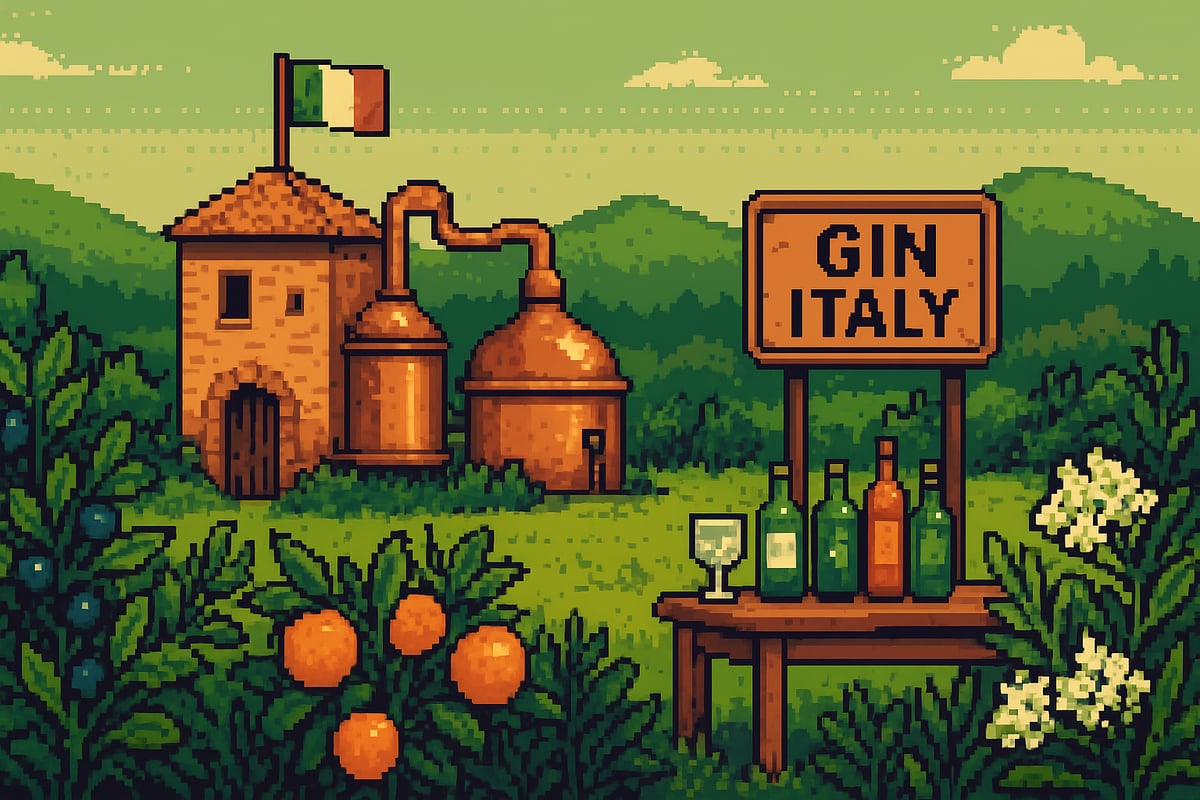
What is Italian gin and what are the main styles?
Italian gin stands out for its variety of styles, each with its own distinct personality. The best-known are London Dry, Distilled Gin, and Compound Gin. Italian Style, on the other hand, is the national signature: often more aromatic, with native botanicals that reflect the region.
Here is a table summarizing the main differences:
Style |
Characteristics |
Aromatic profile |
|---|---|---|
London Dry |
Traditional distillation |
Dry, citrusy, clean |
Distilled Gin |
Distillation with infusion |
Soft, spicy |
Compound Gin |
Cold infusion |
Intense, sometimes rustic |
Italian Style |
Local botanicals, creativity |
Floral, Mediterranean |
When choosing an Italian gin, think about which style best suits your palate and the occasion.
Fundamental botanicals and regional identity
The true soul of Italian gin lies in its botanicals. In addition to Italian juniper, you'll find fresh citrus fruits, Alpine herbs, Mediterranean spices, and wildflowers. Each region brings its own distinctive flavour to the bottle: bergamot from Calabria, rosemary from Liguria, elderflower from the north.
Want to discover all the botanicals that make Italian gin special? Check out this guide to Italian gin botanicals for a deeper dive into aromas and combinations.
It's not uncommon to find Italian gins experimenting with surprising ingredients like saffron, myrtle, or basil, creating flavor profiles that truly taste of Italy.
Regional Gins, Water, and Distillation Methods
Each region has its own secret recipe. In Piedmont, for example, resinous and balsamic notes are favored, while in Sicily, citrus dominates. The water used, often sourced from local springs, makes a difference in the final result.
Distillation methods vary, from ancient pot stills to more modern technologies, always with the goal of enhancing the botanicals. Italian gin is also recognized by the careful selection of raw materials and the patience of artisanal production.
Emerging styles and Italian consumer preferences
In recent years, new styles have emerged, such as marine gins, evoking the Mediterranean breeze, and smoked gins, perfect for those seeking something different. Some producers are experimenting with rare or forgotten botanicals, making Italian gin increasingly sought-after.
And you, which profile do you prefer? According to the latest research, Italian consumers especially love citrusy and floral gins, appreciating freshness and complexity. Whether you're a fan of classic notes or something new, Italian gin always offers new surprises to discover.
The Best Italian Gin Distilleries in 2026
Have you ever thought about how much history and innovation lies behind every bottle of Italian gin? 2026 marks a new pinnacle for Italian distilleries, which today represent a true mosaic of excellence, tradition, and modernity. If you want to discover where the most award-winning gins are made and how to choose the right labels, you've come to the right place.
Let's take a look at the leading regions and why Italian gin has become synonymous with quality on an international scale.
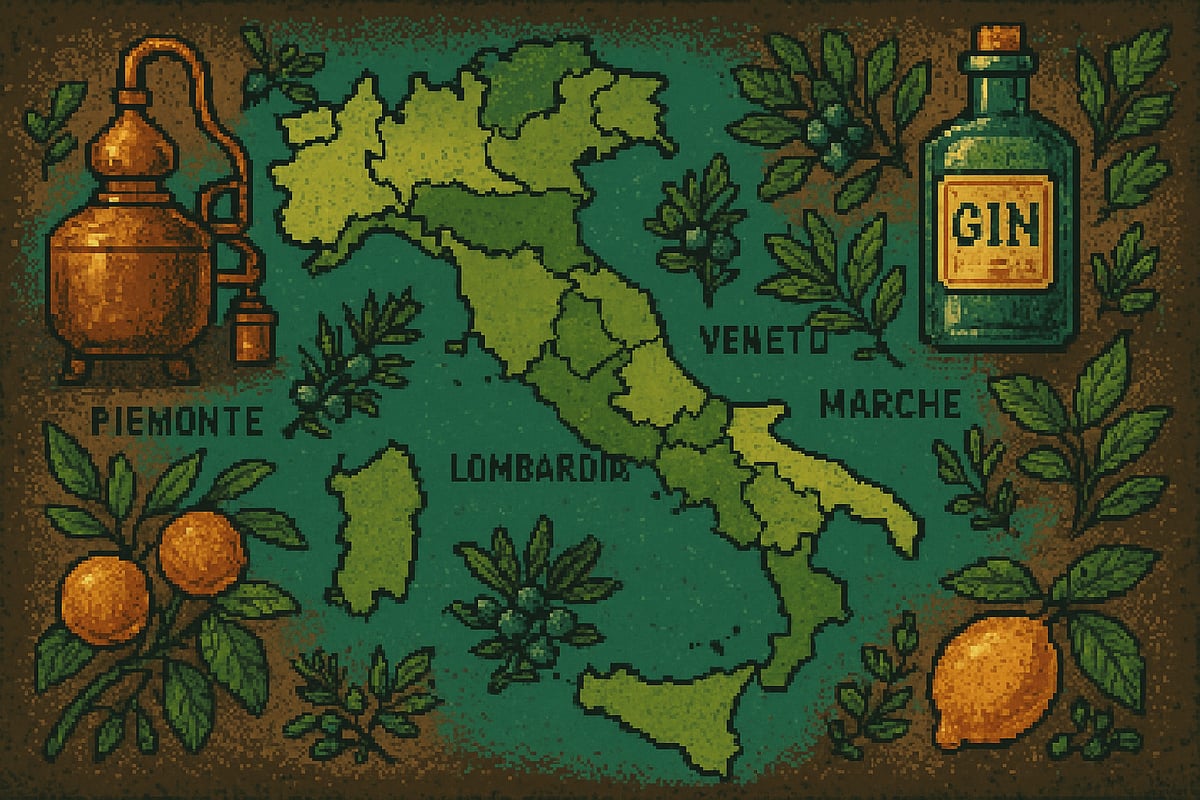
Map of Leading Regions and Their Prominent Distilleries
Italy is distinguished by a unique geographical distribution of its best gin distilleries. Here's an overview of the most important regions:
Region |
Notable distilleries |
Main features |
|---|---|---|
Piedmont |
Gualco Distillery, Bordiga |
Tradition, Alpine botanicals, dry taste |
Lombardy |
Milano Dry Gin, Eugin |
Innovation, mixology, citrus notes |
Veneto |
Poli, The Spiritual Machine |
Experimentation, local botanicals |
Marche |
Midnight, Vector |
Craftsmanship, sustainability, unique fragrances |
Sicily |
Volcano, Ginacria |
Native citrus fruits, Mediterranean scents |
Each region has developed its own distinctive style, influenced by its climate, food culture, and native botanicals. Italian gin thus finds its own distinct territorial identity.
Historic Distilleries and New Emerging Realities
The Italian gin scene is home to historic distilleries, often born from family traditions, and new artisanal businesses experimenting with innovative techniques. The former have reinvented themselves, focusing on small batches and superior quality. The latter, on the other hand, have established themselves thanks to bold recipes and collaborations with bartenders and chefs.
This synergy between past and future is making Italian gin increasingly popular among both connoisseurs and young enthusiasts. Micro-distilleries, in particular, are revolutionizing the industry with unique products and a focus on sustainability.
Awards, Sustainability and Growing Exports
In recent years, Italian gin has received prestigious awards at major international competitions such as the IWSC and The Gin Guild. Distilleries like Distilleria artigianale Mezzanotte have established themselves thanks to a combination of local botanicals, low-impact production processes, and a strong local identity.
Sustainability has become central: many companies favor short supply chains, recyclable packaging, and agricultural practices that respect biodiversity. This commitment has also boosted exports: in 2025, Italian gin exports grew by 3.1%, confirming the international demand for Made in Italy quality.
Iconic Gins and Distillery Experiences
What makes Italian gin truly special? Undoubtedly, the variety of iconic labels created over the years. Here are some examples:
Gin Mezzanotte (Marche): hints of herbs, citrus fruits from the Marche region, elegant profile.
Milano Dry Gin (Lombardy): citrus and spicy notes, ideal for Martinis.
Volcano (Sicily): Etna citrus fruits and wild botanicals, fresh and mineral taste.
-
Poli Marconi 46 (Veneto): floral and balsamic aromas, distilled in copper.
Visiting a distillery is now a unique way to discover the secrets of Italian gin. Many companies offer guided tours, sensory tastings, and workshops to create your own blend. If you want to delve deeper into gin culture, scheduling a visit is the best way to experience all the nuances of this Italian spirit firsthand.
Gin Italy and Mixology: Trends, Cocktails, and Events 2026
In recent years, mixology in Italy has undergone a true revolution. Italian gin has become the undisputed star of the finest cocktail bars, marking a shift in Italian tastes and habits. Have you ever wondered why Italian gin is so popular today? The answer lies in its versatility and ability to adapt to both classics and new creations. According to experts, 2026 will see a perfect balance between a return to the great classics and a desire to experiment. To learn more about these mixology trends in Italy , you can discover facts and interesting facts about how Italian gin is influencing the cocktail scene.
When you think of Italian cocktails, you can't help but think of the Negroni, the Gin and Tonic, and the Martini. These drinks have become iconic, but Italian gin has also inspired a generation of bartenders to create original recipes and signature cocktails that showcase their region. Imagine tasting a Gin and Tonic with native botanicals or a Martini infused with Italian citrus: every sip becomes a journey. Looking for ideas for your next aperitivo? Check out these Italian gin cocktails for inspiration on both innovative and traditional creations.
The power of Italian gin doesn't stop at the bar. Distilleries and bartenders are increasingly collaborating to create exclusive cocktails, experimenting with local ingredients and modern techniques. This team spirit has given rise to vibrant online communities where recipes, tips, and reviews are shared. Social media plays a key role in spreading the culture of Italian gin, transforming every enthusiast into a true ambassador of flavor.
The calendar of events dedicated to Italian gin is growing, with festivals, fairs, and masterclasses throughout Italy. Events like Gin Italy and Gin Day attract thousands of visitors, offering tastings, workshops, and networking opportunities for professionals and the curious. These events not only fuel a passion for Italian gin, but also contribute to food and wine tourism, introducing new labels and regions through unique experiences. If you love Italian gin, attending these events is the perfect opportunity to stay up-to-date on the latest news and experience gin culture from every angle.

A Practical Guide to Buying and Tasting Italian Gin
If you want to truly explore the world of Italian gin, the choice starts with where you decide to buy it. Today, you can find artisanal labels both in specialized wine shops and in distilleries' online shops, often with limited editions. Since the pandemic, e-commerce has seen growth of over 30%, and gin consumption continues to rise, as confirmed by this report on the growth of gin consumption in Italy .
What to Read on the Label and How to Choose
When you have a bottle of Italian gin in front of you, take a moment to read the label. Check the main botanicals: Italian juniper is a must, but also look for notes of citrus, Alpine herbs, or Mediterranean spices, which speak to the terroir. Consider the alcohol content, usually between 40% and 47%. The origin is another important detail: many distilleries list the production area and, often, the source of the water used.
Don't neglect transparency in the production process. A gin distilled in small batches or with native botanicals will often have a more assertive and authentic character.
How to Best Taste and Store
When it's time to taste, preparation makes all the difference. Choose a balloon glass or low tumbler, add a few pure ice cubes, and pour the Italian gin. Sniff deeply to capture the aromas, then taste in small sips to discover how the flavors evolve. For professional tasting, also use a jigger for precise dosing and try different garnishes: lemon zest, rosemary, pink pepper.
To store gin, keep it in a cool, dark place, always closing the bottle tightly. This will preserve its aromas and freshness.
Trends, Food Pairing and Personal Collection
In recent years, Italian gin has also become a staple in restaurants and pizzerias, transcending the traditional aperitivo segment. For more information, read this analysis of gin consumption in restaurants and pizzerias . Food pairing is evolving: try gin with fish dishes, fresh cheeses, or delicate cured meats.
Want to become a true connoisseur? Start building your personal collection by choosing regional and limited-edition bottles. Remember, quality comes before quantity: always choose Italian gins that tell a story and showcase Italian botanicals.
If, after this journey through the history, botanicals, and curiosities of Italian gin, you're eager to truly discover what makes a craft gin unique, why not try something authentically from the Marche region? We started from the roots of tradition and let ourselves be guided by innovation and passion: just as described in this guide. Want to experience the nuances you've just read about with your palate? Well, I invite you to browse our selection and be inspired by the aromas and flavors of our homeland: Discover our Gins