

Are you curious to find out what makes Italian gin special in 2026? Discover botanical history, cocktail trends and tips for choosing the perfect gin for you.
Italian Gin Guide: Discover the Secrets of 2026
Feb 3, 2026

Have you ever wondered what makes Italian gin truly special in 2026? You might think you know all the details, but the world of this spirit is full of surprises.
In this guide, you'll discover the secrets, new trends, and excellence of contemporary Italian gin. I'll guide you through history, innovation, unique botanicals, and practical tips on how to best taste and pair.
Whether you're a seasoned enthusiast or a curious novice, here you'll find everything you need to navigate historic labels, creative cocktails, and sustainable innovations.
Get ready to be inspired: your Italian gin journey begins now!
The Evolution of Italian Gin: History and the Artisan Revolution
Have you ever thought about how much Italian gin has changed in recent years? If you look around today, you discover a landscape of tradition, innovation, and a craft revolution that has brought this spirit to levels unimaginable just a decade ago.
The origins of gin in Italy
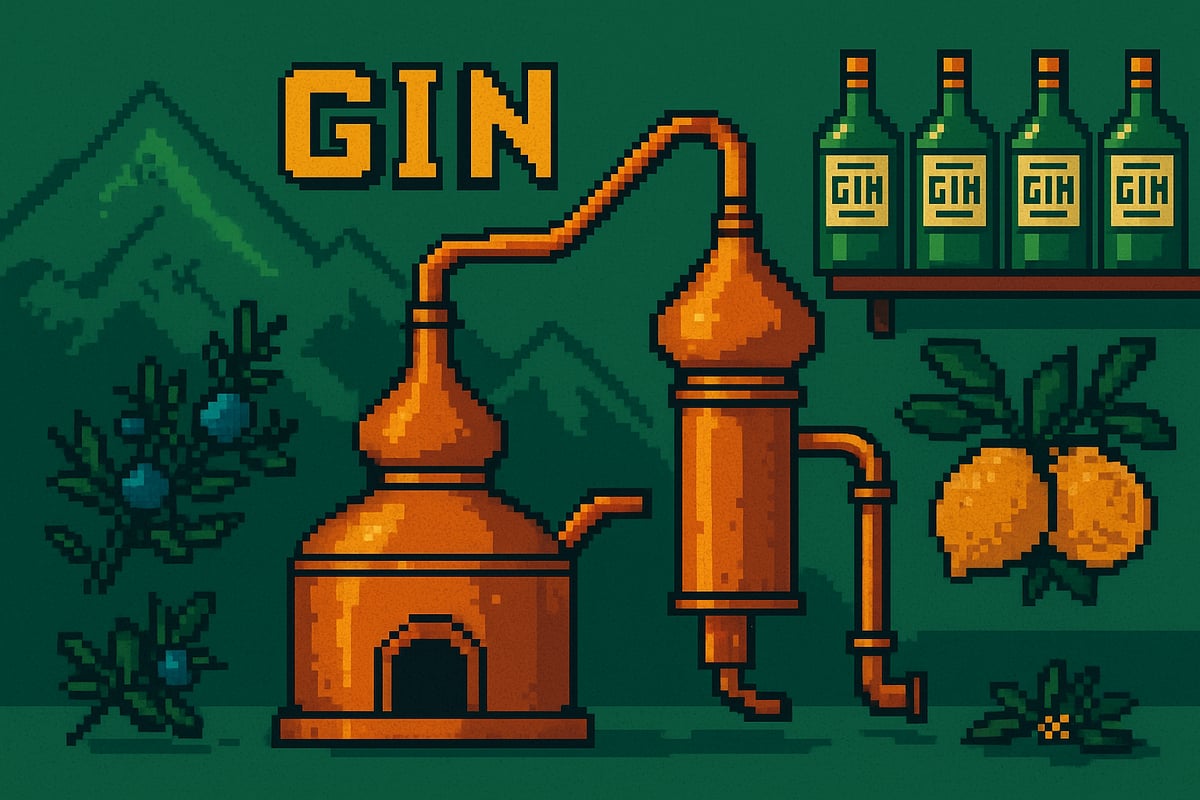
The history of Italian gin began in the early 1900s, when some local distilleries drew inspiration from British and Dutch traditions. Juniper from the Italian Alps quickly became a key ingredient, offering a unique and recognizable aroma. After World War II, Italian gin found new life thanks to the creativity of distillers and its popularity in bars in large cities.
Among the first historic labels, names like Bordiga and Luxardo stand out, bringing Italian gin beyond the national borders. From 2010 to 2026, the number of distilleries grew by 400%, a sign of a true renaissance. If you'd like to delve deeper into the roots and learn some interesting facts about its origins, you can read this page dedicated to the history and curiosities of gin .
Today, many of these historic distilleries are still active, alongside new ventures that create an ever-evolving scene.
The artisan revolution of recent years
Since 2018, Italian gin has experienced a veritable boom in microdistilleries. Young entrepreneurs and master distillers have introduced innovative techniques, such as the use of modern stills and rotavapors, focusing entirely on quality and local identity. The short and sustainable supply chain has become a key value, with locally harvested botanicals and environmentally friendly processes.
Over the past five years, premium gin consumption in Italy has increased by 35%. Distilleries like Sabatini and Peter in Florence have won international awards, proving that Italian gin can compete with major foreign brands. Today, choosing an Italian gin often means opting for artisanal heritage, innovation, and authentic passion.
The new generation of distillers is not afraid to experiment, bringing bold and original products to market that win over both connoisseurs and the curious.
Italian Gin in the Global Landscape of 2026
In 2026, Italian gin has carved out a significant niche for itself internationally. Exports have grown steadily, thanks to products that showcase the richness of the region and the creativity of the producers. Compared to European competitors, Italian gin stands out for its use of native botanicals and a craftsmanship that delights the most discerning palates.
According to industry data, the value of Italian gin exports has increased 187% over the past ten years. Experts like Giulia Cuccurullo and world-renowned bartenders recognize the innovative leadership Italy is taking in the industry.
Today, choosing an Italian gin means bringing a piece of history into your glass, but also the promise of a bright and surprising future.
Botanicals and ingredients: the heart of Italian gin
Have you ever wondered what makes Italian gin truly unique? Style, history, and passion are often cited, but the real secret lies in its unique botanicals and ingredients. This is where the heart of every artisanal bottle lies, ready to surprise you with scents and aromas that speak of the land.
Native botanicals that make the difference
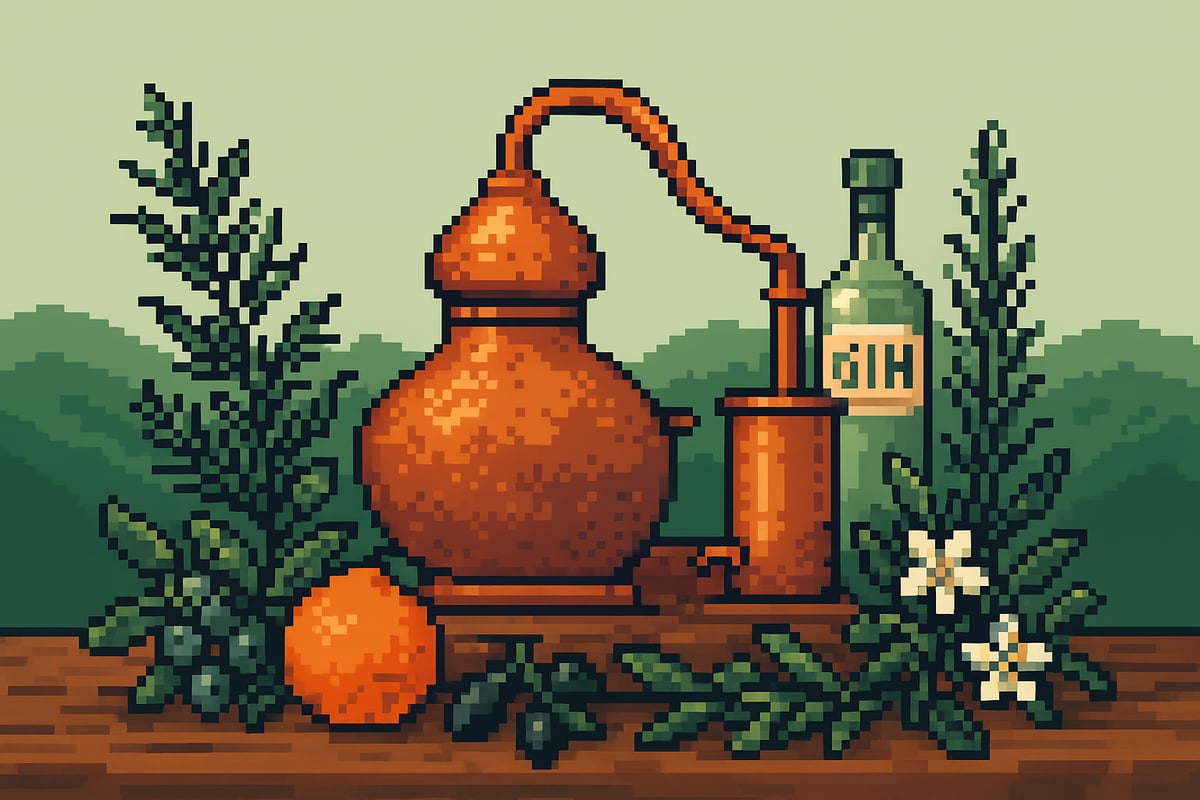
When it comes to Italian gin, Alpine juniper always takes center stage. Its intensity pairs with Sicilian citrus fruits, such as blood orange and lemon, bringing freshness and vivacity. Mediterranean herbs are also present: rosemary, oregano, and marjoram add a herbaceous touch reminiscent of the Italian coast.
Some distillers choose even more original ingredients: Taggiasca olives for a saline note, myrtle for a balsamic aroma, Alpine flowers for rare floral nuances. Locality and seasonality are fundamental pillars of production, making every Italian gin a true journey through the regions.
Want to discover all the details about the botanicals used by the best producers? Find more information here: Botanicals in Italian Gin .
Here is a table summarizing the most popular and innovative botanicals:
| Classical Botany | Unique Botanicals |
|---|---|
| Alpine Juniper | Taggiasca olives |
| Sicilian citrus fruits | Myrtle |
| Rosemary | Alpine flowers |
Many Italian gins showcase these local ingredients to enhance the spirit's personality.
Innovation and experimentation in ingredients
In recent years, Italian gin has embraced experimentation. In addition to traditional botanicals, you'll find infusions of truffle, Genoese basil, and pink pepper. In 2026, the trend is clear: infusions of native fruits, exotic spices, and sustainable ingredients are increasingly in demand.
Collaborations between master distillers, farmers, and Italian botanists lead to bold recipes that will delight even the most curious palate. According to a 2025 survey, 62% of enthusiasts seek out Italian gin with innovative botanicals, a sign of a growing appetite for novelty.
These experiments not only enrich the aromatic range, but also represent the creativity and dynamism of the sector.
The artisanal distillation process
The production process is equally crucial to the quality of Italian gin. The most common techniques include London Dry, Distilled Gin, and Compound Gin, each with unique characteristics that influence the final result.
Italian distilleries employ modern technologies such as the Müller still and the Buchi Rotavapor, tools that allow for delicate and precise extraction of aromas. This approach guarantees an Italian gin with an intense, persistent, and always recognizable aromatic profile.
Practical examples? Many artisanal producers pay attention to every detail, from the choice of raw materials to temperature and pressure control, to offer a superior tasting experience.
The Best Italian Gins of 2026: Must-See Labels
When it comes to excellence, Italian gin in 2026 has become synonymous with quality, creativity, and tradition. But which labels are truly unmissable this year? If you're curious about classics, innovations, and tips for choosing the perfect Italian gin, you've come to the right place. Prepare yourself for a journey through history, innovations, and trends that are captivating enthusiasts and connoisseurs.
Timeless classics and new excellences
Italian gin boasts historic labels that have shaped the industry's history. Brands like Malfy, Gin Primo, and Sabatini Gin have become true pillars for those seeking authenticity and deep roots. In recent years, however, new ventures have emerged that have managed to stand out, winning prestigious awards between 2024 and 2026.
Here are some of the labels not to be missed:
- Malfy Gin : famous for its use of lemons from the Amalfi Coast.
- Gin Primo : enhances the sweet Cervia salt and Romagna botanicals.
- Sabatini Gin : a tribute to the Tuscan hills with native botanicals.
- Award-winning gins 2025-2026 : many small producers have achieved international recognition, bringing Italian gin to tables all over the world.
According to sales data, historic brands maintain their popularity, but artisanal gins are gaining more and more traction, thanks in part to the growth of microdistilleries. For an up-to-date overview of the best labels and new releases, you can consult this selection of Italian artisanal gins , a must-have for connoisseurs.
Focus on innovative and trendy gins
In 2026, Italian gin is much more than a simple spirit: it's a laboratory of ideas. Producers experiment with rare botanicals like truffle, Genoese basil, and myrtle, offering surprising flavor profiles. Limited editions, born from collaborations with Michelin-starred chefs or famous bartenders, have become true must-haves among collectors.
Among the strongest trends we find:
- Organic and sustainable gins, perfect for those seeking eco-friendliness.
- Sugar-free gin, ideal for those who want a pure and versatile spirit.
- Innovative projects that have revolutionized the market, such as gins aged in wine barrels or enriched with local fruit infusions.
An example? A small producer in Piedmont has created an Italian gin infused with Alpine flowers, which has won awards for its originality and aromatic persistence. This desire to experiment makes every tasting a true discovery.
How to choose the perfect Italian gin for you
Choosing the right Italian gin can seem complicated, but with a few targeted tips, it's a breeze. First, read the label carefully: look for information on the botanicals used, the alcohol content, and the origin. Artisanal Italian gins often proudly declare the local origin of their ingredients.
Here's what to consider:
- If you love cocktails, choose a drier, more citrusy Italian gin.
- For smooth tasting, prefer spirits with herbaceous or floral notes.
- Craft gins often offer greater complexity and uniqueness than industrial ones.
Another tip? Try purchasing Italian gin both online and in specialty shops: you can often ask experts for advice and discover gems you can't find anywhere else. This way, every toast will be a journey through the flavors of Italy.
Cocktails and pairings: how to best enjoy Italian gin
Have you ever thought about how surprising it can be to discover new ways to enjoy Italian gin? If you think the classic Gin and Tonic is the only way, prepare to change your mind. In this section, I'll guide you through reinterpretations, signature drinks, and pairings that bring out every nuance of this unique spirit. Ready to revolutionize your Italian gin experience?

The great classics revisited in Italian style
Italian gin has rewritten the rules of traditional cocktails, giving rise to local versions of gin and tonics, negronis, and martinis that captivate with their freshness and personality. Imagine a gin and tonic with Sicilian citrus, fresh rosemary, and Italian gin with Mediterranean notes: it's like a dip into the heart of summer.
Many Italian bartenders today choose garnishes like Taggiasca olives, Amalfi lemon zest, or Alpine juniper berries to enhance the spirit. In the best bars, finding a Negroni made with artisanal Italian gin is now the norm. Want to try original recipes and discover new pairings? Check out these Italian gin cocktail recipes for inspiration and take your Italian gin experience to the next level.
New signature cocktails 2026
2026 will see Italian mixologists spearhead a true revolution: signature cocktails that combine innovative ingredients and modern techniques. Among the most popular recipes is the "Mediterraneo Fizz," which combines Italian gin, Genoese basil, and a touch of candied lemon. There's no shortage of options like the "Pink Pepper Breeze," where pink peppercorns meet the scent of citrus.
Food pairing has become central: many venues offer Italian gin with raw fish dishes, fresh cheeses, or chocolate desserts. According to the latest mixology trends, there's a growing demand for low-alcohol drinks and a focus on local ingredients, as evidenced by the gin trends in mixology . Cocktail bars specializing in Italian gin are growing rapidly, a sign that creativity knows no bounds.
Tasting and pairing tips
Savoring Italian gin at its best means paying attention to every detail, from the temperature to the glass. Serve it chilled, never iced, in a balloon glass or low tumbler to enhance its aromas. Choose garnishes that recall the spirit's botanicals: an orange peel with citrusy gin, a sprig of rosemary for herbaceous notes.
Food pairings create a journey of flavors: Ascoli olives, fish tartare, or aged cheeses enhance the nuances of Italian gin. Avoid overpowering the aromas with overly sweet tonics or overpowering spices. Experiment and let your curiosity guide you: every bottle of Italian gin has a story to tell.
Trends, sustainability, and the future of Italian gin
Sustainability and short supply chains: the new frontier
Have you ever considered how sustainability is changing Italian gin? Today, more and more distilleries are focusing on recyclable packaging and the use of renewable energy to reduce their environmental impact. The short supply chain, with locally sourced ingredients, guarantees not only quality but also respect for the local area.
Many companies, such as Distilleria Alpina and Gin Mare Nostrum, have invested in green projects and received environmental certifications. According to a 2025 survey, 48% of Italian consumers choose sustainable gins and reward those that promote local resources. This trend strengthens the connection between Italian gin and its territory, transforming each bottle into a small story of excellence.
It's not just a passing fad: sustainability is now a key factor in the choice of Italian gin for new generations.
Technological innovation and research
Italian gin isn't limited to tradition: it's undergoing a true technological revolution. Cutting-edge distilleries use next-generation stills, such as the Rotavapor, to extract unique aromas and achieve superior quality. Collaborations with universities and research centers are leading to the creation of new flavors, also thanks to biotechnology.
An example? Distilleria Nova has introduced smart sensors to monitor every stage of production, ensuring complete traceability. These innovations allow the development of Italian gin with increasingly complex and surprising aromatic profiles.
Research, today, is the true driving force of excellence. If you enjoy experimenting, keep an eye on what's new: the Italian gin of the future will be increasingly creative and surprising.
The Future of Italian Gin: Outlook for 2026 and Beyond
What's in store for the next few years? The Italian gin market is experiencing strong growth, both domestically and internationally. According to Growth in Gin Consumption in Italy , consumption has increased 25% in five years, driven by premium products, ready-to-drink, and non-alcoholic gins.
New trends are emerging: dedicated events and festivals, innovative cocktails, and a focus on low-alcohol options. Experts predict that Italian gin will continue to gain market share, driving European innovation.
If you're curious, the best time to explore Italian gin is right now, as the industry enters its most creative and dynamic period.
If, after exploring history, botanicals, and new trends, you've been itching to truly taste what makes Italian gin unique in 2026, why not discover the result of this artisanal revolution for yourself? It would be a shame to limit ourselves to paper, right? At Mezzanotte, we put passion, technique, and local tradition into every bottle, and we've selected gins that express all this. If you're curious to try a gin made with method, soul, and innovation, take a look here. Discover our Gins