

Want to find out everything about third-party bitters in 2026? How to choose the right partner? Advantages, costs, and practical advice for launching your successful bitters.
Amaro Conto Terzi Guide: Everything You Need to Know 2026
Feb 2, 2026

Have you noticed the growing passion for artisanal bitters? In 2026, more and more brands are choosing to produce third-party bitters to enter the market without investing in their own facilities.
This guide is for those who dream of creating a custom amaro or want to rely on an expert partner. You'll discover why choosing a third-party producer is crucial to the quality, branding, and commercial success of your product.
I'll walk you through every step: from defining what third-party amaro is, to its benefits, the production process, regulations, costs, and the criteria for choosing the ideal partner.
If you want to ride this trend and turn your idea into a winning reality, you're in the right place!
What is Amaro Conto Terzi and Why Choose It?
The spirits world is undergoing a true revolution, and more and more entrepreneurs are questioning what it really means to produce a third-party amaro. But what lies behind this formula, and why is it conquering the market? Let's find out together.
Definition of bitter third party account
When we talk about contract amaro, we're referring to the possibility of having your own amaro produced by a specialized distillery, rather than managing the entire process in-house. Essentially, you provide the idea, the concept, and perhaps the recipe, while the producer takes care of the actual production.
This solution differs from in-house production because it doesn't require a specific facility or technical expertise. Many micro and small businesses are now choosing the contract manufacturing route to enter the industry, taking advantage of a growing artisanal bitters market (+8% between 2023 and 2024, according to IWSR). If you'd like to see some concrete examples of products created with this approach, take a look at Italian artisanal bitters .
Advantages of contract manufacturing
Choosing third-party bitters brings with it a series of practical and strategic advantages that can make a difference, especially at the beginning.
- Low initial investment : no costs for plant or machinery, which frees up valuable resources.
- Access to technical know-how : you can count on the experience and expertise of those who have been producing bitters for years.
- Custom Recipes : The manufacturer can help you refine or create your own unique formula from scratch.
- Production flexibility : you can start with small batches or limited editions, ideal for testing the market.
- Focus on branding and distribution : less time in the kitchen, more time on growing your brand.
- Reduced launch times : the path from idea to finished product is much faster than with in-house production.
It's no coincidence that 60% of new Italian spirits brands were launched through contract production of amaro (source: Distillatori Uniti). This data confirms that this approach has become a successful choice.
When it is best to rely on a third-party manufacturer
Wondering if third-party bitters are the right choice for you? It all depends on a few key considerations. First, consider your budget and available resources: if you want to test the market or start with small volumes, this solution is ideal.
Many startups, restaurateurs, and cocktail bars have chosen to rely on third-party producers to create their own exclusive labels, without taking on excessive risks. However, it's also important to consider the potential limitations: you'll have less direct control over quality, and sometimes the recipe may not be exclusive. Weighing the pros and cons carefully will help you make the decision that best suits your goals.
The Process of Producing a Third-Party Amaro: Step by Step
Have you ever wondered what goes into creating a third-party amaro? The process, for those who want to launch their own amaro without owning a distillery, is much more accessible than you might think. By following these four steps, you can transform your idea into a market-ready bottle, always maintaining high quality and customization.
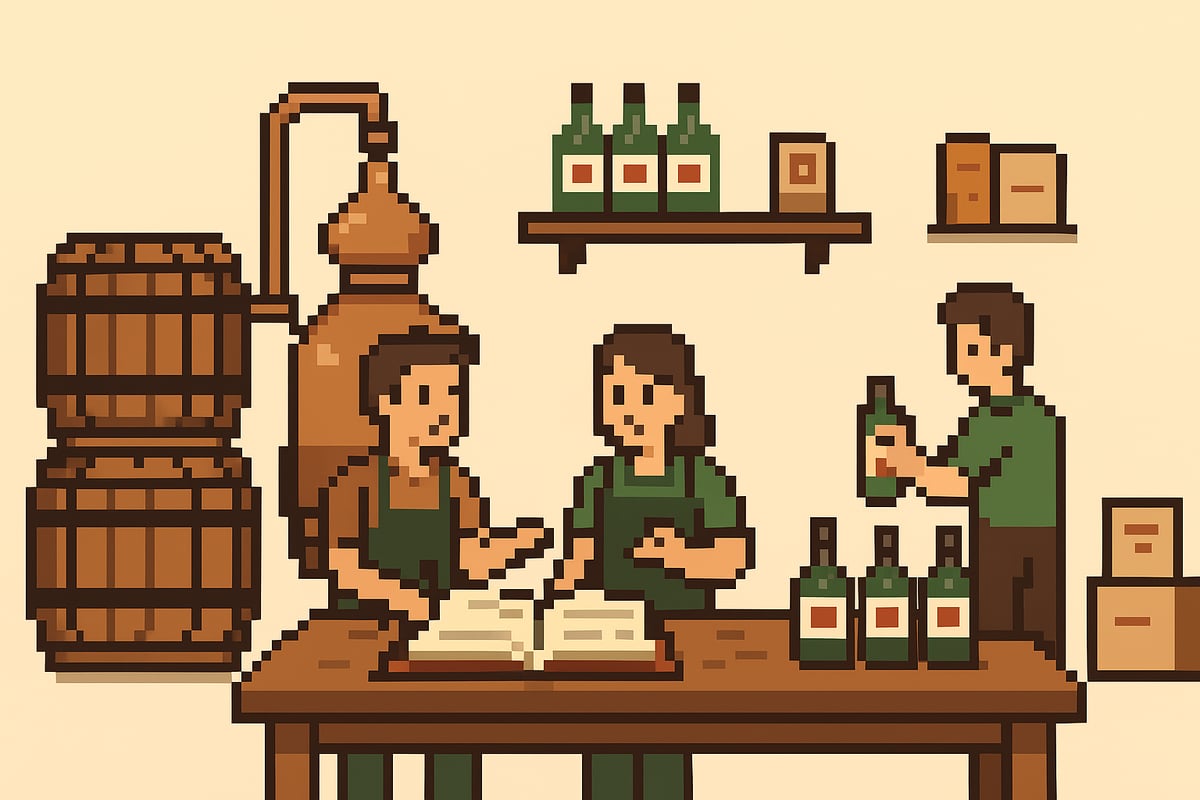
Step 1: Defining the recipe and concept
It all starts here: the recipe. Together with the producer, you'll develop a unique blend that reflects your vision for a custom-made amaro. Analyze market trends: which botanicals are in fashion? Do you prefer citrus, spicy, or floral notes?
Here are some typical ingredients you might want to consider:
| Botany | Aromatic profile |
|---|---|
| Gentian | Bitter, earthy |
| Bitter orange | Citrus |
| Rhubarb | Sweet, herbaceous |
| Cinnamon | Spicy |
The concept isn't just about flavor, but also about brand positioning. Do you want a traditional or innovative product? Clarifying these aspects at the outset will help you stand out in the contract bitters industry.
Step 2: Choosing the manufacturer and evaluating their skills
How do you choose the right partner? At this stage, selecting the producer is crucial to the success of your third-party amaro business. Assess the distillery's experience: how long has it been operating? Does it have solid references and documented success stories?
Here is a list of criteria to consider:
- Quality certifications (ISO, IFS)
- Production capacity and flexibility (small batches, large volumes)
- Possibility to visit the facilities
- Specializing in artisanal bitters
Don't forget to compare artisanal and industrial distilleries: the former offer more customization, the latter larger volumes. Take the time to carefully evaluate each option for your contract amaro.
Step 3: Prototyping and laboratory testing
Now comes the most creative part: prototyping. In this phase, the producer creates samples of your custom-made amaro for you to taste and evaluate. Tasting sessions are organized, often with expert panels, to gather honest feedback.
Stability and shelf life tests are performed to ensure the product remains good even after months on the shelves. If something isn't working for you, we return to the lab for small adjustments to the formula. This step allows you to perfect your third-party bitters before large-scale production.
Step 4: Production, bottling and packaging
Finally, we move on to the actual production stage. Here, the materials for the bottle, label, and cap are chosen, always paying attention to quality and visual impact. Attractive packaging is essential to the success of a third-party amaro, especially if you're targeting the most demanding markets.
Personalization isn't limited to aesthetics: you can opt for sustainable materials, such as recycled glass or eco-friendly labels. If you'd like to learn more about responsible packaging strategies and solutions, check out Sustainable Packaging for Spirits .
During bottling, quality controls are performed on each batch. Some examples of innovative packaging in the spirits industry have won awards thanks to their attention to detail and sustainability. This way, your third-party amaro arrives on the market ready to impress.
Regulations, Certifications and Legal Aspects in 2026
When you're thinking about launching your own third-party bitter, regulations, certifications, and legal issues can make the difference between success and unexpected problems. Let's explore together what you really need to know to move forward with confidence in 2026.
Regulatory requirements for the production of bitters for third parties
In 2026, the regulatory framework governing the contract production of amaro in Italy is based on updated European regulations and national laws that are increasingly focused on safety and traceability. A specific license for the production of alcoholic beverages is required, in addition to registration in the register of food business operators.
Every ingredient used in your third-party bitters must be traceable from the raw material to the finished product. Labeling is another key point: mandatory information includes alcohol content, ingredients, allergens, and production batch. Also be careful about legal claims: you can't attribute health benefits unless authorized.
Don't forget that the sector is experiencing strong growth and authorities are intensifying controls, as highlighted in the analysis of the growth of the bitters market in Italy . A dynamic environment requires constant updates on new regulations.
Food quality and safety certifications
For those who want to produce a reliable and competitive third-party bitter, certifications are a crucial tool. There are mandatory certifications, such as health authorization, and voluntary certifications that enhance the product.
Key certifications in 2026 include:
| Certification | Typology | Main advantage |
|---|---|---|
| ISO 22000 | Volunteer | Food safety guaranteed |
| IFS Food | Volunteer | European quality standard |
| BIO | Volunteer | Access to the organic market |
ISO or IFS certified distilleries are more reliable and often preferred by Italian and international buyers. Obtaining organic certification for your third-party amaro allows you to tap into green trends and meet consumer demands for transparency.
A certified producer will also be better prepared to manage audits, official controls, and export requests, reducing the risk of bureaucratic roadblocks.
Contractual aspects and intellectual property
When you outsource the production of a bitter liqueur to a distillery, the contract is the shield that protects your brand and your recipe. There are various types of agreements, from simple production services to more complex partnerships with royalties or exclusive territory.
Here are some clauses to carefully evaluate:
- Exclusivity of the formula and packaging
- Duration of the agreement and possibility of withdrawal
- Management of royalties on sales
- Ownership of the recipe and the brand
- Non-disclosure (NDA) and formula protection
Intellectual property is a sensitive topic. Often, the recipe for third-party amaro remains the property of the brand, but it's essential to clarify this in the contract. Some disputes have been resolved thanks to well-structured NDAs and detailed confidentiality clauses. Take the time to consult with a legal advisor experienced in the spirits industry and ensure everything is clear.
Costs and Margins in the Production of Amaro for Third Parties
When you're thinking about launching into the world of third-party bitters, the first question you'll ask is about costs and potential profits. There's no single answer, but understanding the main expense items and how margins are calculated allows you to make more informed decisions. Let's look at what to expect and which strategies to adopt to maximize profits in this ever-growing sector.
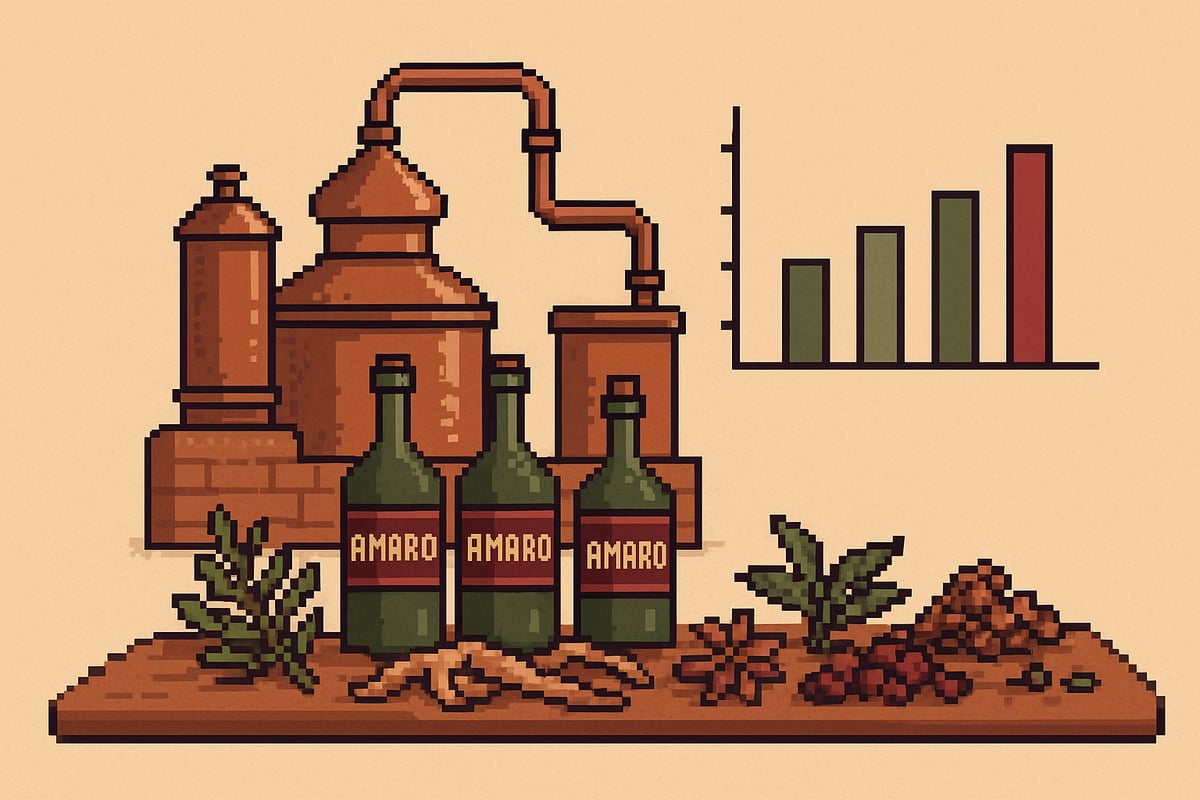
Analysis of the main costs
To start a third-party amaro, the costs are divided between recipe development, production, packaging, and certifications. On average, creating a custom formula can cost between €500 and €2,000. The price per batch varies greatly, but often starts from €3 to €10 per bottle, depending on the quantity ordered and the complexity of the recipe.
Here is a summary table:
| Cost item | Indicative range |
|---|---|
| Recipe/formulation | €500 - €2,000 |
| Minimum lot | 300 - 1,000 bottles |
| Packaging | €1 - €4 per bottle |
| Certifications | €500 - €2,000 |
Don't forget laboratory and analysis costs, which are crucial for compliance. Want to dig deeper into industry data? Check out our craft alcohol market analysis to understand trends and average prices.
Margin calculations and pricing strategies
Determining the final price for your third-party bitters requires considering all costs and market positioning. The average margin for artisanal bitters is between 35% and 50%. How can you increase this margin? By focusing on thoughtful packaging, limited editions, and premiumization strategies.
Here are some winning moves:
- Study the break-even point: how many bottles do you need to sell to cover your costs?
- It uses the perception of craftsmanship to justify a higher price.
- Consider partnerships with cocktail bars or e-commerce sites to increase distribution.
The choice of production partner also plays a role: read how third-party gin production works to discover similarities and useful insights.
Factors that influence profitability
The profitability of a third-party bitter depends on several factors. First and foremost, the quantity produced: the more orders, the greater the negotiating power over prices. Logistics is another key aspect, as efficient distribution reduces waste and extra costs.
Don't overlook the impact of promotions and offers: if managed well, they can increase sales without significantly impacting margins. Examples of success? Small brands that have chosen small formats or seasonal editions to create urgency and desire among customers.
If you have clear ideas and choose your partners carefully, your bitter third-party account can truly become a profitable and sustainable business.
How to Choose the Ideal Partner for Amaro Conto Terzi
Finding the perfect partner for your third-party bitters project is one of the most critical decisions you'll make. This step can determine not only the quality of your product, but also your brand positioning and commercial success. Before signing any contract, stop and think: have you ever wondered what qualities you should really look for in a producer? In this section, I'll guide you through the key criteria, the questions to remember, and the trends changing the industry.
Manufacturer selection criteria
When choosing a third-party bitters partner, reputation comes first. Look for solid companies with years of experience and a history of successful projects. A good starting point is to ask for references and read reviews from other brands that have already taken this path.
Specialization is crucial: choose distilleries that know the world of amaro and bitters well, capable of offering genuine customization and creative support. Don't underestimate the capacity for innovation: a producer who is up-to-date on new techniques and market trends can make all the difference.
Don't forget to organize tastings and distillery visits. These moments are invaluable for evaluating product quality and process transparency. To learn more about the culture and trends of Italian amaro, check out Amaro Italiano: Storia e Trends .
Summary table of criteria:
| Criterion | Description |
|---|---|
| Reputation | References, case studies, market presence |
| Specialization | Experience in third-party bitters and bitter liqueurs |
| Innovation | Research and development, modern techniques |
| Personalization | Tailor-made recipes, dedicated packaging |
| Support | Logistics assistance, marketing, training |
Questions to ask before signing a contract
Before committing to a producer for your third-party bitters, prepare a list of strategic questions. This will help you avoid unpleasant surprises and establish a transparent collaboration right from the start.
Here are some key questions:
- What is the recipe development process and what is the expected timeframe?
- What are the minimum and maximum quantities I can order?
- Will the recipe be mine or shared ownership?
- What kind of logistical and marketing support is offered?
- Are there intermediate tastings before final production?
- How is the confidentiality of the formula managed?
Don't be afraid to ask for examples of contracts you've already used with other clients. A reliable partner must be clear and transparent about every aspect, from intellectual property to delivery times.
Future trends and innovation in the third-party bitters sector
The world of third-party bitters is evolving rapidly, driven by a wave of innovation and attention to evolving consumer needs. Are you thinking of an organic recipe, a low-alcohol product, or a sugar-free formula? You're on the right track: by 2025, demand for organic bitters is expected to have grown by 20%.
The most cutting-edge distilleries are experimenting with unusual botanicals, innovative distillation techniques (such as vacuum and rotavapor), and eco-friendly packaging. Bottle sizes and consumption methods are also evolving: miniature formats and cocktail boxes are increasingly in demand, as highlighted in the article on Spirits Trends in Italy .
Looking at international trends, such as the growth of low-alcohol bitters, can offer insights into how to stand out in the Italian market. If you want your third-party bitters to remain competitive, choose a partner that invests in research and is ready to embrace innovation with you.
You've read this far and you're probably wondering, "What would a custom-designed artisanal amaro, the fruit of passion and innovation, really be like?" If you want to discover what it means to bottle family tradition, artisanal care, and a hint of contemporary spirit, why not take a look at our amaros? Here you'll find all the character of the Marche region, authentic recipes, and sustainability that's more than just a word. Come on, get inspired: Discover our amaros.