

Discover the true technical and cultural criteria that define an authentic premium gin. A comprehensive guide to distinguishing real quality from marketing and choosing consciously.
Definition of premium gin: a guide for enthusiasts 2026
Mar 8, 2026

In today's spirits market, the term "premium" is often misused. Surprisingly, 40% of gins priced over €50 do not meet technical premium quality criteria. This guide will help you distinguish authentic high-quality gins from products that use price as a marketing tool, allowing you to appreciate the true cultural and artisanal value behind each bottle.
Table of Contents
- Introduction to Premium Gin
- Technical Criteria for Defining Premium Gin
- The Impact of Narrative and Cultural Value
- Common Myths and Truths About Premium Gin
- Comparison and Evaluation Framework for Premium Gin
- Examples of Recognized Italian Premium Gins
- How to Choose an Authentic Premium Gin
- Conclusions and Next Steps
- Discover Premium Quality and Cultural Gins at Mezzanotte
- Frequently Asked Questions
Key Points
| Point | Details |
|---|---|
| Authentic Criteria | Premium gin relies on selected ingredients, careful distillation, and cultural storytelling. |
| Price is Not a Guarantee | A high cost does not necessarily indicate superior technical quality. |
| Objective Evaluation | Verifiable technical and cultural criteria exist to distinguish authentic products from marketing. |
| Complete Experience | Narrative and territorial connection enhance value beyond organoleptic aspects. |
Introduction to Premium Gin
The concept of premium gin does not have an official regulated definition. The term premium is not officially regulated in Europe and is often used freely by producers. This lack of official standards creates confusion among consumers.
However, quality criteria recognized by industry experts do exist. The technical and organoleptic definition of premium gin is based on verifiable elements such as the selection of botanicals, distillation techniques, and cultural narrative.
The European artisanal spirits market is experiencing significant growth. Enthusiasts are increasingly seeking products that tell authentic stories and represent local traditions. This trend has led many artisanal distilleries to emphasize valuable ingredients and traditional processes.
Factors that distinguish an authentic premium gin include:
- Rigorous selection of high-quality botanicals, often local or rare exotic ones
- Artisanal distillation processes requiring advanced technical expertise
- Cultural storytelling that connects the product to territory, history, and tradition
- Complete transparency regarding ingredients and production methods used
- Awards from international competitions that validate objective quality
The growing demand for transparency has led consumers to look beyond packaging. Today, enthusiasts want to know the origin of botanicals, the distillation method, and the story behind each bottle.
Technical Criteria for Defining Premium Gin
The technical quality of a premium gin is based on measurable and verifiable elements. The selection of botanicals represents the first fundamental distinguishing factor.
The selection of high-quality botanicals and the traditional or innovative distillation process are fundamental for a premium gin. The finest botanicals include hand-picked juniper berries, rare roots like angelica and orris, fresh untreated citrus, and exotic spices of certified origin.
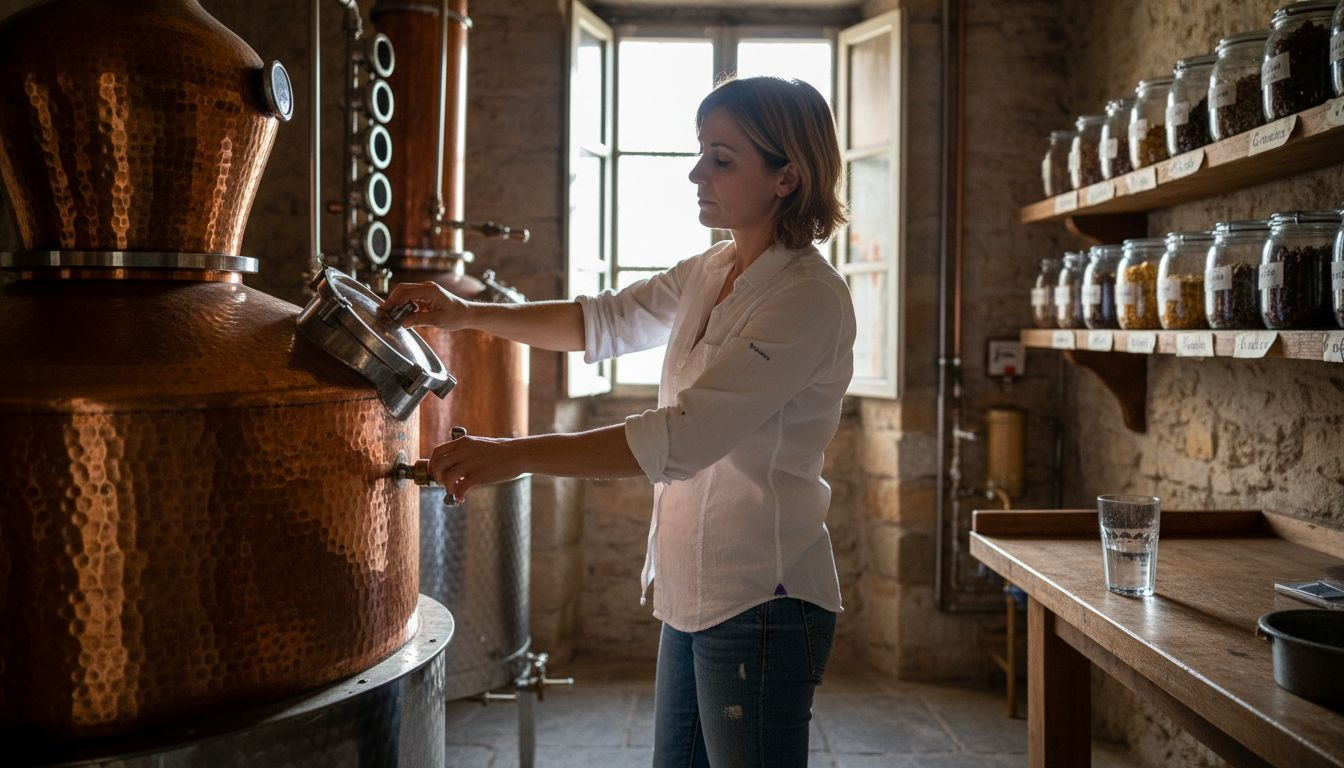
The freshness and geographical origin of the botanicals directly influence the final aromatic profile. Premium producers document the provenance of each ingredient, ensuring complete traceability.
| Botanical | Preferred Origin | Aromatic Impact |
|---|---|---|
| Juniper | Tuscany, Balkans | Fresh resinous notes |
| Angelica | France, Germany | Body and persistence |
| Coriander | Morocco, India | Delicate spicy aroma |
| Cardamom | Guatemala, India | Aromatic complexity |
The maceration and distillation methods determine the final quality. The use of botanical maceration before distillation improves aroma and organoleptic complexity. Various techniques are used by artisanal distilleries.
The aromatic components of artisanal gin are extracted through processes requiring advanced technical expertise. Cold maceration preserves delicate aromas, while traditional copper pot still distillation removes impurities and concentrates fragrances.
The quality of ingredients in premium gin is reflected in the purity of the base alcohol, which must be of high-quality grain or grape origin. Low-quality neutral alcohol irrevocably compromises the final result.
Traditional vs. innovative distillation processes offer different but equally valid approaches. Artisanal distilleries often combine ancient wisdom with modern technologies to optimize aromatic yield.
Pro Tip: Always check if the producer specifies the type of still used and the number of distillations. This information reveals transparency and technical expertise.
The Impact of Narrative and Cultural Value
Cultural storytelling transforms a technically excellent spirit into a memorable experience. Narrative creates emotional connections that go beyond organoleptic characteristics.
65% of experts consider narrative a key criterion for defining premium gin. This data underscores how cultural value has become inseparable from technical quality in the perception of excellence.
The technical and organoleptic definition of premium gin necessarily includes narrative elements that contextualize the product. An authentic premium gin tells the story of the territory, local traditions, and the people who create it.
Narrative elements that enhance a premium gin include:
- Documented connection to historical regional distilling traditions
- Inspiration from myths, legends, or significant cultural figures
- Connection with native botanicals of the production territory
- History of the distillery and the generations who have guided it
- Collaborations with artists, designers, or cultural experts
Italian artisanal distilleries excel at connecting product and cultural heritage. Many Italian premium gins incorporate native Mediterranean botanicals and draw inspiration from medieval or Renaissance herbal traditions.
“A premium gin is not just a liquid in a bottle. It is a cultural experience that connects the drinker with a larger story, with a territory and a tradition that deserve to be preserved and celebrated.”
Authentic narrative requires consistency between the story told and the production reality. Experienced consumers quickly recognize when storytelling is artificially constructed for marketing purposes.
Customer loyalty depends on the brand's ability to keep its narrative promises. A gin that tells a story of local craftsmanship must concretely demonstrate this commitment through ingredients, processes, and transparency.
Common Myths and Truths About Premium Gin
The spirits market is full of misconceptions that influence purchasing decisions. Debunking these myths helps to correctly evaluate products.
The first myth concerns the equation of high price equaling premium quality. Many expensive gins invest more in marketing and packaging than in quality ingredients and processes. Price often reflects commercial strategies rather than intrinsic value.
25% of the analyzed premium gins contain artificial flavors, compromising authenticity. This practice is particularly common among products that emphasize extreme or unusual aromatic profiles.
Another common myth is that all artisanal gins are premium. Small-batch production does not automatically guarantee superior quality. The distiller's technical expertise and ingredient selection make the difference.
Red flags indicating a non-premium gin include:
- Vague or generic ingredients listed on the label without specificity
- Absence of information on the distillation method used
- Obvious artificial aromas that mask the quality of the base alcohol
- Excessively low prices incompatible with quality ingredients
- Aggressive marketing that emphasizes design while neglecting content
Transparency is the best indicator of authenticity. Premium producers willingly provide details on botanicals, provenance, distillation techniques, and product history.
Pro Tip: Be wary of gins that boast dozens of exotic botanicals at low prices. The quality and traceability of many ingredients have incompressible costs.
The types of artisanal gin vary significantly in approach and production philosophy. Knowing the different categories helps to identify what one is looking for and evaluate proposals more informedly.
Carefully reading labels and researching the producer online are essential steps. Reviews from industry experts and awards from international competitions offer objective validations of quality.
Comparison and Evaluation Framework for Premium Gin
Objectively evaluating a premium gin requires a systematic approach that considers multiple factors. A structured framework helps distinguish authentic products from imitations.
| Criterion | Authentic Premium Gin | Marketing Premium Gin |
|---|---|---|
| Ingredients | Specific botanicals with declared origin | Generic list without provenance |
| Distillation | Detailed and transparent method | Vague or absent information |
| Narrative | Verifiable story connected to territory | Generic, constructed storytelling |
| Awards | International technical recognitions | Absence or self-produced awards |
| Packaging | Refined but informative design | Aesthetics prevail over transparency |
| Price | Consistent with ingredient costs | Inflated for positioning |
The quick evaluation checklist for enthusiasts includes immediate checks. Verify if the label specifies the number of botanicals and their declared geographical origin. Look for information on the type of still and the number of distillations performed.
International awards such as gold medals from the International Wine and Spirit Competition or San Francisco World Spirits Competition represent objective validations. These awards require blind tastings by expert panels.
The difference between vodka and gin aromas and stories highlights how premium gin requires specific skills in botanical balance. The aromatic complexity of gin makes it more challenging to produce at excellent levels compared to more neutral spirits.
Elements to verify in the evaluation include:
- Presence of detailed information on the producer's website
- Availability of distillery visits or production transparency
- Consistency between narrative and verifiable actual practice
- Reviews from recognized spirits industry experts
- Quality-price ratio based on ingredients and process
The artisanal gin tasting tips help develop the palate needed to evaluate organoleptic quality. Conscious tasting reveals the balance, complexity, and aromatic persistence that characterize premium products.
The final sensory experience confirms or refutes the promises. An authentic premium gin must demonstrate harmony between aromas, a clean taste without chemical notes, and a long, pleasant finish.
Examples of Recognized Italian Premium Gins
Italy has developed a tradition of artisanal gins that combine technical excellence and cultural richness. Several Italian producers have received international recognition between 2023 and 2025.
Italian distilleries value native Mediterranean botanicals such as myrtle, Sardinian juniper, Calabrian bergamot, and Tuscan rosemary. These ingredients lend distinctive aromatic profiles that tell the story of the Italian territory.
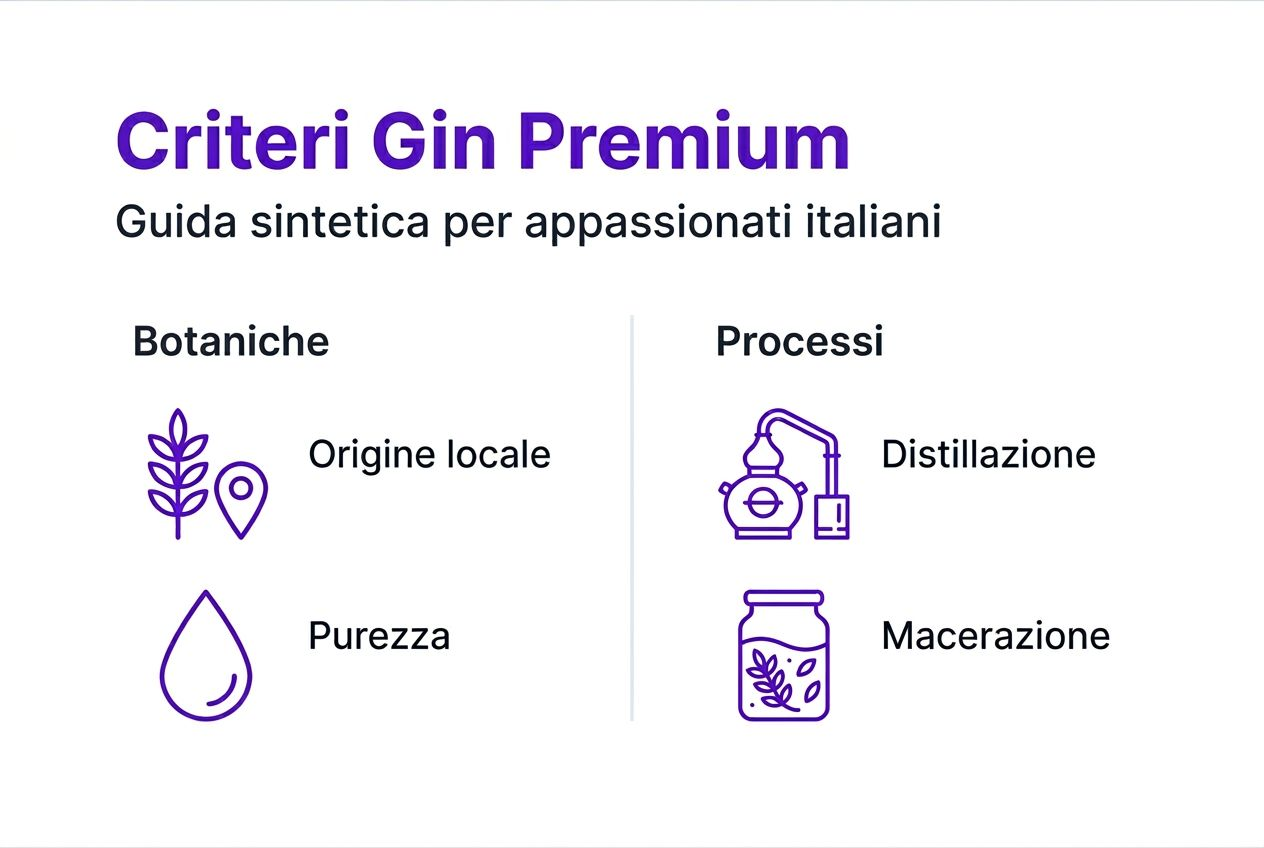
Italian herbal tradition, dating back to the Middle Ages and Renaissance, provides a solid cultural foundation. Many Italian premium gins are inspired by ancient monastic recipes or historical pharmaceutical traditions.
Examples of distinctive characteristics of award-winning Italian gins:
- Use of fresh citrus from the southern coasts for vibrant Mediterranean notes
- Incorporation of alpine aromatic herbs for unique mountain complexity
- Inspiration from Italian cultural figures such as artists, explorers, or mythological characters
- Collaborations with master perfumers for sophisticated aromatic balances
- Packaging that reflects contemporary Italian art and design
International awards obtained by Italian producers validate the technical quality achieved. Gold and double gold medals in blind tasting competitions demonstrate globally recognized organoleptic excellence.
The storytelling of Italian gins often intertwines classical mythology, contemporary pop culture, and local traditions. This ability to connect past and present creates memorable narratives that enrich the consumption experience.
The growth of the Italian premium segment reflects the global appreciation for Italian craftsmanship. Consumers recognize in Italian spirits the same attention to quality and design that characterizes other sectors of "Made in Italy."
The Italian approach to premium gin emphasizes balance rather than aromatic extremes. This philosophy mirrors Italian culinary tradition, which prioritizes harmony and quality ingredients over excessive manipulations.
How to Choose an Authentic Premium Gin
The conscious choice of a premium gin requires attention to specific details that reveal authenticity and quality. The label is the first source of verifiable information.
Steps to evaluate a premium gin before purchasing:
- Read the full list of botanicals, checking for specificity and declared geographical origin.
- Check information on the distillation method and type of still used.
- Look for references to international awards with specific year and competition
- Verify the alcohol content, which for premium gins is typically between 42% and 47%
- Investigate the manufacturer's website for transparency regarding history and processes
- Read reviews from recognized experts in the international spirits industry
Correct interpretation of the label requires attention to technical terms. Expressions such as “distilled with botanicals” indicate a more authentic process compared to “flavored with,” which may suggest additions post-distillation.
Craft gin tasting tips offer techniques for evaluating organoleptic quality. Smelling pure gin at room temperature reveals aromatic complexity and any artificial chemical notes.
Pro Tip: An authentic premium gin maintains complexity even when diluted. Try adding a neutral quality tonic water to see if new aromas emerge or if the profile flattens.
The product's history and cultural connection are verified through in-depth research. Visit the manufacturer's website, read interviews with distillers, and look for documentation on the creative process.
Awards from legitimate international competitions offer a guarantee of technical quality validated by experts. Beware of self-produced awards or those from unknown organizations without credibility in the industry.
The price-quality ratio must reflect the real costs of high-quality ingredients and artisanal processes. An authentic premium gin with rare botanicals and traditional distillation has minimum incompressible costs below certain levels.
Conclusions and Next Steps
Recognizing an authentic premium gin requires a combined evaluation of technical and cultural criteria. The quality of ingredients, distillation methods, and verifiable storytelling are inseparable elements.
A high price does not guarantee premium quality. Manufacturer transparency and international recognition offer more reliable validations of commercial positioning.
Deepen your experience through conscious tastings and active research. Visit distilleries, participate in masterclasses, and build your palate to recognize authentic excellence. The true value of a premium gin is discovered through knowledge and direct experience.
Discover Premium Quality and Cultural Gin from Mezzanotte
If you're looking for spirits that combine technical excellence and authentic cultural narrative, Mezzanotte offers curated selections of Italian craft gins. Each product tells a unique story that connects tradition, territory, and innovation.

Explore the collection of award-winning gins that embody the quality criteria discussed in this guide. Discover why pop culture and spirits unite to create memorable experiences that go beyond simple consumption.
Each Mezzanotte bottle represents a sensory and cultural journey. From gins inspired by classical myths to those celebrating contemporary Italian craftsmanship, you will find spirits that meet the highest quality standards.
Complete your premium experience with exclusive accessories such as the blue and light blue tie-dye Mezzanotte t-shirt that celebrates the culture of craft spirits with a unique design.
Frequently Asked Questions
What distinguishes a premium gin from a standard gin?
A premium gin is distinguished by a rigorous selection of high-quality botanicals with traceable origins, artisanal distillation processes in traditional stills, and an authentic cultural narrative. Standard gins use generic ingredients, industrial distillation, and minimal investment in storytelling. The difference is perceived in aromatic complexity, clean taste, and persistent finish.
How can I check if a gin contains artificial flavors?
Check the label for terms like "flavored" or "with added flavors" which indicate post-distillation additions. An authentic premium gin specifies "distilled with botanicals" with no mention of added flavors. Tasting reveals evident chemical or synthetic notes in products with artificial flavors, while natural gins show organic complexity and harmony.
Which international awards guarantee the quality of a gin?
The most reliable recognitions come from the International Wine and Spirit Competition, San Francisco World Spirits Competition, and World Gin Awards. These competitions use expert panels and rigorous blind tastings. Gold or double gold medals from these contests validate objective technical excellence recognized globally.
Does the distillation method influence the quality of premium gin?
Absolutely. Distillation in traditional copper stills removes impurities and concentrates aromas superiorly compared to rapid industrial methods. Maceration of botanicals before distillation enhances aromatic extraction and complexity. The number of distillations and temperature control during the process determine the cleanliness and quality of the final product.
How much should I spend on an authentic premium gin?
An authentic premium gin with quality botanicals and artisanal distillation has irreducible production costs. Prices below 30-35 euros for a 700ml bottle rarely cover premium ingredients and artisanal processes. However, prices over 60-70 euros often reflect marketing and packaging more than superior intrinsic quality. Always consider transparency and recognition beyond the price.
Do local botanicals make a gin more premium?
Quality local botanicals add narrative authenticity and territorial connection, key elements of premium value. However, the intrinsic quality of the botanicals matters more than their local origin. A premium gin balances distinctive local botanicals with excellent international ingredients to create unique and complex aromatic profiles that tell an authentic story.
Recommendation
- What defines a premium gin: a guide for Italian lovers – Mezzanotte | Distillery & Spirits
- Italian premium gin 2026: 73% value local botanicals – Mezzanotte | Distillery & Spirits
- Guide to types of craft gin: informed choice 2026 – Mezzanotte | Distillery & Spirits
- Tips for tasting gin: 57% more sensory experience – Mezzanotte | Distillery & Spirits