

Discover what defines modern cocktail culture, essential mixology techniques, and how premium Italian craft spirits transform every drink into a unique experience.
Cocktail Culture: Italian Spirits Connection 2026
Mar 22, 2026

Many believe that cocktail culture is limited to mixing drinks in a shaker. However, this ancient art combines history, refined technique, and cultural narrative that transforms each drink into a unique sensory experience. Italian artisan spirits have revolutionized this tradition by contributing local botanicals, captivating storytelling, and exceptional design that connect each sip with centuries of distilling mastery. This guide explores the historical foundations, essential techniques, expert nuances, and contemporary trends that define modern cocktail culture, revealing how premium Italian gins and vodkas elevate this artistic expression to unprecedented levels.
Table of Contents
- Key points about cocktail culture
- History and evolution of cocktail culture
- Techniques and nuances that define modern mixology
- Italian artisan spirits and their role in cocktail culture
- Current trends and tips for enjoying cocktail culture
- Explore premium Italian artisan spirits at Mezzanotte
- Frequently asked questions about cocktail culture
Key Points
| Point | Details |
|---|---|
| History and technique | Cocktail culture merges history, refined technique, and narrative to create unique sensory experiences. |
| Italian spirits | Italian artisan spirits bring identity, local botanicals, and storytelling that connect each drink with regional traditions. |
| Balance and dilution | Balance is achieved through key techniques and appropriate dilution that defines texture and sensory profile. |
| Sustainability and personalization | Current trends prioritize sustainability and personalization to adapt cocktails to tastes and contexts. |
History and evolution of cocktail culture
Cocktail culture is a global artistic expression that combines history, mixology techniques, local ingredients, and storytelling, evolving from simple 19th-century mixtures to modern sensory experiences. The first documented records of cocktails appear in the United States during the 1800s, when innovative bartenders began experimenting with spirits, sugar, water, and bitters. This basic combination laid the foundation for a cultural revolution that would transform bars into creative laboratories where each drink tells a story.
During American Prohibition in the 1920s, cocktail culture experienced a massive migration to Europe, especially Italy and France. American bartenders brought their refined techniques to cities like Rome, Milan, and Paris, where they merged with local traditions of aperitifs and digestives. This cultural interaction gave rise to Italian classics such as the Negroni and the Americano, drinks that celebrate the perfect balance between bitterness, sweetness, and aromatic complexity through local spirits.
The contemporary revolution began in the 1990s when visionary mixologists rediscovered forgotten recipes and artisanal techniques. The art of Italian premium spirits 2026 represents this new era where small producers create gins and vodkas with native botanicals, traditional processes, and exceptional narrative design. Each bottle tells the story of its region, its unique ingredients, and the passion of the master distiller.
Key elements defining the evolution of cocktail culture:
- Local ingredients reflecting specific terroir and regional tradition
- Artisanal distillation techniques that preserve aromatic complexity
- Storytelling that connects each drink with myths, culture, and heritage
- Bottle design as a distinctive artistic and cultural expression
- Multidimensional sensory experiences beyond simple taste
Today, cocktail culture represents a global movement that values authenticity, sustainability, and emotional connection. Italian artisan spirits lead this trend, offering products that combine exceptional quality with captivating narratives inspired by mythology, anime, and pop culture. This fusion of tradition and innovation transforms each cocktail into a sensory adventure that transcends the simple mixing of ingredients.
Techniques and nuances that define modern mixology
Mastering mixology and molecular mixology techniques such as shaking, stirring, muddling, building, layering, and molecular methods, with an ideal dilution of 20 to 30%, is essential for creating balanced cocktails. Each technique serves a specific purpose that directly influences the texture, temperature, dilution, and final presentation of the drink. Understanding when to apply each method makes the difference between a mediocre drink and a memorable experience.
Vigorous shaking with a shaker quickly cools ingredients while incorporating air, creating a silky texture and controlled dilution. This technique works perfectly for cocktails with citrus juices, dairy, or egg, where emulsion and oxygenation enhance flavor and presentation. Stirring with a bar spoon, by contrast, gently mixes ingredients without excessive aeration, ideal for spirits like Martinis or Manhattans where crystalline clarity is essential.
Direct building in the glass allows ingredients to gradually integrate while the ice slowly dilutes the mixture. This simple technique works for highballs and refreshing cocktails where simplicity maximizes the natural flavors of premium spirits. Muddling releases essential oils from fresh herbs, fruits, or spices through controlled pressure, fundamental for Mojitos and Old Fashioneds where botanical aromas define the drink's character.
Molecular techniques introduce innovative textures through spherification, gelling, and foams that transform traditional expectations. These methods require specialized ingredients like alginate, lecithin, or agar, allowing for the creation of gin caviar, aromatic airs, or flavored gels that surprise visually and sensually. However, excessive complexity can distract from the quality of the base spirit.
Professional tip: Dilution with quality ice is the best-kept secret of expert bartenders. Use large, dense cubes that melt slowly, maintaining a cold temperature without excessively diluting the cocktail. Cloudy or porous ice melts quickly, ruining the carefully designed balance of flavors.
| Technique | Purpose | Ideal Cocktails | Dilution Level |
|---|---|---|---|
| Shaking | Cool, aerate, emulsify | Margarita, Daiquiri, Whiskey Sour | 25 to 30% |
| Stirring | Mix without aerating, clarity | Martini, Manhattan, Negroni | 20 to 25% |
| Building | Gradual integration, simplicity | Gin Tonic, Aperol Spritz, Highball | 15 to 20% |
| Muddling | Extract oils, fresh aromas | Mojito, Caipirinha, Old Fashioned | Variable |
| Molecular | Innovative texture, surprise | Contemporary creations | Controlled |
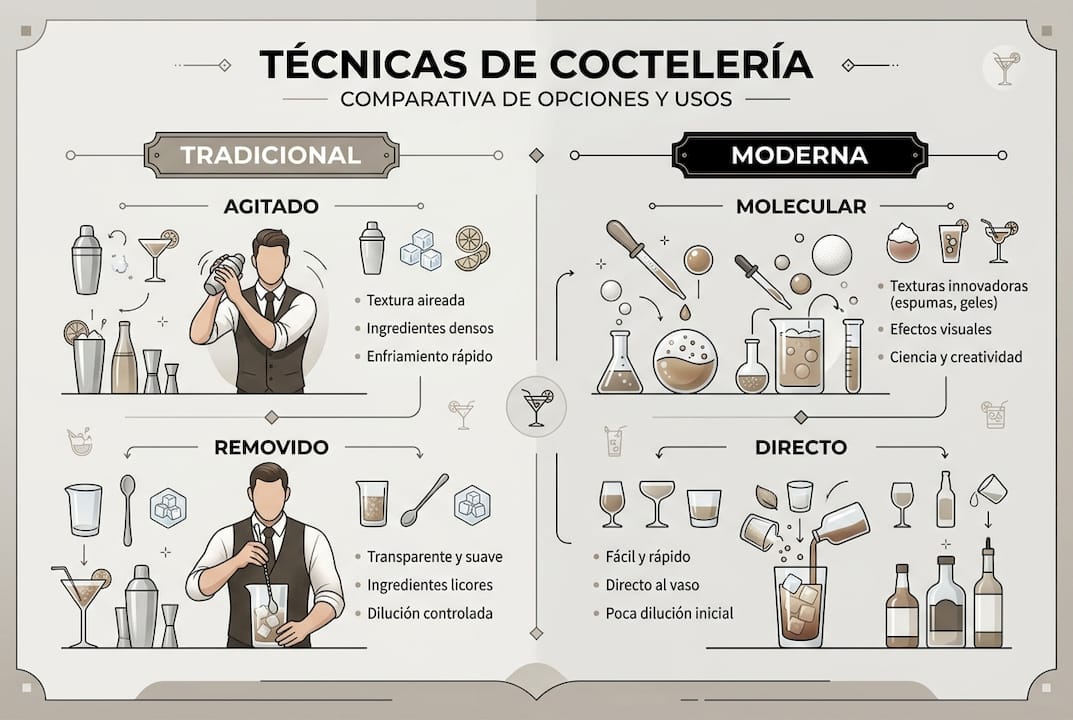
Classic controversies reveal expert nuances that separate amateurs from connoisseurs. The debate about shaking versus stirring a Martini illustrates how personal preferences influence the final experience. James Bond popularized the shaken Martini, but purists argue that stirring preserves the silky texture of premium gin without brutalizing delicate botanicals. Experimenting with both techniques using the same classic Negroni cocktail preparation reveals subtle but significant differences.
The growing trend of non-alcoholic cocktails demonstrates that refined techniques transcend the presence of spirits. Creative bartenders apply the same principles of balance, dilution, and presentation using non-alcoholic spirits, aromatic bitters, and artisanal syrups. This democratization of cocktail culture allows everyone to enjoy sophisticated experiences regardless of alcoholic preferences.
Italian artisan spirits and their role in cocktail culture
Italian gins like Mezzanotte and 359 Gin have local botanicals, awards, and tell unique stories that enrich classic and modern cocktails with a distinctive cultural identity. Mezzanotte captures the mysterious essence of the Italian midnight through carefully selected Mediterranean botanicals that evoke starry nights in Tuscany. Its aromatic profile combines traditional juniper with citrus notes of Calabrian bergamot and floral hints of wild lavender.
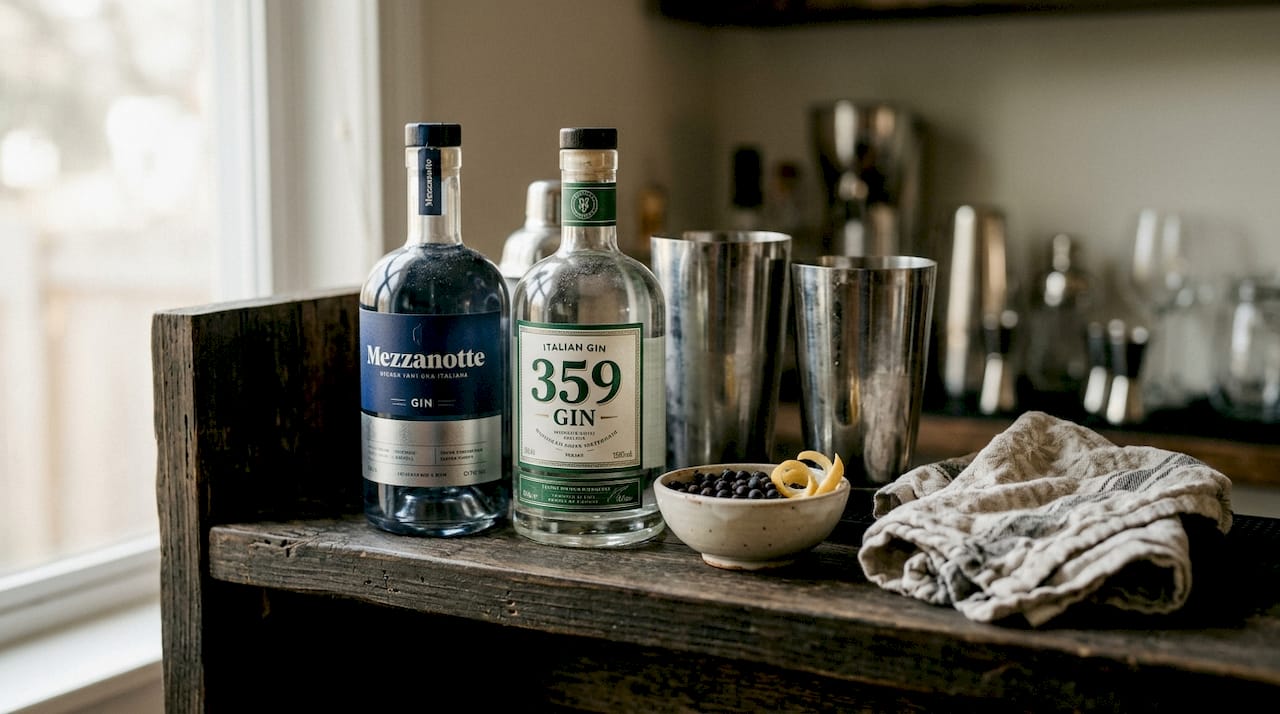
359 Gin represents the perfect fusion between distilling tradition and contemporary narrative inspired by anime culture. This artisan gin uses unique botanicals such as Japanese yuzu, sakura, and green tea that harmoniously interact with Italian juniper and alpine herbs. The result is a versatile spirit that works magnificently in both classic cocktails and modern creations exploring uncharted sensory territories.
Classic Italian cocktails reach new dimensions when prepared with these premium spirits. A Negroni made with Mezzanotte reveals layers of aromatic complexity that transform this iconic drink into a meditative experience. The traditional equal parts gin, Campari, and sweet vermouth allow the Mediterranean botanicals to shine while the characteristic bitterness is softened with subtle floral notes.
The Aperol Spritz, a symbol of the Italian aperitivo, is elevated when generic prosecco is replaced with artisan versions and a touch of premium gin is added. This contemporary variation maintains the refreshing and slightly bitter character while introducing botanical complexity that invites slow savoring of each sip. The presentation in a balloon glass with generous ice and an orange slice completes the visual experience.
Comparison of botanical profiles and distinctive characteristics:
| Aspect | Mezzanotte | 359 Gin |
|---|---|---|
| Main botanicals | Juniper, bergamot, lavender, rosemary | Juniper, yuzu, sakura, green tea |
| Narrative inspiration | Mediterranean nocturnal mystery | Italian anime cultural fusion |
| Aromatic profile | Citrus floral with herbal notes | Oriental citrus with floral touches |
| Ideal cocktails | Negroni, Martini, classic Gin Tonic | Modern creations, Asian fusion |
| Awards | International recognition | Medals in European competitions |
Professional tip: When choosing an Italian artisan gin for your home bar, consider the cocktail profile you enjoy preparing. Spirits with pronounced citrus botanicals work magnificently in refreshing summer drinks, while more herbal and spiced profiles shine in contemplative stirred cocktails.
The competitive advantage of these spirits lies in the verifiable authenticity of their production. Small family distilleries maintain total control over every stage, from botanical selection to final bottling. This traceability guarantees consistent quality and allows each batch to express subtle seasonal variations that reflect the unique Italian terroir. The bottle design complements this narrative with carefully selected iconography that transforms each presentation into a conversation piece.
For lovers seeking authenticity and cultural connection, exploring the guide to buying authentic Italian spirits reveals essential criteria for identifying genuine products. Verifying origin certifications, researching the producer's history, and understanding the specific botanical profile ensures that each purchase represents true artisanal value. The investment in premium spirits is justified by superior sensory experiences that transform ordinary cocktails into memorable moments.
Understanding what defines a premium gin allows one to appreciate the subtle differences that justify higher prices. Factors such as distillation methods, quality of the base alcohol, freshness of botanicals, and maceration time dramatically influence the final profile. The best Italian premium gins of 2026 value local botanicals through processes that preserve delicate essential oils and create exceptional aromatic balance.
Current trends and tips for enjoying cocktail culture
The 2025-2026 trends: sustainability, cultural fusion, cocktails with personalized narratives, and avoiding excessive complexity for ease of replication define the contemporary evolution of global mixology. Consumers demand transparency about the origin of ingredients, production methods, and environmental impact of their favorite drinks. This growing awareness drives artisan producers who prioritize sustainable practices and fair trade.
Cultural fusion represents another dominant trend where bartenders combine techniques and ingredients from diverse traditions. Cocktails that mix Italian gin with Japanese syrups, Peruvian bitters, and Thai herbs create sensory experiences that transcend geographical boundaries. This creative openness celebrates global diversity while maintaining respect for individual traditions that contribute each element.
Cocktails with personal history and emotional connection resonate deeply with contemporary audiences. Spirits that tell authentic stories about their origin, cultural inspiration, or artisanal process generate passionate loyalty among consumers who value meaning beyond simple taste. This narrative trend transforms the act of drinking into an enriching cultural experience that educates while entertaining.
Practical tips for creating balanced cocktails with their own identity:
- Start with a premium spirit that inspires you emotionally and whose story resonates personally with you
- Apply the classic rule of balance between sweet, sour, bitter, and alcohol through iterative testing
- Use high-quality ice made with filtered water to avoid strange flavors that contaminate your creation
- Incorporate a unique narrative element such as a local botanical, traditional technique, or culturally significant presentation
- Document your successful recipes with precise measurements to consistently replicate exceptional results
- Experiment with aromatic garnishes that complement the botanical profile of the base spirit
- Invite friends to taste your creations and solicit honest feedback to continuously refine your technique
Professional tip: Sustainability in home mixology begins with eliminating unnecessary waste. Use citrus peels to create aromatic twists, freeze leftover juices into cubes for future use, and compost organic waste. These practices reduce environmental impact while improving efficiency and creativity in your personal bar.
The impact of local and seasonal ingredients transforms ordinary cocktails into expressions of specific times and places. Fresh herbs from the local market, seasonal fruits at their peak ripeness, and artisanal honey from nearby producers provide an authenticity impossible to replicate with industrial products. This zero-kilometer philosophy applied to mixology celebrates regional biodiversity while supporting local economies.
To acquire authentic Italian artisanal spirits, research producers who demonstrate a commitment to quality over volume. Look for transparency in ingredient lists, detailed information on distillation processes, and verifiable origin certifications. The guide to customizing an Italian cocktail in 2026 offers specific strategies to adapt classic recipes to personal preferences without compromising fundamental balance.
Following the steps to buy quality spirits online ensures that every purchase represents a smart investment in superior experiences. Checking the seller's reputation, reading detailed reviews from other buyers, and confirming return policies protects against fraudulent or inferior products. The convenience of online shopping combined with authenticity guarantees democratizes access to premium spirits previously available only in select specialized stores.
Explore premium Italian artisanal spirits at Mezzanotte
Discover the excellence of Italian artisanal gins that combine unique Mediterranean botanicals with captivating storytelling and exceptional design. Each bottle represents years of distilling mastery, meticulous ingredient selection, and a passion for creating memorable sensory experiences. The international awards adorning these labels confirm the superior quality recognized by global experts.
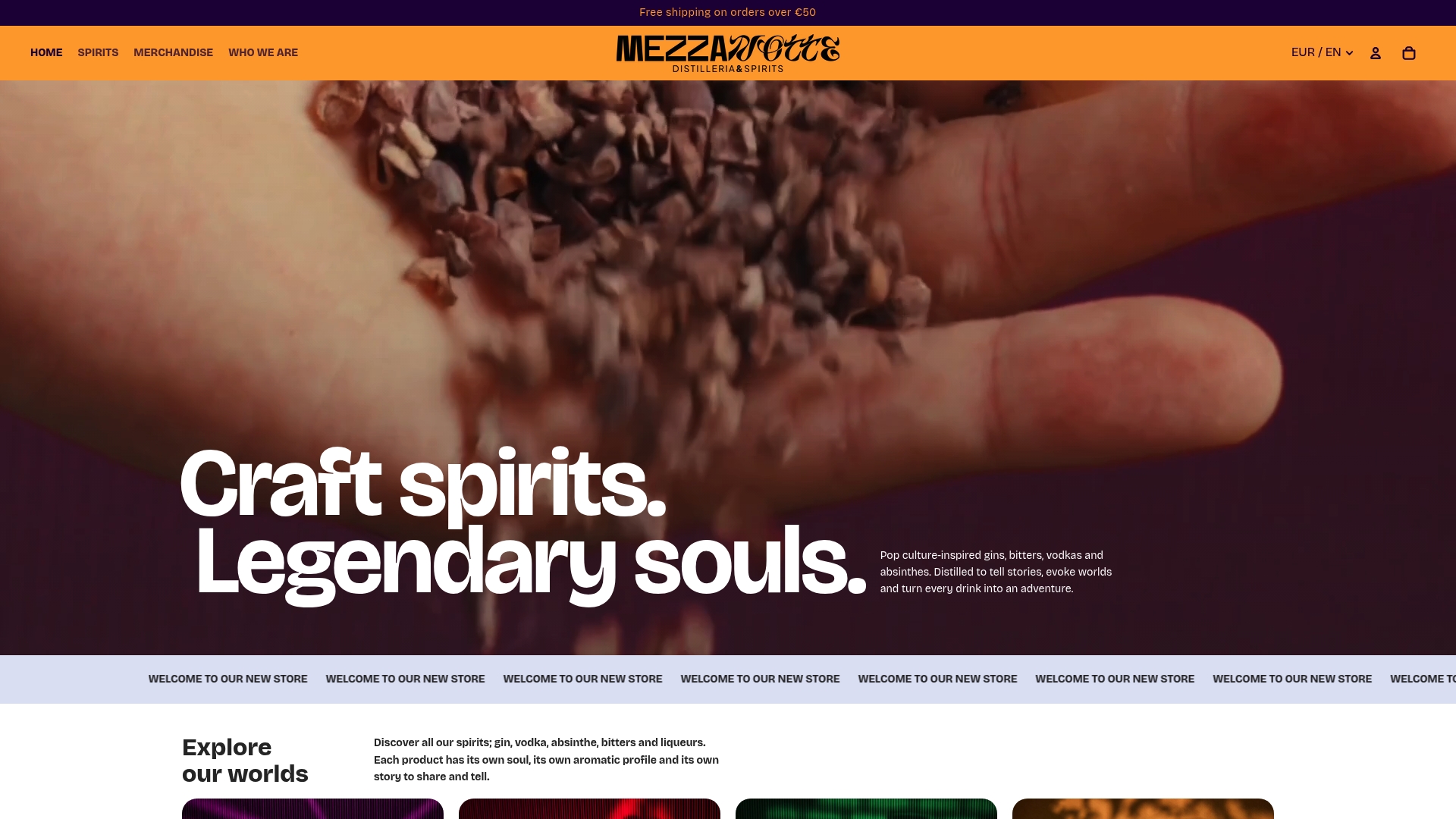
The collection includes diverse aromatic profiles that satisfy both classic palates and adventurers seeking unexplored territories. Also explore Italian artisanal vodkas distilled with crystalline purity that reveals the essence of premium Italian grain. The ease of online purchase with secure shipping brings these treasures directly to your home, allowing you to transform your personal bar into a sanctuary of authentic cocktail culture. Visit premium Italian spirits to start your sensory adventure today.
Frequently asked questions about cocktail culture
What truly defines cocktail culture?
Cocktail culture combines mixology history, refined techniques, quality ingredients, and cultural narrative that transforms each drink into a unique sensory experience. It goes beyond mixing liquids, incorporating storytelling, design, social rituals, and artisanal appreciation that connect the drinker with global and local traditions.
How to choose an authentic Italian artisanal spirit?
Verify origin certifications, research the producer's history and their commitment to traditional methods. Look for transparency in botanicals used, verifiable international awards, and bottle design that reflects a genuine cultural narrative. Read detailed reviews and purchase from reputable sellers who guarantee authenticity.
What basic techniques can beginners try?
Start with direct build in a glass for Gin Tonics and highballs, then progress to stirring with a spoon for Negronis. Shaking with a cocktail shaker for Margaritas and Daiquiris requires practice but is accessible. Master controlled dilution with quality ice before experimenting with advanced molecular techniques.
What are essential Italian cocktails to know?
The Negroni represents the perfect balance of gin, Campari, and sweet vermouth in equal parts. The Aperol Spritz combines Aperol, prosecco, and soda for ideal summer refreshment. The Americano, a precursor to the Negroni, substitutes gin with soda, while the Sbagliato replaces gin with prosecco for a sparkling variation.
How does storytelling influence the cocktail experience?
Storytelling transforms drinks into memorable cultural experiences that emotionally connect with the drinker. Authentic narratives about ingredient origin, distiller inspiration, or cultural significance enrich each sip with context that transcends pure flavor. This narrative dimension differentiates artisanal products from generic industrial alternatives and creates passionate loyalty.
Recommendation
- The art of premium Italian spirits in 2026 – Mezzanotte | Distilleria & Spirits
- Top 6 Vodka Cocktails in 2026 for Mixology Enthusiasts – Mezzanotte | Distilleria & Spirits
- Mastering the use of vodka in Italian mixology in 2026 – Mezzanotte | Distilleria & Spirits
- Italian distilling tradition: pomace and mastery 2026 – Mezzanotte | Distilleria & Spirits