

Discover 3 top cocktail recipes with Italian artisanal vodka, mixology techniques, and exact proportions for unique sensory experiences in 2026.
Vodka Cocktails: 3 Recipes for 70% of Mixologists 2026
Mar 2, 2026

Choosing vodka cocktails that combine artisanal quality, sensory balance, and authenticity can be a challenge for spirit enthusiasts in Italy. The right selection requires understanding the importance of premium vodka, fresh ingredients, and precise techniques that transform a common drink into a memorable cultural experience. This article presents key criteria, classic and refreshing recipes, mixology techniques, and situational recommendations to elevate your artisanal vodka practice.
Table of Contents
- Key Points About Vodka Cocktails
- Introduction and Criteria for Choosing Vodka Cocktails
- Vodka Selection and Ingredient Quality
- Classic Recipes and Their Flavor Balance
- Refreshing Recipes for Different Occasions
- Techniques and Proportions in Vodka Mixology
- Comparative Summary and Situational Recommendations
- Discover Vodka and Artisanal Spirits at Mezzanotte
- Frequently Asked Questions
Key Points About Vodka Cocktails
| Point | Details |
|---|---|
| Artisanal vodkas add complexity | Artisanal spirits offer superior purity and aromatic profiles that transform the final cocktail result. |
| Fresh ingredients are essential | Fruits, herbs, and natural mixers enhance the flavor and sensory experience of each preparation. |
| Classic cocktails cover many occasions | From elegant Martinis to refreshing Moscow Mules, there is an option for every moment and preference. |
| Appropriate techniques enhance presentation | Exact proportions, mixing methods, and appropriate garnishes optimize flavor and visual aesthetics. |
| Recommendations based on consumer profile | Different cocktails are better suited for formal, informal events, brunch, or night celebrations. |
Introduction and Criteria for Choosing Vodka Cocktails
Vodka provides an ideal neutral base that allows other flavors to stand out without dominating the cocktail's sensory profile. This characteristic makes it the preferred spirit for creative and classic mixology. When selecting recipes, you should consider three key factors: the quality of the base vodka, the freshness of complementary ingredients, and suitability for the specific occasion.
Premium and artisanal vodkas are essential for elevated sensory experiences that make a difference. Unlike industrial products, Italian artisanal spirits offer superior purity and aromatic nuances that transform simple preparations into memorable creations. The balance between quality ingredients and correct technique defines the final result of each cocktail.
To achieve exceptional cocktails, you need vodka with multiple distillations that ensures smoothness, fresh ingredients that provide vitality, and knowledge of proportions that guarantee harmony. Vodka recipes with artisanal Italian ingredients demonstrate how these elements combine to create unique experiences.
Essential criteria for selection:
- Sensory profile of the vodka: neutral but with artisanal character
- Certified quality and transparent origin of the spirit
- Fresh and natural complementary ingredients
- Appropriate mixing techniques for each style
- Suitability of the cocktail for the social context and time of day
Professional tip: Invest in high-quality artisanal vodka for your main cocktails. The difference in smoothness and purity justifies the additional cost and elevates the entire cocktail experience.
Vodka Selection and Ingredient Quality
Vodka is characterized by its multiple distillation and filtration processes that eliminate impurities and create a neutral profile. This neutral flavor of vodka allows other cocktail ingredients to stand out without dominating the overall profile. However, not all vodkas are equal in purity and sensory quality.
Artisanal vodkas differ by traditional production methods that preserve subtle aromatic nuances. The choice of a premium or artisanal vodka improves the flavor experience and adds complexity that can transform a traditional cocktail. Certified artisanal vodkas guarantee transparency in origin, distillation process, and absence of artificial additives.
Complementary ingredients are equally crucial for the final result. Fresh fruits such as lime, cranberries, and oranges provide natural acidity and vibrant aromas. Aromatic herbs such as mint, basil, and rosemary add sensory complexity that distinguishes homemade preparations from generic commercial versions.
Quality elements in ingredients:
- Freshly squeezed citrus fruits for balanced acidity
- Fresh herbs that release aromatic essential oils
- Natural mixers without artificial sugars or preservatives
- Spices and condiments of certified origin for authenticity
“The quality of the base vodka determines the smoothness and the final sensory profile of the cocktail. Investing in artisanal spirits with multiple distillations guarantees exceptional purity and memorable experiences for demanding palates.”
Using natural mixers optimizes flavor and freshness by avoiding artificial flavors that distort the balance. Artisanal ginger beer for Moscow Mule, premium tonic water for Vodka Tonic, and fresh juices for Cosmopolitan make noticeable differences compared to cheaper industrial alternatives.
Classic Recipes and Their Flavor Balance
Classic vodka cocktails have gained worldwide fame for their sensory balance and versatility. The Cosmopolitan uses vodka with triple sec, cranberry juice, and lime, highlighting the harmony between fruity flavors and the neutrality of vodka. This combination creates an elegant and slightly sweet profile ideal for sophisticated events.
The Bloody Mary uses vodka with tomato juice and various seasonings, being ideal for brunch and occasions that require a more robust and complex flavor. Spices such as hot sauce, Worcestershire sauce, and celery provide a savory and umami dimension that contrasts with the smoothness of the base vodka.
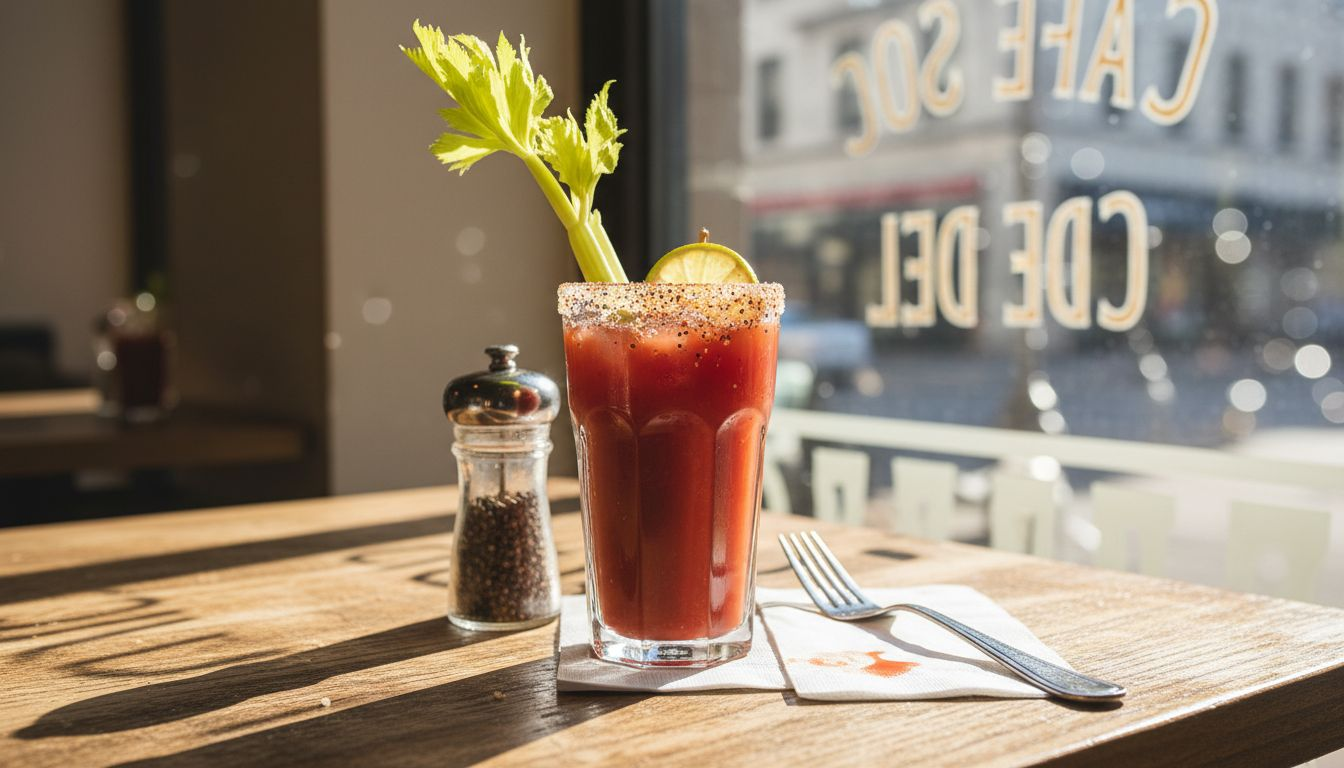
The Vodka Martini stands out for its elegant simplicity, using vodka and dry vermouth with olives as a garnish. This minimalist preparation requires maximum quality vodka because there are no additional ingredients to mask imperfections. Proportions vary according to personal preference, from a dry Martini with minimal vermouth to more balanced versions.
| Cocktail | Main Ingredients | Sensory Profile | Ideal Occasion |
|---|---|---|---|
| Cosmopolitan | Vodka, triple sec, cranberry, lime | Fruity, elegant, slightly sweet | Formal evening events |
| Bloody Mary | Vodka, tomato juice, spices | Robust, savory, complex | Brunch, daytime gatherings |
| Vodka Martini | Vodka, dry vermouth, olives | Clean, sophisticated, straightforward | Elegant dinners, intimate moments |
Standard proportions for each classic:
- Cosmopolitan: 1.5 oz vodka, 1 oz triple sec, 0.5 oz cranberry juice, 0.5 oz lime juice
- Bloody Mary: 2 oz vodka, 4 oz tomato juice, spices to taste
- Vodka Martini: 2.5 oz vodka, 0.5 oz dry vermouth
Garnishes enhance the aroma and visual aesthetic of each preparation. Lemon zest for a Cosmopolitan releases citrus oils when brought close to the glass. Celery and olives for a Bloody Mary add a crunchy texture. Olives or a lemon twist for a Martini complete the elegant sensory experience.
Professional tip: Chill glasses in the freezer 15 minutes before serving. The cold temperature intensifies the refreshing experience and keeps the cocktail at optimal temperature for longer.
Classic vodka recipes have endured for decades because they achieve a perfect balance between simplicity and sophistication. Master these fundamental preparations before exploring creative variations that require advanced technique and deeper sensory knowledge.
Refreshing Recipes for Different Occasions
Fresh ingredients like lime, mint, and fruits add freshness and harmony to vodka cocktails, elevating the sensory experience. These preparations are ideal for warm climates, outdoor events, and informal celebrations where hydration and a refreshing taste are sought.
The Moscow Mule combines vodka with spicy ginger beer and fresh lime to create a lively and stimulating profile. Traditionally served in a copper mug that maintains a cold temperature, this cocktail offers a balance between the sweetness of ginger beer and citrus acidity. The presentation in a metallic mug also adds a distinctive visual element that invites conversation.
The Vodka Tonic is a simple cocktail that highlights the lightness of vodka combined with bubbly tonic water, popular for casual occasions. This minimalist preparation allows appreciation of the quality of the base vodka without distractions. Adding a cucumber slice or a rosemary sprig transforms this basic drink into a sophisticated creation.
Refreshing options to explore:
- Moscow Mule: vodka, ginger beer, lime, fresh mint
- Vodka Tonic: vodka, premium tonic water, lemon or cucumber slice
- Vodka with fruits: vodka, macerated seasonal fruits, mineral water
- Vodka Mojito: vodka replacing rum, mint, lime, sugar, soda
Aromatic herbs such as mint, basil, and rosemary add an additional sensory dimension. Gently muddling the leaves before adding vodka releases essential oils that flavor the entire drink. Fresh fruits such as watermelon, strawberries, and mango add natural sweetness and vibrant color that make these preparations visually attractive.
The versatility of these cocktails allows them to be adapted according to personal preferences and seasonal availability of ingredients. Refreshing vodka recipes are perfect for summer aperitifs and informal celebrations where a light and easy-to-prepare drink in large quantities is sought.
These fresh cocktails for aperitif work especially well at outdoor events because they are hydrating and not heavy. The combination of mineral water or tonic with vodka maintains a moderate alcohol content while offering a satisfying sensory experience.
Techniques and Proportions in Vodka Mixology
Ideal proportions vary between 1.5 and 2 ounces of vodka per cocktail to achieve an optimal balance between alcohol, flavor, and sensory experience. Smaller amounts result in weak, characterless drinks. Larger amounts unbalance the profile and can overpower other complementary ingredients.
Proper preparation, such as shaking or stirring, significantly affects the perception of the vodka cocktail. Shaking vigorously for 10 to 15 seconds mixes ingredients, chills quickly, and creates a slightly frothy texture. Stirring gently with a bar spoon for 20 seconds produces a silky mixture without air bubbles.
Fundamental mixology techniques:
- Shaking: for cocktails with juices, creams, or dense ingredients
- Stirring: for preparations with only spirits and vermouth
- Muddling: to release essential oils from herbs and citrus
- Straining: to remove ice and solid particles before serving
The type of glass influences the temperature, aroma, and presentation of the final cocktail. A chilled Martini glass maintains a low temperature and concentrates aromas towards the nose. A copper mug for a Moscow Mule efficiently conducts cold and provides a unique aesthetic element. A highball glass for long preparations with mixers allows adding abundant ice that gradually dilutes.
The presentation and use of garnishes such as orange zest or lime slices add aesthetic and aromatic value to vodka cocktails. Grating citrus directly over the drink releases volatile oils that instantly aromatize it. Expressing a lemon twist over the surface creates an aromatic layer that is perceived before the first sip.
Types of cocktail garnishes range from functional to purely decorative. Functional garnishes like olives or celery add extra flavor. Aromatic garnishes like fresh herbs and citrus zest transform the olfactory experience. Decorative garnishes like edible flowers and carved fruits elevate the visual presentation.
Professional tip: Invest in a double-sided jigger for exact proportions. Consistency in measurements ensures reproducible results and allows you to adjust recipes precisely based on feedback from your guests.
Comparative Summary and Situational Recommendations
The most popular vodka cocktails like Bloody Mary, Moscow Mule, and Cosmopolitan lead due to their sensory balance, ease of preparation, and adaptability. Each offers a distinctive sensory profile that suits different times of day and specific social contexts.
| Cocktail | Flavor Profile | Complexity | Ideal Moment | Ease |
|---|---|---|---|---|
| Moscow Mule | Spicy, refreshing, citrusy | Medium | Informal parties, afternoons | Easy |
| Bloody Mary | Robust, savory, spicy | High | Brunch, mornings | Medium |
| Vodka Martini | Clean, dry, elegant | Low | Formal events, evenings | Easy |
| Cosmopolitan | Fruity, balanced, sophisticated | Medium | Evening celebrations | Medium |
For informal parties and casual gatherings, the Moscow Mule offers a perfect combination of freshness and ease of preparation. Its presentation in a copper mug sparks conversation, and the spicy taste of ginger beer maintains interest without being overwhelming.
For brunch and daytime events, the Bloody Mary provides a robust and complex flavor that complements savory foods. Customizable spices and seasonings allow adapting each preparation according to individual preferences for spiciness and saltiness.
Recommendations based on profile and occasion:
- Lovers of strong flavors: Bloody Mary with intense spices
- Preference for freshness: Moscow Mule or Vodka Tonic with herbs
- Elegant formal events: Classic Vodka Martini with a simple garnish
- Feminine celebrations: Cosmopolitan with careful presentation
- New vodka consumers: Vodka Tonic as a gentle introduction
For formal occasions and elegant dinners, the Vodka Martini represents minimalist sophistication. Its simple preparation requires maximum quality vodka because there are no ingredients to mask imperfections. The presentation in a chilled Martini glass conveys instant elegance.
The Cosmopolitan works exceptionally well for evening celebrations and events with a predominantly female audience. Its attractive pink color and balanced fruity flavor make it accessible for less experienced palates while maintaining enough sophistication for demanding connoisseurs.
These recommendations by profile and occasion help you select the perfect cocktail for a specific context. Consider your guests' preferences, time of day, and desired atmosphere to maximize satisfaction and create memorable experiences.
Discover artisanal vodka and spirits at Mezzanotte
After exploring techniques, recipes, and recommendations for vodka cocktails, it's time to access premium ingredients that will transform your mixology. Mezzanotte offers an exclusive selection of Italian artisanal vodkas produced with traditional methods that guarantee exceptional purity and distinctive aromatic profiles.

Each spirit in our collection has a unique cultural storytelling and certifications that guarantee authenticity. Italian artisanal vodkas combine distillation tradition with innovation inspired by pop culture, mythology, and contemporary art. This fusion creates products that not only taste exceptional but also generate conversation and cultural connection.
Our exclusive recipes for vodka lovers perfectly complement the spirits available in the store. These detailed guides include exact proportions, step-by-step techniques, and presentation suggestions that elevate each preparation. Also, explore our guide to artisanal spirits in Italy to deepen your knowledge of production processes and designations of origin.
Mezzanotte facilitates access to premium products and specialized knowledge for mixologists seeking to differentiate themselves. The combination of exceptional spirits with correct techniques and careful presentation transforms ordinary preparations into memorable cultural experiences that your guests will remember.
Frequently asked questions
How to choose the right vodka for cocktails?
Select artisanal vodkas for their superior purity and neutral profile that enhances other ingredients without dominating the final flavor. Look for spirits with multiple distillations and careful filtration that guarantee exceptional smoothness. Avoid vodkas with artificial added flavors that unbalance the sensory balance of the cocktail. The types of vodka and their purity vary significantly depending on the production method and origin.
What are the ideal proportions of vodka in a cocktail?
Generally, 1.5 to 2 ounces of vodka per cocktail achieves an optimal balance between alcohol and other ingredients. This amount allows the vodka to provide structure without dominating complementary flavors. Adapt according to complexity: simple preparations like a Vodka Tonic allow 2 oz, while complex cocktails like a Bloody Mary work better with 1.5 oz to avoid overwhelming spices and condiments.
What mixing techniques improve cocktail flavor?
Shake vigorously for 10 to 15 seconds to mix dense ingredients and chill quickly. Stir gently with a bar spoon for spirit-only preparations that require a silky texture. Use a cold glass previously chilled in the freezer and a fresh garnish that adds aroma when bringing the glass closer. These techniques optimize temperature, texture, and the complete sensory experience of the cocktail.
Recommendation
- Top 6 Vodka Cocktails in 2026 for Mixology Enthusiasts – Mezzanotte | Distillery & Spirits
- 6 types of premium spirits you should know today – Mezzanotte | Distillery & Spirits
- The Complete Guide to Vodka/Gin Martinis: 2026 Tips – Mezzanotte | Distillery & Spirits
- Discover vodka: history, varieties, and tasting | Mezzanotte Distillery – Mezzanotte | Distillery & Spirits