

Do you want to discover all the secrets of the gin and tonic cocktail? Perfect 2026 guide with history, recipes, trends, expert advice and pairings for an impeccable drink?
The Complete Guide to the Gin and Tonic Cocktail: 2026 Tips
Jan 21, 2026

Do you really know how to make the perfect gin and tonic in 2026? If you're curious to discover all the secrets, this complete guide to the gin and tonic cocktail is for you. Here you'll find practical advice, innovative recipes, and the latest trends to make every drink special. From history to the ideal ingredients, including step-by-step preparation, mistakes to avoid, and the trendiest variations, we'll take you on a journey that will help you create flawless cocktails with modern techniques. Ready to discover everything and impress your guests? Keep reading our guide!
History and Origins of Gin and Tonic
Have you ever wondered how the gin and tonic cocktail became one of the world's most beloved drinks? Its history is a fascinating journey, from the English colonies to the trendiest Italian bars of 2026. Let's retrace its origins and evolution together.

The historical roots of Gin and Tonic
The gin and tonic cocktail originated in the 19th century, when British officers in India were seeking a solution to combat malaria. Tonic, rich in quinine, was used as a prophylaxis, but its bitter taste wasn't everyone's cup of tea. So, adding gin, lime, and ice created a more pleasant and refreshing drink.
This combination quickly conquered the English clubs of the time. Over time, the gin and tonic cocktail became a symbol of elegance and conviviality in the United Kingdom as well. There's no shortage of curious anecdotes: Winston Churchill is said to have considered gin and tonic essential in saving lives during the war.
Over the years, its consumption grew throughout Europe. From 2020 to 2024, gin consumption increased by 10% each year, a sign of the ever-growing interest in this cocktail. Want to discover more historical curiosities? Learn more in our History and curiosities about gin and tonic .
The Evolution of Gin and Tonic Until 2026
In recent years, the gin and tonic cocktail has undergone a true revolution. Premiumization has led to the use of artisanal gins, innovative botanicals, and high-quality tonic waters. Italian distilleries have helped create unique products, often with short supply chains, that showcase the local area.
Today, consumers are choosing local gins and artisanal tonics, experimenting with increasingly creative garnishes. According to Tannico, in 2024, 35% of Italian gin enthusiasts will prefer Italian gins, while 20% will choose premium tonics. The gin and tonic cocktail has also become a staple of pop culture and modern mixology, with customized and signature versions available in top venues.
Statistics confirm the trend: the gin market continues to grow, driven by a constant pursuit of quality and innovation. Today, the gin and tonic cocktail is not only a classic, but also a creative hub for bartenders and enthusiasts.
Perfect Ingredients for a Perfect Gin and Tonic
To create a truly flawless gin and tonic cocktail, the choice of ingredients makes all the difference. Mixing gin and tonic isn't enough: every ingredient influences the drink's aroma, freshness, and character. Want to know how to recognize the best products and create a truly amazing gin and tonic cocktail? Let's find out together.
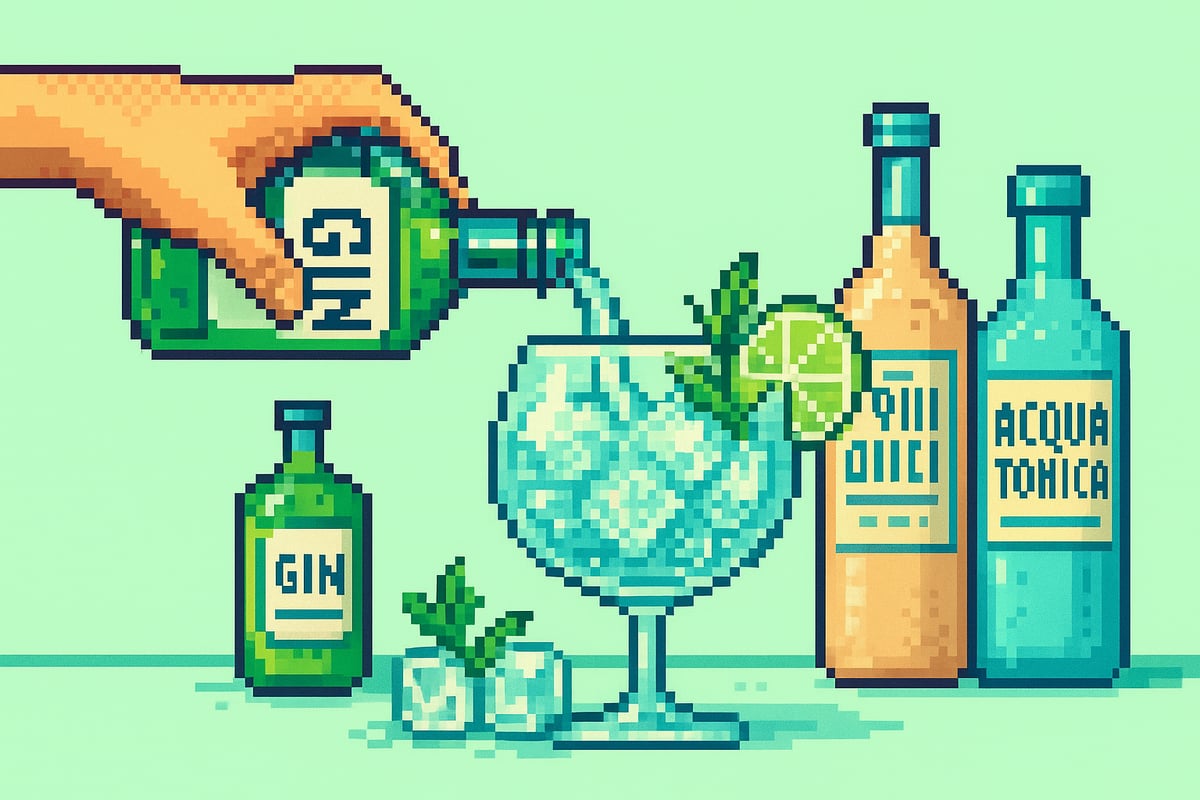
Choosing Gin: Types and Tips
Not all gins are created equal, and the quality of the gin is at the heart of the gin and tonic cocktail. The main types are London Dry, Distilled Gin, Contemporary Gin, and artisanal gins. London Dry stands out for its dry, clean profile, ideal for those seeking a classic flavor. Contemporary and artisanal gins, on the other hand, focus on innovative botanicals and unique aromatic profiles.
When choosing gin, consider botanicals (such as juniper, citrus, and spices), alcohol content, and supply chain transparency. Artisanal Italian gins are increasingly in demand, with sales expected to grow 15% in 2025. Want to find out which are the best? Check out this selection of featured Italian artisanal gins for inspiration and quality.
Remember: a good gin should be clean, fragrant, and free of unpleasant aftertastes. Trust your nose and, if possible, taste before buying.
Tonic water: the ideal partner
Tonic water complements the gin and tonic cocktail, adding freshness and vivacity. A good tonic is recognized by its persistent bubbles, the right balance of sweetness and bitterness, and the presence of quinine, which provides the typical bitter note.
There are many types: classic, dry (less sugar), flavored (yuzu, flowers, spices), and artisanal. Premium tonics are booming in Italy, with sales increasing 20% from 2023 to 2025. Want the best? Try different gin and tonic pairings, such as London Dry with classic tonic, or citrus gins with floral tonics.
Here's a comparison table to help you choose:
| Tonic Type | Bubble | Sugar | Best Gin |
|---|---|---|---|
| Classic | High | Medium | London Dry |
| Dry | Average | Bass | Contemporary |
| Flavored | High | Medium | Herbal/Fruit Gin |
| Artisanal | Variable | Bass | Craft Gin |
Ice, garnish and details that make the difference
Ice is an often overlooked element in the gin and tonic cocktail. Use large, clear, and very cold ice cubes: this way, the drink stays chilled longer and doesn't get watered down. Avoid crushed ice or small ice cubes.
As for garnishes, lime and lemon are the timeless classics (favorite in 60% of Italian restaurants), followed by cucumber (25%) and botanicals like rosemary, pink peppercorn, or lavender (15%). Are you daring? Unusual garnishes like grapefruit peel, edible flowers, and bay leaves are also popular in 2026.
Be careful not to overdo it: a too-strong garnish can overwhelm the gin's aromas. Always choose fresh ingredients and match them to the flavor profile of your gin.
Making the Perfect Gin and Tonic: A Step-by-Step Guide
Have you ever thought about how a series of small steps can transform your gin and tonic cocktail from a simple drink to a true connoisseur's experience? Discover every step with me, from choosing the glass to the final touch of the garnish, to achieve a truly impeccable result.
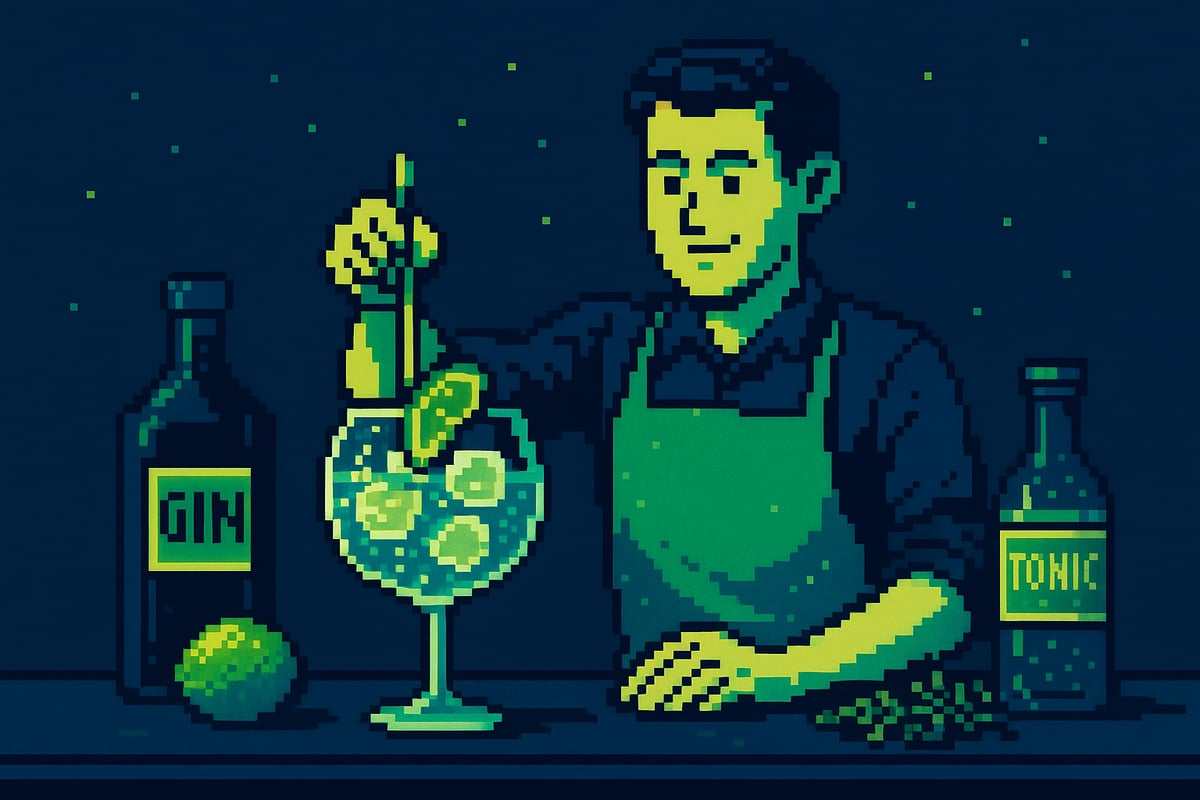
Step 1: Preparing the glass and ice
The foundation of a perfect gin and tonic cocktail is the right glass. A balloon glass lets the aromas shine, while a tall tumbler remains a classic choice. First, chill the glass by filling it with ice and stirring for a few seconds. Then, discard the excess water.
The ice should be clear and in large cubes, not crushed: this way, the gin and tonic cocktail stays cold longer without becoming watered down. Use ice fresh from the freezer, never melted. Remember, the temperature is essential for preserving aromas and bubbles.
Step 2: Measuring and pouring the gin
For a balanced gin and tonic cocktail, the classic ratio is 1 part gin to 3 parts tonic. Measure 5 cl of gin with a jigger or measuring cup, gently pouring over ice cubes. If you want a more pronounced flavor, you can slightly increase the amount, but don't overdo it.
Avoid shaking the bottle or pouring the gin too vigorously, as this will disperse the aromas. Want to try the original recipe? Check out this Original Gin and Tonic Recipe for details and classic variations.
Step 3: Adding tonic and mixing
Now comes the tonic, the essential ingredient in the gin and tonic cocktail. Pour the tonic slowly, swishing it over a spoon or the rim of the glass. This minimizes the loss of bubbles and maintains freshness.
The order is important: first the ice, then the gin, and finally the tonic. Stir the gin and tonic gently using a stirrer or a long spoon, using slow, upward movements. This allows the flavors and carbonation to meld without losing intensity.
Step 4: Garnish and final presentation
The final step is the garnish: this is where you can really unleash your creativity in the gin and tonic cocktail. Lime and lemon are the classics, but why not try cucumber, rosemary, or pink pepper? Cut a thin slice or spiral and place it on the rim or between the ice cubes.
Avoid overdoing the garnishes: too many elements risk overshadowing the flavor profile of your gin and tonic. Remember, presentation makes all the difference, even in the eyes of your guests. Always choose fresh garnishes and match colors for a wow factor.
Mistakes to Avoid and Expert Advice
Have you ever made a gin and tonic cocktail thinking it was easy, only to be disappointed by the result? Don't worry, it happens to everyone. One of the most common mistakes is underestimating the quality of the ice: small or semi-melted cubes immediately water down the drink. Also be careful with unbalanced dosages: too much gin overwhelms the tonic, too little makes the gin and tonic tasteless. Another misstep? Using flat or overly sweet tonic water ruins the mix's freshness.

Expert tips for a flawless gin and tonic cocktail
In 2026, Italian bartenders are focusing on fresh ingredients and modern techniques. Never overlook the temperature: both gin and tonic must be very cold, not just the ice. To mix, pour the tonic slowly over a spoon to preserve the bubbles. Choose garnishes that enhance the botanicals of the gin, without overdoing it: too much lime or spices will overwhelm the bouquet. Want to discover new ideas and variations? Check out this guide to gin-based cocktails for a deeper dive into current techniques and trends.
Personalization and how to avoid the most common mistakes
More and more customers are asking for a custom gin and tonic cocktail in bars, focusing on original botanicals or artisanal tonics. But be careful: experimentation is fine, but overdoing it is better. If you want to try a variation, start by changing only one element at a time, so as not to lose the essence of the gin and tonic. Remember: attention to detail makes all the difference. A poorly chosen garnish or an unsuitable glass can ruin the experience. Be curious, but stay true to the simplicity and balance that make the gin and tonic unique.
Gin Tonic Variants and Trend 2026
Have you ever wondered how the gin and tonic cocktail reinvents itself every year? In 2026, the answer lies in creativity, new botanicals, and international influences. Let's discover together which variations are conquering the menus of the best bars and which trends will dominate the scene in the coming months.
Flavored and signature Gin and Tonics
In recent years, the gin and tonic cocktail has undergone a true revolution thanks to the introduction of infused gins and flavored tonics. Today, you can find variations ranging from red fruit gins, perfect for those who love a sweet and vibrant touch, to citrus gins, ideal for those seeking freshness and intense aromas.
Tonic drinks, increasingly popular, are enriched with flavors like yuzu, hibiscus, or pink peppercorn, offering endless customization options. In trendy bars, the gin and tonic cocktail becomes a blank canvas for bartenders and customers to experiment with unusual garnishes: flower petals, bitter orange peel, rosemary, or even exotic spices.
Here are some of the most requested signatures in 2026:
- Berry Gin and Tonic with raspberry tonic and fresh blueberries
- Kaffir lime gin and tonic with dry tonic and basil leaves
- Pink pepper and pink grapefruit gin and tonic with flavored tonic
According to the latest statistics, flavored gin and tonic variations grew by 25% on Italian cocktail bar menus from 2024 to 2026. This trend shows how experimentation is now a key feature for those who want to impress with gin and tonic cocktails.
International and Italian trends
Looking beyond Italy, the gin and tonic cocktail is enriched with global influences and continues to evolve. Microdistilleries, both Italian and foreign, are launching gins with increasingly rare botanicals, such as shiso leaves, Sichuan pepper, or elderflower. This allows for the creation of a gin and tonic cocktail with a unique and unrepeatable character.
Even the way it's served is changing: alternative glassware, dramatic garnishes, and presentations that resemble works of art. Low-alcohol and alcohol-free gin are booming, with demand expected to increase 18% in Italy in 2025 alone. These versions allow you to enjoy a light gin and tonic cocktail without sacrificing taste and style.
The gin and tonic cocktail is increasingly found in restaurants and pizzerias, confirming its versatility and central role in the contemporary aperitivo. If you'd like to delve deeper into emerging trends in gin consumption , you'll find interesting insights into how gin and tonic is revolutionizing mixology.
New botanicals, exotic influences, and a growing focus on the needs of those seeking non-alcoholic alternatives: the gin and tonic cocktail is ready to surprise again, adapting to every style and occasion.
Food Pairings with Gin and Tonic
Have you ever thought about how food can enhance a gin and tonic cocktail? The right pairing can transform your aperitif into an unforgettable experience. Let's discover together how to choose the best pairings for every occasion.
Classic aperitifs and traditional pairings
For those who love tradition, the gin and tonic cocktail pairs perfectly with tapas, olives, cured meats, and fresh cheeses. These foods enhance the gin's freshness and botanical notes. In particular, crunchy finger foods and cheese-filled bread bites create the perfect contrast with the bubbly tonic.
Here are some classic pairings:
- Aromatic salami and gin
- Fresh goat cheeses with citrus gin
- Green olives and dry tonic
This way, every sip of gin and tonic cocktail becomes even more enjoyable.
Innovative, vegetarian and vegan combinations
Looking for something different? Try a gin and tonic cocktail with sushi, ceviche, or fusion dishes. The citrus notes of the gin enhance raw fish and the delicate flavors of vegetables. Even vegetarian dishes like hummus, falafel, and spicy salads are a great accompaniment to a good gin and tonic.
Experiment with:
- Sushi maki and floral gin
- Vegetable ceviche and flavored tonic
- Fresh salads with herb garnish
This way you can offer a perfect gin and tonic cocktail to vegan friends too.
Tasting menus, facts, and tips for the perfect aperitif
More and more venues are offering tasting menus that combine gin and tonic cocktails with gourmet dishes. According to recent data, gin and tonic food pairing events grew by 30% between 2024 and 2026, reflecting the growth of gin consumption in Italy .
To host an aperitivo at home, focus on variety and creativity. Prepare a selection of small appetizers to pair with different versions of gin and tonic cocktails and surprise your guests with original garnishes.
| Food | Recommended type of gin | Type of tonic |
|---|---|---|
| Cured meats | London Dry | Classic |
| Sushi | Citrus Gin | Dry tonic |
| Hummus | Spiced Gin | Flavored tonic |
Choose your favorite pairing and let your imagination run wild: the gin and tonic cocktail is the perfect complement to any gathering.
Gin and Tonic FAQs: Frequently Asked Questions and Expert Answers
Still have questions about gin and tonic? Here you'll find answers to the most common questions, perfect whether you're a beginner or looking to hone your technique.
What is the ideal ratio of gin to tonic?
The classic ratio for a balanced gin and tonic cocktail is 1 part gin to 3 parts tonic water. However, some prefer a more assertive flavor, going as high as 1:2. Experiment with different ratios to find your perfect balance, and don't be afraid to experiment.
What are the best Italian gins of 2026?
In 2026, Italian artisanal gins, such as those produced by local microdistilleries with native botanicals, will stand out. The growth of the global gin market has favored quality and variety, as confirmed by recent data .
How to choose the right tonic for each gin?
Pair neutral tonic water with classic gins, while for more aromatic gins, you can try spicy or citrus tonics. Remember that tonic enhances a gin and tonic cocktail, so always choose high-quality, well-carbonated products.
Should you drink Gin and Tonic with or without ice?
Always use ice, preferably large, clear cubes. Ice maintains the temperature and dilutes slowly, so the gin and tonic stays fresh and enjoyable until the last sip.
What garnishes are recommended for a classic Gin and Tonic and its variations?
For the classic, lime or lemon are ideal. If you want to surprise, try cucumber, rosemary, or pink pepper. Garnishes add character to the gin and tonic cocktail and can enhance the botanicals of your chosen gin.
Can you make a non-alcoholic Gin and Tonic?
Yes, there are excellent non-alcoholic gins available today. Simply replace the traditional gin with the non-alcoholic version, add tonic water, and garnish. The result is a fresh and surprising gin and tonic cocktail, perfect even for those who don't drink alcohol.
What are the most common mistakes in preparation?
Using low-quality ice or flat tonic, incorrectly measuring ingredients, or overdoing the garnish are common mistakes. Follow the basic steps and get inspired by mixology innovations to avoid mistakes and always achieve the perfect gin and tonic.
Advice for those who want to learn more: books, courses, and online resources?
To learn more about gin and tonic cocktails and mixology, you can read books like "Gin: History, Botanicals, and Mixology," take bartending courses, or follow dedicated blogs and YouTube channels. Here are some helpful resources:
| Resource | Type | Recommended for |
|---|---|---|
| “Gin: History, Botany and Mixology” | Book | Deepen theory and history |
| Online Mixology Courses | Course | Practical techniques |
| Blog GinTonicItalia.it | Blog | Trends and recipes 2026 |
Have any other questions? Leave them in the comments and continue exploring the world of gin and tonic cocktails!
Have you seen how many details really make the difference in making the perfect Gin and Tonic? From advice on the right botanicals to how to choose the best tonic, every step counts to transform a simple drink into an experience. Now that you have all the tips to impress yourself and your friends, why not try a craft gin that truly reflects the terroir and Italian passion? If you want to discover what can add a unique touch to your next Gin and Tonic, take a look here:
Discover our Gins