

Discover how botanicals shape up to 60% of gin flavors. Learn which Mediterranean herbs make Italian gins unique and choose wisely.
Botanicals in gin define flavor diversity 2026
Mar 5, 2026

Many believe that juniper alone defines the taste of gin. In fact, up to 60% of the flavors come from other botanicals that give the spirit its unique identity. In this article, you will learn which botanical ingredients are typical, how they shape the taste, and what regional peculiarities distinguish Italian artisanal gins. This will help you choose consciously and enjoy every gin with a deeper understanding.
Table of Contents
- Introduction to Gin Botanicals
- The Mechanisms: How Botanicals Shape Flavor
- Regional Characteristics: Botanicals in Italian Artisanal Gins
- Myths and Misconceptions about Gin Botanicals
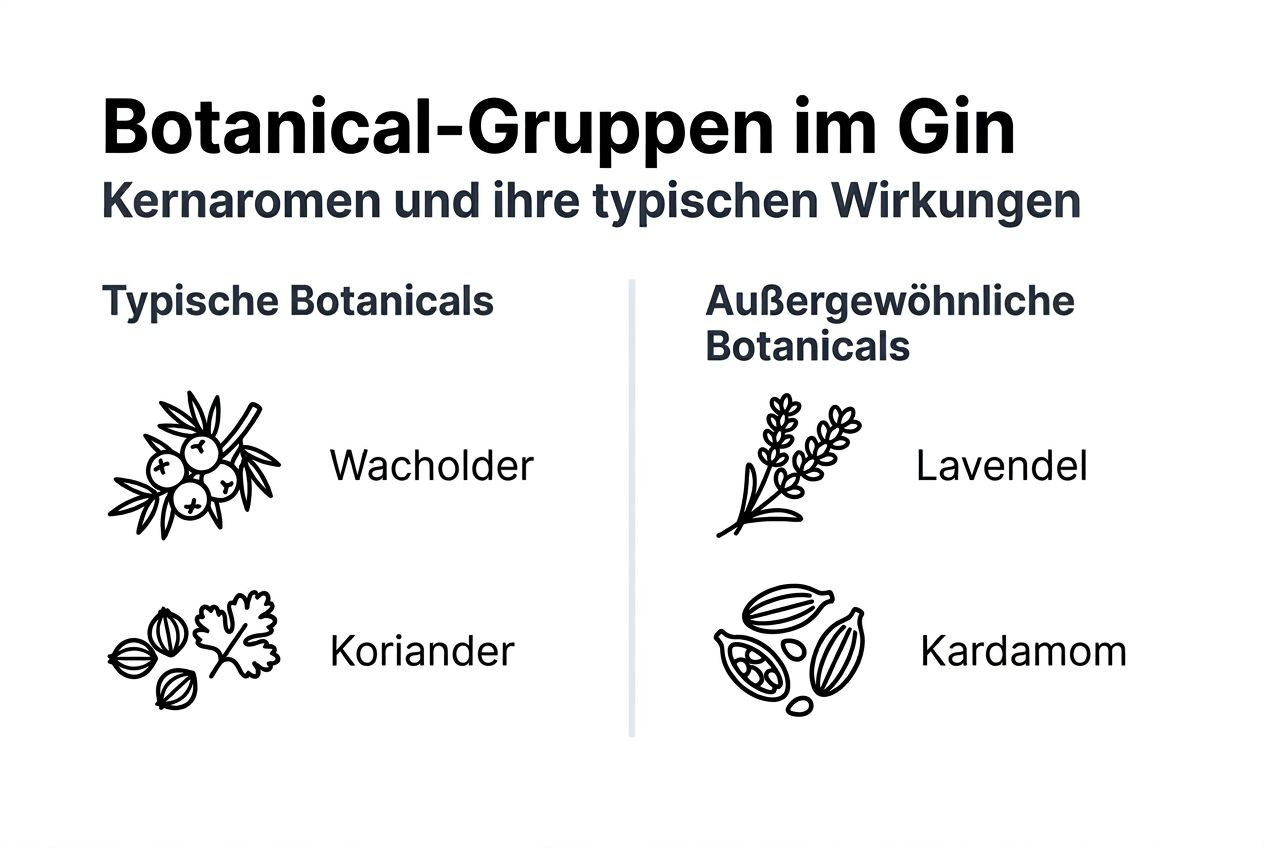
- Typical and Unusual Botanicals and Their Effect
- Practical Tips: How to Choose Gin with the Right Botanicals
- Discover Artisanal Gins with Unique Botanicals Now
- Frequently Asked Questions
Key Takeaways
| Point | Details |
|---|---|
| Botanicals create unique flavor profiles | Juniper forms the base, but 40 to 60% of the aromas come from other botanical ingredients |
| Italian Gins use Mediterranean herbs | Rosemary, lavender, and tarragon impart regional identity and characteristic notes |
| More botanicals do not mean better quality | Harmonious interaction of 6 to 12 selected ingredients often outperforms overcrowded recipes |
| Distillation releases essential oils | The process extracts aromas from berries, roots, and peels for complex flavor profiles |
| Conscious selection enhances enjoyment | Knowledge of botanicals enables informed decisions for personal preferences |
Introduction to Gin Botanicals
Botanicals are plant-based ingredients that release their aromas into the alcohol during distillation. They include berries, roots, peels, herbs, and spices. The base botanical in almost all gins is juniper berry, which defines the main note with its characteristic resinous aroma. Over 90% of all gins worldwide contain juniper as an indispensable ingredient.
In addition to juniper, other typical groups are used:
- Citrus fruits like lemon and orange peels for fresh, vibrant notes
- Herbs like rosemary, lavender, or tarragon for spicy and floral accents
- Spices like coriander, cardamom, or cinnamon for warming, sweet nuances
- Roots like angelica or iris for earthy, complex depths
The variety of these ingredients allows for countless aroma combinations. Each distiller selects botanicals according to their own recipe, giving each gin an individual signature. The plant parts used range from berries to flowers to dried peels.
Those who want to understand botanicals in gin should be familiar with the main groups. They form the basis for conscious selection and nuanced enjoyment. Further basics on botanicals in gin can be found in specialized guides.
The Mechanisms: How Botanicals Shape Flavor
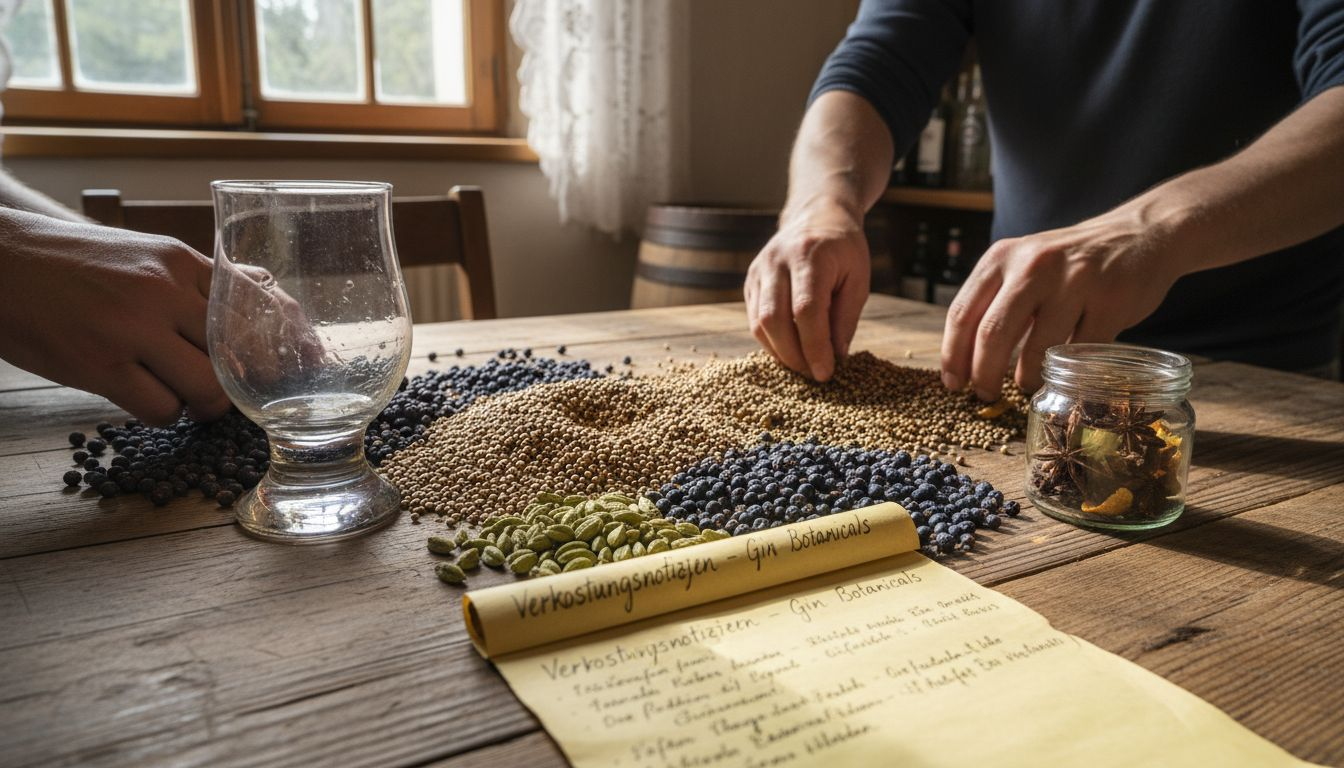
Distillation is the key process where essential oils are extracted from the botanicals. During heating, these volatile compounds dissolve from the plant ingredients and combine with the alcohol vapor. Essential oils from botanicals are released during the distillation process and shape the diverse flavor notes of gin. After condensation, the aromas remain in the finished spirit.
Various botanicals provide characteristic notes:
- Spicy botanicals like coriander and cardamom bring warmth and sweetness
- Floral ingredients like lavender or rose petals create elegant, perfumed accents
- Fresh citrus peels provide vibrant acidity and brightness
- Earthy roots lend depth and structure
The combination of these elements creates complex aroma profiles that go far beyond juniper. A balanced gin harmonizes base, heart, and top notes into a rounded overall experience. Distillation and aroma release require experience and precision.
Pro Tip: The order of addition and the duration of maceration significantly influence the final aroma. Delicate botanicals like flowers are often added later, while robust roots are steeped earlier. Detailed insights are offered in the Gin Botanicals Guide.
Regional Characteristics: Botanicals in Italian Artisanal Gins
Italy incorporates its Mediterranean flora into gin production. Over 40% of Italian gins contain Mediterranean herbs such as rosemary and lavender, which create typical aromas and cultural references. These ingredients give the spirits a distinctive regional identity.
Typical Mediterranean botanicals in Italian gins:
- Rosemary brings resinous, camphor-like notes with slight sweetness
- Lavender creates floral, calming accents
- Tarragon provides anise-like, spicy nuances
- Citrus fruits like Amalfi lemons or Calabrian bergamot
Terroir plays a crucial role. Herbs from the sun-drenched hills of Tuscany or Liguria develop more intense essential oils than plants from cooler regions. This geographical peculiarity sustainably shapes the character of Italian artisanal gins.
"Mediterranean botanicals connect gin with the landscape and culture of Italy. Every sip tells the story of its origin."
Successful examples show how Italian gin botanicals create regional identity. Distillers use local ingredients to guarantee uniqueness and authenticity. Learn more about Mediterranean gin botanicals in specialist publications.
Myths and Misconceptions about Gin Botanicals
Many assumptions about botanicals persist but do not reflect reality. We dispel the most common misconceptions.
-
Myth: Juniper is the sole flavor giver. False. While juniper forms the base, other botanicals account for 40 to 60% of the aroma profile. Without citrus, spices, or herbs, gin would be one-dimensional.
-
Myth: More botanicals mean better taste. Not necessarily. Quality and harmonious interaction of botanicals are more important than quantity; gins with 6 to 12 selected botanicals are rated higher than those with over 20 ingredients. Overcrowded recipes confuse the palate.
-
Myth: Botanicals are just marketing gimmicks without real influence. This assertion ignores the science of distillation. Essential oils from botanicals are measurable and taste-detectable. Blind tastings show clear differences.
-
Myth: All gins taste the same if juniper dominates. The variation in juniper varieties, ripeness levels, and combinations with other ingredients creates enormous diversity. Two gins with identical juniper quantities can taste completely different.
Pro Tip: Focus on harmonious composition rather than mere ingredient lists. A balanced gin with a few well-chosen botanicals often surpasses complex mixtures. More on this at Quality over Quantity in Botanicals. Studies on balance can be found in Botanical Balance Studies.
Typical and Unusual Botanicals and Their Effect
Botanicals can be divided into three categories: classic ingredients, regional specialties, and unusual rarities.
Classic botanicals form the basis of most gins:
- Juniper berries: resinous, slightly sweet base note
- Coriander seeds: spicy, citrusy warmth
- Citrus peels (lemon, orange): fresh acidity and brightness
- Angelica root: earthy depth and structure
Regional botanicals from Italy create identity:
- Rosemary: resinous, camphor-like notes
- Lavender: floral, calming accents
- Tarragon: anise-like, spicy nuances
- Bergamot: elegant citrus freshness with floral undertones
Unusual and rare botanicals create uniqueness. Cardamom and coriander bring spicy and sweet nuances, citrus fruits provide freshness and acidity; less commonly used botanicals such as gentian root and heather create unique flavor profiles. Gentian root provides intense bitterness, heather floral elegance.
| Botanical Group | Flavor Type | Main Function in Gin |
|---|---|---|
| Juniper | Resinous, slightly sweet | Base note, structure |
| Citrus fruits | Fresh, acidic | Top note, brightness |
| Spices | Spicy, warm | Heart note, complexity |
| Herbs | Aromatic, green | Heart note, regional identity |
| Roots | Earthy, bitter | Base note, depth |
| Flowers | Floral, perfumed | Top note, elegance |
The diversity of botanicals is best discovered through targeted tastings. A comprehensive Gin Botanical Guide offers detailed descriptions.
Practical Tips: How to Choose Gin with the Right Botanicals
Knowledge of botanicals allows for informed purchasing decisions. First, analyze the aroma profile of a gin based on the listed ingredients. Gins with a citrus focus are suitable for sparkling cocktails, while herb-heavy variants are best for complex martinis.
Consider personal preferences:
- Do you like fresh, vibrant notes? Choose gins with citrus fruits and light herbs.
- Do you prefer spicy, warming aromas? Look for cardamom, cinnamon, or coriander.
- Do you appreciate floral elegance? Look for lavender, rose petals, or iris.
- Do you want earthy depth? Opt for gins with angelica or gentian root.
Regional specialties offer cultural added value. Italian gins with Mediterranean herbs tell stories of their origin. The storytelling around botanicals deepens appreciation.
Pro Tip: Look for balance, not the sheer number of botanicals. A harmonious gin with eight well-matched ingredients often surpasses one with 25 uncoordinated components. Try different styles to refine your preferences.
When tasting, first focus on the nose, then on the taste. Identify top notes (initial impressions), heart notes (middle aromas), and base notes (lingering depth). This will help you develop a feel for botanical compositions. Choosing gin more consciously comes with practice and attention.
Discover Artisanal Gins with Unique Botanicals Now
You have learned how botanicals shape gin and what regional peculiarities distinguish Italian spirits. Mezzanotte offers a curated selection of Italian artisanal gins that combine Mediterranean herbs and regional identity. Each gin tells its own story through carefully selected botanical ingredients.

Ideal for connoisseurs who appreciate aromatic diversity and cultural connection. The collection includes gins with characteristic botanicals such as rosemary, lavender, and bergamot. Further guides on production and conscious enjoyment can be found directly on the website. Immerse yourself in the world of artisanal Italian spirits and experience how regional botanicals create unique taste experiences. Discover your next favorite now.
Frequently Asked Questions
Which botanicals are most common in gin?
Juniper berries are the base of every gin and are included in over 90% of all recipes. Coriander seeds follow as the second most common ingredient, bringing spicy, citrusy notes. Citrus peels from lemons and oranges provide freshness and brightness. Angelica root provides earthy depth and structural complexity. Regional differences shape the exact composition, with Mediterranean gins more frequently using rosemary and lavender.
How do botanicals influence the character of a gin?
Botanicals determine the scent, taste, and mouthfeel of a gin through their essential oils. They create the balance between the resinous base note of juniper and complementary aromas such as spices, herbs, or citrus fruits. The combination of different botanicals creates complex aroma profiles from fresh and floral to spicy and earthy. Each ingredient contributes specific notes that together form the identity of the gin. The art lies in the harmonious interplay of all components.
Which regional botanicals are typical for Italian gin?
Mediterranean herbs like rosemary, lavender, and tarragon are particularly characteristic of Italian gins. These ingredients give the spirits their unique aroma and regional identity. Rosemary brings resinous, camphor-like notes, lavender floral elegance, tarragon anise-like spice. Citrus fruits from Southern Italy such as Amalfi lemons or Calabrian bergamot complement the profile. Over 40% of Italian gins use these regional botanicals to create cultural reference and terroir expression.
Do more botanicals automatically mean better quality?
No, quality comes from harmonious interplay, not quantity. Gins with 6 to 12 carefully selected botanicals are often rated higher than those with over 20 ingredients. Overcrowded recipes can confuse the palate and obscure individual notes. The balance between base, heart, and top notes is crucial for a rounded overall experience. Pay attention to the composition and interplay of aromas, not just the sheer number of ingredients.
Recommendation
- 7 Botanical Gins to Try in 2026 for a Unique Taste – Mezzanotte | Distilleria & Spirits
- Rôle des botaniques dans le gin : 60 polyphénols restent actifs – Mezzanotte | Distilleria & Spirits
- The Complete Guide to Botanica Gin: Learn All About Botanica Gin 2026 – Mezzanotte | Distilleria & Spirits
- Gin-Trends 2026: 72% bevorzugen nachhaltige Premium-Produkte – Mezzanotte | Distilleria & Spirits