

Want to discover all the secrets of gin botany? With this guide, you'll learn about origins, botanicals, tasting notes, and 2026 trends to help you choose the perfect gin.
The Complete Guide to Botanica Gin: Learn All About Botanica Gin 2026
Jan 2, 2026

Have you noticed the boom in botanical gin in Italy and around the world in 2026? More and more people are seeking new flavor experiences and customization, and botanical gin has become the heart of this revolution.
This guide is your definitive resource for discovering everything about gin's origins, botanicals, production techniques, pairings, and future trends. Curious to know what makes gin botanicals truly special? Read on and become a true expert yourself!
What is Botanical Gin: Definition and Origins
The world of botanical gin has deep and fascinating roots. If you've ever wondered why botanical gin is so sought-after in Italy today, you'll find all the answers here. Its history, characteristics, and differences from traditional gin are key to understanding how botanical gin has become a modern, high-quality phenomenon.
The History of Botanical Gin: From Its Origins to 2026
The botanical journey of gin begins in 17th-century Holland, where genever, considered the precursor of modern gin, was born. The English, fascinated by the spirit, refined its production, bringing gin to tables throughout Europe. Gin's botanicals quickly became central: the first historic recipes used juniper, coriander, and angelica, as well as local roots, spices, and flowers.
Over the centuries, traditional gin has evolved, distinguishing itself from botanical gin in the quantity and variety of botanicals used. While classic gin focused on a few ingredients, botanical gin emphasized experimentation, introducing new plants and flavors. The real turning point came in the last decade: the boom in artisanal gins has led to exponential market growth in Italy, with data indicating a 25% increase in consumption between 2024 and 2026 compared to previous years.
Artisan distilleries have played a decisive role in this renaissance, rediscovering native botanicals and innovative production techniques. If you think all gin is the same, think again: today we can find botanical gins with notes of myrtle, Sicilian citrus, lavender, pink pepper, and even Alpine herbs. This blend of tradition and innovation has made botanical gin a true Italian excellence.
Distinctive features of botanical gin
But what really distinguishes botanical gin from other gins? Legally, botanical gin must contain a predominance of juniper, but it is characterized by the richness and variety of botanicals added. Each distillery creates a unique flavor profile, combining ingredients such as orange peel, roots, spices, and flowers.
Compared to London Dry or Distilled Gin, botanical gin is recognized for its complex aromas and customizable flavors. If you'd like to delve deeper into the difference between traditional and botanical gin , this guide offers a detailed comparison of the techniques, botanicals used, and the results on the palate.
Mixologists and enthusiasts favor Botanica gin for its versatility: you can enjoy it neat, in refined cocktails, or pair it with gourmet dishes. The Italian market is home to innovative labels, such as those based on Mediterranean citrus fruits, rare spices, and local botanicals that tell the story of the region. In short, Botanica gin represents the new frontier of flavor, research, and creativity in the world of spirits.
Gin Botanicals: Fundamental and Innovative Ingredients
Gin botanicals are the beating heart of every quality spirit. If you've ever wondered what makes a gin unique, the answer is simple: the selection of botanicals. Each ingredient, from the earthiest root to the most delicate flower, contributes to creating an unmistakable aromatic profile that captivates the senses. In this section, you'll discover both traditional and innovative botanicals that are revolutionizing the gin landscape in 2026.
The three essential botanicals: juniper, coriander, angelica
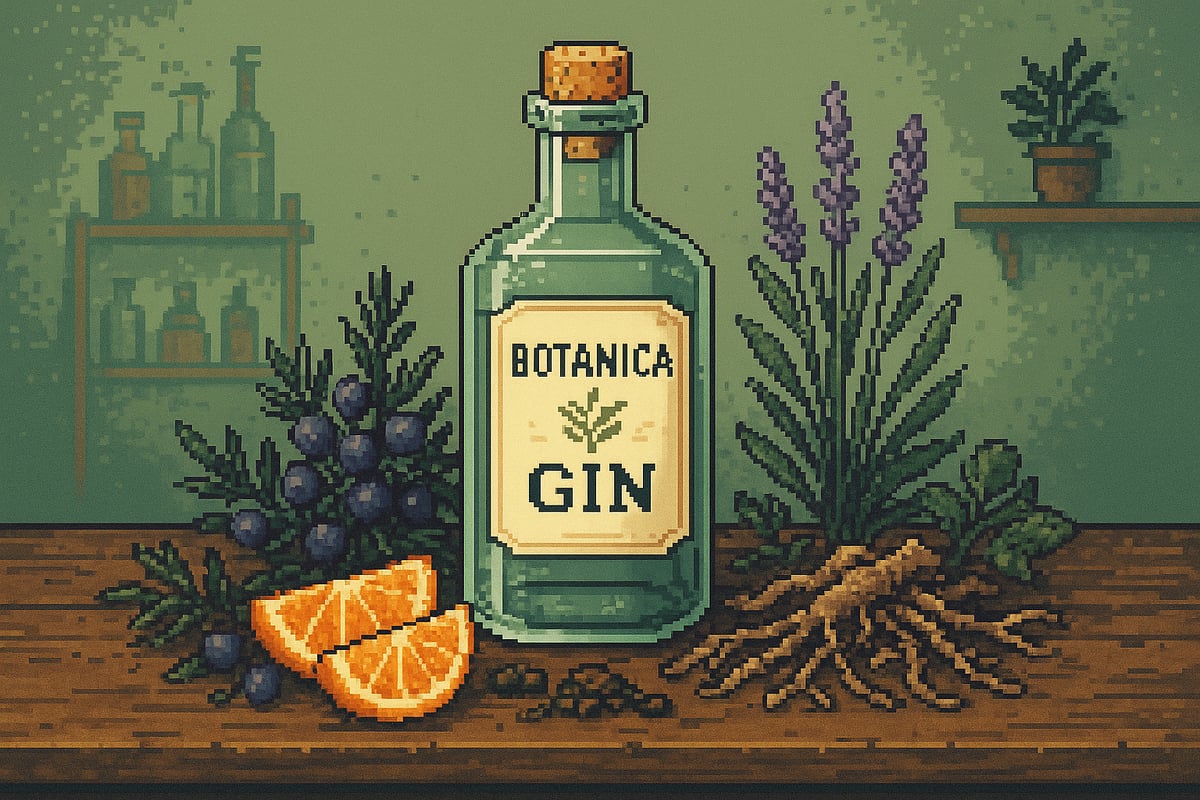
When it comes to gin botanicals, there are three essential ingredients: juniper, coriander, and angelica root. These botanicals form the aromatic foundation upon which any noteworthy gin recipe is built.
- Juniper : Berries are the heart of gin's botanicals. They offer resinous, fresh, and balsamic notes. Most of the juniper used in Italian gins comes from Alpine and Apennine regions, where the climate enhances the aromatic notes.
- Coriander : The seeds add freshness and a hint of citrus. This botanical gin wouldn't be the same without its spicy, slightly floral scent that balances the juniper. The best coriander comes from the Mediterranean.
- Angelica : The root acts as a binder, rounding out the aromatic bouquet of the gin botanical and adding depth with its earthy notes.
Did you know that these three botanicals appear in over 90% of Italian artisanal recipes? Many famous gins, such as Mezzanotte Dry Gin and Sabatini Gin, rely on this trio to ensure balance and complexity. If you'd like to learn more about these botanicals, you can read this guide to essential botanicals in gin .
Here is a table to compare the three main botanicals:
| Botany | Origin | Aromatic notes | Function in gin |
|---|---|---|---|
| Juniper | Alps/Apennines | Resinous, balsamic | Base, distinctive character |
| Coriander | Mediterranean | Citrus, spicy | Freshness, balance |
| Angelica | Central Europe | Earthy, woody | Binder, depth |
Gin's botanicals always start here. But the journey doesn't end here: the real charm comes with the secondary botanicals.
Secondary and innovative botanicals: flowers, fruits, spices and herbs
In recent years, gin botanicals have undergone a creative revolution. It's no longer just about tradition, but about experimentation! Italian distilleries are introducing innovative botanicals such as hibiscus, rose, saffron, red fruits, pink pepper, citrus, mint, and lavender.
What are the gin botanical trends for 2026? The search for local and sustainable ingredients is definitely on the cards. Sardinian myrtle, Ligurian basil, Sicilian orange, lemon, and pink grapefruit peels are becoming prominent. These botanicals not only enrich the flavor profile, but often give gin striking colors, from pale pink to bright green.
Here are some innovative combinations that are conquering palates:
- Gin with marine botanicals (spirulina algae, salicornia)
- Smoked blends with burnt citrus peel
- Balsamic gin with pine needles and rosemary
According to the latest data, the percentage of Italian gins using native botanicals grew by 35% between 2024 and 2026. This growth demonstrates how gin botanicals are now synonymous with territorial identity and the pursuit of uniqueness.
Ultimately, gin botanicals are a constantly evolving world. Whether you prefer the classic juniper or the boldness of a basil and pink peppercorn gin, each bottle tells a story of terroir, passion, and innovation.
Botanical Gin Production Process: Techniques and Innovation
Have you ever thought about the fascinating journey that transforms simple botanicals into a unique and personalized gin? The botanical gin production process is a true art, made of precise choices, continuous innovation, and attention to detail. Let's discover together how a quality botanical gin is created, combining tradition and technology, and why every step truly makes a difference in the glass.
Production phases: from the selection of botanicals to distillation
It all starts with the botanical selection. In Italy, quality-conscious distilleries choose fresh, traceable ingredients, often favoring local suppliers to maintain a close connection with the region. Gin botanicals are based on the search for raw materials that offer maximum aromatic potential. Juniper berries, coriander, angelica, and a multitude of herbs and spices are carefully selected, often after olfactory and sensory testing.
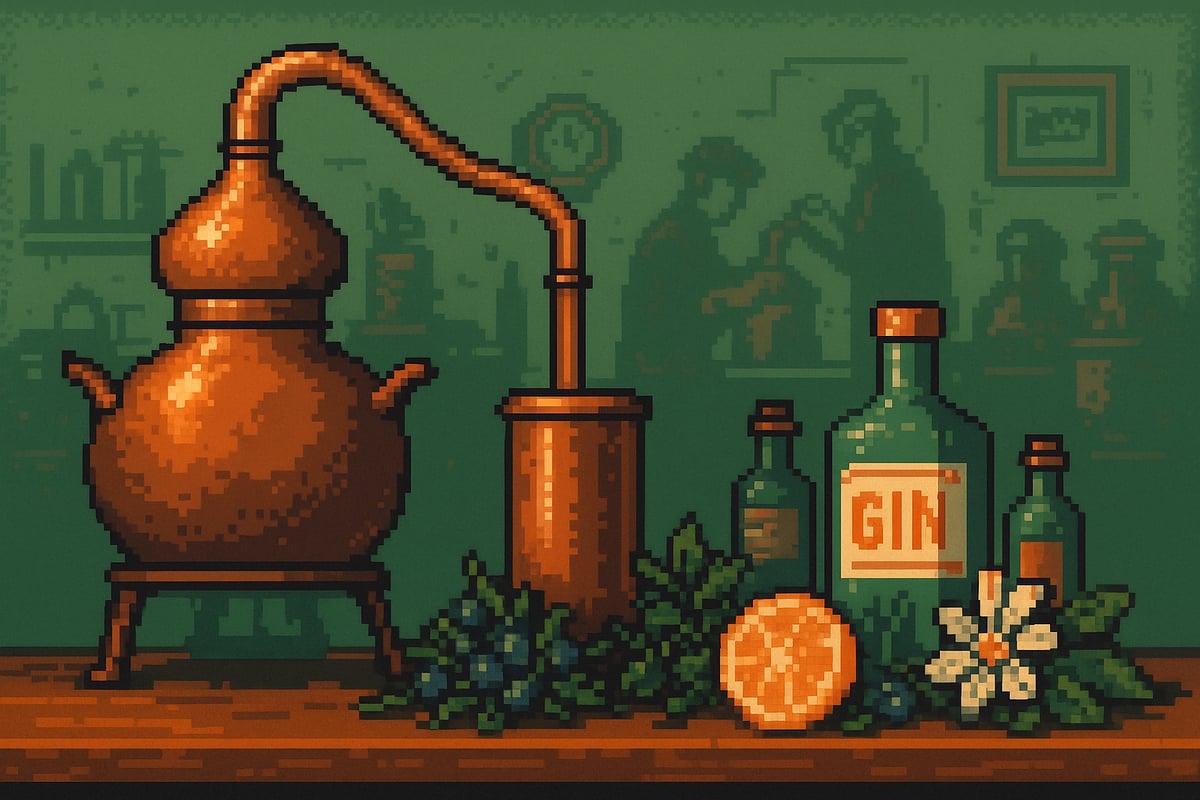
The maceration phase is crucial: the botanicals are immersed in neutral alcohol for a variable amount of time, from a few hours to several days, depending on the desired recipe. Temperatures and timing are carefully chosen to extract the best from each ingredient, without overpowering the most delicate notes. Here, the gin botanicals express themselves in all their complexity, imparting aromas and flavors that will be the signature of the finished product.
Distillation follows, the heart of the process. Techniques vary: the pot still enhances aromatic profiles, while continuous methods or technologies like the Rotavapor allow experimentation with new textures and nuances. The water and alcohol used are carefully chosen, as they influence the gin's smoothness and persistence. According to 2025 data, approximately 60% of Italian distilleries adopt at least one innovative technique in the production of gin botanicals, demonstrating the increasingly important role of research.
Filtration and blending with pure water conclude the production cycle. Here, the aromas are balanced and the alcohol content is determined, ensuring a harmonious result. Each step influences the final profile of the gin botanicals, making each bottle unique and recognizable.
Technological innovations and sustainability
In recent years, gin botany has become synonymous with experimentation. New-generation Italian distilleries are adopting tools like the Buchi Rotavapor, which allows for low-temperature distillation and the preservation of the most delicate aromas. Precision stills, digital sensors, and dedicated software allow for exact replication of recipes and monitoring of every stage, from maceration to the removal of heads and tails.
Sustainability plays an increasingly important role. Many distilleries are investing in renewable energy, reducing water use, and choosing recyclable packaging. Botanical gin is thus enriched with ethical values: selecting organic botanicals, short supply chains, and attention to biodiversity are now standard practice for the most discerning producers. A concrete example is the growing demand for sustainable botanical gin, which, according to 2024-2026 trends, is influencing both production choices and Italian consumer preferences.
In the innovation landscape, we also find distilleries collaborating with agronomists and botanists to cultivate rare or native plants, experimenting with novel blends and cutting-edge extraction processes. Want to delve deeper into the latest trends? Discover a detailed analysis of Innovations in Gin Production : you'll find examples of emerging technologies and new ideas that are changing the face of Italian gin botany.
In conclusion, the production process of Botanica gin in Italy is a winning combination of passion, science, and respect for the environment. Every decision, from the selection of raw materials to the distillation process, contributes to creating a product that captivates palates and tells a story of innovation and tradition.
How to Taste and Pair Botanical Gin
Discovering how to taste and pair botanicals with gin is a fascinating journey that engages all the senses. If you've ever wondered how to recognize botanicals in gin, or which dishes or cocktails truly enhance its aromatic profile, you'll find all the answers here. Get ready to transform every sip into a unique experience.
Professional tasting techniques
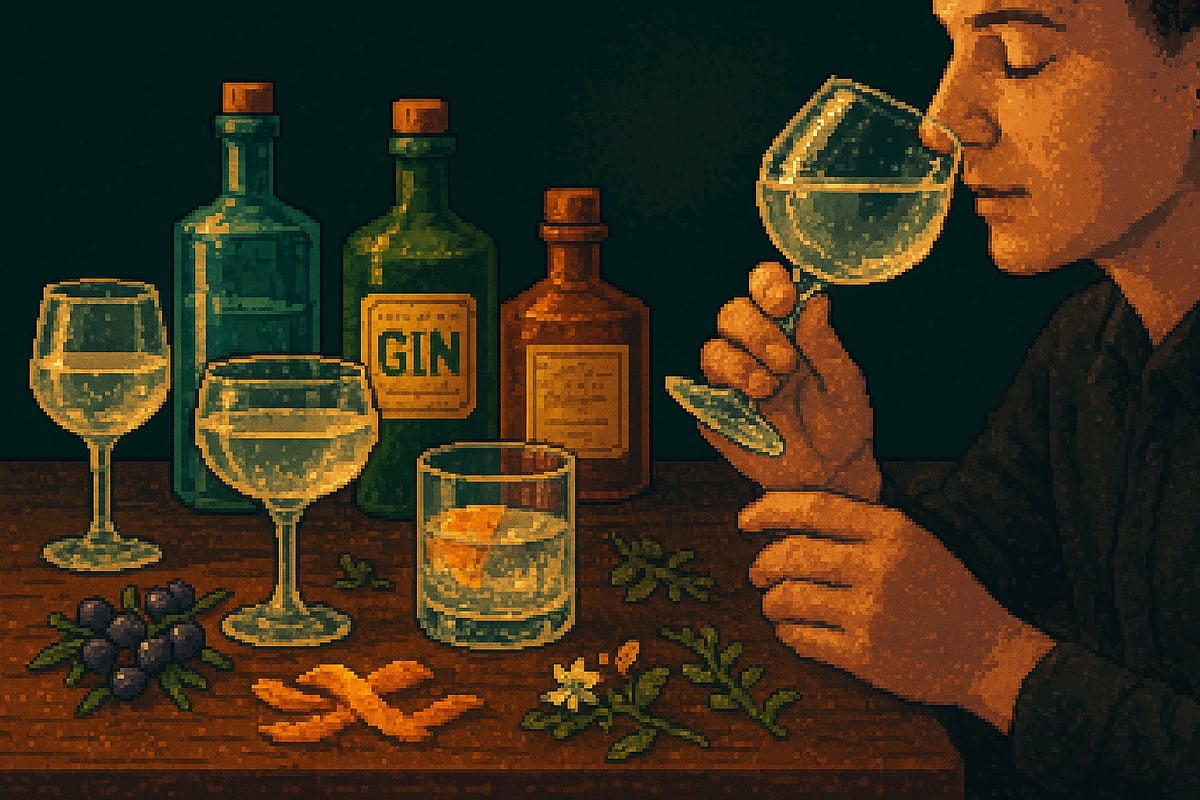
Tasting botanical gin isn't just a matter of taste, but of attention to detail. First, choose a tulip glass: the shape helps direct the aromas to the nose. Pour a small amount of botanical gin and observe the color and clarity, which often indicate the quality and purity of the botanicals used.
Raise the glass to your nose and inhale slowly. Try to recognize the main notes: juniper, citrus, flowers, spices. Each gin botanical has a unique profile, and the ability to identify them is the first step to becoming a true connoisseur.
When tasting, hold the gin in your mouth for a few seconds. Let the liquid spread, perceiving the complexity of the botanicals. Juniper is often the first impression, followed by coriander, angelica, and secondary notes. Try comparing pure botanical gin with a blended version, such as in a gin and tonic: you'll notice how the botanicals change expression depending on the context.
Here are some tips from Italian master distillers:
- Always taste at room temperature to appreciate all the nuances of the gin's botanicals.
- Smell the gin both before and after shaking it lightly.
- Don't rush, let the aromas open gradually.
In Italy, guided tastings and masterclasses are becoming increasingly popular. Participants often learn to distinguish the rarest botanicals, turning gin botanicals into a truly sensory experience.
Gourmet pairings and signature cocktails
The perfect pairing of food and botanical gin can transform a simple dinner into a gastronomic journey. The secret is to let the aromatic profile guide you: a fresh, citrusy botanical gin pairs well with raw fish and Mediterranean dishes, while a spicier one enhances aged cheeses or dark chocolate.
Here is a table of recommended pairings:
| Botanica Gin Dominant | Recommended Food Pairing | Ideal Garnish |
|---|---|---|
| Juniper | Salmon carpaccio | Juniper berries |
| Citrus fruits | Seafood salad | Lemon zest |
| Spices (cardamom) | Aged Pecorino | Pink pepper |
| Flowers (lavender, rose) | White chocolate dessert | Rose petals |
When it comes to cocktails, botanical gin offers endless possibilities. Botanical gin and tonic, enhanced with fresh garnishes like grapefruit peel or rosemary sprigs, is a timeless classic. Feeling daring? Try a reimagined Negroni with myrtle-infused botanical gin, or a signature drink with notes of basil and lemon.
If you're looking for inspiration, you can find many botanical gin cocktail recipes that showcase Italian and international botanicals.
2026 trends see a boom in pairings with regional dishes and desserts: Botanica gin pairs perfectly with fruit tarts, tuna tartare, and even citrus risotto. According to a 2025 survey, 68% of Italian consumers prefer Botanica gin paired with light, fresh dishes, while 22% enjoy experimenting with desserts and chocolate.
Don't be afraid to experiment: each gin botanical tells a different story, and only by trying new pairings will you find the one that's right for you.
Trends 2026: The Future of Botanical Gin
Have you ever wondered where botanical gin will go in the coming years? 2026 promises to be a revolutionary year for those who love discovering new aromas and flavors, amid bold experimentation and a growing focus on its Italian roots.
New botanicals and experiments
In 2026, gin botanicals will be synonymous with limitless experimentation. Distilleries are exploring rare, often indigenous botanicals to create truly unique gins. Can you imagine the intense aroma of Sardinian myrtle, the freshness of Ligurian basil, or the vibrancy of Sicilian citrus fruits in your glass? These Italian excellences are taking center stage, enhancing the biodiversity of our region.
Limited editions are the new frontier: each season brings new collaborations between distilleries, Michelin-starred chefs, mixologists, and even artists. Experimentation is taking place not only with botanicals, but also with color (blue, pink, clear gin), texture (velvety or smoky), and increasingly complex aromatic profiles. The goal? To delight both the nose and the palate, offering a multisensory experience.
International influences are also evident: exotic botanicals, innovative distillation techniques, and sustainable packaging are also conquering the Italian market. Here's a quick overview of the strongest trends:
| Trend | Description | Botany Example |
|---|---|---|
| Local & wild | Focus on local botanicals | Myrtle, lavender, rose |
| Experimental color | Blue, pink, golden gin | Blue pea flowers |
| New textures | Smoked, velvety gins | Oak wood |
| Collaborations | Chef/mixologist/artists | Saffron, citrus fruits |
Seasonal releases and micro-distilleries are constantly growing: according to the latest data, by 2026, over 30% of new Italian botanical gins will be produced by small, independent laboratories.
If you want to discover concrete examples of these innovations, you can explore the selection of artisanal gins and trends , where gin botanicals take center stage.
The role of Italian artisanal distilleries
Craft distilleries are writing a new chapter in the history of botanical gin. It's not just about producing gin, but about telling authentic stories. Each label is the result of a narrative that speaks of territory, passion, and research.
Take the case of some award-winning micro-distilleries: many have earned international recognition thanks to their expert use of native botanicals and innovative production techniques. Branding plays a crucial role: artistic labels, engaging storytelling, and a strong connection to the local area are today's winning strategies.
Events dedicated to botanical gin, such as festivals and masterclasses, are proliferating throughout Italy. Here you can meet producers, taste new releases, and discover the secrets of botanical gin directly from the experts. It's not uncommon to see collaborations between distilleries and chefs to create limited-edition gins inspired by typical regional dishes.
Italian exports are growing year after year: Italian botanical gins are now in demand worldwide, confirming the quality and creativity of our distilleries. Between 2024 and 2026, Italian botanical gins won numerous awards at the most important international competitions, strengthening the reputation of Made in Italy.
In short, the future of botanical gin lies in the hands of those who can innovate without forgetting their roots. Are you ready to be surprised by the upcoming trends?
Choosing and Storing Botanical Gin: Practical Tips
If you're passionate about botanical gin, knowing how to choose and store your favorite spirit can really make the difference between a memorable experience and a disappointment. Have you ever wondered what details to look for on the label, where to find the best bottles, or how to preserve the aromas?
Reading the Label: What You Can't Ignore
When choosing a botanical gin, the label is your guide. Read it carefully: look for the list of main botanicals, the alcohol content, and any natural flavors. Reputable distilleries always disclose the gin's botanical composition, often also indicating the ingredients' origins.
Check to see if the gin is produced in small batches, a sign of artisanal care. Transparency about botanicals and processes is now standard: the more details you find, the more trustworthy the botanical gin is.
Choosing the Perfect Botanical Gin for You
Which botanical gin is right for you? It's up to you! If you love intense aromas, look for gins with citrus or floral botanicals. Prefer something classic? Go for blends rich in juniper and coriander. Price and ABV can also influence your choice: a premium gin often offers greater aromatic complexity.
There's a botanical gin for every occasion: aperitifs, elegant dinners, or evenings with friends. Don't be afraid to experiment, perhaps taking inspiration from the most innovative labels.
Where to Buy: Wine Shop, Online, or Distillery?
Want to find the perfect botanical gin? Specialty wine shops offer curated selections, while online shops allow you to compare prices and read reviews. Visiting a distillery is a unique experience, especially if you want to learn more about botanical gin and its producers.
According to the latest statistics on the growth of the gin market in Italy , more and more Italians are purchasing botanical gin both online and in physical stores, with a clear preference for artisanal and local products.
Storage: Keep Your Botanical Gin Fresh
Have you found your perfect bottle? Now protect the gin botanicals from heat, direct light, and temperature changes. Store the gin in a cool place, away from heat sources, and tightly closed: oxidation can quickly alter the delicate aromas of the botanicals.
Avoid leaving the bottle open for too long: although alcohol is a preservative, the aromatic notes can fade over time. A tightly closed cap is key to preserving freshness.
Lifespan, Aging, and Common Mistakes
Did you know that botanical gin doesn't improve with age? Unlike whisky or rum, it should be enjoyed young to appreciate the liveliness of its botanicals. A common mistake is to think that an unopened bottle will last forever: after 12-18 months, even the finest botanical gin loses its intensity.
Here is a mini-table with typical errors and practical solutions:
| Common Error | Quick Fix |
|---|---|
| Store near heat sources | Move to a cool, dark place |
| Leave the cap open | Close immediately after use |
| Ignore the opening date | Mark the date on the label |
| Underestimating perfume | Always smell before serving |
Conclusion: Become a Gin Botany Expert
Choosing and storing botanical gin is a journey of detail, curiosity, and small daily gestures. The more you know the rules of gin botany, the better you'll be able to enhance each bottle, from the first sip to the last. Are you ready to become a true expert?
Botanical Glossary and Frequently Asked Questions
If you've ever wondered what "gin botanicals" really means, this section is the perfect compass to navigate the ingredients, curiosities, and frequently asked questions. Here you'll find a practical glossary, answers to frequently asked questions, and ideas for exploring the fascinating world of gin botanicals.
Glossary of the main botanicals
To understand the botanicals of gin, here is a table explaining the most commonly used botanicals:
| Botany | Short description | Typical origin |
|---|---|---|
| Juniper | Resinous berries, the heart of gin | Italy, Balkans |
| Coriander | Aromatic seeds, citrus and spicy notes | Mediterranean, India |
| Angelica | Earthy root, binder of aromas | Northern Europe |
| Lemon | Fresh peel, gives vivacity | Italy, Spain |
| Lavender | Floral scent, balsamic sensation | Provence, Italy |
| Pink pepper | Spicy and fruity touch | South America |
These ingredients are the basis of gin's botanicals and vary greatly from distillery to distillery. The choice of botanicals profoundly influences the gin's character and complexity.
Frequently Asked Questions about Gin Botany
Here are some of the questions we receive most frequently about Botanica Gin:
- What is the difference between botanical gin and other types of gin?
- Does Botanica gin contain allergens or gluten?
- Do botanical gins have added sugars?
- What are the most unusual botanicals used today?
- What does “botanical gin” mean on the label?
In answer, botanical gin stands out for its variety of botanicals, often natural and local. It's usually gluten-free, but it's always best to check the label. Modern botanical gin focuses on transparency and high-quality ingredients.
Curiosities, sources and statistics on botany
Did you know that demand for native Italian botanicals grew 35% in 2024? This trend has prompted many distilleries to experiment with rare and sustainable plants, enriching gin botanicals with unique flavors. If you'd like to learn more, check out the latest statistics on Italian horticulture to understand how the cultivation of botanicals used in gin is evolving.
The most searched questions by users in 2025-2026 concern new ingredients, distillation techniques, and gourmet pairings. Gin botanicals will continue to be a key feature of future trends, blending innovation and tradition.
We've taken a journey together into the world of botanical gin, exploring the aromas, stories, and curiosities that make this spirit so special and contemporary. If you're reading this and thinking, "I'd really like to try all this," I understand: nothing beats firsthand experience! Want to discover how passion, research, and select botanicals come to life in a craft gin? Then let our experience guide you, explore our creations, and find the perfect gin for your next toast—maybe you'll be the one to surprise your friends!
Discover our Gins