

Master the art of gin cocktail pairing with this practical guide. Discover techniques, ratios, and Italian ingredients to create balanced cocktails that enhance artisanal gin.
Pairing guide for gin cocktails: enhancing artisanal Italian gin
Mar 9, 2026

Cocktail enthusiasts of artisanal Italian gin often struggle to highlight the subtle botanical characteristics of these exceptional spirits. A thoughtful pairing of gin, traditional Italian ingredients, and dosing techniques reveals the full aromatic complexity of these unique products. This guide provides practical steps and tips to master these original combinations and create balanced cocktails that celebrate the richness of Italian terroir.
Table of Contents
- Introduction to Pairing Gin and Artisanal Italian Cocktails
- Understanding the Aromatic Profiles of Artisanal Italian Gins
- Using Key Italian Ingredients for a Balanced Cocktail
- Techniques for a Perfect Cocktail Balance
- Alternatives and Variations to Modulate Cocktail Body
- Garnishes and Finishes to Enhance the Cocktail
- Common Pitfalls and Mistakes to Avoid
- Expected Results and Cocktail Appreciation
- Discover Our Selection of Artisanal Italian Gin
- Frequently Asked Questions
Key Points
| Point | Details |
|---|---|
| Aromatic Profiles | Understanding the botanical notes of Italian gin guides the choice of complementary ingredients. |
| Traditional Ingredients | Campari, vermouth rosso, and limoncello provide a balance of bitterness and sweetness. |
| Precise Ratios | Adhering to appropriate proportions like 1:1:1 ensures the cocktail's harmonious taste. |
| Fresh Garnishes | Aromatic herbs and citrus zests enhance flavors and visual presentation. |
| Common Mistakes | Avoiding excessive dilution and unbalanced dosages significantly improves the tasting experience. |
Introduction to Pairing Gin and Artisanal Italian Cocktails
Artisanal Italian gin stands out from classic gins through its approach to botanicals. While English gins prioritize dominant juniper, Italian producers value Mediterranean citrus fruits, local herbs, and sweet spices to create complex and nuanced profiles. This aromatic singularity requires a specific pairing approach to fully reveal the characteristics of each spirit.
The popularity of cocktails featuring these unique gins is experiencing remarkable growth among discerning enthusiasts. These consumers seek authentic taste experiences that tell a story and celebrate artisanal craftsmanship. Well-designed cocktails transform tasting into a sensory journey through Italian terroirs, from the lemon groves of the Amalfi Coast to the rosemary-scented Tuscan hills.
A thoughtful pairing of artisanal gin and complementary ingredients offers several concrete advantages. You reveal subtle botanical notes that might go unnoticed in an unbalanced mix. You create a taste harmony where each component amplifies the qualities of the others rather than masking them. You build a consistent experience from the first aroma to the lingering finish.
The fundamental principles of pairing are based on understanding aromatic profiles and balancing bitterness, sweetness, and acidity. This foundation then allows for exploring creative variations while maintaining the taste structure that makes a memorable cocktail successful.
Understanding the Aromatic Profiles of Artisanal Italian Gins
Artisanal Italian gin is characterized by distinct botanical notes, particularly citrus, aromatic herbs, and sweet spices. These complex profiles require suitable pairing to reveal their richness without creating a taste cacophony. Identifying the dominant botanicals in your gin is the first step towards successful combinations.
Mediterranean citrus fruits play a central role in artisanal Italian gins. Lemon, bitter orange, bergamot, and grapefruit provide vibrancy and freshness while creating a natural bridge to traditional Italian mixology ingredients. These citrus notes intensify or mellow depending on the other components of the cocktail.
Aromatic herbs such as rosemary, basil, thyme, and sage add depth and Mediterranean character. Rosemary offers resinous notes that harmonize perfectly with light tonics. Basil provides a herbaceous sweetness that complements red vermouths. These herbs create taste bridges between the gin and fresh garnishes.
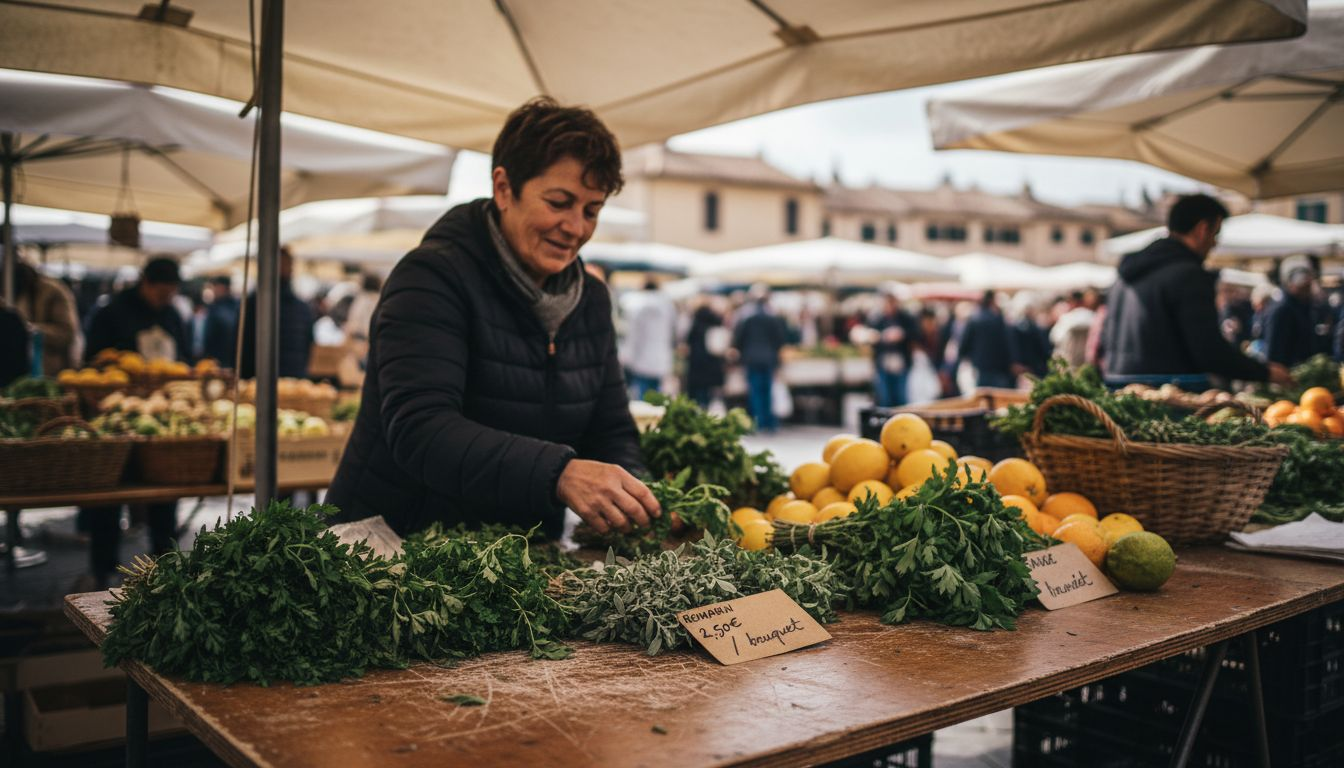
Sweet spices like cardamom, coriander, and pink peppercorns enrich the aromatic complexity without dominating. These subtle botanicals emerge gradually on the palate and contribute to the length of the finish. Their discreet presence allows for bold combinations with bitter ingredients like Campari.
Myrtle, a typical Mediterranean plant, brings balsamic and slightly sweet notes. This unique characteristic of Sardinian and Sicilian gins demands specific pairings that respect its delicacy. Myrtle thrives in cocktails where complementary ingredients are not too aggressive.
Pro Tip: Taste your gin neat at room temperature before creating a cocktail. This tasting reveals the dominant botanicals and helps you anticipate which ingredients will enhance them or risk overpowering them.
The impact of aromatic profiles on the final taste of the cocktail goes beyond the simple addition of flavors. Botanicals interact with each other and with other ingredients to create new notes that did not exist separately. This taste synergy transforms an ordinary mix into a memorable experience.
Using Key Italian Ingredients for a Balanced Cocktail
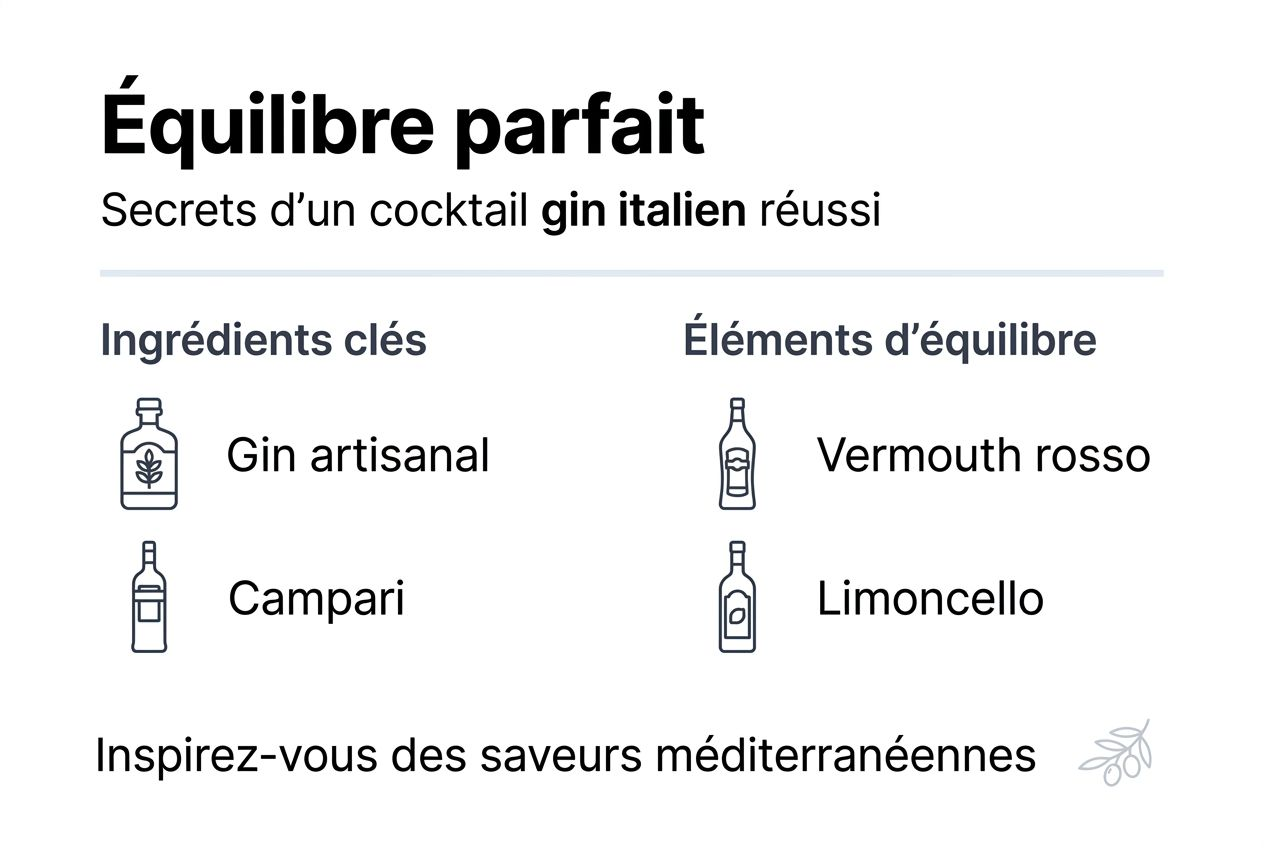
Adding classic Italian ingredients like Campari, vermouth rosso, and limoncello helps achieve a typical balance of bitterness, sweetness, and acidity. These traditional components have proven their worth in iconic cocktails and offer a consistent taste structure with the profiles of artisanal Italian gins.
Campari represents the bitter pillar of many classic gin cocktails. Its characteristic bitterness comes from an infusion of herbs and barks that creates remarkable depth. This bitterness structures the cocktail and highlights the botanical notes of the gin rather than competing with them. Campari also brings a distinctive ruby red color that visually announces the upcoming taste profile.
Italian vermouth rosso, sweet and flavored with herbs, acts as a mediator between gin and bitter ingredients. Its sweetness balances the bitterness of Campari while adding spicy notes that enrich the overall complexity. Quality vermouth contains its own botanicals that harmonize with those of the gin.
Limoncello provides citrus acidity and sweet sweetness that brighten lighter cocktails. This typical Italian ingredient creates an aromatic continuity with the citrus notes of the gin. Its sunny profile is particularly suitable for summer variations and aperitif cocktails.
| Ingredient | Taste Role | Aromatic Profile | Typical Cocktails |
|---|---|---|---|
| Campari | Bitter structure | Herbs, barks, spices | Negroni, Americano |
| Vermouth rosso | Sweet balance | Herbs, vanilla, caramel | Negroni, Martinez |
| Limoncello | Citrus acidity | Lemon, sugar | Spritz variations, sours |
| Prosecco | Effervescent lightness | White fruits, floral | Negroni Sbagliato |
The combined effects of these components on the cocktail's balance create a stable taste architecture. Bitterness stimulates the taste buds and prepares the palate. Sweetness brings roundness and accessibility. Acidity refreshes and extends the finish. Together, these elements form a harmonious taste triangle.
Techniques for a Perfect Cocktail Balance
The balance of bitterness and sweetness is critical: a standard 1:1:1 volume measure for gin, red vermouth, and Campari in a Negroni provides a highly appreciated harmonious aromatic profile. This proven method offers a reliable starting point before any customization to your preferences.
The equal dosing technique simplifies preparation while ensuring consistency. For a classic Negroni, combine 30 ml of artisanal Italian gin, 30 ml of vermouth rosso, and 30 ml of Campari. This equal proportion allows each ingredient to express itself without dominating the others. The result offers a balanced complexity accessible even to beginner palates.
Using a light tonic preserves the delicate botanicals of gin in longer variations. Overly sweet or flavored tonics mask the subtle notes you are trying to highlight. Opt for tonics with less than 6 grams of sugar per 100 ml and moderate carbonation that does not overpower the gin.
The construction method also influences the cocktail's final balance. For stirred cocktails like the Negroni, use a mixing glass filled with ice and stir for 30 seconds to achieve optimal dilution and temperature. For shaken cocktails, a vigorous 10-second shake creates the necessary emulsion and cold without excessive dilution.
Pro Tip: First prepare a reduced version of your cocktail with 10 ml of each ingredient. Taste and adjust proportions to your preferences before making the full version. This approach saves precious ingredients and refines your palate.
Practical steps for testing and adjusting balance include visual observation, olfactory evaluation, and progressive tasting. Observe clarity and color, which indicate appropriate dilution. Smell the dominant aromas, which should remain complex and balanced. Taste in small quantities, allowing the liquid to cover the entire tongue to assess the balance of bitterness, sweetness, and acidity.
Alternatives and Variations to Modulate Cocktail Body
Prosecco as an effervescent ingredient, as in the Negroni Sbagliato, provides a light texture and increases gustatory acceptability among novices. This substitution radically transforms the cocktail's profile while maintaining the fundamental balance between components. Effervescence lightens the perception of bitterness and creates a more accessible experience.
The Negroni Sbagliato replaces gin with Prosecco in the classic 1:1:1 formula. This happy accident, as its name suggests, offers a refreshing alternative perfect for aperitifs. Prosecco softens Campari's intensity while adding festive bubbles that stimulate the taste buds. This variation is particularly suitable for convivial occasions where you are looking for a light cocktail.
Flavored tonics offer another avenue to modulate body and complexity. A rosemary tonic amplifies the herbaceous notes of gin. A citrus tonic enhances citrus vivacity. A hibiscus tonic adds a floral dimension and a distinctive pink hue. Choose the flavoring based on the dominant botanicals of your gin to create a taste synergy.
| Variation | Modification | Resulting Texture | Intensity | Ideal Occasion |
|---|---|---|---|---|
| Classic Negroni | Gin + Vermouth + Campari | Dense, rich | Strong | Sophisticated aperitif |
| Negroni Sbagliato | Prosecco replaces gin | Light, effervescent | Moderate | Brunch, receptions |
| Flavored Gin & Tonic | Specialized tonic | Medium, refreshing | Light to moderate | Everyday tasting |
| Americano | No gin, lengthened with soda | Very light | Mild | Sunny afternoons |
The use of fresh aromatics as garnish personalizes the sensory experience from the first scents. A sprig of rosemary releases its essential oils upon contact with the liquid and creates an aromatic bridge between the glass and the nose. Basil leaves provide a surprising herbaceous freshness that complements the botanical notes of the gin. These functional garnishes transcend simple decoration.
Temperature variations also modify the perception of flavors. A very cold cocktail dampens the perception of bitterness and highlights sweetness. A cool but not icy cocktail reveals more aromatic nuances. Experiment with ice level and chilling time to find your preferred balance.
Garnishes and Finishes to Enhance the Cocktail
Fresh herbs transform an ordinary cocktail into a complete sensory experience. Rosemary offers resinous notes that harmonize with tonics and gins with Mediterranean botanicals. Basil brings a surprising herbaceous sweetness that complements more bitter profiles. Thyme adds an aromatic subtlety that enriches without dominating.
Rosemary works particularly well in stirred cocktails where its essential oils are gradually released. Lightly crush the sprig between your fingers before adding it to the glass to activate the aromatic compounds. This simple manipulation amplifies the olfactory impact and creates a memorable first impression.
Citrus zests are the most versatile and impactful garnish. An orange zest expressed over a Negroni releases essential oils that form a thin aromatic layer on the surface. A lemon zest brings vibrancy and visual freshness. A grapefruit zest adds a subtle bitterness and a touch of sophistication.
The zest expression technique maximizes its aromatic impact. Hold the zest between your thumb and forefinger, skin side down, above the glass. Quickly bend it to release a spray of essential oils that almost ignites upon touching the liquid. Then rub the outer edge of the zest on the rim of the glass before placing it in the cocktail.
Pro Tip: Prepare all your garnishes before you start mixing. Store herbs in a damp cloth and zests in an airtight container in the refrigerator. This organization allows for a quick and impeccable finish when serving multiple cocktails.
Aesthetic presentation techniques amplify the anticipation and pleasure of tasting. Use chilled glasses to maintain optimal temperature. Wipe any drips from the outside of the glass for a clean finish. Place the garnish so that it is visible and accessible to the nose with the first sip.
Ice deserves special attention for both presentation and functionality. Large ice cubes melt slowly and maintain ideal dilution longer. Crushed ice creates a perfect frosty texture for refreshing variations. Clear ice, obtained by directional freezing, offers a professional aesthetic that impresses.
Common Pitfalls and Mistakes to Avoid
Incorrect dosage ratios between bitterness and sweetness create unbalanced cocktails that mask the qualities of artisanal gin. An excess of Campari dominates all other ingredients and leaves an unpleasant lingering bitterness. Too much vermouth creates a syrupy sweetness that weighs down the palate. Adhere to established proportions before experimenting with minor adjustments.
Excessive dilution represents the silent enemy of gin cocktails. Too much ice or poor quality ice melts quickly and drowns out delicate flavors. Over-shaking in the shaker or mixing glass introduces too much water and weakens the final result. Time your mixing techniques and use dense, good quality ice.
Using ice that is too small accelerates melting and dilutes the cocktail even before you finish drinking it. Small ice cubes from standard trays melt within minutes in a room-temperature cocktail. Invest in ice molds that produce 5 cm cubes or buy professional ice for special occasions.
Omitting garnishes significantly reduces the cocktail's aromatic experience. The essential oils from fresh citrus zests and herbs provide the first olfactory impression that prepares the palate. Without this aromatic dimension, even a perfectly balanced cocktail seems flat and one-dimensional. Never consider garnishes optional.
Practical corrections for each common mistake include simple adjustments. For an overly bitter cocktail, add a touch of simple syrup or sweet vermouth. For an overly diluted cocktail, add a small amount of each base ingredient to restore balance. For a bland cocktail, express a fresh zest over it to revive the aromas.
Using mediocre quality ingredients sabotages even the best technique. Oxidized vermouth brings unpleasant vinegary notes. Stale tonic loses its effervescence and becomes syrupy. Industrial-grade gin lacks the botanical complexity that makes pairing interesting. Always prioritize fresh, artisanal ingredients for optimal results.
Expected Results and Cocktail Appreciation
A well-balanced gin cocktail produces a high acceptance rate among amateur tasters, with a taste satisfaction score exceeding 85%. These results demonstrate the importance of a methodical approach to pairing that respects aromatic profiles and established proportions.
The key criteria for a successful cocktail begin with taste balance between bitterness, sweetness, and acidity. No single element should dominate to the point of masking others. Each sip reveals layers of flavors that evolve from the first contact with the palate to the lingering finish. This harmonious complexity distinguishes a memorable cocktail from a simple mix.
The importance of good sensory feedback is evident from the first aromas. The scents should faithfully announce what the palate will discover. The nose captures the botanical notes of the gin amplified by fresh garnishes. This consistency between olfaction and gustation creates a complete and satisfying experience.
Mouthfeel contributes as much to appreciation as flavors. A well-constructed cocktail has a pleasant creaminess without heaviness. The cool but not icy temperature allows the flavors to fully express themselves. Appropriate dilution softens the alcohol without weakening the aromatic intensity.
Aesthetic presentation with neat garnishes psychologically prepares the taster for a quality experience. A clean, chilled glass, crystalline ice, vibrant fresh herbs, and an expertly expressed zest communicate attention to detail. This professional aesthetic enhances the pleasure of tasting.
The lingering finish represents the signature of an exceptional cocktail. The best creations leave an aromatic impression that evolves for several minutes after the last sip. This length on the palate testifies to the quality of the ingredients and the harmony of their blend. A too-short finish suggests imbalance or mediocre ingredients.
Expected satisfaction among amateur tasters exceeds 85% when all these criteria are met. This high rate confirms that the methodical approach to pairing gin and artisanal Italian cocktails produces reproducible and appreciated results. Your mastery of these techniques allows you to create memorable experiences for yourself and your guests.
Discover Our Selection of Italian Artisanal Gin
You now have the knowledge to create balanced cocktails that enhance Italian artisanal gin. Why not put these techniques into practice with exceptional spirits that embody the best of Italian tradition?

Our collection of Italian artisanal gin features award-winning distillates with unique botanical profiles, perfect for your cocktail creations. Each bottle tells a story of artisanal passion and Mediterranean terroir. Also explore our Italian artisanal vodka to diversify your mixology experiences with equally refined spirits. Discover how pop culture and spirits meet at Mezzanotte to create products that transform every tasting into a sensory adventure.
Frequently Asked Questions
What are the typical botanicals of Italian artisanal gins?
Italian artisanal gins favor Mediterranean citrus fruits like lemon, bergamot, and bitter orange. They also incorporate local herbs such as rosemary, basil, and myrtle. These botanicals create fresh, complex, and slightly spicy profiles that distinguish them from classic juniper-dominated gins.
How to balance bitterness and sweetness in a gin cocktail?
Adhering to a balanced ratio like 1:1:1 for gin, vermouth, and Campari in a Negroni forms the base. Taste progressively and adjust with small touches of 5 ml to refine the balance. This methodical approach avoids major imbalances and develops your taste sensitivity.
What garnishes best enhance Italian gin cocktails?
Fresh herbs like rosemary or basil enhance the gin's botanical notes. Expressed citrus zests release essential oils that create a powerful first aromatic impression. These functional garnishes also provide a professional aesthetic touch that signals the cocktail's quality.
What is the difference between a classic Negroni and a Negroni Sbagliato?
A classic Negroni uses gin, vermouth rosso, and Campari in equal proportions. A Negroni Sbagliato replaces gin with Prosecco to create a lighter, effervescent version. This substitution reduces alcoholic intensity and bitterness, making the cocktail more accessible to novice palates.
How to avoid excessive dilution of a gin cocktail?
Use large ice cubes that melt slowly rather than small ones. Time your mixing technique to a maximum of 30 seconds for stirred cocktails. Serve immediately after preparation in a pre-chilled glass to maintain temperature without further dilution.
Recommendation
- Types of Italian Gins 2026: A Comprehensive Guide for Discerning Enthusiasts – Mezzanotte | Distilleria & Spirits
- 6 Best Gin-Based Cocktails to Discover – Mezzanotte | Distilleria & Spirits
- Italian Gin Guide: Discover the Secrets of 2026 – Mezzanotte | Distilleria & Spirits
- Step-by-Step Cocktail with Artisanal Gin: Easy Guide – Mezzanotte | Distilleria & Spirits